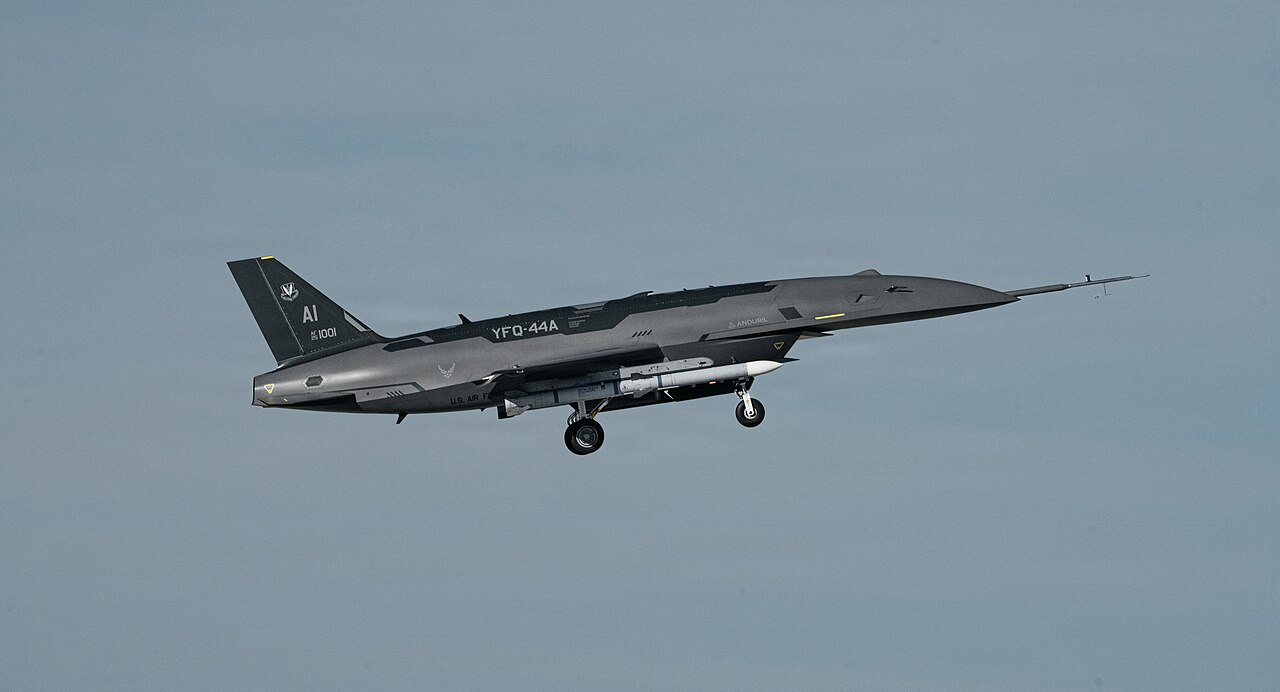
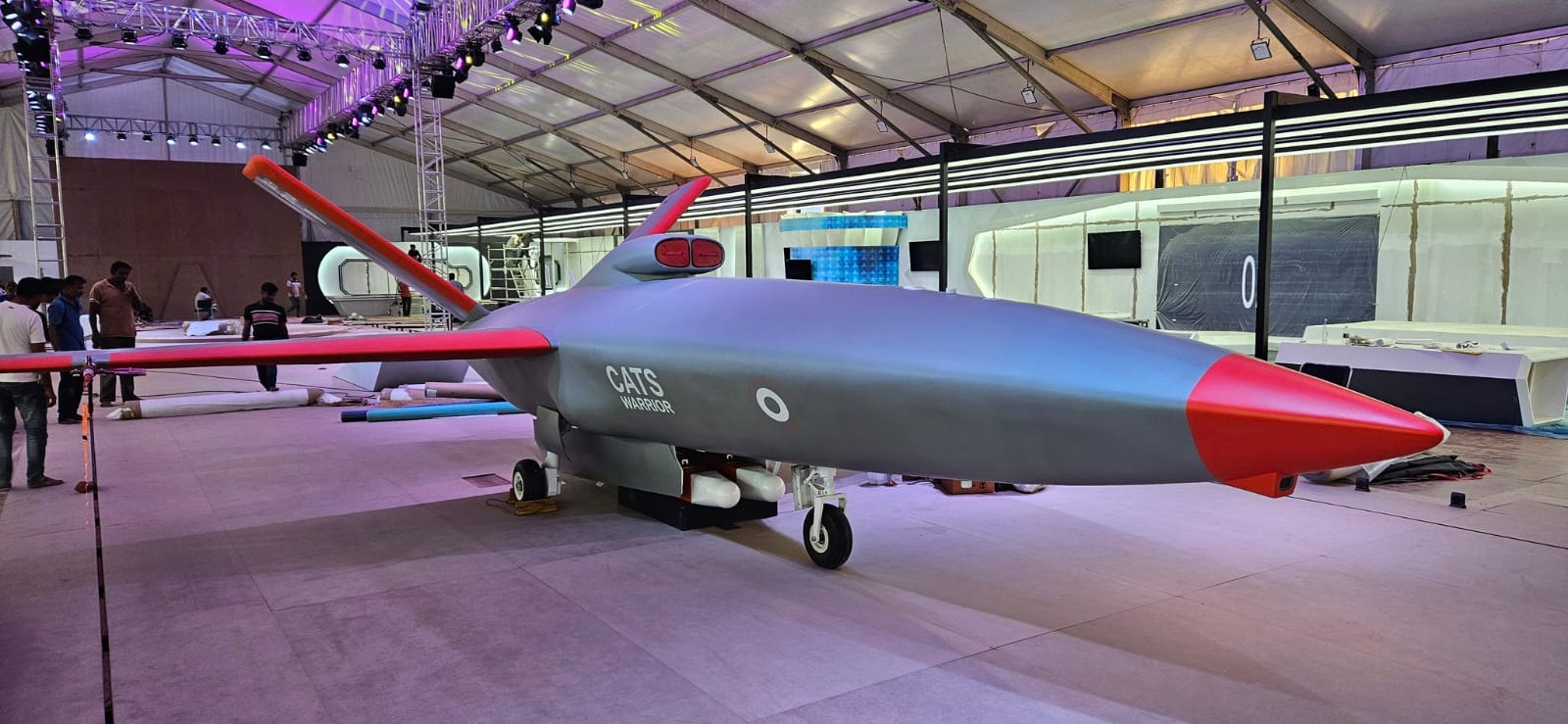
The U.S. Air Force has cleared its first Collaborative Combat Aircraft to enter production.

Drones & Autonomous
Original Briefing
USAF Greenlights CCA Production: GA, Anduril Lead
The U.S. Air Force has initiated the production phase for its Collaborative Combat Aircraft (CCA) program, marking a pivotal step towards operationalizing AI-enabled unmanned platforms in future air combat. This strategic decision sees General Atomics and Anduril securing the inaugural production contracts, accelerating a critical modernization effort aimed at augmenting manned fighter capabilities. The move signifies a tangible shift in defense acquisition, prioritizing speed and advanced technology integration.
This development unfolds amidst a global strategic landscape increasingly defined by peer competition and the imperative for distributed, attritable combat mass. The rapid advancement of the CCA program underscores a broader technological trend towards human-machine teaming and artificial intelligence as foundational elements of future military power projection.
Key Intelligence Points
- The U.S. Air Force has officially commenced the production phase for its Collaborative Combat Aircraft.
- Initial contracts for this groundbreaking program have been awarded to defense leaders General Atomics and Anduril.
- This represents a significant acceleration in the integration of autonomous platforms into air combat operations.
- The CCA initiative is designed to complement manned aircraft, enhancing their capabilities in contested environments.
- These contracts signify a strategic pivot towards a more AI-driven and distributed future for aerial warfare.
Advertisement
Intelligence Briefing
This acceleration fundamentally reshapes air combat doctrine, driving a rapid shift towards a more distributed, attritable, and AI-enabled combat force. For national security planners, it offers opportunities for enhanced lethality and survivability through mass and adaptability, yet simultaneously presents complex challenges in securing vast data links, ensuring robust command-and-control, and defining ethical autonomous decision-making protocols.
Editorial Analysis
Operationalizing CCAs will dramatically expand combat power and force projection, particularly in contested environments where the survivability of manned aircraft is increasingly challenged. These platforms are engineered to operate semi-autonomously or fully autonomously, providing critical support to manned fighters like those emerging from the Next Generation Air Dominance (NGAD) program. They can function as advanced sensor nodes, mobile missile trucks, or electronic warfare decoys, fundamentally altering the tactical paradigm from individual aircraft performance to integrated system-of-systems capabilities. This necessitates entirely new paradigms for pilot training, logistics, and command structures, affecting air staff, defense planners, and, crucially, potential adversaries.
This initiative is part of a broader global trend towards autonomous systems in warfare, mirroring rapid advancements in artificial intelligence and robotics across both commercial and military sectors. Historically, such shifts in military technology, from the integration of smart munitions to stealth aircraft, have redefined warfare, but the pace and potential impact of AI-driven autonomous systems like CCAs could be far more rapid due to their software-defined nature. Longer-term implications include potential shifts in military budgets favoring advanced software and AI development, a redefinition of aerial supremacy through networked, intelligent platforms, and an intensified requirement for robust cyber-physical security measures to protect these highly interconnected systems from sophisticated attack vectors.
📰