
DoD Cyber Strategy Charts AI-Driven Force Future
- The upcoming DoD cyber strategy will explicitly define the integral role artificial intelligence is expected to play in empowering future cyber operations.
- The new policy aims to extend cyber considerations beyond specialized units, integrating them across all departmental personnel and commanders.
- It emphasizes forging a robust operational partnership with the private sector to accelerate the development and deployment of AI solutions.

Ukraine is dramatically scaling up its unmanned ground vehicle (UGV) fleet, aiming for an unprecedented 25,000 deployments by the first half of 2026—more than double 2025 figures—to achieve 100% robotic frontline logistics. This ambitious goal, announced by Defense Minister Mykhailo Fedorov, seeks to remove soldiers from dangerous supply and evacuation missions, building on demonstrated combat effectiveness, including the first reported capture of an enemy position entirely by unmanned systems. The move underscores a profound strategic shift in battlefield operations, prioritizing automation for both soldier safety and operational advantage.

Microsoft is set to significantly enhance cybersecurity for Windows users by rolling out Entra passkeys, a phishing-resistant, passwordless authentication method, starting in late April. This crucial update extends secure sign-in capabilities not only to corporate and personal devices but also to unmanaged Windows devices, marking a major step towards widespread passwordless adoption. The feature aims for general availability by mid-2026, promising a more robust defense against credential theft.
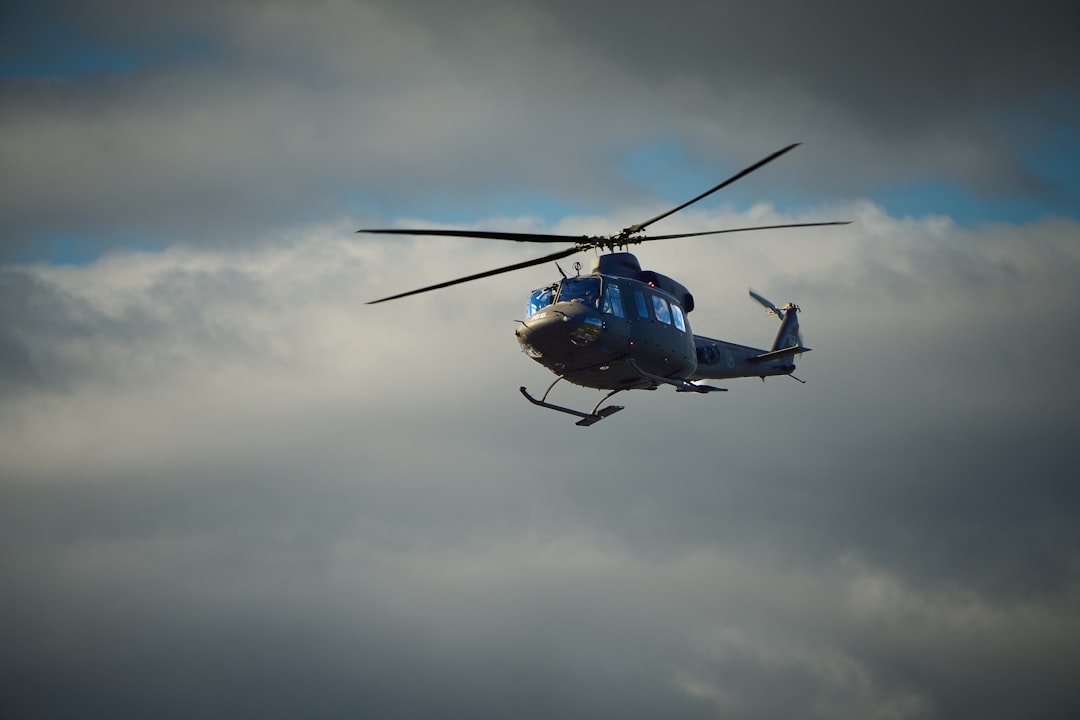
The U.S. Air Force is dramatically expanding its F-15EX Eagle II fleet, proposing to more than double its planned acquisition from 129 to 267 aircraft, according to its fiscal year 2027 budget request. This significant procurement, driven by the need to replace aging F-15E Strike Eagles and bolster capabilities, underscores a strategic shift towards a mixed fleet approach for enhanced airpower. The expansion aims to address both high-capacity weapons needs and long-range operational demands, particularly in the Indo-Pacific region.

The White House has issued a stark warning, accusing China of orchestrating "deliberate, industrial-scale campaigns" to steal advanced U.S. frontier AI systems through sophisticated 'distillation' methods. This aggressive strategy involves overwhelming proprietary AI models with requests to train functionally comparable knockoff versions, allowing foreign entities to illicitly acquire valuable intellectual property and bypass extensive development costs.
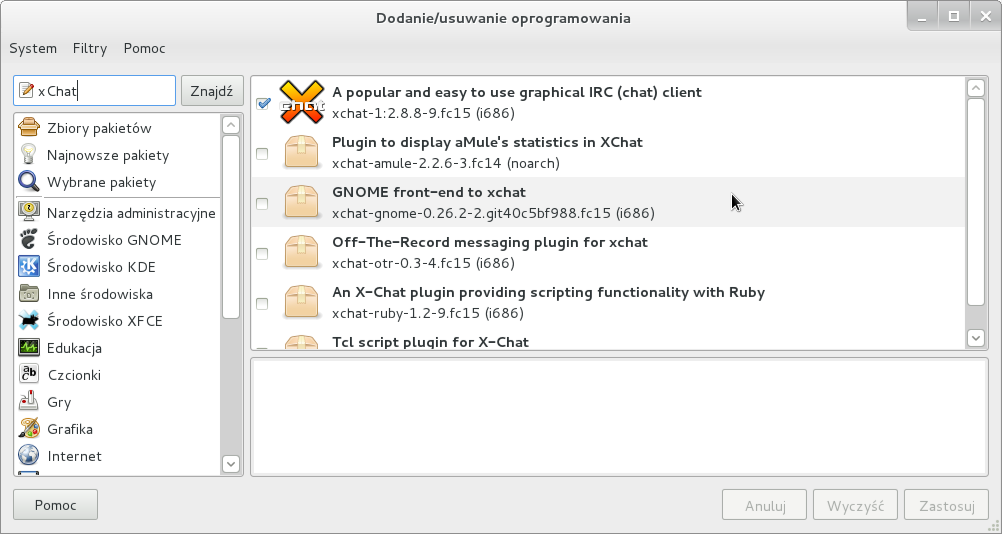
A critical 12-year-old vulnerability, dubbed Pack2TheRoot (CVE-2026-41651) and rated 8.8, has been uncovered in the Linux PackageKit daemon, allowing local users to gain root access. This flaw enables attackers to exploit package management functions to install or remove system packages and elevate privileges, affecting numerous major Linux distributions. Immediate update to PackageKit version 1.3.5 is imperative to mitigate this severe security risk.
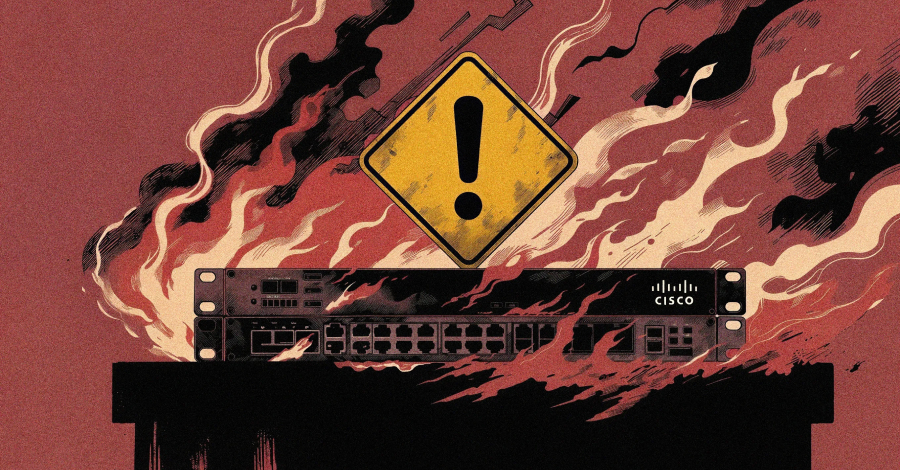
A federal civilian agency has been compromised by the highly persistent FIRESTARTER backdoor within its Cisco Firepower device, CISA has revealed. This sophisticated malware, assessed to be a remote access tool deployed by an advanced persistent threat (APT) actor, is designed to survive standard security patches and firmware updates. The incident underscores a critical vulnerability in defending against deep-seated compromises that exploit now-patched security flaws like CVE-2025-20333 and CVE-2025-20362.

As the United States faces its most significant nuclear threat since the Cold War, a bold proposal suggests moving the National Nuclear Security Administration (NNSA) out of the Department of Energy (DOE). This move aims to establish the NNSA as an independent agency, reporting directly to the President, thereby eliminating bureaucratic drag and blurred accountability that currently hinder the nation's nuclear deterrent. The restructuring is presented as a critical step to ensure a singularly focused and agile approach to America's nuclear future amid rising global tensions.
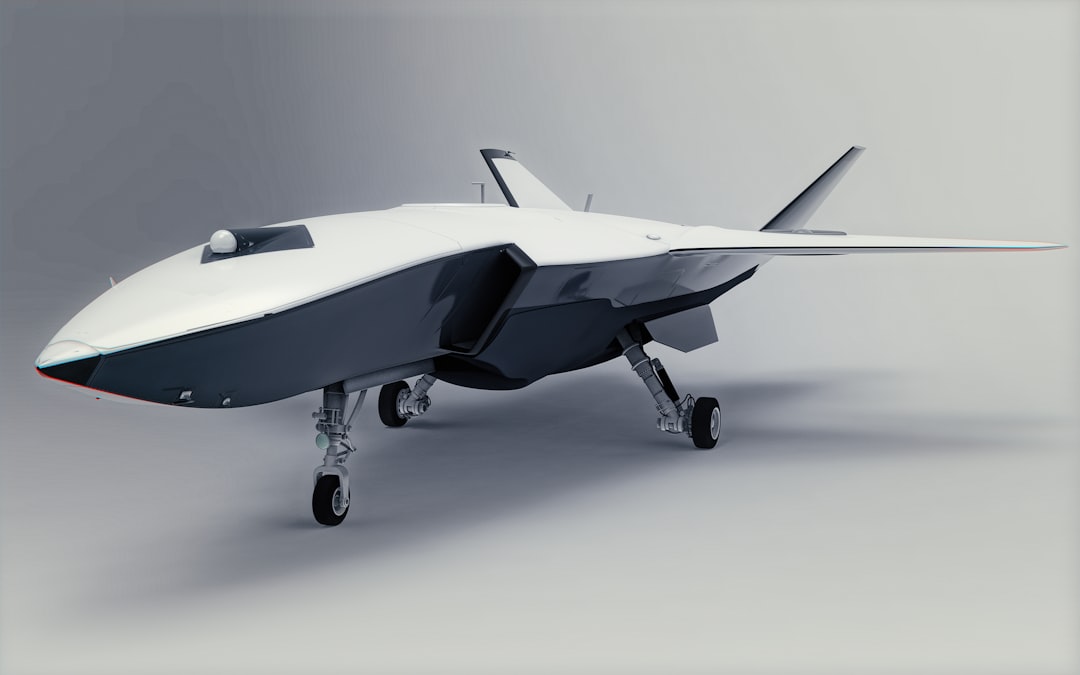
The U.S. Marine Corps is actively seeking a new anti-tank loitering munition, the Organic Precision Fires–Medium (OPF-M), designed to significantly extend the reach and lethality of dismounted Marines against armored threats. This kamikaze drone aims to provide a critical precision strike capability for the Fleet Marine Force, enabling engagements beyond direct fire range while enhancing troop safety and operational flexibility.

The U.S. Missile Defense Agency (MDA) is aggressively pursuing the integration of directed energy weapons onto unmanned platforms, signaling a significant push towards laser-armed drones for domestic air defense. This initiative aims to establish a crucial 'non-kinetic layer' against incoming missiles and hostile UAVs, marking a renewed commitment to airborne laser technology. The announcement from MDA Director Air Force Lt. Gen. Heath Collins during a recent House Armed Services Subcommittee hearing highlights the agency's "all in" approach to this futuristic defense strategy.
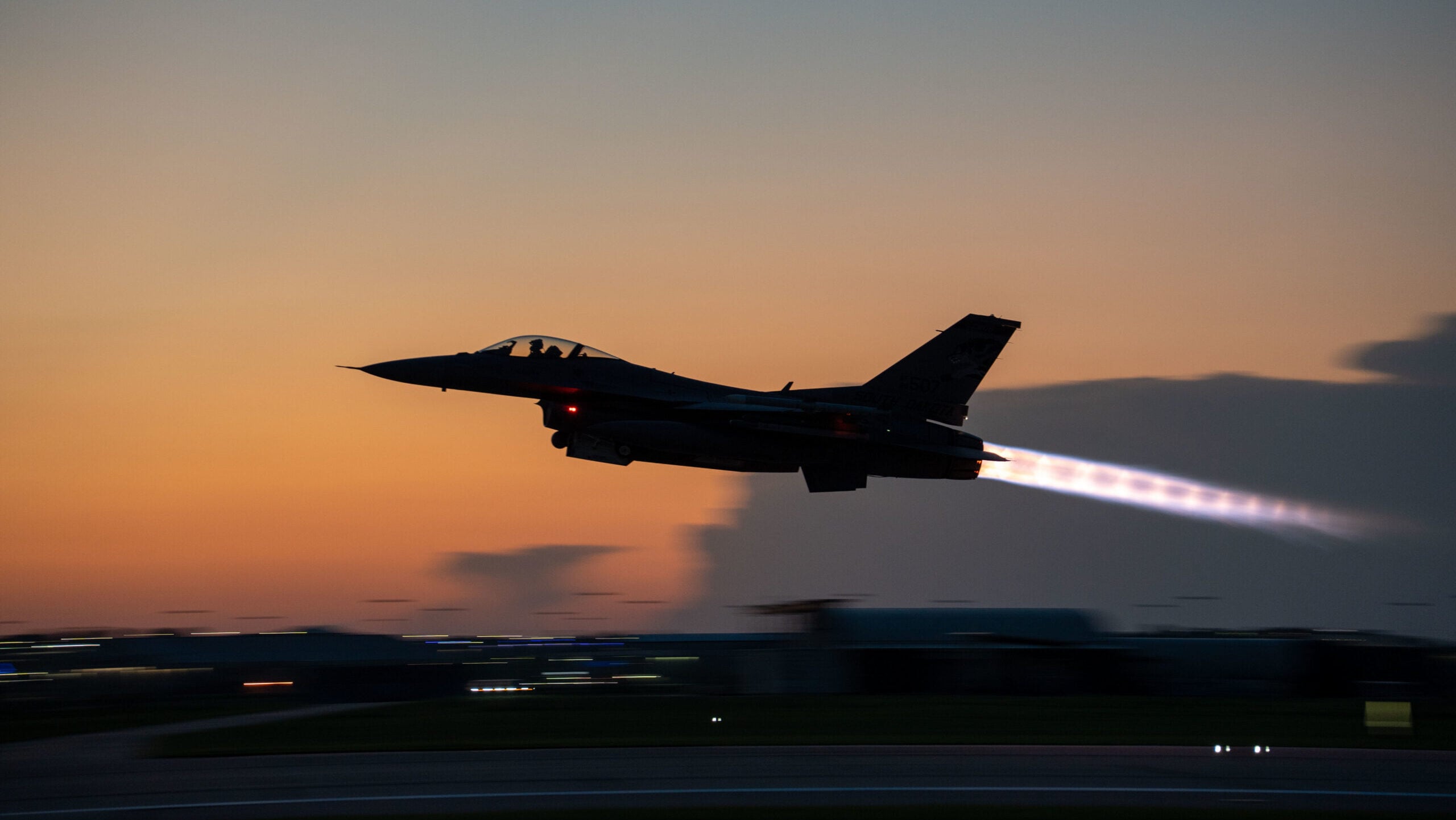
Lockheed Martin has announced Peru's acquisition of 12 F-16 Block 70 fighter jets, claiming a significant victory despite an ongoing political spat in Lima where President Balcázar publicly disavowed the deal. This move to modernize Peru's air force, replacing its aging Mirage 2000 and MiG-29 fleets, has paradoxically led to high-level ministerial resignations even as a "technical signing" and initial payment from the Ministry of Economy signal the deal's progression.
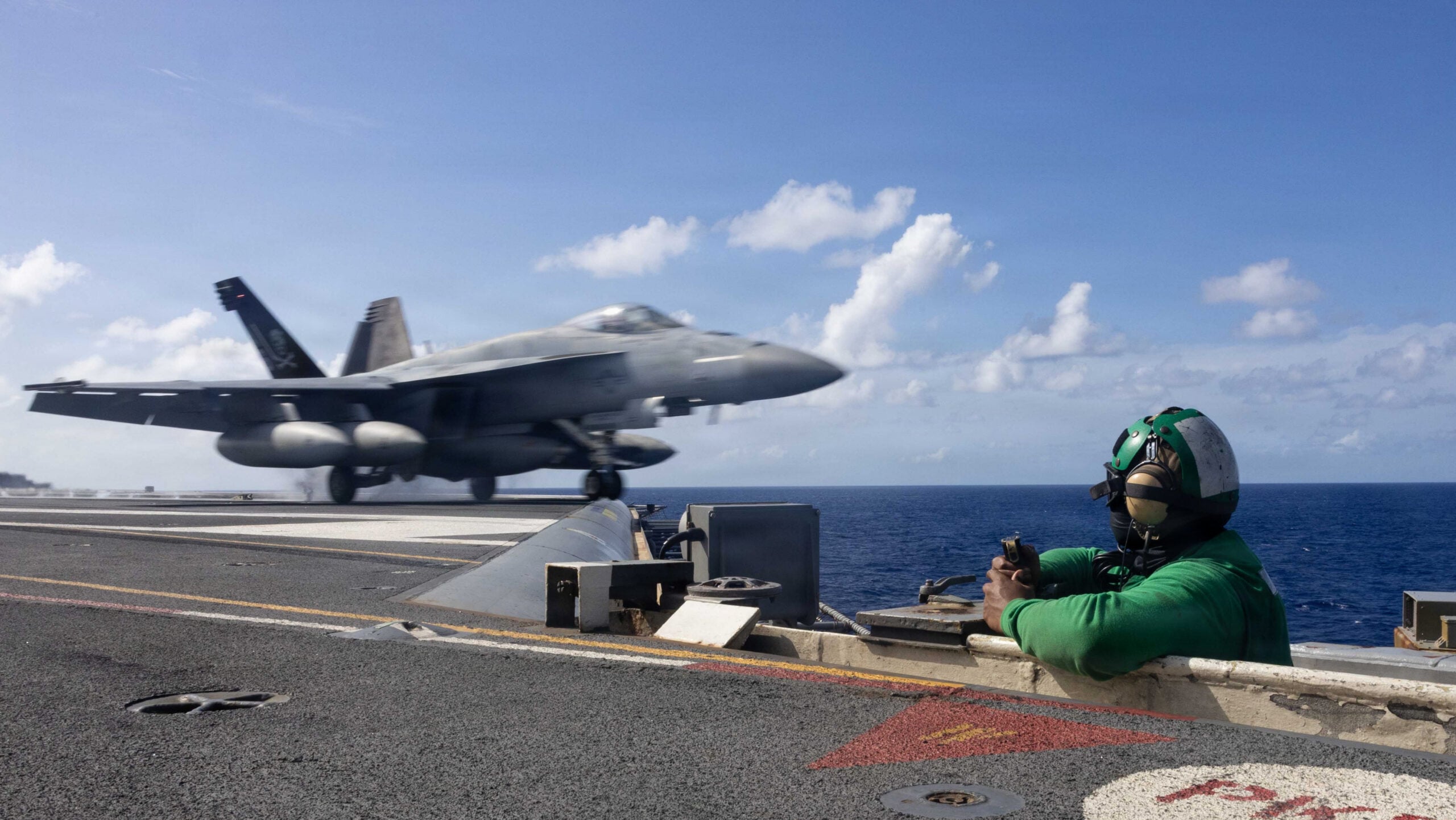
For the first time since 2003, three United States aircraft carrier strike groups, including the USS George H.W. Bush, USS Gerald R. Ford, and USS Abraham Lincoln, are simultaneously operating in the Middle East. This historic concentration of naval power, comprising over 200 aircraft and 15,000 personnel, marks a significant escalation in the US military posture. The massive buildup directly supports 'Operation Epic Fury,' a newly launched initiative explicitly targeting Iranian assets with over 13,000 strikes and a maritime blockade, highlighting intensified US-Iran tensions.

A Chinese national, Song Wu, has been identified as the orchestrator of an extensive spear-phishing campaign that successfully infiltrated NASA and other critical U.S. defense and research institutions. Posing as a U.S. researcher, Wu acquired sensitive aerospace and weapons software over a four-year period, resulting in significant violations of U.S. export control laws. This sophisticated operation highlights a persistent threat vector against national security interests, with Wu currently at large despite federal charges.