
US House Approves Ukraine Aid & New Russia Sanctions
- House approval secured a substantial financial package for Ukraine's defense efforts.
- The legislation includes an $8 billion authorization in military finance loans to Kyiv.
- The Ukraine Security Assistance Initiative (USAI) receives an extension through 2027.
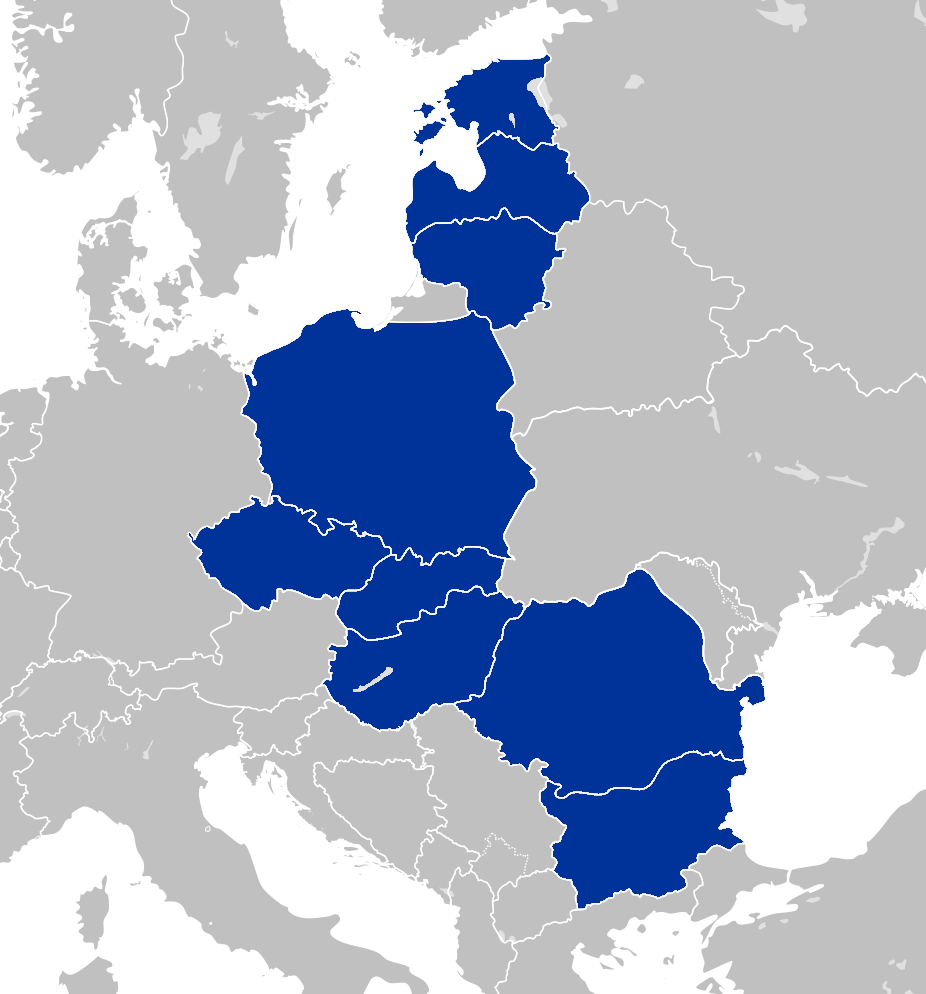
Despite significant financial commitments, NATO's eastern flank exhibits a troubling unevenness in military readiness, posing a substantial threat to rapid troop deployment during a potential conflict. A new report by Globsec reveals a critical "readiness divide," where some nations boast agile, pre-delegated decision systems while others are hampered by slower, sequential frameworks. This disparity highlights persistent vulnerabilities in decision-making, mobility, and sustainment, directly impacting the alliance's ability to deter and respond effectively.
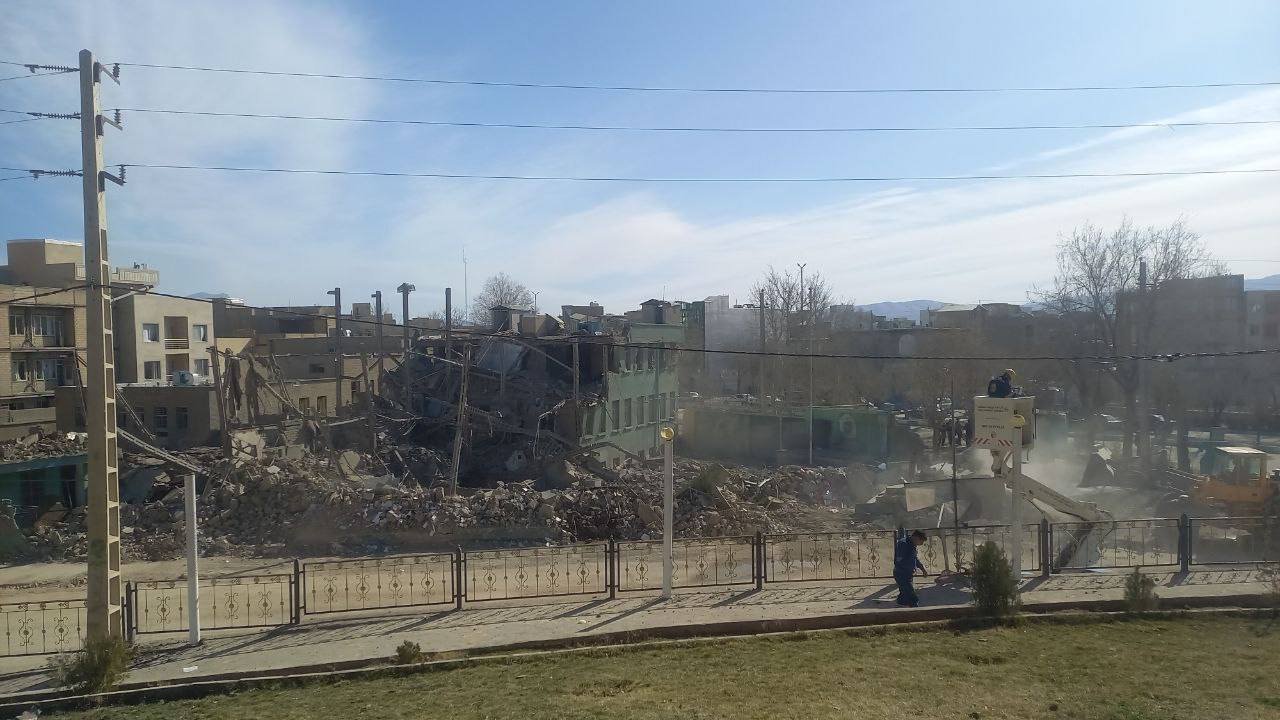
New analysis from Bellingcat reveals approximately 80 Iranian police stations and related law enforcement infrastructure have been damaged or destroyed in the initial three weeks of the United States and Israel's ongoing war against Iran. These widespread strikes, verified through open-source intelligence methods including satellite imagery, represent a strategic effort beyond traditional military targets, aiming to degrade the Iranian regime's internal 'repressive capacity' and reportedly render the country 'ungovernable'.

The Cybersecurity and Infrastructure Security Agency (CISA) has issued an urgent directive for federal agencies to patch a critical cross-site scripting (XSS) vulnerability (CVE-2025-48700) in Zimbra Collaboration Suite (ZCS) within three days, as over 10,000 instances are currently under active exploitation. This high-impact flaw, affecting ZCS versions 8.8.15 through 10.1, requires no user interaction and allows unauthenticated attackers to execute arbitrary JavaScript or access sensitive information when a maliciously crafted email is viewed. The widespread exploitation highlights a significant risk to the hundreds of government agencies and thousands of businesses globally that rely on Zimbra.
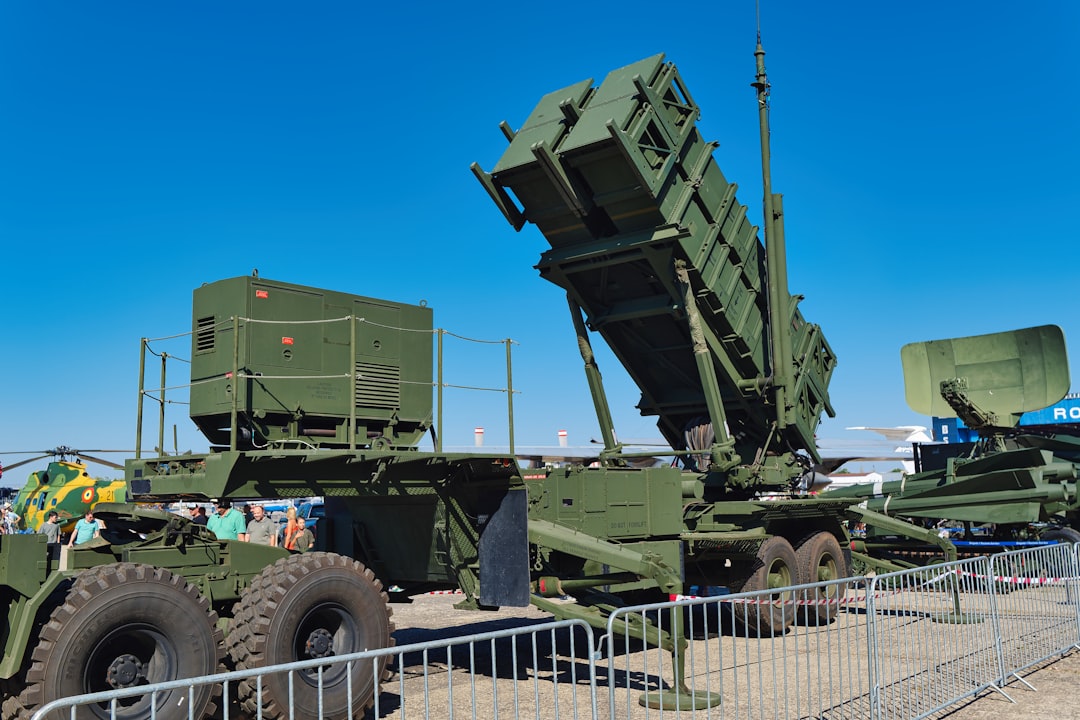
ArianeGroup, the renowned Franco-German aerospace giant, is exploring the feasibility of manufacturing ballistic missiles in Germany, a move driven by Europe's urgent demand for conventional deep-strike capabilities. This strategic consideration comes as France commits €1 billion to develop a new 2,500km land-based ballistic missile, targeting deployment by 2030-2035. The potential German production signifies a renewed push for Franco-German defense cooperation amid ongoing challenges in other joint military projects.
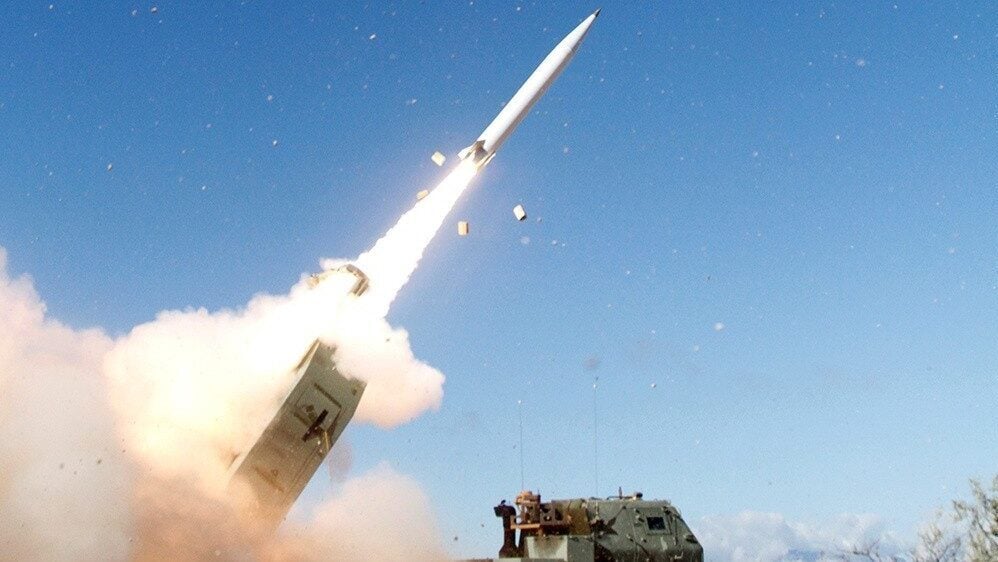
The Pentagon is dramatically escalating its efforts to bolster its munitions industrial base, targeting a 188% increase in missile procurement funding by fiscal year 2027 to rapidly scale production of 14 critical weapons, including two emerging systems. This aggressive push, spearheaded by the Munitions Acceleration Council (MAC), aims to not only replenish depleted stockpiles but also reestablish a credible deterrence posture amid evolving global threats and support allied nations.

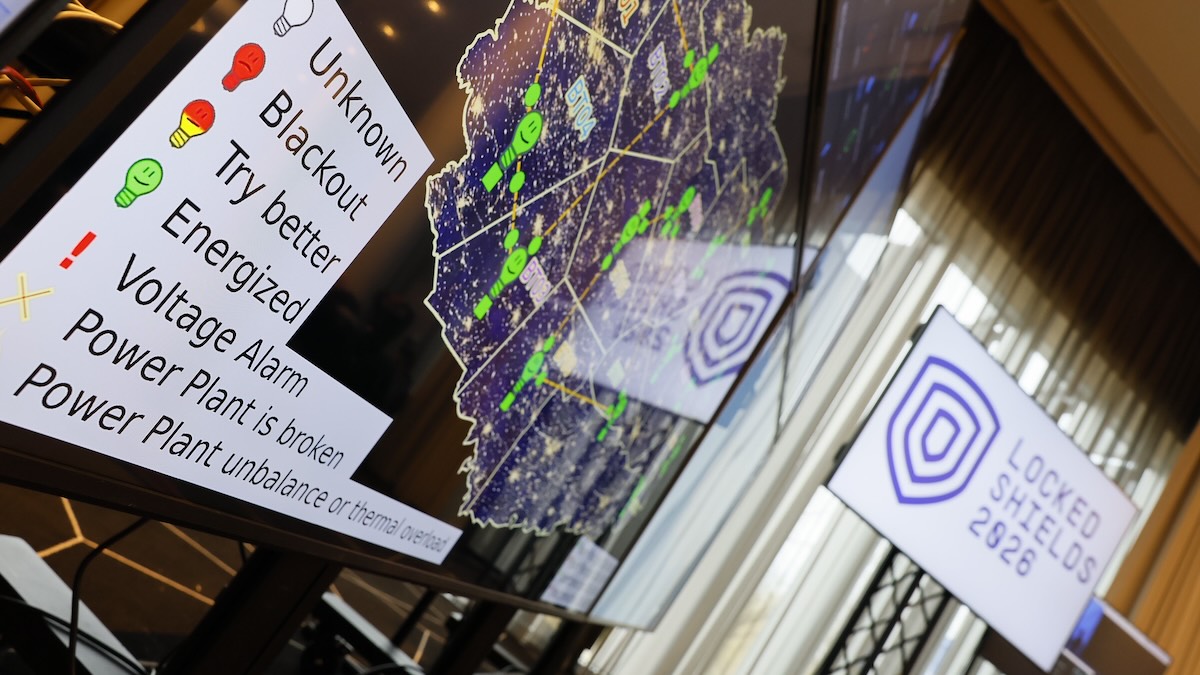
The world's largest live-fire cyber defense exercise, Locked Shields 2026, recently concluded, uniting 4,000 participants from 41 nations in a high-stakes simulation. Organized by the NATO CCDCOE, the event rigorously tested defenders' capabilities to protect critical infrastructure, including air defense and e-voting systems, and military networks against sophisticated, real-time cyberattacks.

Cybersecurity researchers have uncovered a sophisticated campaign involving 26 "FakeWallet" applications on the Apple App Store, meticulously designed to impersonate legitimate cryptocurrency wallets and steal user recovery phrases and private keys. This operation, active since at least fall 2025, leveraged advanced social engineering by redirecting users to fake browser pages to distribute trojanized versions of popular crypto wallet software. While many of these malicious apps have now been removed, the incident highlights a persistent and evolving threat landscape targeting digital assets.

The rapid integration of AI agents into enterprise systems is exposing a critical "AI Agent Authority Gap," revealing a fundamental delegation problem rather than just the emergence of new actors. These agents inherit their operational authority directly from existing human and machine identities, fundamentally altering the cybersecurity landscape. Consequently, the challenge isn't merely governing AI, but securing the identities that empower it, a concept traditionally overlooked by existing identity and access management (IAM) frameworks.

Microsoft has now provided enterprise IT administrators with the ability to uninstall its AI-powered Copilot assistant from organizational devices, a significant development following its broad availability after the April 2026 Patch Tuesday updates. This new 'RemoveMicrosoftCopilotApp' policy setting, accessible via Group Policy and Policy CSP, allows for non-disruptive removal of Copilot under specific conditions, addressing a long-standing request from enterprise IT departments. The policy applies to certain Windows 11 25H2 SKUs and devices where Copilot was not user-installed or recently launched.

The Cybersecurity and Infrastructure Security Agency (CISA) has issued a critical update to its Emergency Directive 25-03, revealing that at least one US federal agency's Cisco firewall has been compromised by a sophisticated backdoor dubbed 'Firestarter'. This revelation underscores the persistent threat posed by a China-linked espionage campaign, 'ArcaneDoor,' which has been exploiting zero-day vulnerabilities in Cisco ASA and FTD platforms since May 2024. CISA now mandates a hard reset of all compromised devices by April 30, 2026, emphasizing that mere patching is insufficient to remove the deeply embedded malware.
The Trump administration has vowed a significant crackdown on Chinese entities accused of industrial-scale theft and exploitation of American artificial intelligence models, a move that underscores escalating tensions in the global AI race. This directive, outlined in a recent memo by the president's chief science and technology adviser, targets foreign entities, primarily based in China, for illicitly extracting capabilities from leading U.S. AI systems. The announcement comes as China rapidly narrows the AI gap with the United States, prompting a bipartisan legislative push to sanction foreign actors involved in such intellectual property theft.