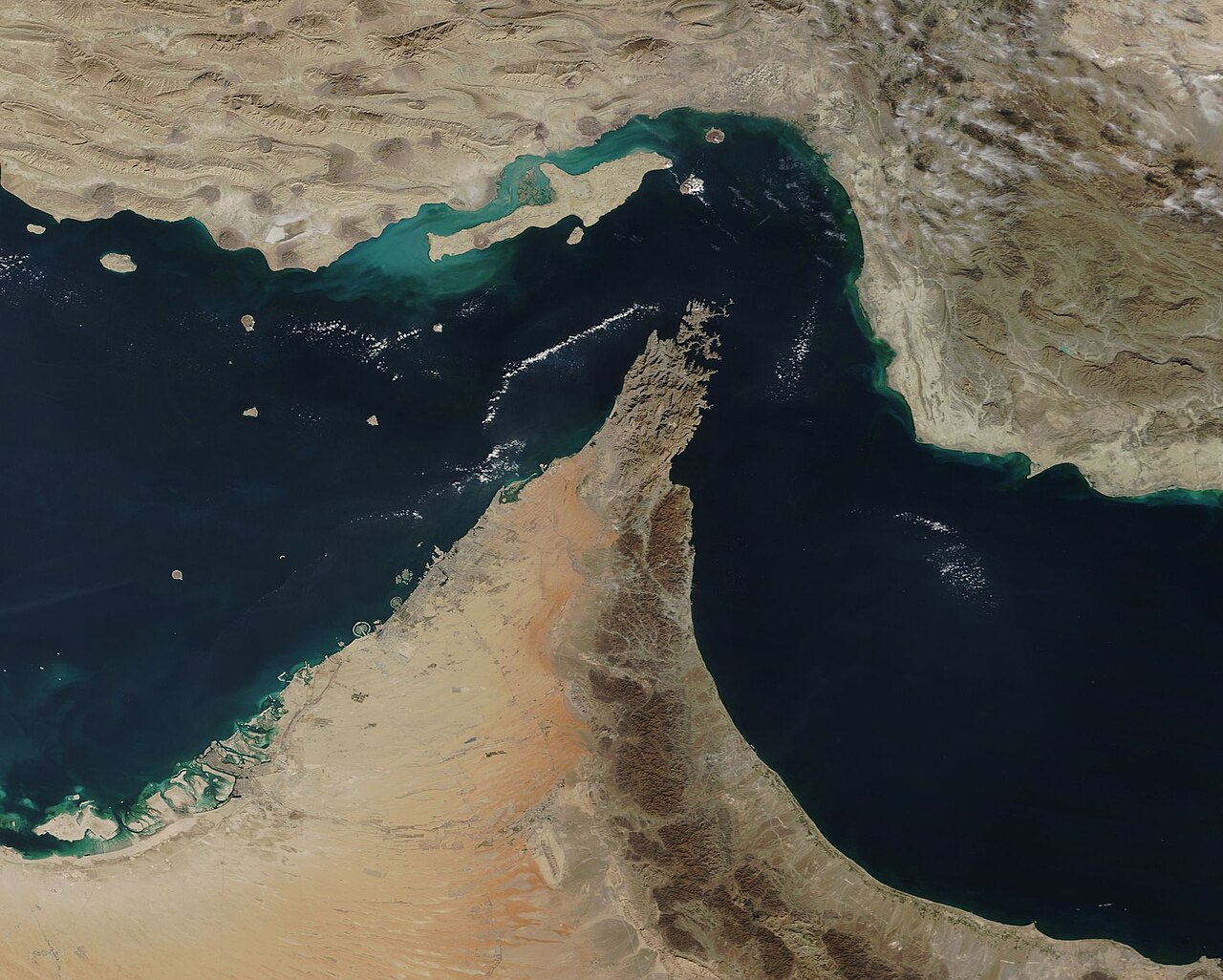
U.S. forces struck Iranian coastal radar sites on Saturday after shooting down drones launched by Iran toward the Strait of Hormuz, the U.S. military said.
Military & Defense
Original Briefing
US Strikes Iranian Radar After Drone Launch Near Hormuz
U.S. forces recently executed defensive strikes on Iranian coastal radar installations following the interception of Iranian unmanned aerial systems directed towards the critical Strait of Hormuz. This incident marks a direct kinetic engagement between the two nations, highlighting the immediate operational risks within one of the world’s most vital maritime choke points and the evolving threat landscape posed by aerial drones. The specific targeting of radar infrastructure suggests an aim to degrade surveillance and targeting capabilities that could support future aggressive acts.
This latest flare-up underscores a concerning trend of escalating regional tensions in the Gulf, where the proliferation of advanced, low-cost drone technology enables state and non-state actors to project power and contest control in previously uncontested zones. Such events contribute to a heightened state of alert for maritime operations and cybersecurity postures across the broader Middle East theater.
Key Intelligence Points
- US military assets conducted targeted strikes against Iranian coastal radar facilities.
- The strikes were a direct response to Iranian drones launched toward the Strait of Hormuz.
- U.S. forces successfully intercepted the unmanned aerial vehicles before reaching their objective.
- This engagement represents a significant escalation in direct military confrontation within the Gulf.
- The incident highlights the growing threat presented by advanced drone capabilities in the region.
Advertisement
Intelligence Briefing
Why this matters: This direct kinetic exchange necessitates a critical review of defensive postures for maritime assets and infrastructure in the Gulf. For IT security professionals, the incident signals a heightened probability of associated cyber operations targeting critical networks supporting naval logistics, air defense, and sensor arrays. Policymakers must also contend with the increased risk of miscalculation, demanding sophisticated de-escalation protocols and robust intelligence sharing to prevent wider conflict.
Editorial Analysis
The U.S. decision to target Iranian coastal radar sites following a drone launch is strategically significant, indicating a proportional but firm response aimed at degrading Iran's ability to monitor and potentially direct future attacks in the Strait of Hormuz. Radar facilities are crucial components of intelligence gathering, early warning, and fire control systems, meaning their neutralization complicates Iran's operational calculus for any subsequent hostile actions. For military analysts, this demonstrates a willingness to engage capabilities that support asymmetric threats like drones, which are increasingly difficult to detect and intercept without sophisticated counter-UAS platforms and electronic warfare (EW) capabilities. This event raises profound questions about the vulnerability of maritime shipping and energy infrastructure to inexpensive, remotely operated aerial threats.
This incident fits into a broader pattern of escalating "grey zone" warfare in the Middle East, characterized by actions that fall below the threshold of declared war but carry significant strategic implications. The increasing reliance on unmanned systems by regional actors, combined with advancements in EW and counter-drone technologies, necessitates a constant re-evaluation of defense doctrines and investment priorities for national security researchers. This dynamic highlights the critical need for integrated defense systems that can detect, track, identify, and neutralize diverse aerial threats, emphasizing the convergence of traditional military strategy with sophisticated technological deterrence.
📰