U.S. forces have intercepted multiple commercial and oil tankers in the Indian Ocean in recent months.
Military & Defense
Original Briefing
US Forces Intercept Sanctioned Tanker in Indian Ocean
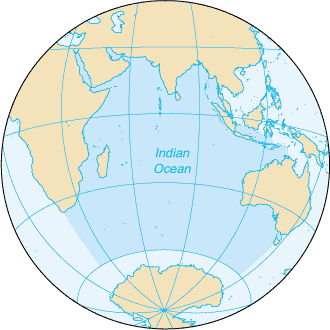
United States military personnel recently boarded a sanctioned vessel in the Indian Ocean, a direct act of enforcement against illicit maritime activity. This interdiction underscores a persistent commitment to upholding international economic restrictions and maintaining maritime security in a critical global waterway. The operation involved U.S. forces engaging a commercial tanker identified as operating in violation of established sanctions.
This event is not isolated but rather indicative of a broader strategic focus on countering grey zone maritime threats and ensuring compliance with international law. The Indian Ocean, a vital nexus for global trade and energy transit, remains a key theater for such geopolitical maneuvering and enforcement actions by major naval powers.
Key Intelligence Points
- U.S. military forces executed a boarding operation on a tanker suspected of sanctions violations in the strategically important Indian Ocean.
- This specific interdiction aligns with a broader pattern of recent U.S. efforts to intercept illicit shipping traffic in the region.
- Multiple commercial and oil tankers have been targeted in recent months, demonstrating sustained enforcement actions against various illicit actors.
- The ongoing operations underscore the U.S. commitment to disrupting pathways for sanctioned entities to bypass international restrictions.
- These naval maneuvers enhance maritime domain awareness and signal a robust stance against challenges to global shipping norms.
Advertisement
Intelligence Briefing
This incident significantly raises the operational risk for any entity attempting to circumvent international sanctions through maritime channels. For security professionals and policymakers, it reinforces the enduring necessity of robust naval presence and advanced intelligence fusion capabilities to deter and counter illicit shipping. The action signals a resolute commitment to upholding global economic integrity, setting a precedent that illicit maritime ventures face active and direct military interdiction.
Editorial Analysis
The boarding of a sanctioned tanker in the Indian Ocean carries substantial strategic and operational implications. It directly impacts state and non-state actors who rely on covert maritime networks to finance their operations or evade economic penalties, increasing their costs and risks. The U.S. capability to detect, track, and physically interdict such vessels demonstrates advanced intelligence-gathering, surveillance, and reconnaissance (ISR) capabilities, coupled with effective naval power projection. This sustained pressure aims to disrupt supply chains for illicit goods or sanctioned exports, thereby eroding the financial lifelines of adversarial entities and reinforcing the international sanctions regime.
This recent interdiction fits into a broader historical trend of using naval power for economic enforcement and maintaining freedom of navigation. From historical blockades to modern anti-piracy and counter-smuggling operations, maritime forces are consistently leveraged to assert international norms. Experts view these ongoing Indian Ocean operations as a critical component of a layered approach to global security, blending traditional military deterrence with economic warfare strategies to manage geopolitical competition and regional stability in vital maritime commons.
📰