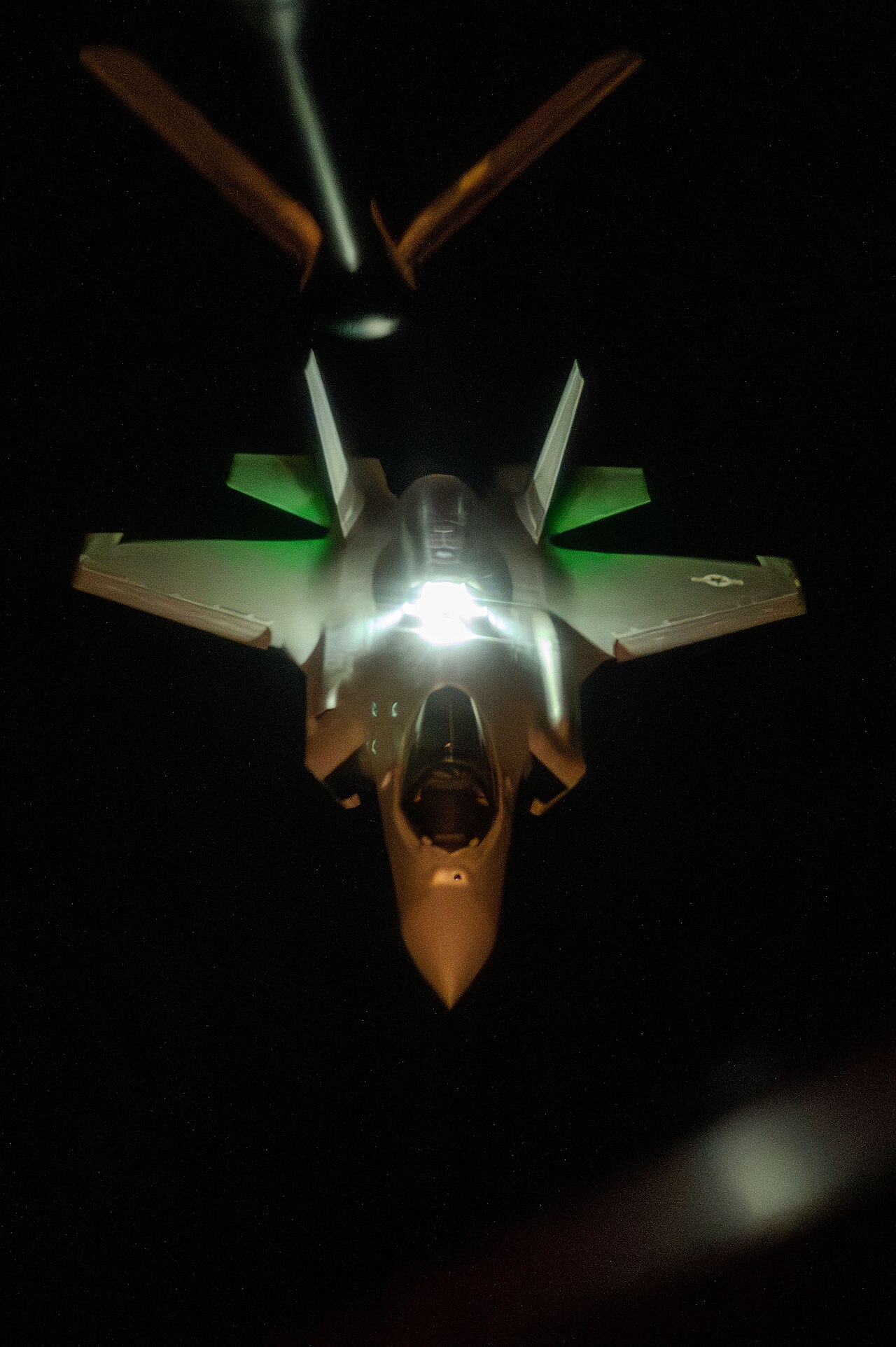
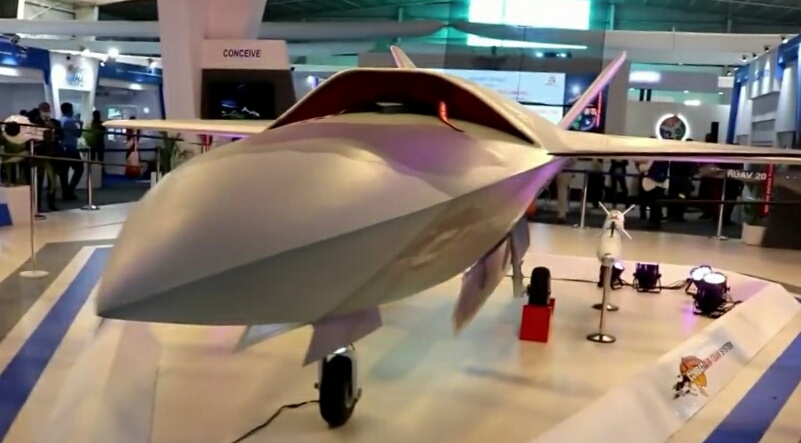
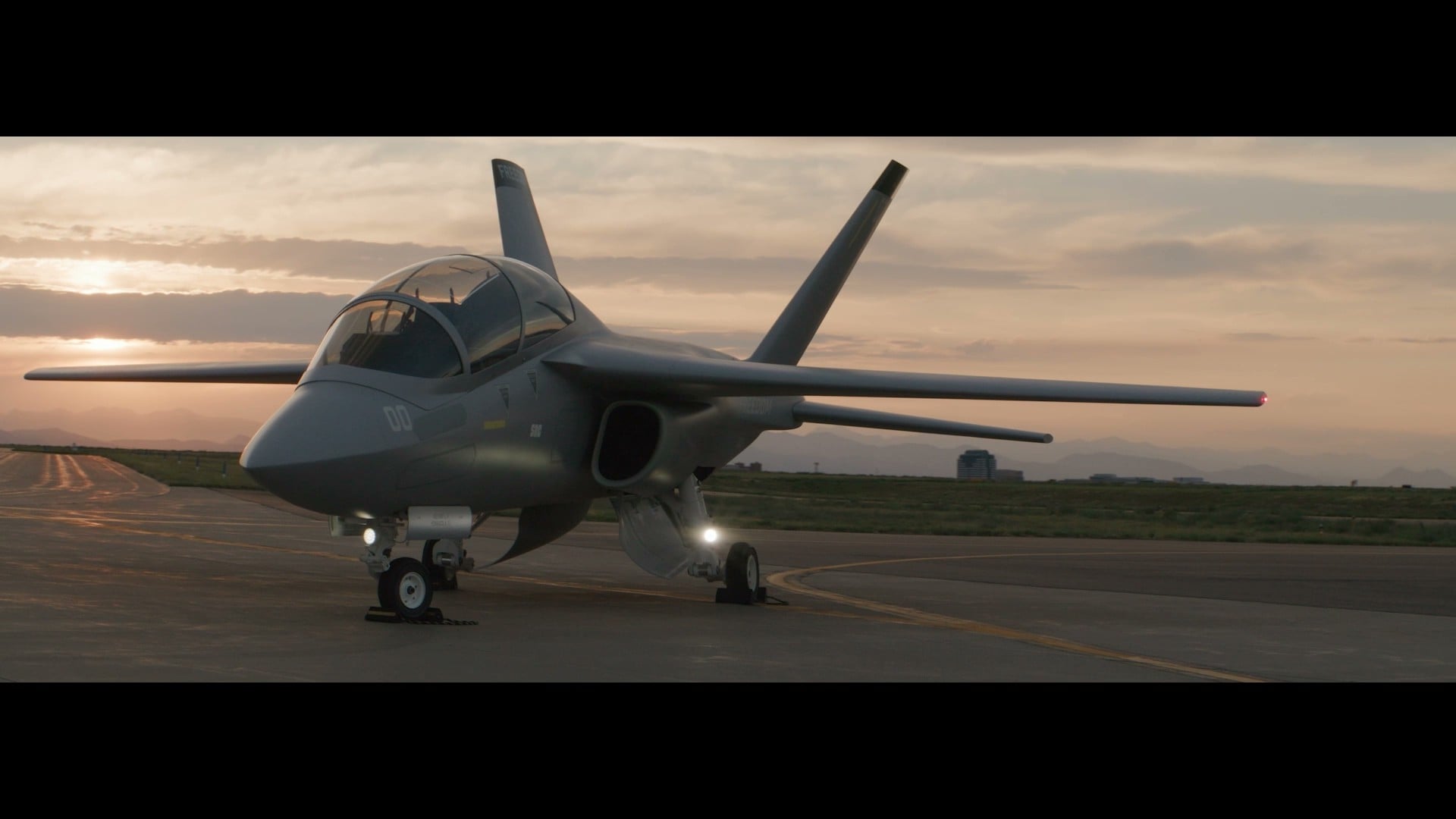
The Navy’s Undergraduate Jet Training System (UJTS) identifies areas for training improvement, such as field carrier landing practice where student pilots will conduct repeated simulated “field carrier” landings – touch and go – on airfields rather than aircraft carriers. This brief video discusses that new training technique and more.
Military & Defense
Original Briefing
US Navy Eyes Clean-Sheet Trainer Jet for Pilot Training Overhaul
The U.S. Navy is preparing for its first clean-sheet trainer aircraft design since the 1950s, a move signaling a comprehensive overhaul of its pilot training methodologies. This initiative is central to the broader Undergraduate Jet Training System (UJTS) modernization, which aims to enhance pilot readiness and efficiency. A key innovation within UJTS includes shifting initial field carrier landing practice (FCLP) from actual carriers to airfields, a practical adjustment with significant implications for cost and resource allocation.
Key Intelligence Points
- Navy plans for a new clean-sheet trainer aircraft, first since 1950s.
- Part of the broader Undergraduate Jet Training System (UJTS) modernization.
- UJTS introduces field carrier landing practice (FCLP) on airfields.
Advertisement
Intelligence Briefing
Why this matters: This overhaul could significantly reshape naval aviation capabilities, affecting personnel readiness, long-term defense spending, and potential industry partnerships for next-gen platforms.
Editorial Analysis
This modernization represents a strategic investment in future naval aviation capabilities, addressing both technological advancements and operational efficiencies. For defense professionals, the emphasis on FCLP on airfields highlights a pragmatic approach to training that could reduce wear on high-value carrier assets and accelerate pilot qualifications. Moreover, the clean-sheet design suggests a long-term vision for integrating cutting-edge avionics and simulation, potentially influencing future procurement cycles and the broader defense industrial base for trainer aircraft development.
📰