Seoul plans to launch its first boat in the mid-2030s and commission it in “the late 2030s,” the government proclaimed.
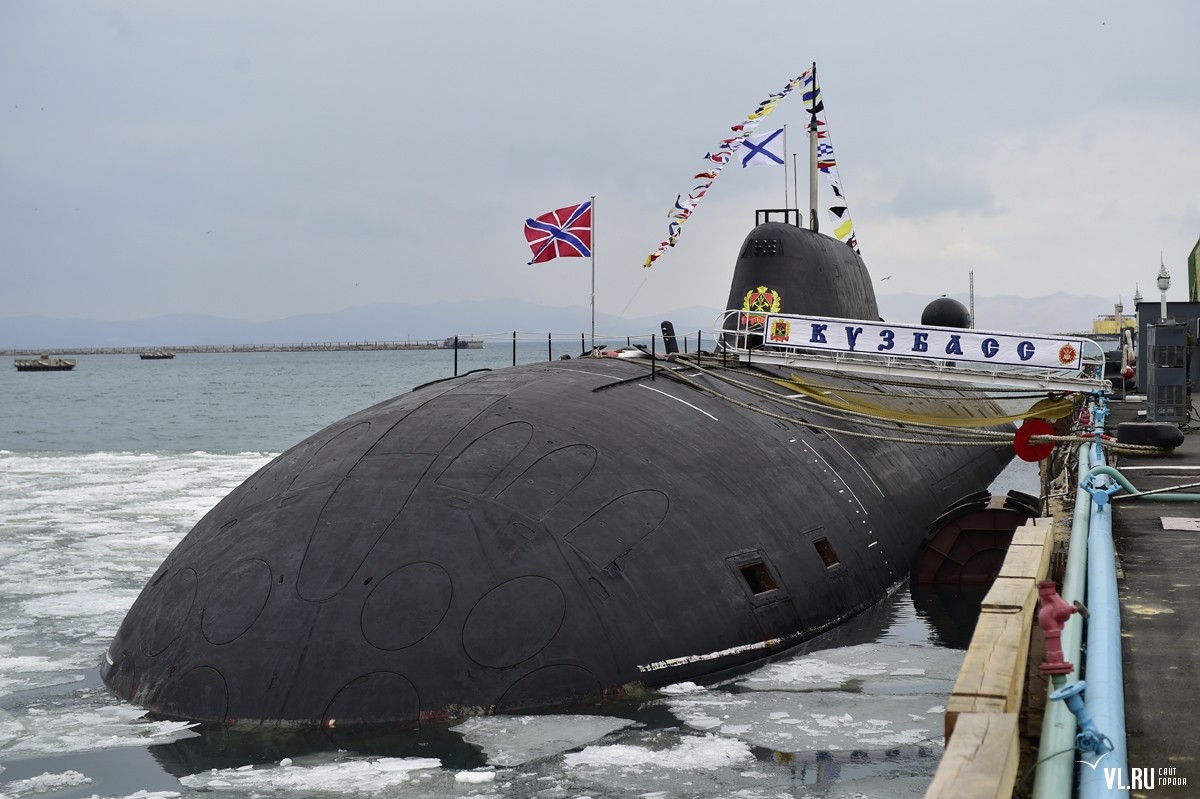
Military & Defense
Original Briefing
Seoul's Nuclear Sub Ambition Reshapes Regional Dynamics
South Korea has formally announced its intent to develop nuclear-powered submarines, with an aggressive timeline targeting initial launch by the mid-2030s and commissioning later that decade. This pivotal decision significantly elevates Seoul’s naval capabilities, marking a profound strategic shift in its approach to maritime defense and power projection. The move introduces a new dimension to regional security, directly impacting the balance of power in the contested Indo-Pacific.
This development unfolds amidst escalating geopolitical tensions, particularly concerning North Korea's evolving military posture and China's growing naval assertiveness. Seoul's pursuit of such advanced underwater platforms underscores a broader trend among regional powers seeking to enhance strategic deterrence and secure maritime interests through cutting-edge naval technology.
Key Intelligence Points
- South Korea’s government has publicly confirmed its strategic initiative to field nuclear-powered submarines by the late 2030s.
- The ambitious timeline anticipates the first vessel will be launched around the mid-2030s, moving towards operational status within years.
- This program represents a substantial investment in advanced propulsion and a significant leap in national naval capabilities for prolonged endurance.
- Seoul's acquisition of such strategic assets aims to bolster its underwater deterrence and expand its maritime operational reach.
- The initiative has the potential to fundamentally alter regional naval power dynamics, influencing defense strategies across the Indo-Pacific.
Advertisement
Intelligence Briefing
Why this matters: This initiative provides Seoul with a transformative leap in its strategic deterrence and long-range intelligence, surveillance, and reconnaissance capabilities. Nuclear submarines offer unparalleled stealth and endurance, complicating adversary anti-submarine warfare efforts and extending South Korea's operational influence far beyond its littoral waters. For regional security, it necessitates a recalibration of existing naval balances and a reassessment of strategic stability, potentially sparking further military modernization efforts among neighboring states.
Editorial Analysis
South Korea's commitment to nuclear-powered submarines represents a critical enhancement of its national security architecture, particularly in confronting persistent threats from North Korea and managing the broader strategic landscape dominated by China. The inherent advantages of nuclear propulsion – virtually unlimited range, sustained high speeds, and extended submerged operations – translate directly into superior deterrence, enhanced second-strike potential, and significantly improved maritime domain awareness. This capability will complicate adversaries’ tactical planning and force a reconsideration of their naval deployments, directly affecting the operational calculus for naval commanders throughout the region.
This move aligns with a broader trend of advanced naval modernization across the Indo-Pacific, notably following similar strategic decisions by nations like Australia through the AUKUS pact. It signals Seoul's determination to secure its sovereign interests in an increasingly volatile maritime environment, leveraging technological superiority to offset numerical disadvantages or geopolitical pressures. While elevating South Korea's status as a regional maritime power, this development also introduces new complexities concerning nuclear non-proliferation frameworks and the potential for an accelerated regional arms race, demanding careful diplomatic and strategic navigation.
📰