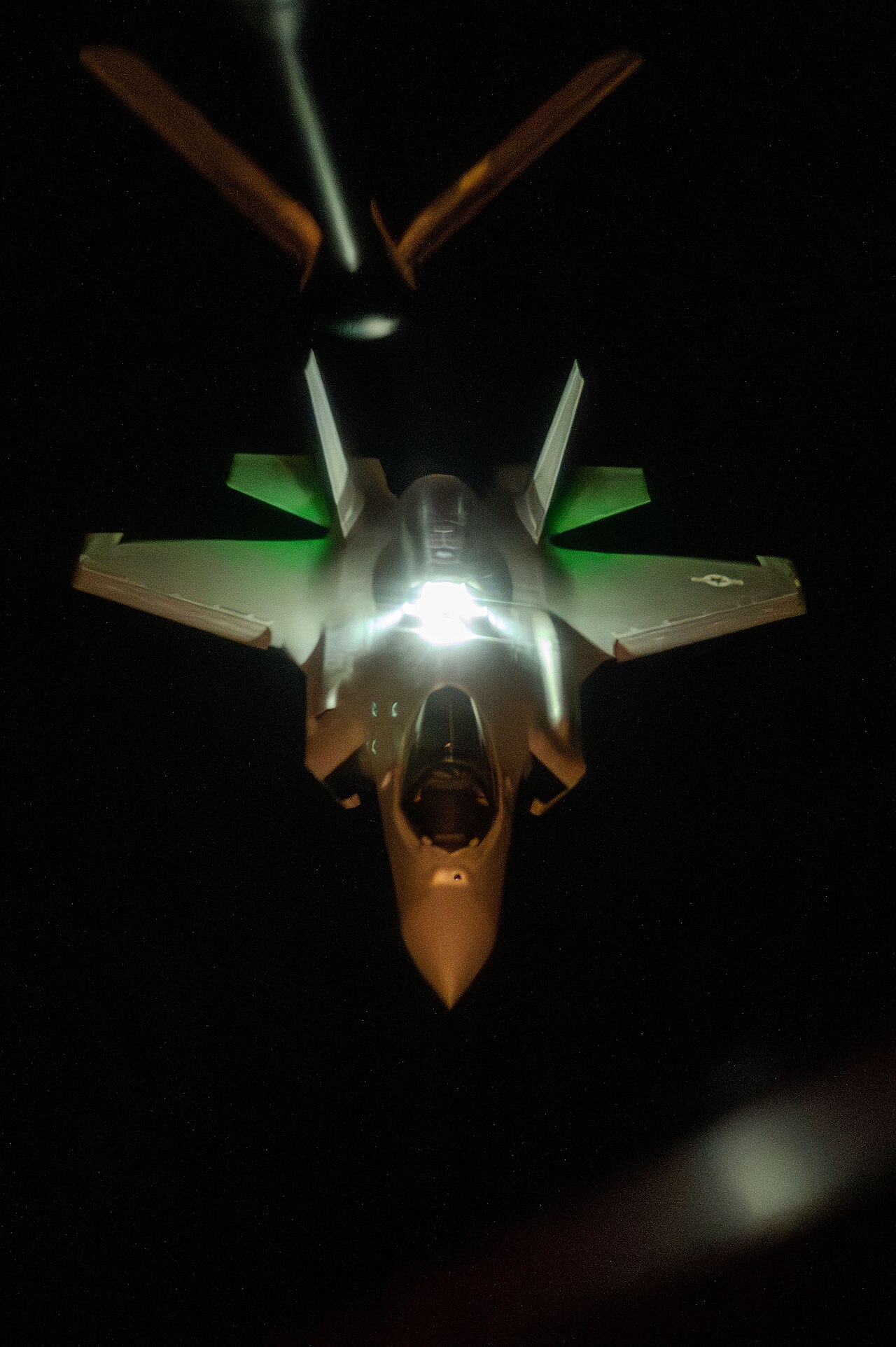
Hegseth urged Asian allies to ramp up military spending to counter China’s growing power.

Military & Defense
Original Briefing
Pentagon Urges Asian Allies to Boost Defense Spending
The Pentagon's top official has issued a stark warning regarding China's accelerating military modernization, calling upon key Asian partners to significantly increase their defense expenditures. This directive underscores a growing strategic imperative to rebalance power dynamics in the Indo-Pacific and ensure regional stability amidst escalating competition. The urgency reflects concerns about China's expansive naval capabilities, advanced missile systems, and emerging cyber-warfare capacities that pose direct challenges to existing security frameworks.
This appeal places renewed emphasis on collective security and burden-sharing, positioning national defense budgets as critical instruments in managing broader geopolitical risks. It highlights a pivotal moment where traditional deterrence strategies are being re-evaluated against the backdrop of an evolving and technologically sophisticated threat landscape.
Key Intelligence Points
- U.S. defense leadership advocated for Asian allies to bolster their military investments.
- The call directly addresses the imperative to counteract China's expanding influence and capabilities.
- Emphasizes the critical role of increased spending in maintaining Indo-Pacific regional security.
- Signifies a strategic effort to encourage greater allied participation in collective defense postures.
- The push indicates growing concern over the pace and scale of China's force development.
Advertisement
Intelligence Briefing
This directive signifies an operational shift towards enhanced regional self-sufficiency, demanding that allied nations internalize a greater share of the security burden. For IT security professionals, it implies increased funding for advanced cyber defenses and intelligence sharing mechanisms to protect new defense assets and networks. Strategically, it's a clear signal that existing deterrence postures are insufficient, requiring robust investment to counter China's multi-domain expansion and prevent a potential power vacuum.
Editorial Analysis
The strategic significance of this call to action cannot be overstated. Affected parties range from Japan and South Korea to Australia and potentially Southeast Asian nations, all of whom face direct or indirect security implications from China's expanding reach. The threat isn't merely conventional; China's robust investment in cyber espionage, anti-access/area denial (A2/AD) capabilities, and hybrid warfare tactics profoundly alters the operational landscape. Increased allied spending would theoretically fund advanced integrated air and missile defense systems, enhanced naval power projection, and critical cyber resilience infrastructure, thereby raising the cost of any potential aggression and strengthening regional deterrence.
This initiative also aligns with a broader trend of great power competition, reminiscent of Cold War-era strategic alignments. Historically, periods of rapid military expansion by one power often compel neighboring states and rivals to boost their own defenses, creating an arms race dynamic. The longer-term implication for the security community is a potentially more complex and militarized Indo-Pacific, demanding unprecedented levels of interoperability, intelligence sharing, and defensive innovation among allies, alongside significant challenges for cybersecurity teams tasked with protecting an expanding array of interconnected military systems.
📰