The service announced the delivery of the Qatari-donated aircraft to Joint Base Andrews on Friday and the kickoff of its commissioning flights.
Military & Defense
Original Briefing
New Air Force One Begins Final Readiness Flights
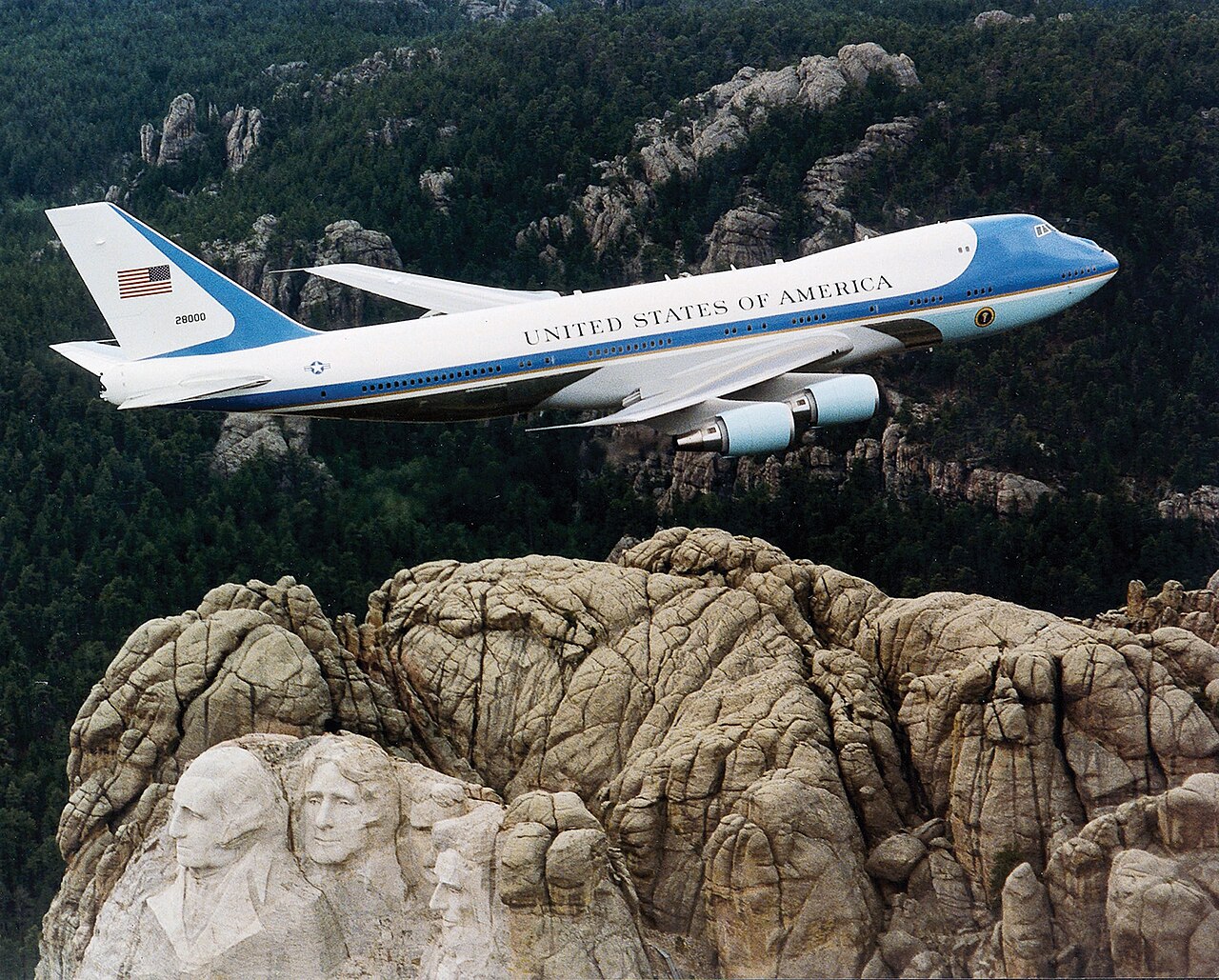
The commissioning flights for the latest iteration of the presidential transport aircraft, colloquially known as Air Force One, have officially commenced. This critical milestone represents the final preparatory phase before the sophisticated platform enters full operational service, signifying a significant upgrade in national strategic assets. The aircraft, reportedly delivered to Joint Base Andrews following an international donation, is now undergoing rigorous evaluation to validate its myriad secure communication, defensive, and operational systems.
This development underscores the United States' continuous investment in maintaining resilient and secure command-and-control capabilities for its highest office. It also highlights the intricate intersection of defense acquisition, diplomatic relations, and advanced technological integration within the broader national security landscape.
Key Intelligence Points
- The new presidential transport aircraft has formally initiated its comprehensive commissioning flight schedule.
- This operational testing phase is the critical final step preceding its full readiness for White House mission requirements.
- The aircraft's arrival at Joint Base Andrews marked the start of an extensive evaluation protocol.
- Reportedly acquired through an international donation, this platform represents a substantial fleet modernization.
- Commissioning flights are designed to validate the intricate integration of its advanced communication, defensive, and operational systems.
Advertisement
Intelligence Briefing
The deployment of a new presidential aircraft fundamentally alters the operational calculus for high-value asset protection. Integrating advanced defensive countermeasures and sophisticated communication arrays introduces both expanded capabilities for secure global reach and new vectors for cyber-physical security challenges. For policymakers and defenders, ensuring the impenetrable resilience of these critical national platforms against state-sponsored and sophisticated non-state actor threats is paramount, directly influencing strategic planning, doctrine, and resource allocation.
Editorial Analysis
The commissioning process for a platform of this magnitude is far more than a simple flight test; it is an intensive verification and validation exercise for a highly complex C4ISR (Command, Control, Communications, Computers, Intelligence, Surveillance, and Reconnaissance) ecosystem. This advanced airborne command center directly underpins the continuity of government and the global projection of presidential authority, affecting not only the executive branch and supporting agencies but also allied forces relying on unimpeded strategic command. The aircraft's capabilities extend to enabling secure communications and decision-making in contested or hostile environments, demanding state-of-the-art cyber defenses against persistent and evolving state-sponsored threats to its operational integrity and data security.
This modernization effort is indicative of a broader strategic trend toward continually upgrading and hardening national strategic assets in response to an increasingly sophisticated threat environment, ranging from advanced persistent cyber threats to evolving air defense systems. Historically, presidential aircraft have always served as technological bellwethers, incorporating leading-edge security innovations; this new iteration likely integrates critical lessons learned from decades of operational intelligence and emerging threat vectors. Its successful integration into service sets a new benchmark for secure executive transport and will undoubtedly influence future designs for other high-level government or military command platforms globally.
📰