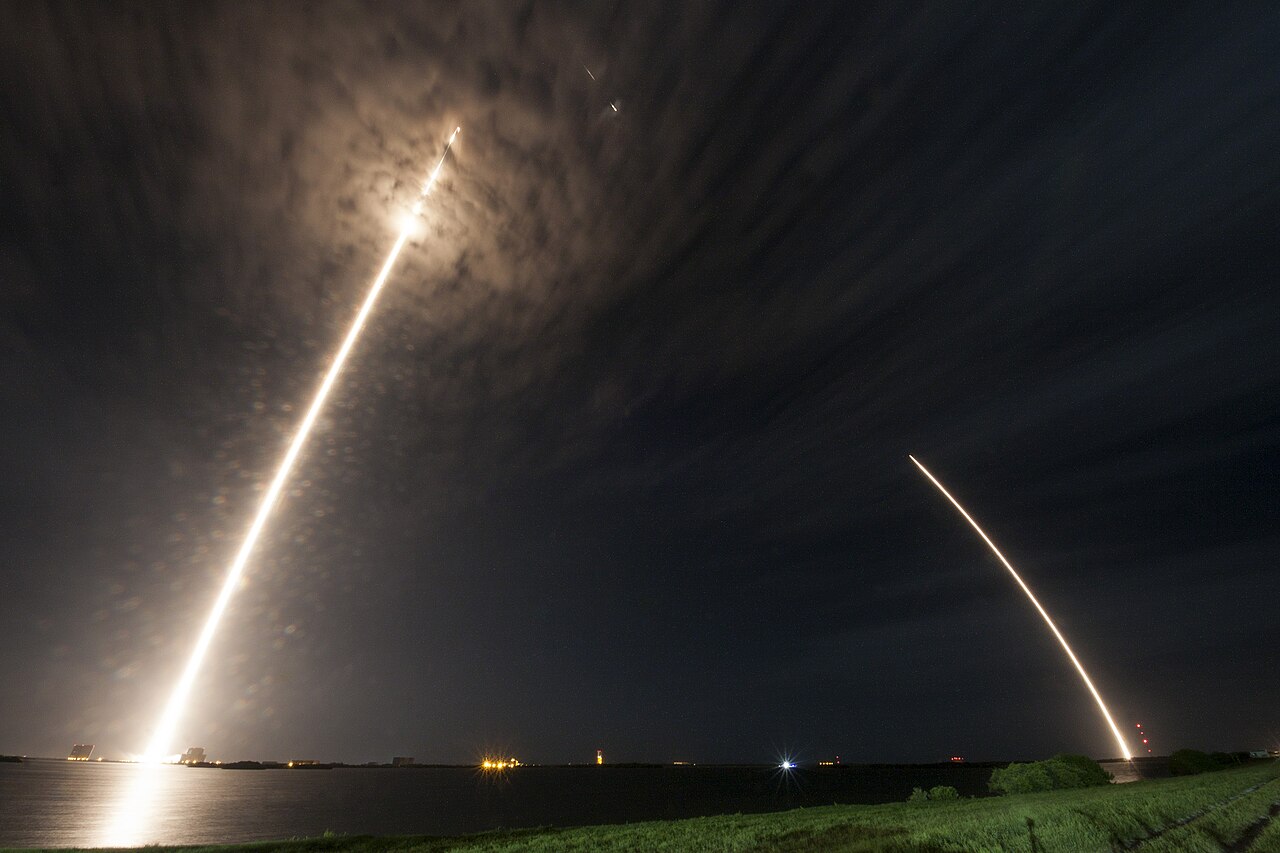
The full cost of the conflict, which the U.S. launched alongside Israel on Feb. 28, has remained an open question on Capitol Hill.
Military & Defense
Original Briefing
Iran Conflict: Pentagon Demands $80B, Reshaping Defense Budgets
The Department of Defense has formally notified lawmakers of an urgent requirement for approximately $80 billion to fund ongoing military operations against Iran and cover associated expenditures. This substantial financial request underscores the escalating commitments tied to the joint U.S. and Israeli military campaign, which commenced in late February. The demand highlights the immense resources necessary for sustained combat operations and regional force posture.
This significant budgetary ask surfaces amidst broader geopolitical volatility, particularly in the Middle East, and reflects the increasing strain on national defense budgets. The long-term implications of such protracted engagements are critical for global security frameworks and the strategic allocation of military resources.
Key Intelligence Points
- The Pentagon recently informed congressional representatives about a substantial funding requirement for operations in the Middle East.
- This $80 billion request is designated to cover the costs of the conflict with Iran and other related military expenses.
- The U.S. initiated its involvement in the conflict alongside Israel on February 28, signifying a concerted strategic effort.
- The overall financial burden of this engagement has been a persistent point of inquiry among Capitol Hill legislators.
- This funding demand underscores the considerable and ongoing resource allocation needed for sustained regional military presence.
Advertisement
Intelligence Briefing
Why this matters: This significant financial outlay signals a projected long-term commitment to the Iran conflict, diverting critical resources from other strategic priorities such as Indo-Pacific readiness or advanced cyber defense initiatives. It necessitates a thorough re-evaluation of current operational tempos and future force structure, potentially impacting modernization pipelines. For policymakers, this forces difficult budgetary decisions, balancing immediate regional stability against enduring global security challenges.
Editorial Analysis
The Pentagon's substantial funding appeal for the Iran conflict carries profound strategic and technical significance for U.S. defense posture and its allies. This request implies a sustained and multifaceted operational commitment, likely encompassing air and naval power projection, advanced intelligence, surveillance, and reconnaissance (ISR) capabilities, as well as robust logistical support and force protection measures. Such an investment not only indicates the intensity of the current engagement but also suggests a readiness for potential escalation, impacting strategic planning across all military branches and potentially affecting resource allocation for other theaters of operation, including competition with near-peer adversaries.
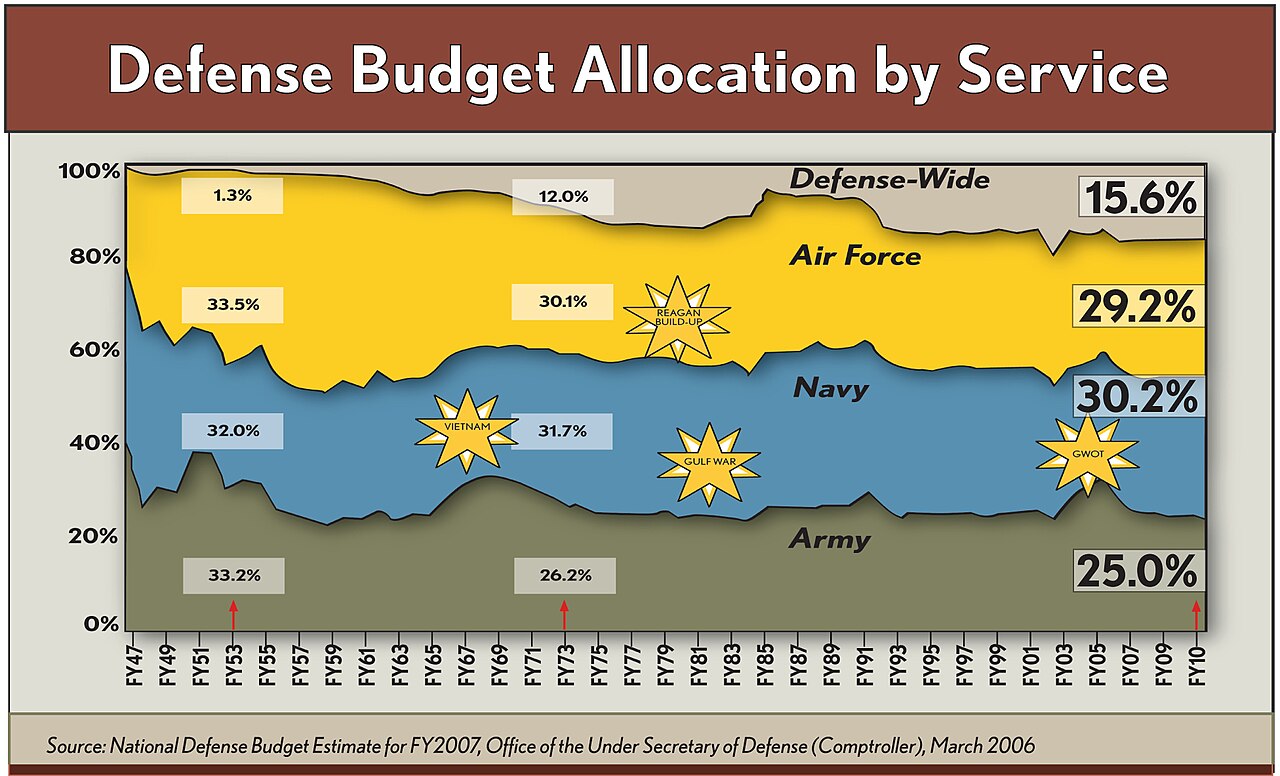
Historically, the financial demands of protracted conflicts have profoundly shaped U.S. defense policy, often leading to difficult trade-offs between current operational needs and future modernization efforts. This trend of escalating costs for regional engagements, coupled with the need to maintain technological superiority and global readiness, presents a complex challenge for the security community. Experts will analyze how this budgetary allocation might affect the long-term development of emerging technologies, cybersecurity infrastructure, and the ability to project power effectively across diverse global landscapes.
📰