Officials say the smaller footprint reflects operational realities rather than waning commitment.
Military & Defense
Original Briefing
NATO's Baltic Drills Downsize: Operational Realities Drive Shift
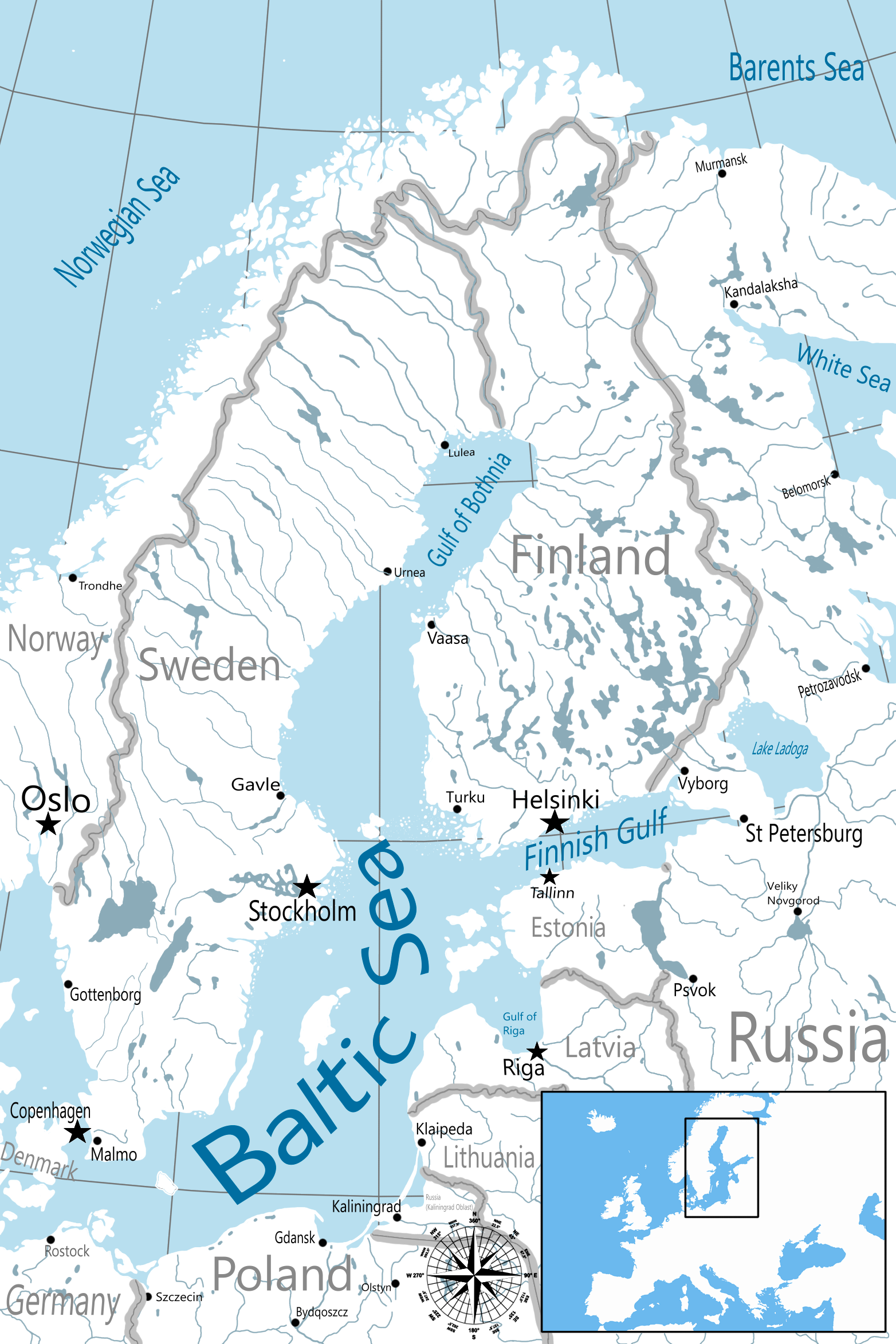
US and NATO allies are set to conduct scaled-back military exercises in the Baltic Sea, a decision officials attribute not to a reduction in strategic commitment but to prevailing operational realities. This adjustment underscores a pragmatic approach to force readiness in a critical geopolitical theater, directly impacting the collective defense posture of member states bordering Russia. The drills, while smaller in footprint, remain crucial for maintaining interoperability and deterrence capabilities in a contested maritime domain.
This strategic recalibration occurs amidst an elevated security environment across Europe, particularly following recent geopolitical shifts in Eastern Europe. It reflects a broader trend of optimizing military resources, ensuring continuous operational readiness and resource allocation in response to persistent regional threats and ongoing global commitments.
Key Intelligence Points
- US and NATO allies will execute smaller-scale military exercises within the strategic Baltic Sea region.
- The reduction in exercise scope is explicitly linked to current operational demands, not declining commitment.
- Participating nations aim to sustain vital interoperability despite the adjusted exercise footprint.
- This operational shift may reflect a reallocation of resources to other high-priority security theaters or ongoing missions.
- The Baltic Sea remains a critical area for alliance deterrence and rapid response capabilities.
Advertisement
Intelligence Briefing
Why this matters: This operational adjustment signals a strategic pivot by NATO, balancing large-scale demonstrations with the sustained demands of a dynamic security landscape. For defenders and policymakers, it necessitates a deeper understanding of how readiness is maintained through more focused, potentially less visible, exercises. It underscores a shift towards optimizing rather than simply maximizing resource deployment, influencing regional deterrence strategies and long-term force planning against evolving threats.
Editorial Analysis
The decision to conduct scaled-back Baltic Sea drills represents a nuanced strategic adaptation within NATO, moving beyond mere symbolic shows of force towards a more efficient allocation of resources and training objectives. This isn't a weakening of resolve but rather a re-prioritization of operational tempo, potentially allowing forces to sustain longer deployments, engage in more focused, high-value training, or address active security requirements elsewhere. For the Baltic states, this shift might necessitate an even stronger emphasis on distributed defense and cyber resilience, understanding that large-scale physical presence might be modulated by ongoing exigencies. The shift affects not only military planners but also national security researchers assessing the evolution of deterrence in the context of persistent, diffuse threats.
This pragmatic adjustment aligns with a broader post-2022 trend of optimizing alliance resources in a high-demand environment, where sustained support and vigilance across multiple fronts are paramount. Expert analysis suggests this move indicates a maturation of NATO's operational planning, favoring agility and sustained readiness over periodic large-scale exercises that might temporarily strain resources. It highlights a critical evolution in how modern alliances maintain deterrence and interoperability in an era characterized by continuous, rather than episodic, security challenges.
📰