"For much of the last three decades, NATO has operated on the assumption that allied security cannot be defined solely by geography."
Military & Defense
Original Briefing
NATO in Hormuz: Strategic Imperative, Not Mission Creep
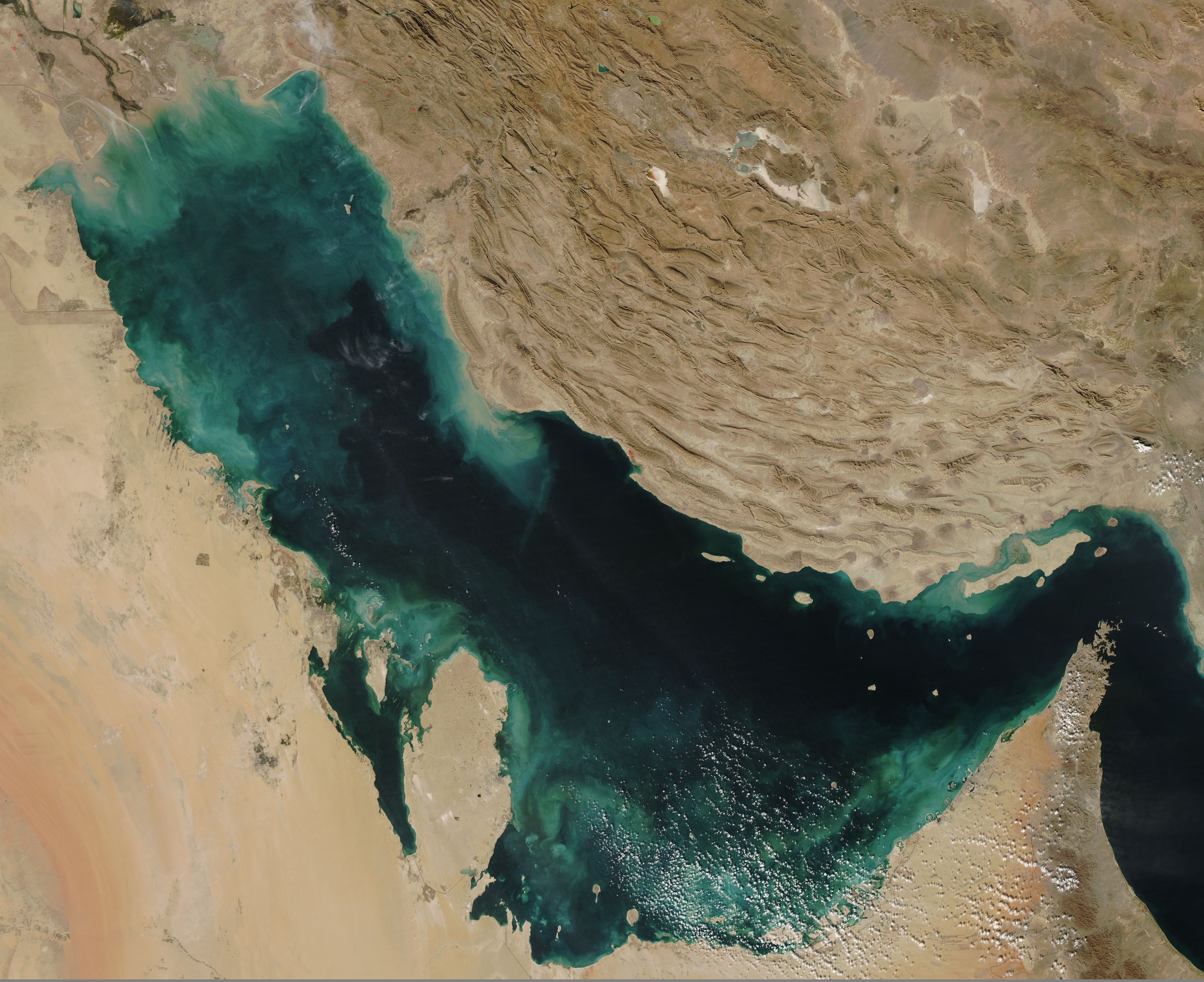
Discussions are intensifying regarding NATO's expanding operational purview, specifically concerning the strategic waters of the Strait of Hormuz. This potential eastward pivot underscores a re-evaluation of the alliance's fundamental security perimeter, moving beyond its traditional European and North American boundaries. Such an engagement would directly address critical maritime security vulnerabilities and safeguard vital global energy transit routes against potential disruption. This strategic shift reflects a growing recognition that contemporary security challenges are inherently transnational, demanding a more comprehensive and globally integrated defensive posture from major alliances like NATO.
Key Intelligence Points
- NATO's strategic doctrine has broadened significantly over the past three decades, acknowledging that allied security extends beyond purely geographical definitions.
- Potential involvement in the Strait of Hormuz aligns with this evolved understanding, recognizing global maritime chokepoints as integral to collective defense.
- Securing critical international shipping lanes, particularly for energy transit, directly mitigates economic and stability risks for member states.
- This proactive posture aims to counter destabilizing factors and protect global commerce against a range of contemporary state and non-state threats.
- Engaging beyond the traditional European theater is framed as a necessary extension of defense, not an unprecedented operational expansion.
Advertisement
Intelligence Briefing
This strategic reorientation fundamentally alters threat mapping and resource allocation for member nations, compelling a broader understanding of defense perimeters. Policymakers must now integrate global maritime security into core strategic planning, acknowledging the interconnectedness of energy, trade, and regional stability with allied defense. This necessitates enhanced intelligence sharing, adaptable logistics, and potentially new cyber defense paradigms for distant operations.
Editorial Analysis
A NATO presence in the Strait of Hormuz signifies a crucial evolution in global power projection and strategic deterrence. Such a deployment directly impacts regional maritime security dynamics, affecting energy markets, trade routes, and the security calculus of Gulf states, as well as Iran. The capability centers on maintaining freedom of navigation, deterring malign state and non-state actors, and safeguarding economic lifelines through integrated naval operations and robust intelligence, surveillance, and reconnaissance (ISR) efforts. This shifts the operational focus for some allied forces beyond their traditional areas of responsibility, demanding advanced interoperability and logistical resilience.
This trajectory aligns with NATO's post-Cold War adaptation, where conventional collective defense increasingly intertwined with out-of-area operations addressing terrorism, piracy, and energy security. The trend points towards major alliances assuming broader global responsibilities, demanding sophisticated logistical support, enhanced multinational interoperability, and robust cyber resilience to secure distributed assets and intelligence networks far from home territories. This ongoing transformation redefines the scope and nature of modern alliance commitments.
📰