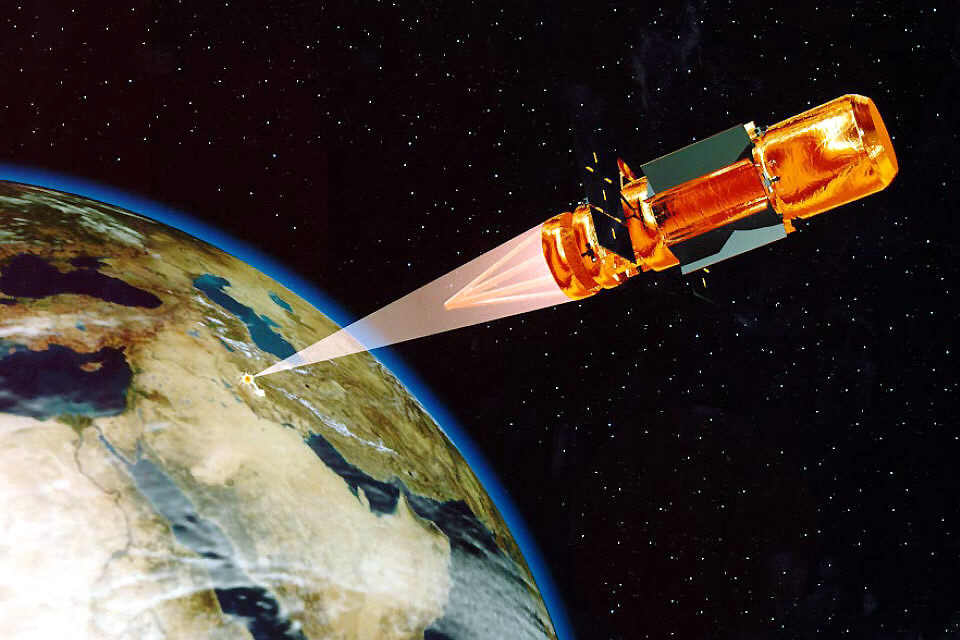
Drone technology is “a couple of steps ahead” of countermeasures, one officer said, with interceptors having to work every time to prevent losses.
Military & Defense
Original Briefing
Europe's Counter-Drone Gap: NATO Trials Reveal Evolving Threat
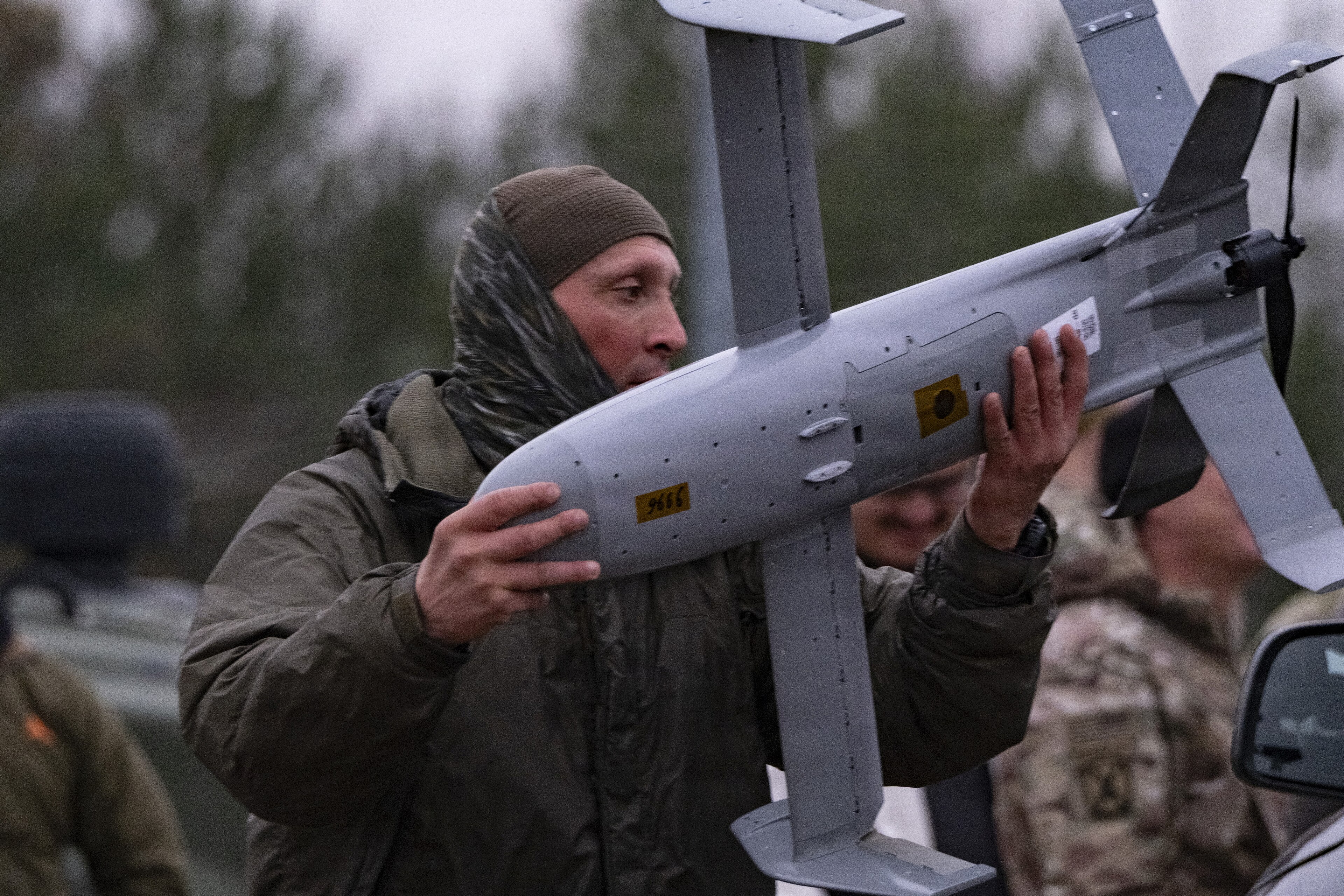
Recent exercises at a NATO facility in Latvia have highlighted a critical vulnerability: the current pace of counter-drone technology development lags significantly behind the rapid evolution of offensive uncrewed aerial systems (UAS). This immediate disparity poses a substantial challenge for allied forces, potentially compromising tactical engagements and exposing crucial assets to sophisticated, low-cost threats. The trials involved various anti-UAS systems attempting to neutralize advanced drone incursions, revealing an urgent need for enhanced defensive capabilities.
This evolving landscape underscores a broader strategic concern across Europe and beyond, where state and non-state actors are increasingly leveraging accessible, multi-functional drone platforms. The unchecked proliferation and technological advancement of these systems are reshaping doctrines of air superiority and force protection, demanding a profound reassessment of defensive postures by established militaries.
Key Intelligence Points
- Advanced drone capabilities currently outpace the defensive systems designed to neutralize them, creating an operational gap.
- Recent NATO trials in Latvia exposed significant vulnerabilities in existing anti-drone defenses against modern UAS threats.
- Effective counter-drone operations demand near-perfect intercept success rates to prevent substantial losses and operational disruptions.
- The rapid proliferation and sophistication of uncrewed aerial systems present an increasingly complex challenge for allied forces.
- European militaries face immediate pressure to develop and deploy more robust and agile solutions against drone incursions.
Advertisement
Intelligence Briefing
Why this matters: This technological imbalance fundamentally alters tactical engagements and strategic planning for NATO and its allies. It exposes a critical operational gap where even a single drone success can lead to disproportionate damage, intelligence loss, or reputational harm. Defense planners must now prioritize resilient, multi-layered C-UAS systems capable of continuous adaptation, rather than relying on static, less agile solutions to protect personnel, critical infrastructure, and high-value assets.
Editorial Analysis
The disclosed challenges directly impact NATO's ability to protect forward-deployed assets, logistical chains, and critical national infrastructure from asymmetric and hybrid threats. Modern uncrewed aerial systems often leverage autonomy, swarming capabilities, and electronic warfare resistance, making them exceptionally difficult to detect, track, and engage with traditional or even nascent counter-UAS platforms. This reality fundamentally shifts the operational calculus, forcing military planners to reconsider established force protection and base defense strategies, as even low-cost drones can inflict significant tactical setbacks and psychological impacts. The technical gap primarily lies in the speed and sophistication of sensor-to-effector chains and the agility of defensive measures against rapidly evolving drone behaviors and payloads.
Historically, the defender has often struggled to keep pace with novel offensive technologies, from the early days of aviation to the proliferation of improvised explosive devices. This current dynamic reflects that persistent pattern, but it is amplified by the readily available commercial drone technology adaptable for military use, democratizing a once-exclusive domain. The long-term implication for the security community is a continuous arms race in the lower airspace, demanding greater investment in AI-driven identification, directed energy weapons, and robust electronic countermeasures. This necessitates fostering closer civilian-military collaboration to track and mitigate the supply chain risks associated with these pervasive dual-use technologies.
📰