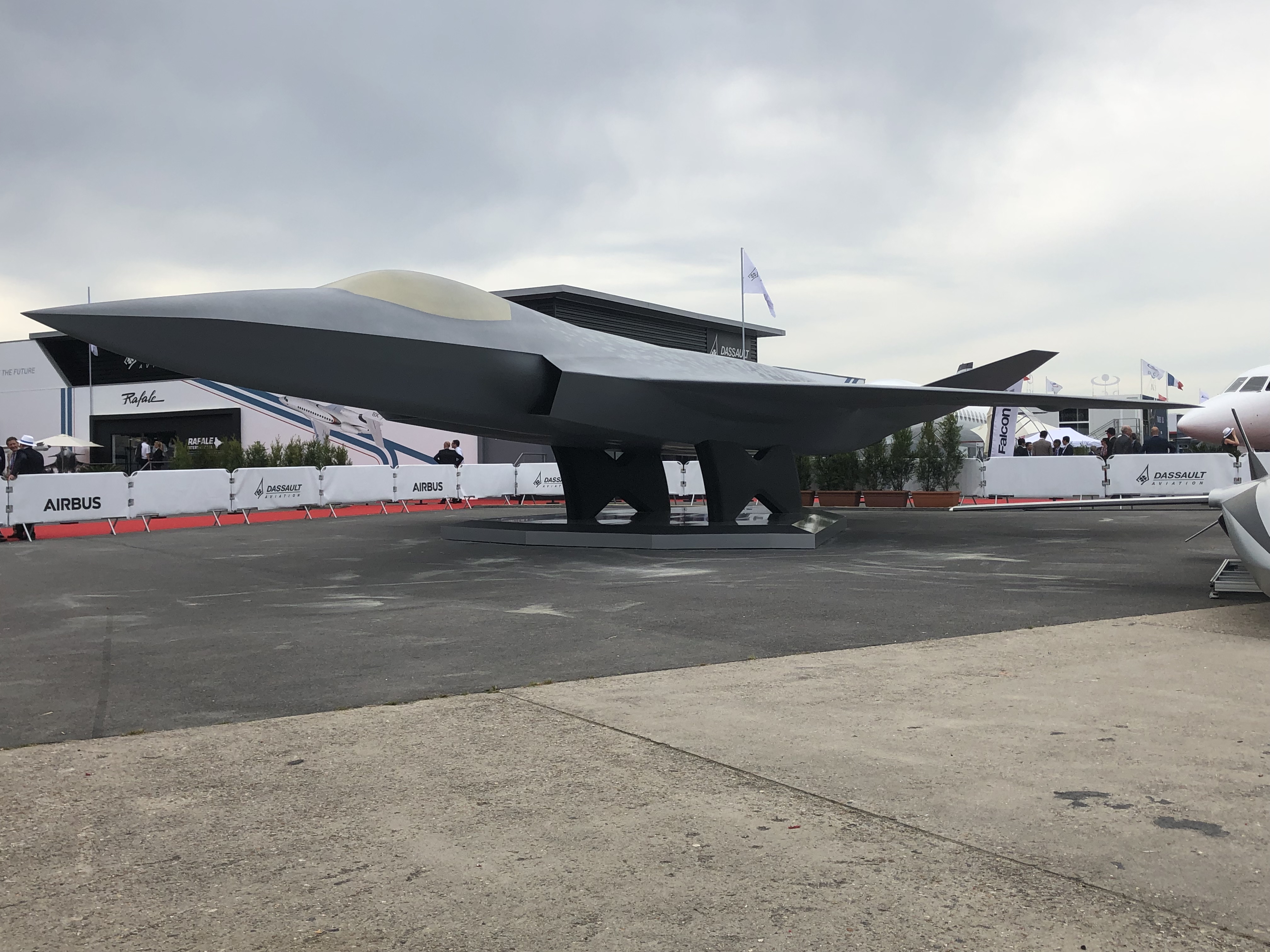
A flagship European defense collaboration, the Future Combat Air System (FCAS), has reportedly been terminated, marking a significant setback for continental military integration. This multi-billion euro Franco-German-Spanish project aimed to develop a next-generation fighter aircraft and associated systems to replace current fleets from 2040. The collapse stems from persistent industrial disagreements, signaling deep rifts within key European defense manufacturers.
This development underscores the inherent complexities of multinational defense procurement, especially when attempting to synchronize advanced technological development with diverse national interests. It also raises questions about Europe's ambition for strategic autonomy in a rapidly evolving global security landscape.
MILAN — The Franco-German-Spanish Future Combat Air System (FCAS) has collapsed following the failure of industrial mediation between Dassault and Airbus on several issues, multiple reports said Monday.
According to information reported by Der Spiegel, Reuters, the Financial Times and others, the German and French governments have agreed to terminate the flagship program intended to replace the countries’ Eurofighter and Rafale aircraft starting from 2040. Reports indicate the final decision was made by the German side.
However, as noted by the Financial Times, German Chancellor Friedrich Merz has proposed that the partner nations continue to jointly develop the so-called combat cloud communication network. Once integrated, this software architecture would act as the driving force of the project, connecting sensors, radars, drones and other components.
The viability of additional FCAS components, including drones and engines acting independently of the core crewed aircraft, remains uncertain. Requests for comment to the French and German governments were not immediately returned.
Since its launch in 2017, the €100 billion project has encountered a number of setbacks. The long-standing issues between French company Dassault and Airbus have centered primarily around project leadership, workshare distribution, and conflicting perspectives on the future jet’s design.
Editorial Analysis
The FCAS program's reported demise represents a profound strategic setback for European defense autonomy and its ambition to field a truly integrated, next-generation combat air system. Beyond a single aircraft, FCAS envisioned a sophisticated ecosystem of crewed platforms, unmanned assets, and a data-centric "combat cloud" designed for superior battlespace awareness and coordinated action. This failure directly impacts the long-term air power capabilities of France, Germany, and Spain, compelling them to rapidly reassess their future procurement and industrial strategies. It also severely tests the political will for large-scale, complex defense collaborations across the continent.
Historically, multinational European defense initiatives have often navigated treacherous political and industrial currents, with the Eurofighter program itself demonstrating early challenges. This FCAS outcome signals a persistent difficulty in reconciling national industrial champions and sovereign requirements with the efficiencies of integrated development. The longer-term implications suggest either a renewed push for more agile, smaller-scale collaborations or an increased inclination for individual nations to pursue domestic projects or align with established non-European defense partners.