This week on the Break Out, Editor-in-Chief Aaron Mehta and Navy reporter Diana Stancy discuss the implications of an unmanned surface vessel set to deploy with the Theodore Roosevelt aircraft carrier strike group. Then they recap why US Marines just said farewell to an aircraft that was a hallmark of late-20th century American airpower.
Military & Defense
Original Briefing
Carrier Strike Group Embraces Drone; Harrier Era Ends
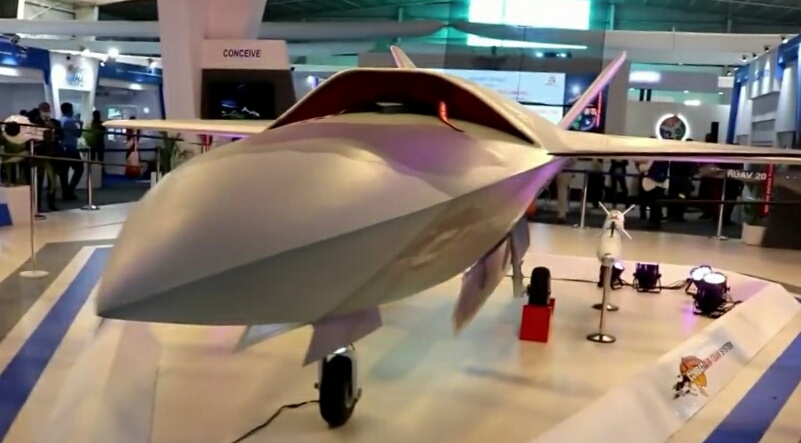
The US Navy is poised for a significant operational shift as an unmanned surface vessel is set to deploy with the Theodore Roosevelt aircraft carrier strike group. This landmark integration marks a critical step in validating autonomous capabilities within high-value naval formations, demonstrating a proactive approach to evolving maritime warfare. The deployment provides concrete context for how advanced unmanned systems will operate alongside traditional naval assets, influencing future tactical and strategic doctrine.
This development unfolds against a backdrop of global military modernization, where nations are increasingly investing in autonomous technologies to project power and maintain strategic advantage. It underscores a broader technological trend within the defense sector to leverage AI and robotics for enhanced operational efficiency and reduced human risk in contested environments, reshaping the future of naval engagement.
Key Intelligence Points
- The US Navy is integrating an unmanned surface vessel into the Theodore Roosevelt Carrier Strike Group's upcoming deployment, signaling a major operational shift.
- This proactive deployment validates autonomous system utility within complex naval formations, shaping future doctrine for maritime power projection.
- Simultaneously, the US Marine Corps is concluding operations for its AV-8B Harrier II fleet, retiring a hallmark late-20th century combat aircraft.
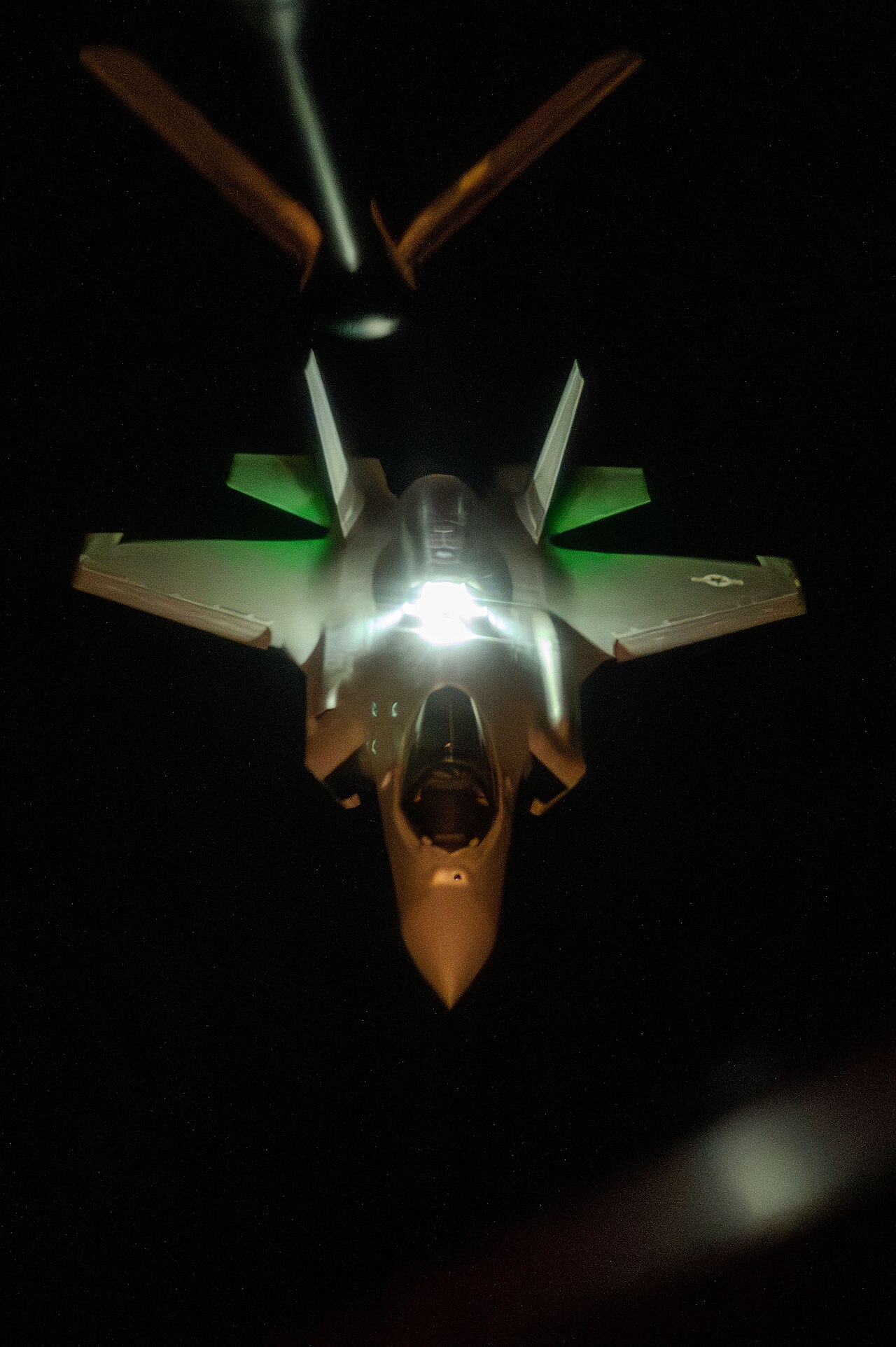
- The Harrier's decommissioning represents a continued modernization, transitioning to advanced platforms like the F-35B for enhanced expeditionary capabilities.
- These developments underscore a strategic pivot across US forces towards integrating autonomous systems and advanced fifth-generation airpower assets.
Advertisement
Intelligence Briefing
Integrating an unmanned surface vessel into a carrier strike group fundamentally alters naval risk calculus, enabling persistent ISR or direct engagement in high-threat environments while reducing human exposure. This concurrent pivot away from legacy platforms like the Harrier signifies a profound commitment to force modernization, emphasizing networked, stealth-enabled autonomous capabilities. For defenders, it mandates adapting cyber-physical security protocols for these evolving attack surfaces, alongside leveraging them for strategic advantage.
Editorial Analysis
The strategic implications of integrating an unmanned surface vessel (USV) with a carrier strike group are profound, signaling a new era for naval power projection in contested maritime spaces. These autonomous platforms can serve as advanced scouts, decoys, or distributed sensor nodes, significantly extending the carrier's reach and situational awareness without exposing human crews to undue risk. Concurrently, the US Marine Corps' transition from the AV-8B Harrier II to fifth-generation platforms like the F-35B streamlines logistics and enhances interoperability, trading the Harrier’s unique vertical takeoff and landing (VTOL) niche for superior stealth, sensor fusion, and networked combat capabilities. This dual shift fundamentally alters the operational playbook, emphasizing distributed lethality and information dominance across the battlespace.
This modernization push aligns with a broader global trend towards integrating advanced robotics and artificial intelligence into military operations, reflecting a strategic imperative to maintain a technological edge against near-peer adversaries. Historically, such fleet transformations, from sail to steam or propeller to jet, have reshaped naval doctrine and global power balances. The current trajectory points towards a future where human-machine teaming becomes central to combat effectiveness, demanding robust cybersecurity defenses for autonomous assets and flexible operational frameworks to harness their full potential. Experts anticipate increased investment in secure data links and resilient C2 architectures as these unmanned systems become integral to future force structures.
📰