The Army should treat drones like ammo, one officer said, estimating a brigade needs between 1,000 to 1,500 drones per week in sustained combat operations.
Drones & Autonomous
Original Briefing
101st Pioneers Drone-Enabled Wire Breaching Tactics
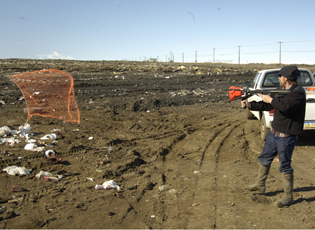
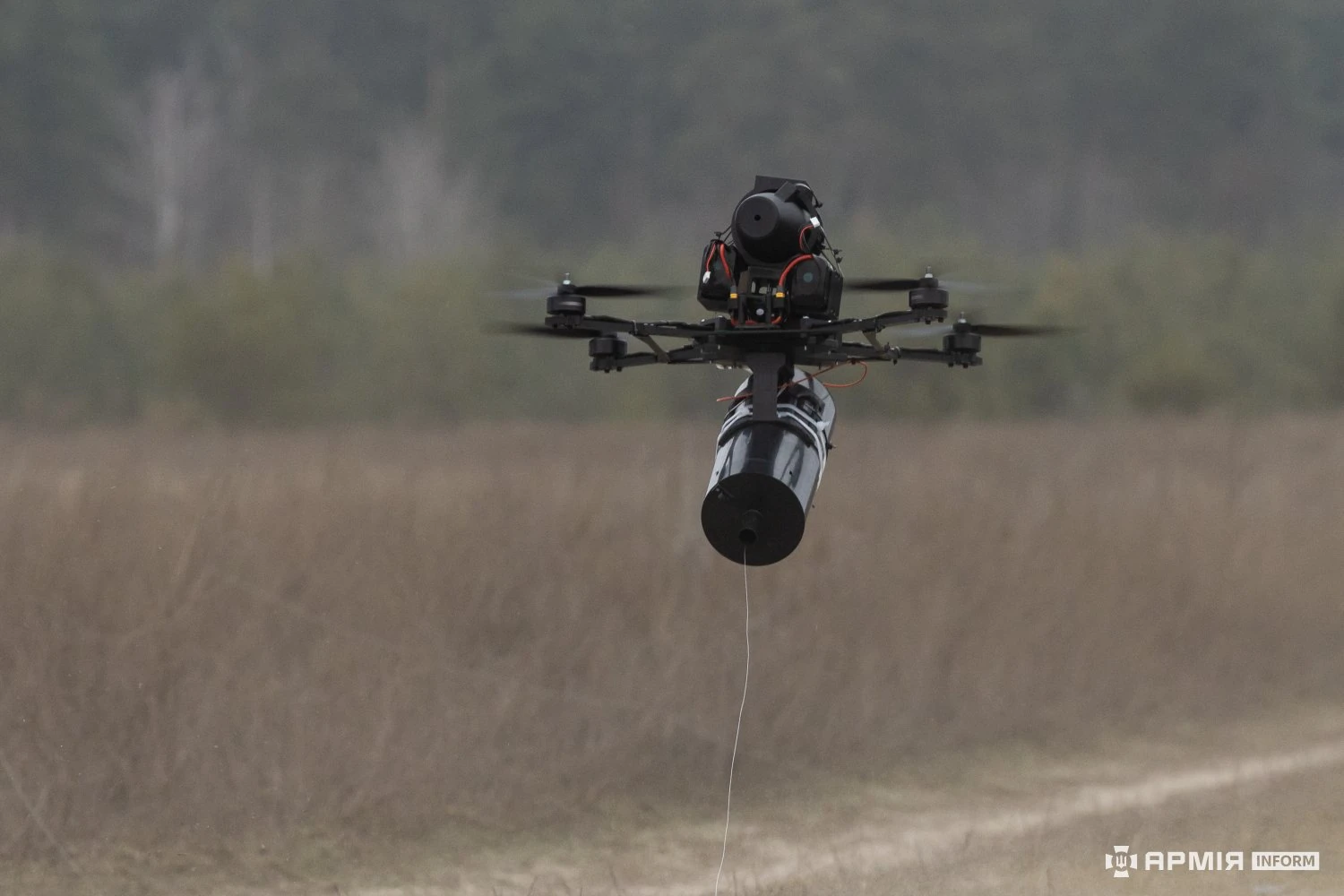
Elements of the U.S. Army's 101st Airborne Division have successfully demonstrated a novel method for battlefield obstacle reduction, employing small unmanned aerial systems (UAS) to deliver grappling hooks and breach razor wire barriers. This innovative tactical application significantly enhances soldier safety and operational tempo by enabling remote neutralization of common defensive obstacles. The exercise highlights a crucial evolution in infantry and engineering capabilities, transforming how forces can approach fortified positions.
This development underscores a broader trend of rapid, decentralized technological integration within modern military operations, where readily available commercial or near-commercial systems are quickly adapted for critical combat roles. It reflects a strategic imperative to leverage cost-effective, disposable assets to mitigate risks to personnel and gain tactical advantages in complex threat environments.
Key Intelligence Points
- The 101st Airborne Division effectively utilized small unmanned aerial systems to neutralize razor wire obstacles.
- Drones were adapted to precisely deploy grappling hooks, demonstrating a new method for remote breaching.
- This tactic dramatically reduces direct exposure of personnel to hazardous obstacle zones on the battlefield.
- A military officer likened the operational necessity of drones to that of conventional ammunition, indicating their evolving role as consumables.
- Estimates suggest a brigade-level formation might require upwards of a thousand or more unmanned systems weekly during sustained combat engagements.
Advertisement
Intelligence Briefing
Why this matters: This tactical innovation fundamentally alters conventional breaching doctrine, offering a significantly safer, faster, and potentially more stealthy alternative to manual methods. For defenders, it necessitates a reevaluation of force protection strategies against airborne threats and adaptive breaching, demanding more sophisticated countermeasures beyond traditional physical barriers. For offensive forces, it unlocks new avenues for rapid assault and infiltration, potentially reducing casualties and accelerating mission timelines by bypassing high-risk areas.
Editorial Analysis
This demonstration by the 101st Airborne signifies a critical juncture in the evolution of ground combat tactics, particularly for overcoming fortified positions. The ability to deploy grappling hooks via small UAS transforms a high-risk, time-consuming task—traditionally undertaken by specialized combat engineers under direct fire—into a remotely executed operation. This innovation directly impacts adversary defensive strategies, forcing a reconsideration of static obstacle effectiveness and the required layered defenses. It represents a potent force multiplier, allowing commanders to preserve highly trained personnel while maintaining offensive momentum in contested environments.
Historically, breaching operations have been among the most hazardous facets of warfare, demanding significant resources and often incurring heavy casualties. This drone-enabled approach echoes the broader trend of robotics and automation taking on the "dull, dirty, and dangerous" tasks on the battlefield. It parallels the rapid integration of commercial off-the-shelf drone technology observed in recent conflicts, illustrating how readily available platforms are being creatively adapted for bespoke military applications, thereby compressing the traditional defense acquisition cycle and empowering frontline units with unprecedented tactical flexibility.
📰