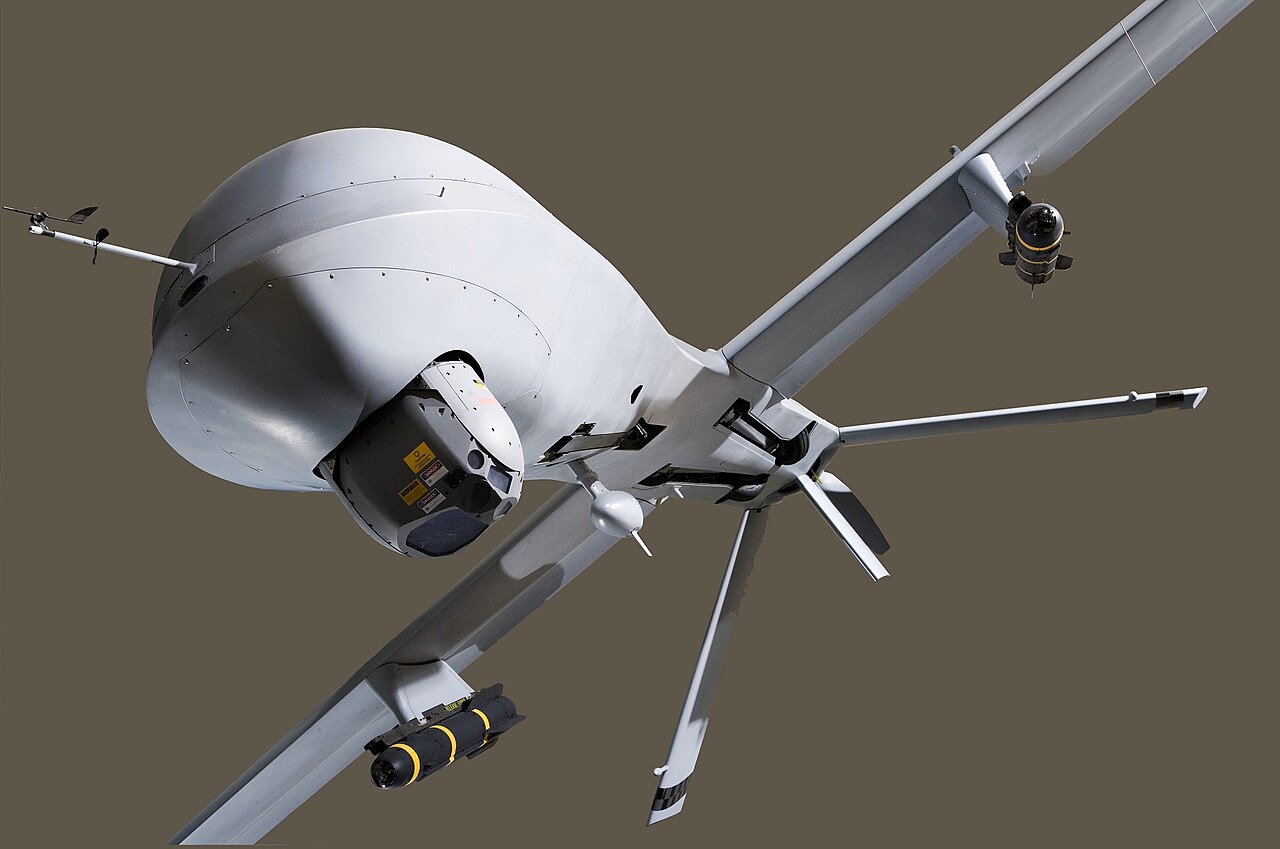
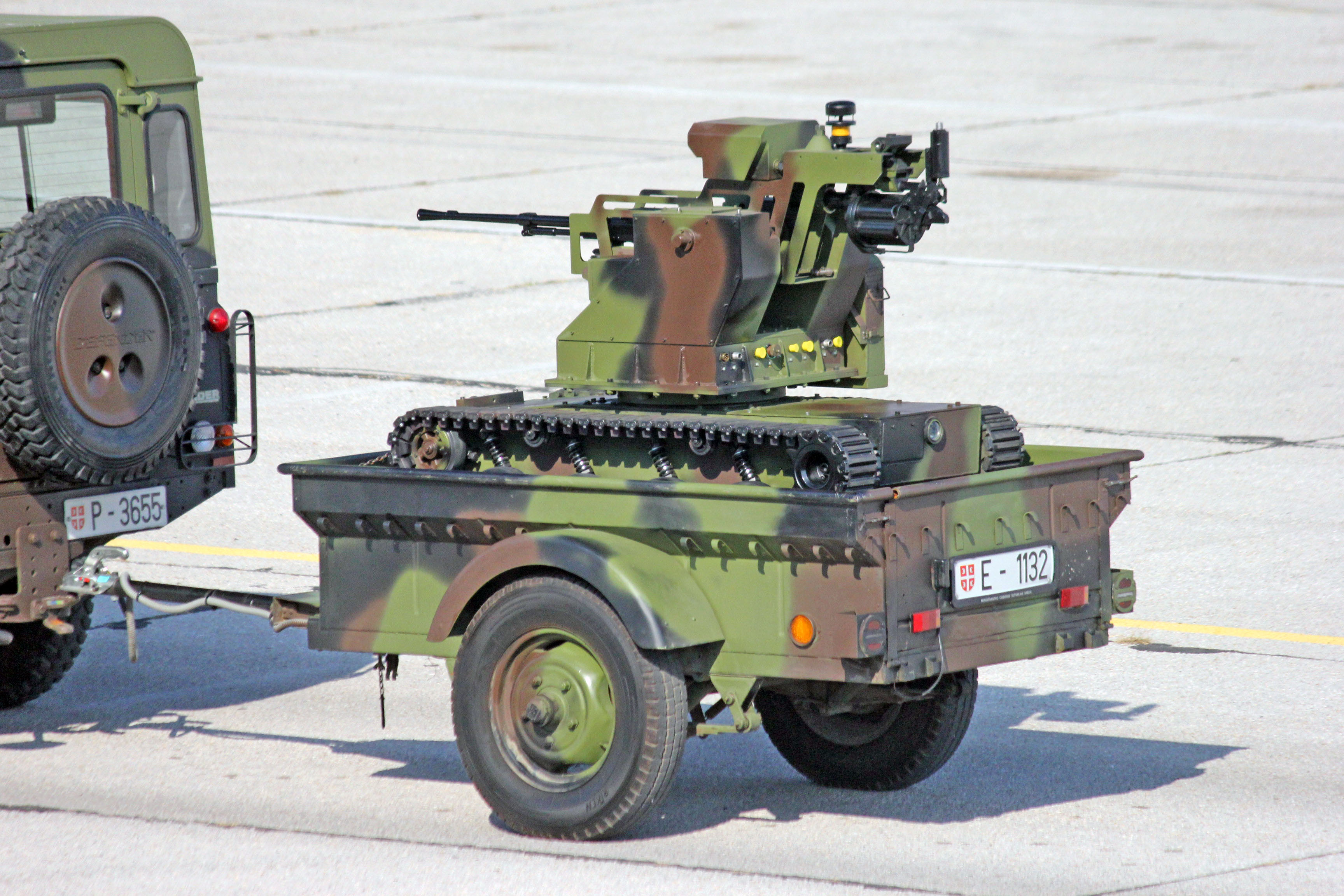
The latest iteration of Exercise Rim of the Pacific (RIMPAC) is poised to significantly advance naval capabilities, featuring an unprecedented focus on integrating approximately three dozen unmanned systems into complex operational scenarios. This biennial multinational exercise, involving thirty nations, is specifically designed to push the boundaries of autonomous maritime and aerial platforms. The emphasis signals a critical shift in how navies envision future warfare, prioritizing technological experimentation for enhanced interoperability and strategic advantage.
This development unfolds against a backdrop of increasing geopolitical competition, particularly within the Indo-Pacific region, where the integration of advanced technologies like drones becomes crucial for maintaining regional stability. The exercise serves as a proving ground for next-generation defense capabilities, addressing evolving threats and refining coalition warfare strategies in a rapidly modernizing battlespace.
JOINT BASE PEARL HARBOR-HICKAM, Hawaii—The 30th iteration of RIMPAC will feature 30 to 35 experiments that involve unmanned systems, the Pacific Fleet’s second-in-command said Wednesday.
The experiments are “a major part” of this year’s edition of the biennial Exercise Rim of the Pacific, Vice Adm. Jeffrey Jablon told reporters at a press conference. He declined to provide specifics.
Along with the drones, RIMPAC also includes 30 countries, 31 surface ships, five submarines, and nearly 200 aircraft, Jablon said. While the theme is “partners: integrated and prepared,” he said his top priorities for each of the 30,000 participants are “safety, environmental stewardship, and professionalism.”
Though deterring China while getting ready to defend against a potential attack is a major focus for U.S. Indo-Pacific Command, Jablon said RIMPAC “is not about any one particular country or a deterrent for any one particular country.”
And the war with Iran “had no impact” on RIMPAC, Jablon said. “The United States is contributing the same number of forces that we normally contribute.”
Jablon is serving as the commander of the combined task force for RIMPAC. Underscoring the partnership aspect of the exercise, the deputy commander is a Chilean navy officer, the vice commander is a Japan Maritime Self-Defense Force officer, the maritime component commander is a Korean navy officer, and the air component commander is a Royal Canadian Navy officer.
The exercise will end with the sinking of two decommissioned U.S. Navy ships.
Editorial Analysis
The strategic significance of RIMPAC 2026's experimental thrust cannot be overstated. By committing to approximately three dozen unmanned system trials, participating nations are not merely testing new equipment; they are fundamentally redefining maritime doctrine and operational concepts. This shift fundamentally alters battlespace awareness and potentially reconfigures the balance of power, as autonomous platforms offer extended reach, persistent surveillance, and reduced risk to human personnel. The distributed multinational leadership structure further reflects an imperative for truly integrated coalition warfare, where diverse forces can seamlessly operate complex, interconnected systems across vast distances, a critical capability for contested environments.
This intense focus on technological integration aligns with a broader global trend in defense modernization, moving beyond traditional platform-centric exercises. Historically, naval drills emphasized conventional force projection; today, the imperative is rapid adaptation to technological innovation, mirroring developments in the commercial tech sector. The long-term implications for the defense community include recalibrating procurement strategies, updating training paradigms to manage human-machine teaming, and enhancing cybersecurity defenses to protect these increasingly networked autonomous assets from sophisticated adversaries.