Production at the new plant is scheduled to begin in August, according to the company's CEO.
Drones & Autonomous
Original Briefing
Tytan's New Factory Mass-Producing Counter-Drone Interceptors
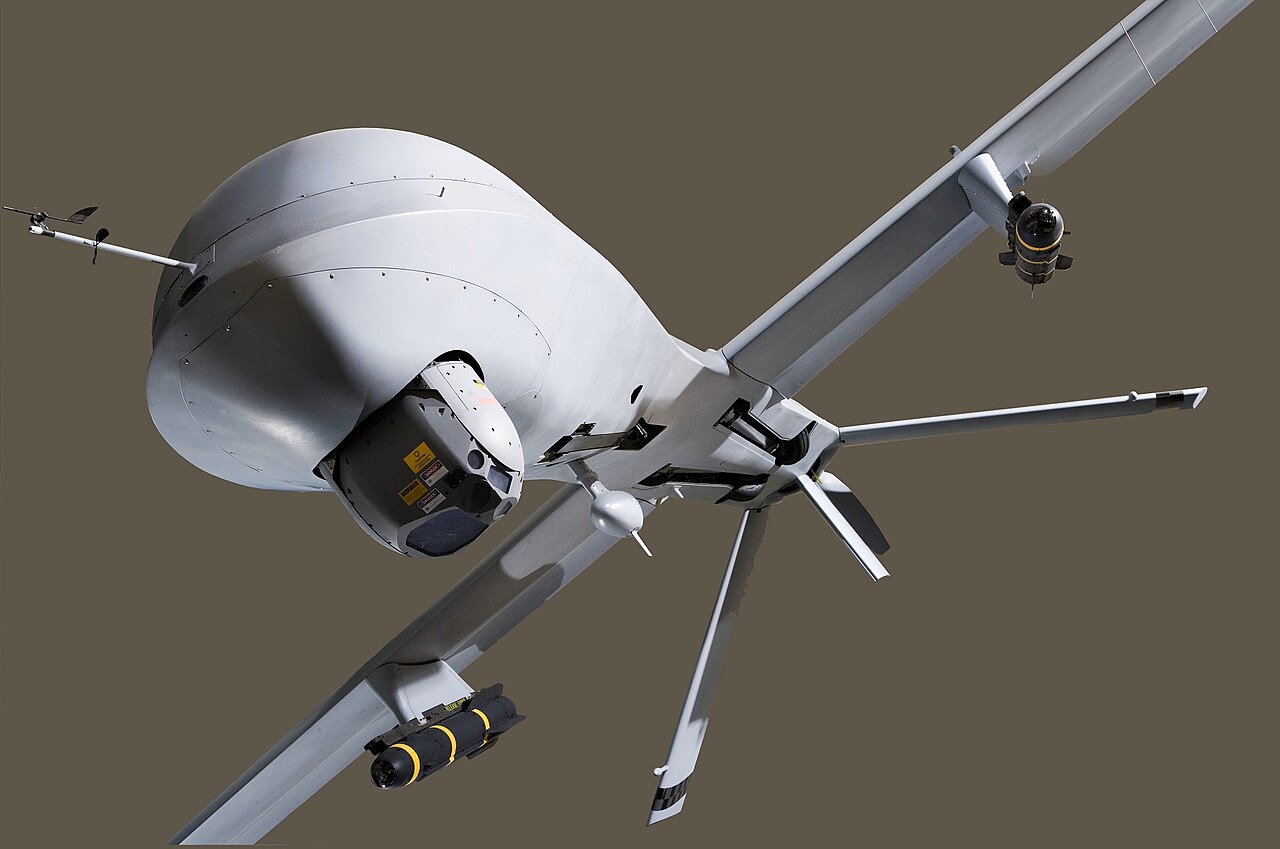
German startup Tytan is preparing to launch a new manufacturing facility this August, setting its sights on a substantial monthly output of sophisticated counter-drone interceptors. This accelerated production capacity underscores an urgent global imperative to scale defensive measures against the pervasive and rapidly evolving threat posed by unmanned aerial systems (UAS). The firm's focus on kinetic interception offers a critical layer of defense beyond electronic countermeasures.
This significant industrial expansion reflects a broader strategic pivot within the defense sector towards robust, high-volume counter-UAS (C-UAS) solutions. The increasing weaponization and widespread proliferation of drones in contemporary conflicts have fundamentally reshaped battlefield dynamics, driving a pressing demand for scalable and economically viable defensive technologies.
Key Intelligence Points
- German defense innovator Tytan is establishing a new dedicated production complex for its counter-drone systems.
- The advanced facility aims for a substantial monthly manufacturing volume of several thousand interceptor units.
- Operations at the new plant are slated to commence in the upcoming August timeframe, per company leadership.
- This ramp-up directly addresses the intensifying global need for effective, high-capacity C-UAS capabilities.
- Tytan specializes in developing physical interceptor drones designed to neutralize adversary aerial threats.
Advertisement
Intelligence Briefing
Why this matters: Tytan's move towards industrial-scale interceptor production signals a crucial shift in counter-drone strategy, emphasizing quantity and rapid deployment over bespoke solutions. For defense planners and security operators, this promises greater availability of essential tools to mitigate persistent UAS threats, potentially influencing tactical doctrines and resource allocation. Such high-volume output suggests a proactive approach to evolving security challenges.
Editorial Analysis
The strategic importance of Tytan's commitment to mass production cannot be overstated. In an era where even inexpensive commercial drones can pose significant threats to critical infrastructure, military assets, and personnel, the economic viability and sheer availability of counter-measures become paramount. High-volume manufacturing of interceptors provides a scalable answer to the challenge of drone swarms and persistent surveillance, moving beyond reactive, expensive missile-based air defenses or the limitations of electronic warfare, which may not always be effective against all drone types or in all environments. This capability directly impacts the force protection posture for ground troops, naval vessels, and fixed installations, offering a dedicated kinetic solution that minimizes collateral damage while ensuring neutralization.
This development aligns with broader lessons from recent geopolitical conflicts, notably the extensive and decisive role of drones in eastern European battlefields. There, the cost-effectiveness and tactical versatility of small UAS have necessitated a re-evaluation of traditional air defense paradigms. Companies like Tytan are stepping into a rapidly expanding market that demands adaptable, affordable, and readily deployable C-UAS solutions. The trend is clearly towards decentralized, multi-layered air defense, where specialized interceptor drones play an increasingly vital role in complementing jamming, directed energy, and traditional anti-aircraft systems to create comprehensive aerial threat mitigation.
📰