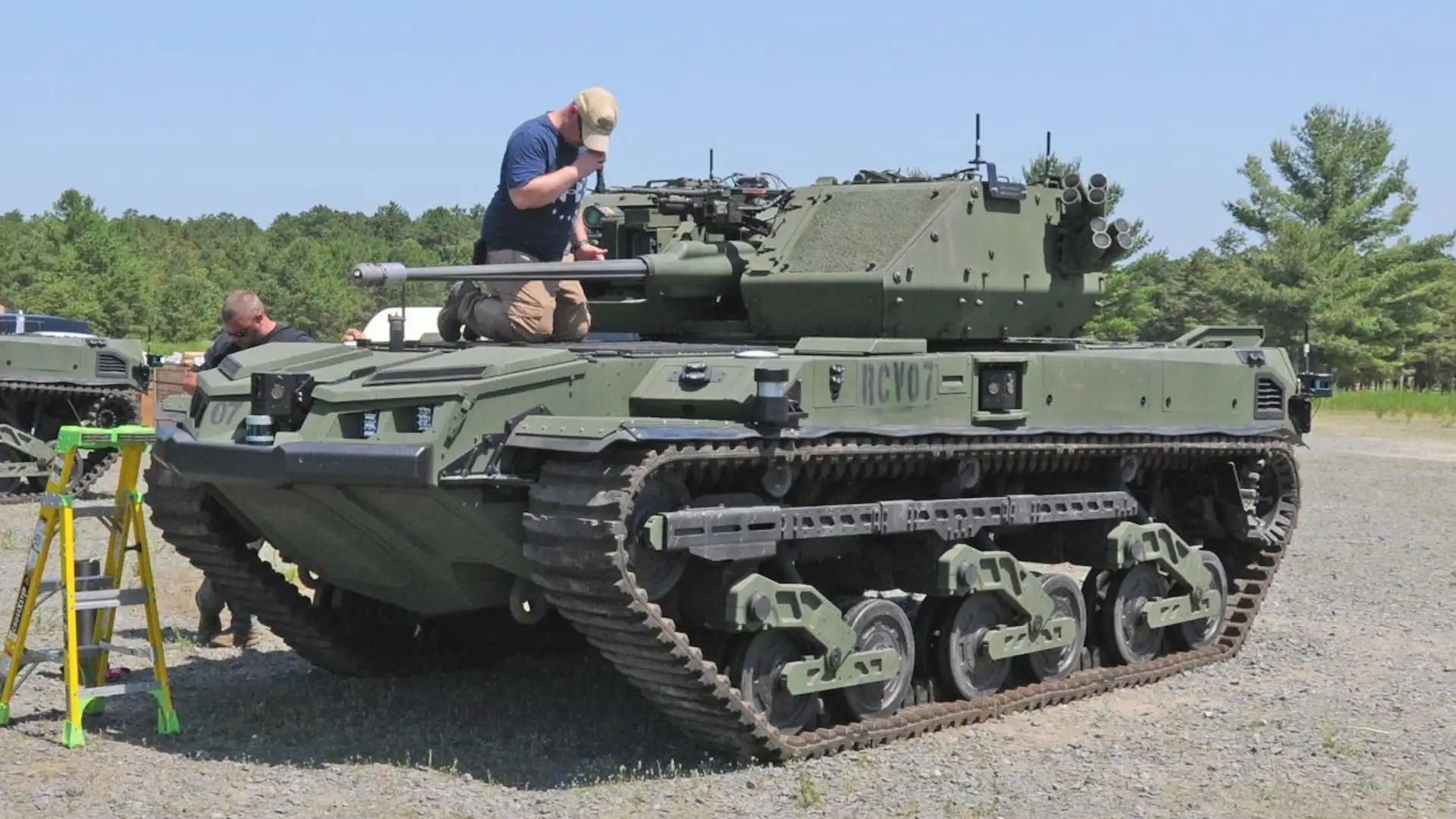
Dutch Combat Robot Plant Boosts Ukraine's Frontline Tech
- A new production plant for combat-zone robots has commenced operations in the Netherlands, directly supporting European defense efforts.
- The facility specializes in manufacturing THeMIS unmanned ground vehicles, a critical asset for various combat scenarios.
- This new industrial capacity is designed to establish a fresh and reliable supply stream of advanced robotic systems for Ukraine.

As Anthropic abruptly restricted its Mythos Preview model last week after it demonstrated the capacity to autonomously exploit zero-day vulnerabilities across major operating systems and browsers, the cybersecurity industry grapples with an accelerating threat landscape. While improvements in Mean Time To Detect (MTTD) are celebrated, the true Achilles' heel for Security Operations Centers (SOCs) remains the critical 'post-alert gap' in human-driven investigations. AI is now emerging as the transformative solution to bridge this chasm, offering real-time context and analysis to neutralize threats operating on timelines measured in seconds.
A critical zero-day vulnerability in Adobe Acrobat Reader (CVE-2026-34621) is under active exploitation, prompting emergency updates and raising immediate concerns for all users. This comes as Iranian state-affiliated actors escalate their targeting of US industrial control systems, causing significant disruptions and underscoring the persistent threat to critical infrastructure. The convergence of immediate software vulnerabilities and sophisticated nation-state campaigns highlights a volatile start to the week for cybersecurity professionals.
The U.S. Cybersecurity and Infrastructure Security Agency (CISA) has significantly expanded its Known Exploited Vulnerabilities (KEV) catalog by adding eight new actively exploited flaws, mandating urgent patching by federal agencies. These critical vulnerabilities affect widely used systems, including Cisco Catalyst SD-WAN Manager, PaperCut NG/MF, Quest KACE SMA, and JetBrains TeamCity, signaling immediate threats to diverse IT environments. Federal Civilian Executive Branch (FCEB) agencies are now compelled to remediate these issues by April 23 and May 4, 2026, emphasizing the critical nature of these security gaps.
The USS Charlotte recently achieved a historic milestone, becoming the first U.S. submarine to sink an enemy vessel with a torpedo since World War II, targeting an Iranian frigate off Sri Lanka. This unprecedented event, following initial strikes on Iran, highlights the U.S. Navy's urgent need for covert naval options and rapid deployment capabilities beyond traditional six-month cycles. Chief of Naval Operations Admiral Daryl Caudle emphasized that this quick adaptation was a deliberate, tailored response, not improvisation.
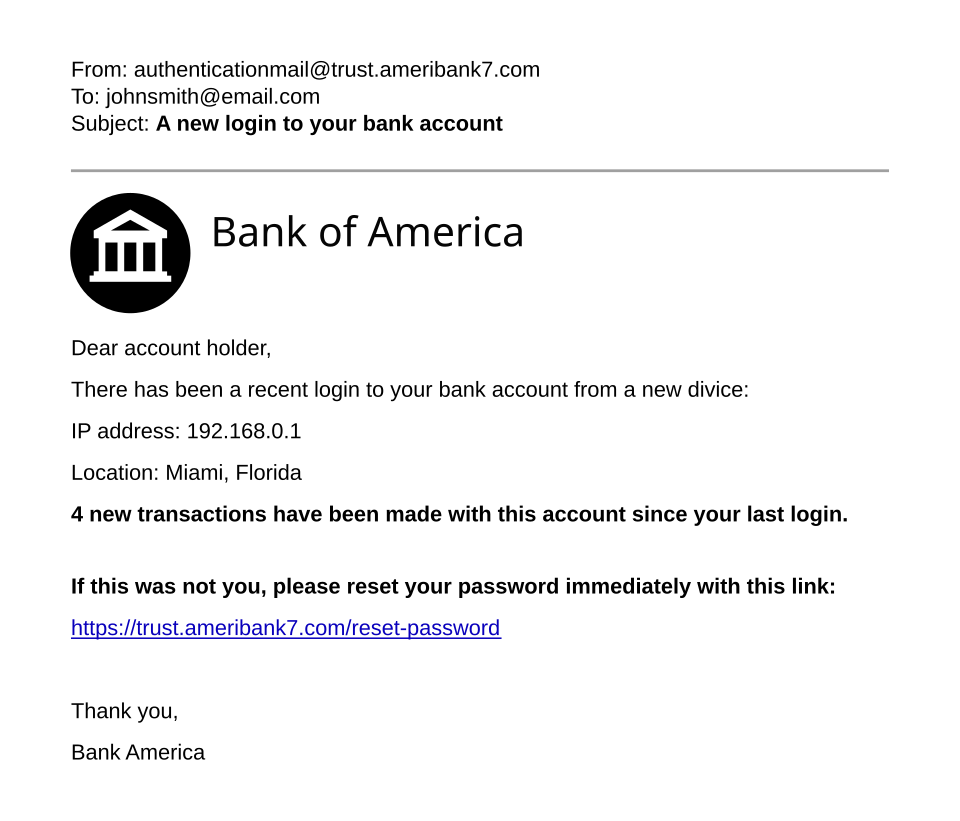
The FBI, in a significant joint operation with the Indonesian National Police, has dismantled W3LL, a sophisticated global phishing network responsible for over $20 million in fraud attempts and the compromise of more than 25,000 Microsoft 365 accounts. This operation culminated in the seizure of key infrastructure and the detention of the alleged developer, effectively severing a major resource for cybercriminals relying on advanced Attacker-in-the-Middle (AiTM) tactics that bypassed multi-factor authentication (MFA). W3LL, an off-the-shelf phishing kit, was advertised for approximately $500, enabling a broad array of threat actors to deploy convincing bogus login pages.

JanelaRAT, a sophisticated financial trojan, has launched a barrage of cyberattacks against financial institutions across Latin America, with Brazil and Mexico bearing the brunt of its aggressive campaigns. This modified version of BX RAT leverages advanced techniques like DLL side-loading, malicious browser extensions, and fake overlays to illicitly obtain sensitive credentials and financial data from its targets. The ongoing threat underscores a persistent and evolving challenge for the region's banking sector.
The U.S. Cybersecurity and Infrastructure Security Agency (CISA) has issued an urgent alert, adding six actively exploited vulnerabilities from vendors including Fortinet, Microsoft, and Adobe to its Known Exploited Vulnerabilities (KEV) catalog. These critical flaws pose significant threats, enabling severe impacts such as remote code execution, privilege escalation, and even ransomware deployment, with one Microsoft Exchange vulnerability specifically leveraged by Storm-1175 for Medusa ransomware attacks.
A critical remote code execution (RCE) vulnerability, tracked as CVE-2025-0520, in the ShowDoc document management software is now under active exploitation, prompting urgent action from users. This high-severity flaw (CVSS 9.4) allows unauthenticated attackers to upload arbitrary files due to improper validation, enabling the deployment of web shells for full system compromise. With over 2,000 instances primarily in China, organizations utilizing ShowDoc must immediately update to version 2.8.7 or newer to mitigate the risk.

Cybersecurity researchers have issued an ALERT regarding a newly discovered campaign involving 108 malicious Google Chrome extensions that have impacted approximately 20,000 users. These deceptive extensions, masquerading as utility apps, actively exfiltrate Google OAuth2 tokens, Telegram Web sessions, and browsing data while also injecting ads and arbitrary JavaScript into visited webpages. Operating under five distinct publisher identities but sharing common command-and-control infrastructure, this widespread threat underscores a sophisticated effort to compromise user data.
The partnership between defense technology firm Anduril and South Korean shipbuilding giant HD Hyundai is set to expand significantly, with production now officially underway for their new class of advanced autonomous naval vessels. This collaboration marks a critical step towards modernizing naval capabilities, with sea testing for the first vessel projected to begin by October 2026. The consortium is further bolstered by the addition of Edison Chouest Offshore, which will facilitate U.S.-based production of these autonomous surface vessels (ASVs).
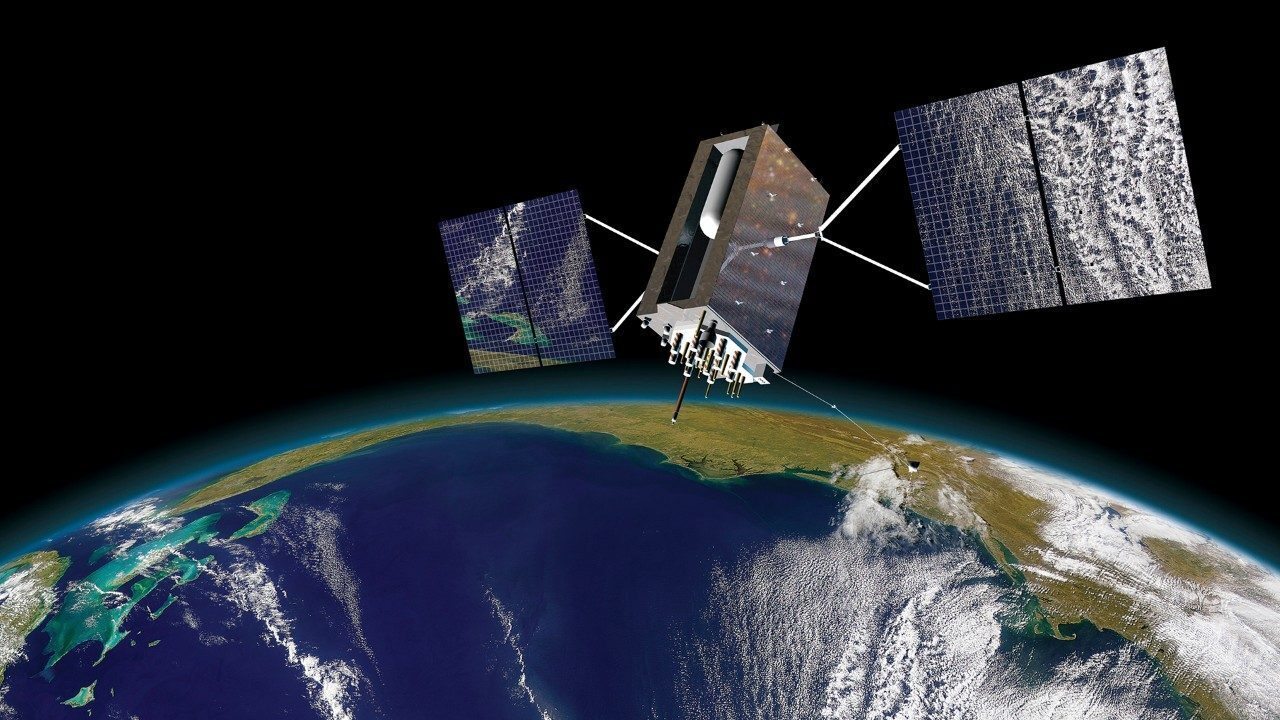
The Space Force has officially terminated the Next Generation Operational Control System (OCX) contract, a critical ground system for GPS satellites, after pouring $6.27 billion into the troubled program over years of delays. Citing "insurmountable challenges" and an inability to deliver on an operationally relevant timeline, officials have opted to enhance the current GPS ground system instead of continuing with the beleaguered project led by prime contractor RTX. This cancellation marks a significant setback for the Space Force's modernization efforts and raises questions about future acquisition strategies.
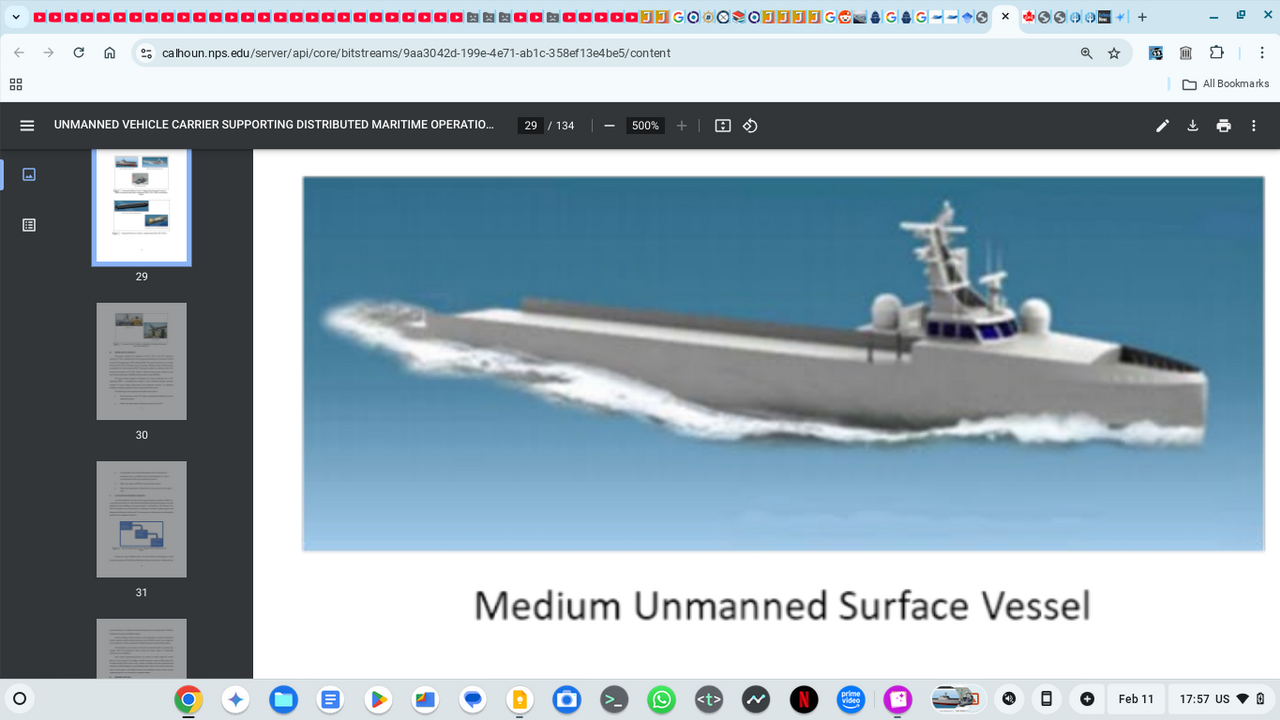
The Navy League's annual Sea Air Space conference kicked off with significant revelations, as new details emerged regarding the F/A-XX next-generation fighter timeline. Alongside this critical update for future naval aviation, the conference's first day also saw a surge of interest in Medium Unmanned Surface Vessels (MUSVs), signaling a clear direction for the Navy's autonomous warfare strategy. Breaking Defense provided comprehensive coverage, capturing key insights from National Harbor.