
DoD Cyber Strategy Charts AI-Driven Force Future
- The upcoming DoD cyber strategy will explicitly define the integral role artificial intelligence is expected to play in empowering future cyber operations.
- The new policy aims to extend cyber considerations beyond specialized units, integrating them across all departmental personnel and commanders.
- It emphasizes forging a robust operational partnership with the private sector to accelerate the development and deployment of AI solutions.

New research has unveiled Fast16, a sophisticated Lua-based malware framework developed years before Stuxnet, specifically designed to subtly sabotage high-precision calculation software. This discovery not only rewrites the timeline of advanced cyber warfare but also underscores the long-standing targeting of critical industrial and scientific processes for disruptive outcomes. Its existence, predating Stuxnet by at least five years, highlights a persistent evolution of digital weaponry beyond mere data theft, focusing instead on profound system integrity compromise.

The U.S. Army and Navy are formally collaborating on the Joint Laser Weapon System (JLWS), a powerful new high-energy laser weapon designed to counter incoming cruise missile threats as a key component of the 'Golden Dome for America' defense shield. This joint effort aims for an initial 150-kilowatt system, scalable to 300-500kw, leveraging advanced research from existing Navy and Army laser programs. The partnership signifies a concerted push to bring advanced directed energy weapons to the forefront of missile defense.

In a significant leap for naval defense, the USS George H.W. Bush successfully neutralized 17 drones with a 20kW laser weapon during live-fire tests in October 2025. This landmark achievement, utilizing a Palletized High Energy Laser system, brings the Navy's vision of widespread directed energy capabilities closer to reality, leveraging the abundant power resources of nuclear-powered aircraft carriers.
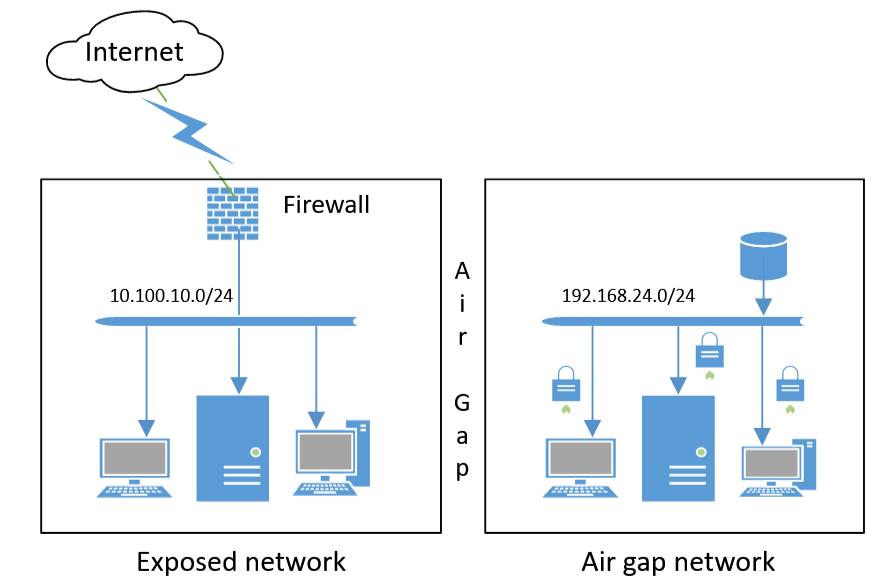
Cybersecurity firm Checkmarx has confirmed that a cybercriminal group has published data from its GitHub repository on the dark web, stemming from a supply chain security incident first identified on March 23, 2026. The exposed data reportedly includes sensitive information like source code, employee databases, API keys, and database credentials, though the company asserts this repository is isolated from customer production environments.

The US Army is set to significantly expand its Infantry Squad Vehicle (ISV) fleet with the acquisition of 606 hybrid-electric ISV-Heavy variants, a move that signals a strategic evolution for the lightweight platform. This new iteration shifts focus from pure troop transport to advanced mission support, incorporating enhanced power generation and specialized operational capabilities. This expansion will nearly double the Army's existing ISV fleet, integrating a vehicle designed for stealth, command and control, and drone operations.
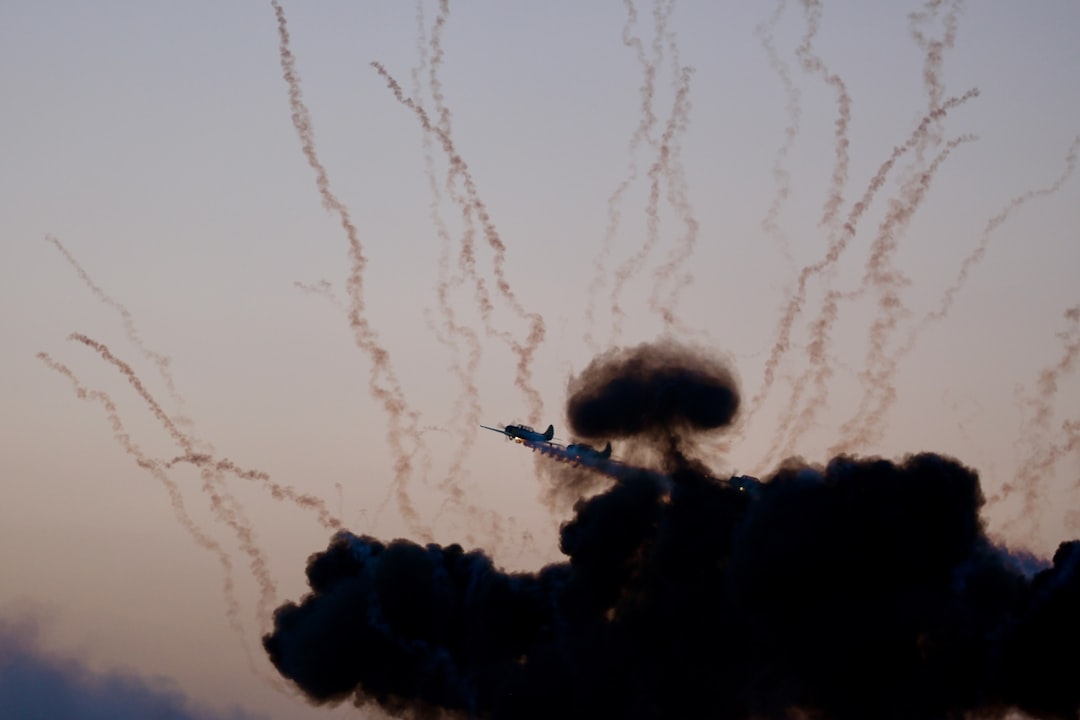
The U.S. Air Force is actively pursuing the development and mass production of the Family of Affordable Mass Missiles – Beyond Adversary’s Reach (FAMM-BAR), an innovative long-range weapon designed for rapid deployment from palletized cargo aircraft. This strategic move aims to bolster depleted stockpiles and revolutionize air-to-surface engagement with an affordable, adaptable munition capable of 1,000 nautical mile-plus reach.
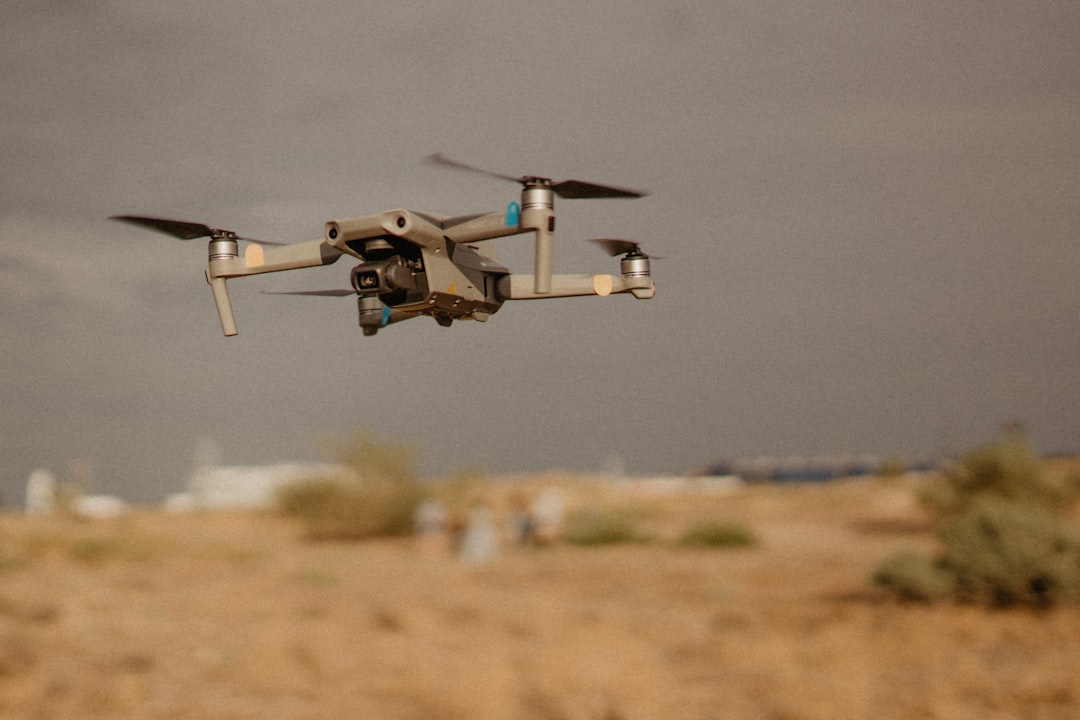
The U.S. Navy's ambitious vision for unmanned carrier aviation took a significant leap forward this past Saturday as its MQ-25A Stingray, the service's first operational unmanned carrier-based aircraft, successfully completed its maiden test flight. Launched from Boeing's facility in Illinois, the two-hour flight marked a critical milestone for a platform poised to redefine naval air operations. This development signals a transformative shift towards integrating autonomous systems into the heart of carrier strike group capabilities.
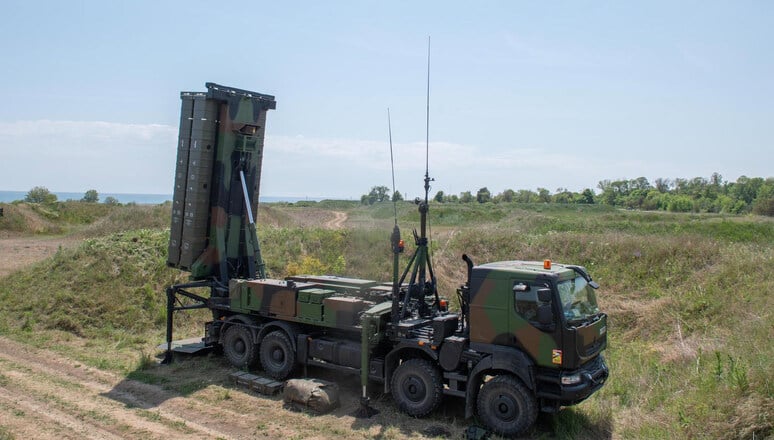
Global military expenditure climbed for the eleventh straight year in 2025, reaching an unprecedented $2.89 trillion, largely fueled by a significant 14% surge in European defense spending. Europe's rearmament efforts, spurred by ongoing conflicts and geopolitical instability, saw its outlays hit $864 billion, making it the primary driver of this worldwide increase. This trend unfolds amidst a backdrop of escalating geopolitical tensions and Russia's continued aggression in Ukraine, compelling nations to bolster their defense capabilities.

Rheinmetall has secured a significant €1.04 billion ($1.2 billion) call-off order from Germany's federal office of armed forces equipment, information technology and support (BAAINBw) to upgrade and expand its 'Infantry Soldier of the Future' (IdZ-ES) system. This order, which includes 237 new platoon systems and modernization of existing ones, is part of a larger €3.1 billion framework agreement, representing Germany's most substantial soldier systems acquisition to date.

The U.S. Navy's MQ-25 Stingray carrier drone has successfully completed a pivotal two-hour test flight, demonstrating full autonomous taxi, take-off, flight, and landing capabilities. This milestone signifies a major step toward integrating unmanned aerial refueling into naval carrier operations, promising to extend the reach and effectiveness of the fleet's manned aircraft. The flight positions the MQ-25 closer to deployment, which is crucial for modernizing naval aviation.

A groundbreaking Critical Risk Framework for Cognitive Operations has been unveiled, fundamentally redefining how defense and cybersecurity professionals assess the inherent dangers of influence campaigns. This innovative framework acknowledges that cognitive operations risk is multiplicative, not additive, leading to ambiguous, long-term, and cascading effects that traditional risk models fail to capture. By integrating consistent risk assessment as a design input from an operation's inception, the new model aims to accelerate operational approvals rather than impede them.

In a significant directive, Chief of Space Operations Gen. Chance Saltzman has issued his first Commander's Note of 2026, urging the Space Force to accelerate its acquisition processes by prioritizing "minimum viable capabilities" (MVCs) over lengthy waits for perfect solutions. This strategic shift aims to place the service on a "wartime footing," emphasizing rapid fielding and iterative development to meet urgent operational needs.