
UK Defense Investment Stalls: Military Chief Warns of Time Crunch
- Senior UK military officials express serious concerns over delays in defense investment planning.
- The nation's long-term military modernization program is reportedly experiencing significant holdups.
- A crucial defense spending framework is pending finalization by the current government.
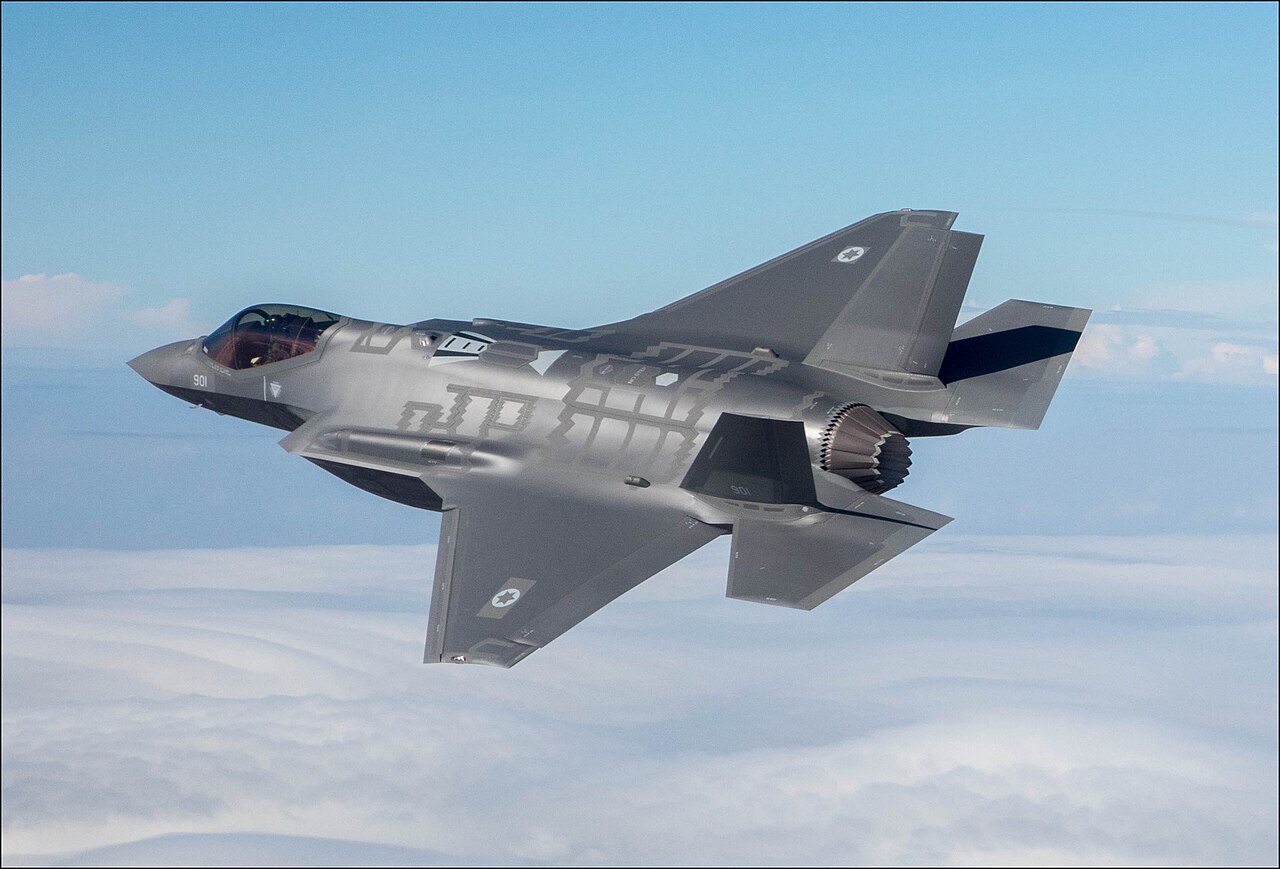
Israel's military is signaling its intent to acquire approximately 50 new F-35 and F-15 fighter jets, a move poised to significantly enhance its aerial capabilities. This ambitious procurement plan underscores a strategic push to modernize the Israeli Air Force's fleet. The acquisition aims at maintaining its qualitative military edge in a volatile Middle East.

The Pentagon has announced key nominations for top leadership roles within the U.S. Navy and Air Force, signaling significant shifts in critical command structures. Rear Adm. Joseph Cahill is tapped to become the Navy's chief surface warfare officer, while Lt. Gen. Daniel Tulley is slated to lead Air Mobility Command, notably under a recently downgraded rank.

New research reveals that end-of-life (EOL) open source software poses a far greater security threat than previously understood, with official CVE records failing to list affected EOL versions in approximately 80% of cases. This critical blind spot in the CVE ecosystem means many organizations are operating under a false sense of security, relying on tools that don't check for vulnerabilities outside supported software ranges.
A groundbreaking investigation into 1 million exposed AI services reveals that AI infrastructure is significantly more vulnerable, exposed, and misconfigured than any other software previously studied. The rapid pace of AI adoption, particularly in self-hosted LLM environments, is leading businesses to prioritize speed over robust security measures. This critical oversight is creating massive new attack surfaces and exposing sensitive data to malicious actors.

A critical security vulnerability, often overlooked by traditional perimeter controls, is enabling persistent access for attackers through unmanaged OAuth tokens. These non-expiring grants, left behind by widespread AI tools and productivity apps, create an invisible backdoor that bypasses MFA and traditional defenses. New research reveals a significant gap between security leaders' awareness of this risk and their actual capability to address it at scale.

A sophisticated China-nexus advanced persistent threat (APT) group, UAT-8302, is actively targeting government entities across South America and Southeastern Europe. Researchers reveal this group deploys custom malware families, including NetDraft and CloudSorcerer, that are consistently shared and utilized by a broad network of other China-aligned hacking operations, indicating deep collaboration among state-backed actors.

The U.S. Army has successfully test-fired a Tomahawk cruise missile from its new Typhon launcher during the Balikatan joint military drills in the Philippines. This marks a significant demonstration of long-range precision strike capabilities in the Indo-Pacific, a move that has drawn considerable attention from regional powers, particularly China. The exercise underscores evolving U.S. and Philippine defense postures amidst rising geopolitical tensions.

Germany's long-range strike ambitions face a significant setback as the Trump administration reportedly shelves a Biden-era plan to temporarily deploy Tomahawk cruise missiles and SM-6 interceptors in the country. This decision, coupled with a planned withdrawal of thousands of U.S. troops, leaves Germany with a confirmed capability gap, according to Defense Minister Boris Pistorius. Berlin now scrambles to accelerate domestic and European solutions amid increasing uncertainty regarding American cooperation.
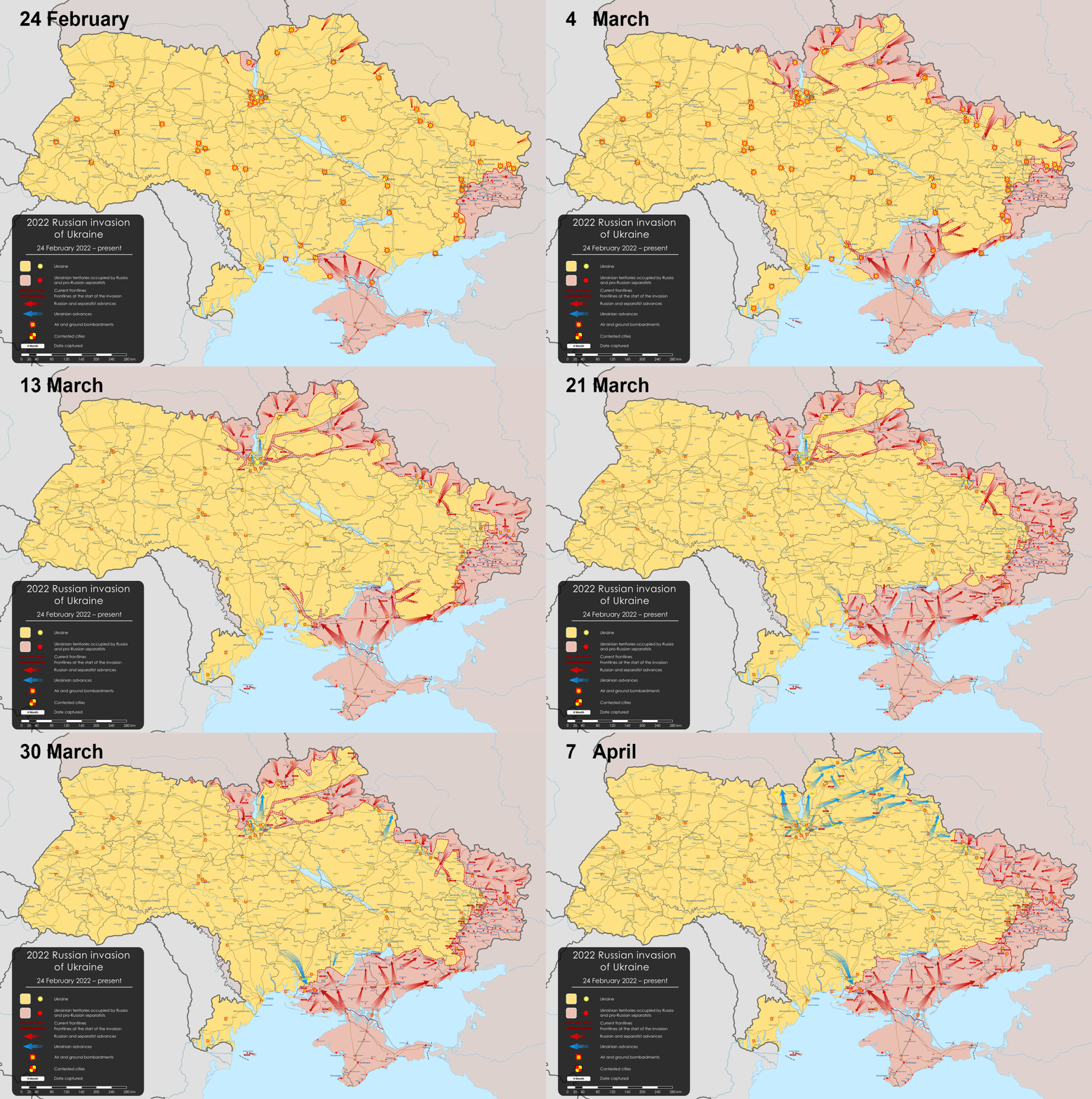
Ukraine's President Zelenskyy is pushing to lift the nation's arms export ban as early as this year, responding to significant international interest in its combat-proven military technology. This strategic shift aims to capitalize on Ukraine's wartime innovations, particularly in unmanned systems and anti-drone solutions, and attract crucial investment for its burgeoning defense industry.

Jim Bridenstine, the former administrator of NASA, has been appointed CEO of Quantum Space, a startup focused on advanced space capabilities. This strategic move positions a prominent figure in American space exploration at the helm of a company poised to deliver highly maneuverable spacecraft critical for emerging US national security needs, including cislunar operations and counter-space missions.

NATO's top intelligence policy officer has issued a stark warning regarding the pressing need for common policies and data standards to manage the growing use of AI-enhanced geospatial intelligence (GEOINT). This urgency stems from the potential for conflicting intelligence reports among allied commanders, posing significant interoperability challenges that could undermine operational effectiveness. The alliance faces a critical three-year window to establish these frameworks before technology outpaces governance.

Near Taiwan's southern tip, American, Filipino, and Japanese forces recently conducted a crucial live-fire counter-landing exercise, simulating the repulsion of an amphibious assault in the South China Sea. This rigorous training, part of the annual Balikatan exercise, showcased advanced joint force synchronization, leveraging HIMARS, drones, and unmanned vessels to prove combat readiness. It underscores a strategic commitment to deter military aggression and secure regional stability in the Indo-Pacific.