
UK Defense Investment Stalls: Military Chief Warns of Time Crunch
- Senior UK military officials express serious concerns over delays in defense investment planning.
- The nation's long-term military modernization program is reportedly experiencing significant holdups.
- A crucial defense spending framework is pending finalization by the current government.

The National Reconnaissance Office (NRO) is facing significant challenges in ensuring transparency within its artificial intelligence systems, a critical issue for the agency's expanding role in satellite operations and intelligence analysis. The outgoing director emphasized that understanding how AI algorithms arrive at their conclusions is paramount, particularly as the NRO scales its use of autonomous capabilities across its growing satellite constellations.

The recent 60-day deadline for Operation Epic Fury in Iran, established by the War Powers Resolution, has once again highlighted the enduring constitutional tension between the executive and legislative branches over military deployments. Despite its original intent to curb unilateral presidential action, the resolution's practical application has frequently fallen short of its statutory goals. This persistent ambiguity raises significant questions about the true limits of presidential authority in initiating and sustaining military campaigns.

A senior senator on the Intelligence Committee has issued a stark warning regarding a dramatic decline in federal election security assistance from the Cybersecurity and Infrastructure Security Agency (CISA), raising alarm over potential vulnerabilities for the 2026 midterm elections. This reduction in support is reportedly leaving state and local election officials with fewer resources to counter evolving cyber threats and malign influence campaigns.

A significant set of critical security weaknesses has recently been uncovered in the vm2 Node.js library, a widely used open-source tool designed for the secure execution of untrusted JavaScript. These vulnerabilities present a severe risk, potentially enabling malicious actors to bypass isolated environments and achieve arbitrary code execution on underlying host systems. The disclosure underscores persistent challenges in maintaining robust sandboxing mechanisms.
A newly identified credential theft framework, dubbed PCPJack, is rapidly spreading across exposed cloud infrastructure, exploiting multiple vulnerabilities to establish persistence. This sophisticated toolkit targets a range of cloud, container, and developer services, actively displacing rival threat actor activity as it harvests sensitive data.
A critical remote code execution flaw in Ivanti's Endpoint Manager Mobile (EPMM) is now under active exploitation, posing a significant threat to organizations utilizing the on-premises solution. This vulnerability, which grants administrative-level access, highlights ongoing risks associated with enterprise mobility management platforms. Federal agencies have been mandated to patch swiftly.
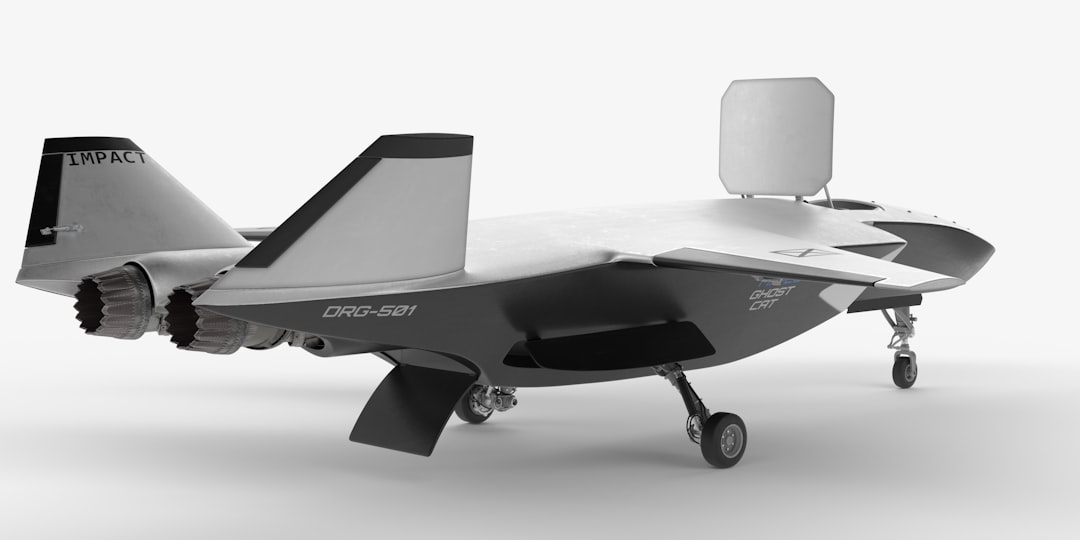
The Department of Defense is advancing its integration of artificial intelligence into kinetic weapon systems, specifically seeking to enhance target recognition for drone countermeasures across various platforms. This initiative aims to equip military personnel, vehicles, and maritime assets with AI-assisted capabilities for faster, more accurate engagements against unmanned aerial threats.

A picturesque Bavarian community faces profound economic and cultural disruption as a long-standing US military presence, dating back to the post-World War Two era, may soon depart. This potential withdrawal, part of a wider strategic reassessment by Washington, threatens a deep-rooted symbiosis between the town and its US military neighbors.
The incoming leader of the US Army confronts an immediate and formidable challenge: navigating entrenched debates within the Pentagon that threaten to sidetrack critical modernization initiatives. This strategic contention centers on the evolving role of land power in an era increasingly defined by advanced technology and distant strikes. The incoming Chief must articulate a compelling vision to secure the necessary resources for future readiness.

ASELSAN has unveiled a new suite of integrated defense systems at SAHA 2026, marking a significant strategic evolution towards unified, multi-domain operational capabilities. These advancements emphasize a layered architecture where sensors, effectors, and command elements are seamlessly connected across land, air, sea, and the electromagnetic spectrum. The comprehensive portfolio aims to provide coordinated responses against both conventional and asymmetric threats.

The intricate legislative tool known as budget reconciliation is once again a focal point for defense funding debates, offering a pathway to significant fiscal changes with potentially reduced political hurdles. This congressional maneuver can dramatically reshape resource allocations for the Pentagon, influencing everything from procurement to personnel without requiring a supermajority vote.
Top technology leaders within the Pentagon are expressing strong optimism regarding the defensive capabilities of advanced AI models, even as concerns mount over their potential for malicious use. They contend that sophisticated AI tools, exemplified by models like Anthropic's Mythos, represent a critical opportunity to fundamentally transform national cybersecurity posture, moving beyond human-speed vulnerability response. This perspective suggests a strategic shift towards leveraging AI for proactive defense rather than solely reacting to threats.