
US House Approves Ukraine Aid & New Russia Sanctions
- House approval secured a substantial financial package for Ukraine's defense efforts.
- The legislation includes an $8 billion authorization in military finance loans to Kyiv.
- The Ukraine Security Assistance Initiative (USAI) receives an extension through 2027.

Microsoft has deployed a crucial mitigation following the public disclosure of a BitLocker bypass vulnerability, identified as YellowKey. This zero-day flaw, tracked as CVE-2026-45585, enables attackers with physical access to circumvent device encryption on vulnerable Windows systems. The rapid release underscores the urgency of addressing exploits that undermine fundamental data protection mechanisms.

Recent industry findings reveal a disturbing prevalence of unmanaged identity elements within enterprise networks, significantly outweighing those under proper oversight. This widening security chasm emerges at a particularly vulnerable juncture, coinciding with the aggressive adoption of autonomous AI agents across diverse operational environments.

The Belarus-aligned threat actor known as Ghostwriter has launched a sophisticated phishing campaign targeting Ukrainian government entities, with activity observed since early this year. This operation deploys custom malware, leveraging social engineering tactics related to a Ukrainian online learning platform to trick recipients into downloading malicious payloads, ultimately aiming to establish persistence and exfiltrate sensitive system information. This campaign underscores the persistent and evolving cyber threats faced by Ukraine's national security infrastructure.

An unprecedented international law enforcement operation has successfully dismantled a virtual private network (VPN) specifically designed to facilitate cybercriminal anonymity. This major disruption targets a critical piece of infrastructure heavily utilized by a significant number of ransomware groups and other malicious actors, marking a substantial blow to their operational security. The collaborative effort spans numerous nations across multiple continents, demonstrating a growing unity against sophisticated cyber threats.
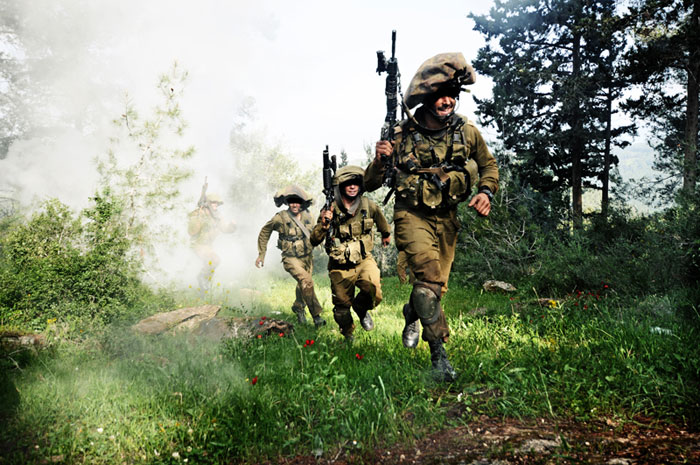
U.S. Special Operations Command has formally integrated a new mobile biometric identification system, Identifi, developed by Reveal Technology, marking a significant advancement in field intelligence capabilities. This initiative signifies a modernization push for special operations forces, transitioning towards more sophisticated digital tools for personnel identification and verification in operational theaters.

A bipartisan contingent of US Senators has embarked on a strategic tour of the High North, aiming to reinforce American alliances and assess vital capabilities in a region increasingly critical for global security. This high-level visit underscores Washington's commitment to its Arctic partners amidst a deepening geopolitical contest for influence and resources.
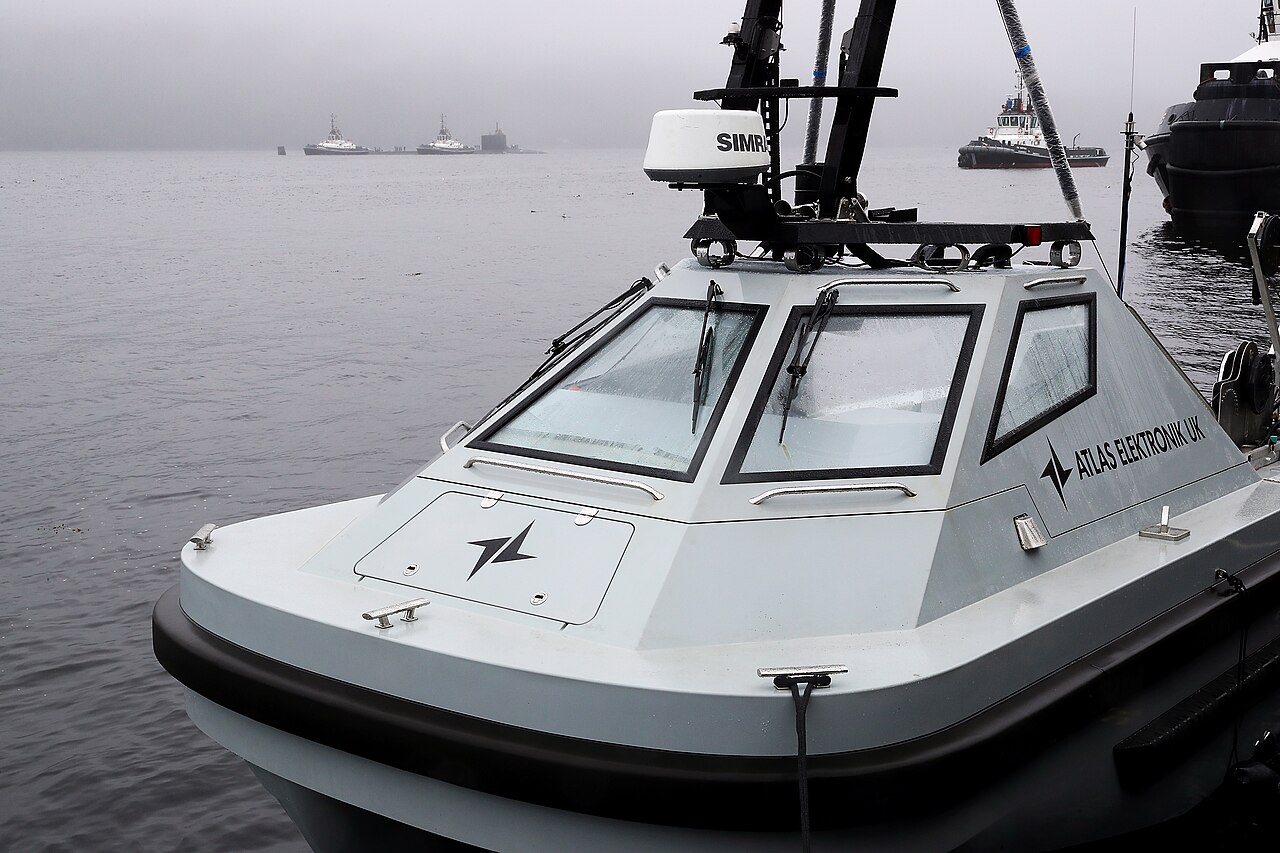
The U.S. Navy is moving forward with a crucial phase in its unmanned maritime strategy, selecting seven designs for prototype development in its Medium Unmanned Surface Vessel (MUSV) marketplace initiative. This advancement signals a significant shift in how the service aims to acquire and integrate autonomous platforms into its future fleet architecture.

The United States Department of Defense is poised for an unprecedented escalation in autonomous warfare capabilities, with an astounding financial commitment proposed for its newly formed Defense Autonomous Warfare Group (DAWG). The White House's latest budget request earmarks tens of billions for this initiative, signaling a fundamental shift from experimental projects to a permanent and critical branch of military development. This move follows the recent discontinuation of the Replicator Initiative, aiming to overcome its prior limitations.

Turkey's latest flagship military exercise, EFES-2026, has concluded, marking significant firsts with the unprecedented participation of both Libyan and Syrian forces on foreign soil. This engagement highlights Ankara’s strategic efforts to deepen military cooperation and solidify its influence across critical regional flashpoints, signaling evolving geopolitical dynamics.
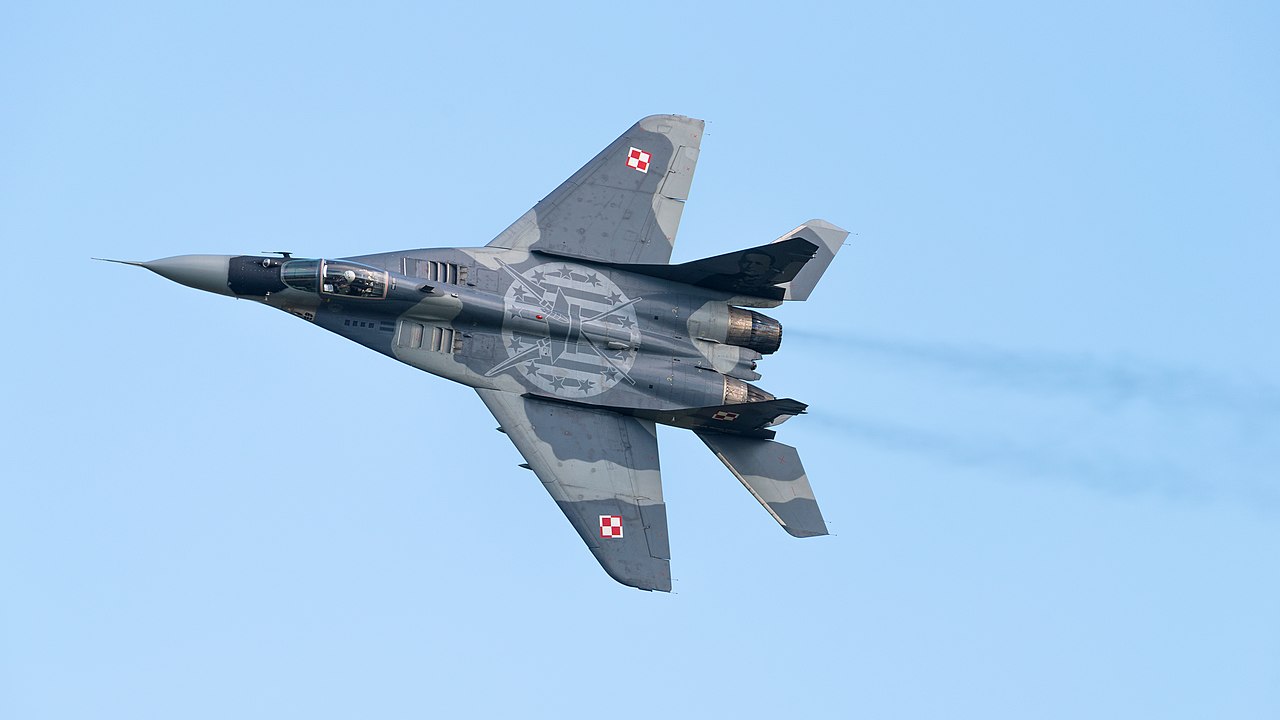
A recent congressional analysis has brought to light the extensive toll on U.S. air assets during Operation Epic Fury, detailing the loss or damage of a substantial number of American aircraft. This non-classified assessment provides the most comprehensive public overview to date of the 40-day conflict with Iran, which began in late February.
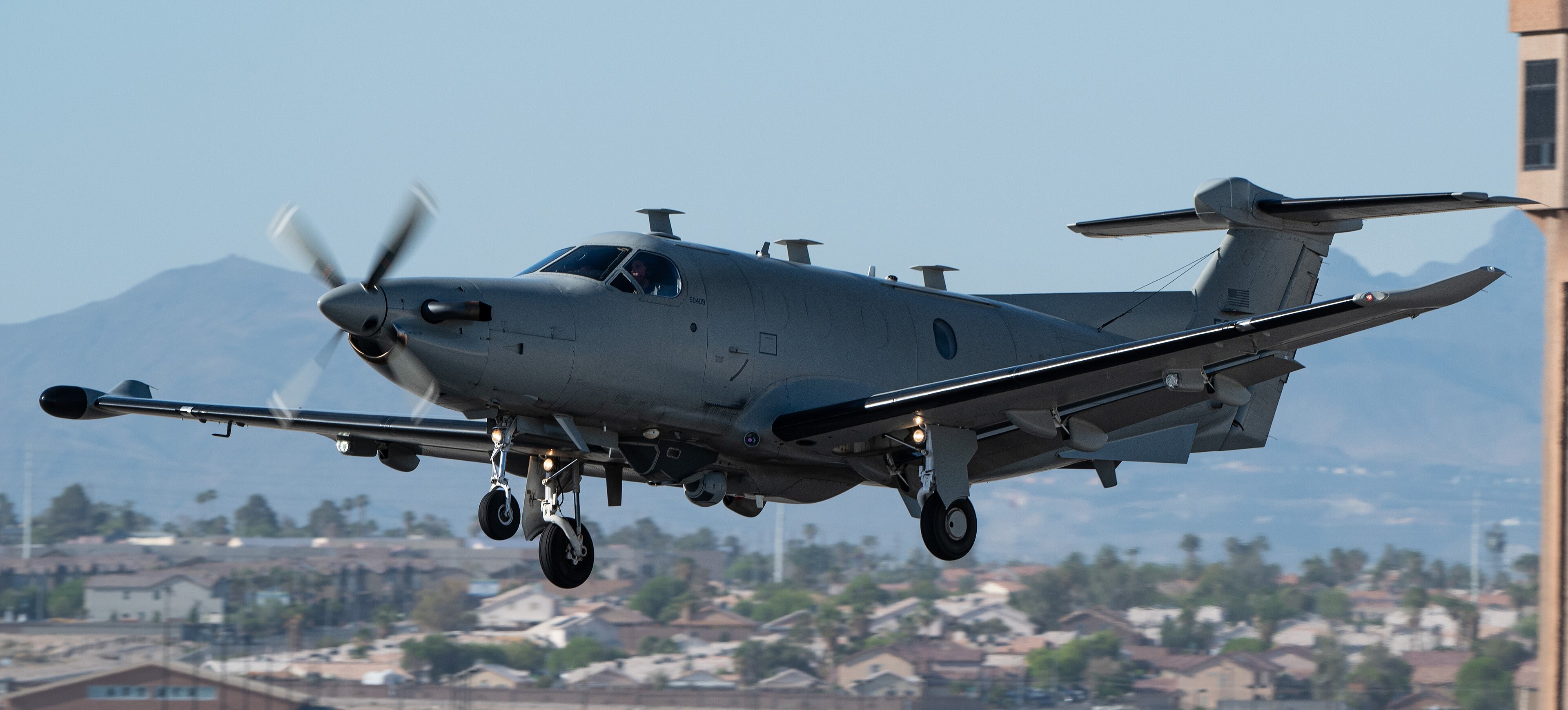
The U.S. Marine Corps is actively exploring innovative combat tactics, recently testing the use of a traditional helicopter as a mobile command center for tactical drones. This strategic move aims to significantly extend the operational reach and flexibility of low-cost unmanned aerial systems in future conflicts.

A prominent annual aviation event in the United Kingdom has been called off, directly attributing the decision to heightened regional instability in the Middle East. This strategic move highlights the increasing operational demands placed on critical military infrastructure, specifically affecting the Royal Air Force's Fairford base.