
US House Approves Ukraine Aid & New Russia Sanctions
- House approval secured a substantial financial package for Ukraine's defense efforts.
- The legislation includes an $8 billion authorization in military finance loans to Kyiv.
- The Ukraine Security Assistance Initiative (USAI) receives an extension through 2027.

Dutch financial crime investigators have executed a significant operation, seizing numerous servers connected to a web hosting company suspected of facilitating malicious cyber activities. This action follows an investigation into entities accused of supporting sanctioned Russian and Belarusian operations, marking a significant blow to their digital infrastructure.
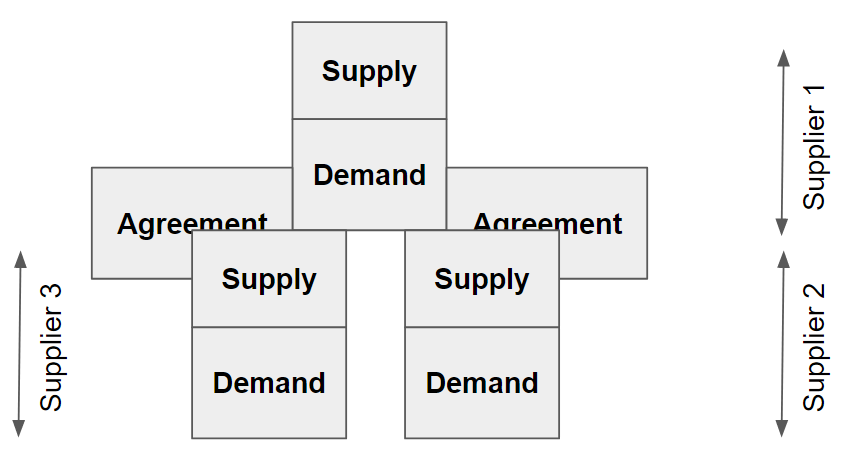
A contractor working for the Cybersecurity & Infrastructure Security Agency (CISA) inadvertently exposed highly sensitive credentials to multiple AWS GovCloud accounts and numerous internal CISA systems on a public GitHub repository. This significant lapse in security hygiene reportedly included keys that could grant high-level administrative access to critical government cloud infrastructure, alongside plaintext passwords for CISA's own development environments. The incident highlights a severe vulnerability in managing sensitive access controls within federal supply chains.
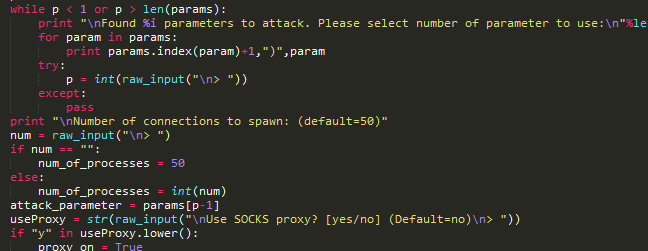
Authorities in Canada have apprehended an individual accused of masterminding the formidable Kimwolf IoT botnet, a vast network responsible for unprecedented distributed denial-of-service (DDoS) attacks. The arrest follows an extensive international investigation, with charges now filed in both Canadian and U.S. jurisdictions, signaling a significant victory against major cybercriminal infrastructure.

A significant cybersecurity incident has brought the U.S. Cybersecurity & Infrastructure Security Agency (CISA) under intense scrutiny, as a contractor exposed highly sensitive credentials and agency secrets on a public code repository. This alarming lapse has prompted congressional leaders to demand immediate answers regarding CISA’s internal security protocols and management of its external workforce, at a time when national digital defenses are paramount.

The nature of typosquatting has fundamentally shifted, evolving from a simple user mistyped URL into a sophisticated supply chain threat deeply embedded within legitimate third-party web components. Modern attackers are now leveraging artificial intelligence to rapidly generate convincing lookalike domains and compromise open-source packages, effectively bypassing many established enterprise security controls. This paradigm shift requires a re-evaluation of how organizations secure their web-facing assets against increasingly stealthy browser-runtime attacks.
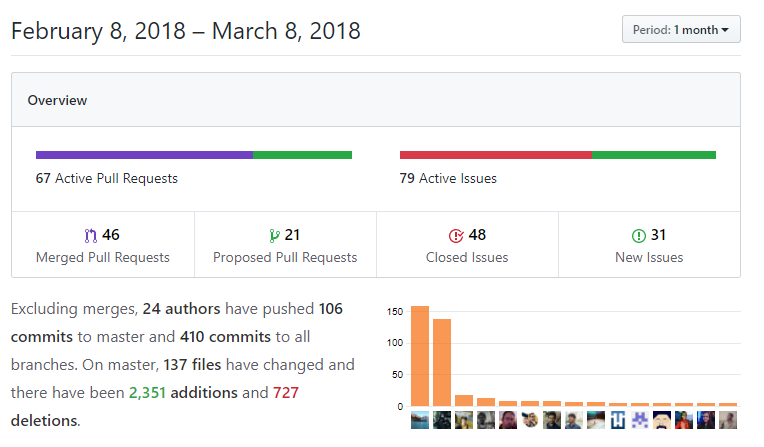
A sophisticated automated campaign, dubbed 'Megalodon,' has leveraged thousands of GitHub repositories to inject malicious code into CI/CD pipelines. This wide-ranging attack, spanning a mere six-hour window, aims to exfiltrate critical developer secrets and cloud credentials. The incident underscores a significant escalation in software supply chain vulnerabilities targeting development environments.
A critical security vulnerability impacting the LiteSpeed User-End cPanel Plugin is currently being actively exploited, posing a significant risk to web servers globally. The flaw, given a maximum severity rating, allows unauthorized actors to execute arbitrary scripts with system administrator privileges. This development underscores persistent threats targeting widely used hosting infrastructure.

Taipei's government has publicly stated it received no communication regarding delays in U.S. arms deliveries, directly contradicting recent remarks from a senior American defense official. This unfolds amidst ongoing discussions surrounding a substantial military aid package intended to bolster Taiwan's defensive capabilities against mainland China's sovereignty claims. The discrepancy highlights potential challenges in strategic messaging between the two partners.
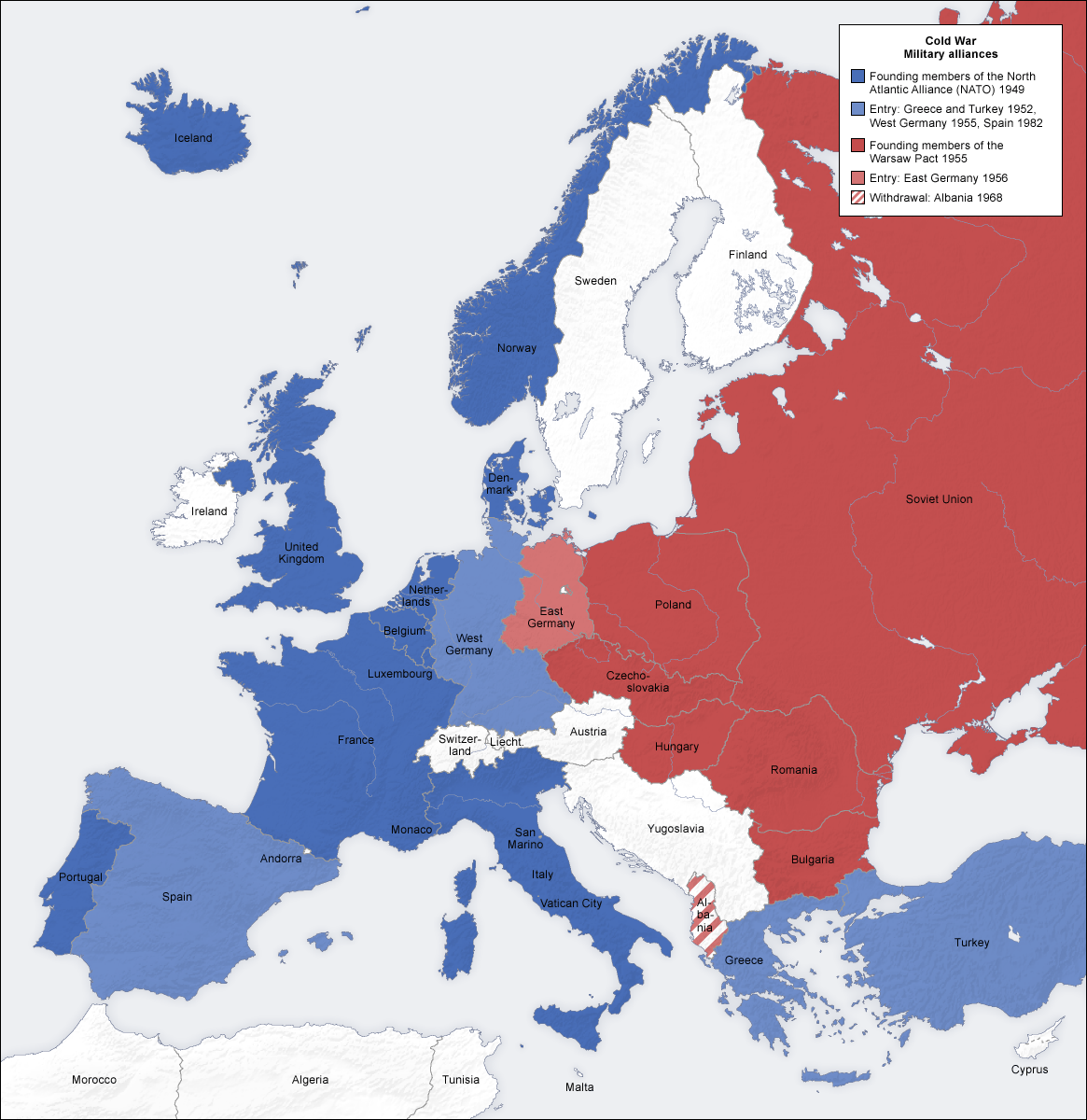
A senior U.S. official has significantly questioned the strategic utility of the North Atlantic Treaty Organization for Washington, citing allies' refusal to grant base access during a recent U.S. military operation. This reevaluation by Secretary Rubio, articulated following discussions with foreign ministers, underscores deepening strains within the alliance as a pivotal summit approaches.

The nation's intelligence apparatus faces a significant leadership transition as Director of National Intelligence Tulsi Gabbard announced her imminent departure. Citing a critical family health matter, her resignation comes after a contentious 16-month period marked by efforts to realign the intelligence community with the administration's strategic vision.
The U.S. Cybersecurity and Infrastructure Security Agency has issued a mandatory directive for federal agencies to address a newly identified and critically severe authentication bypass vulnerability affecting Cisco Catalyst SD-WAN Controller. This flaw, already under active exploitation, allows remote attackers to gain full administrative control over affected systems. Its addition to CISA's Known Exploited Vulnerabilities catalog underscores the immediate and significant threat it poses to network infrastructure.

Grafana Labs has confirmed a significant security incident affecting its GitHub environment, leading to the exposure of internal source code and operational data. The breach, traced to a wider supply chain attack targeting the TanStack npm ecosystem, underscores the escalating risks within developer toolchains. While sensitive customer production data remains secure, the incident highlights critical vulnerabilities in the software development lifecycle.