Military & Defense
451 articles · Coverage updated continuously
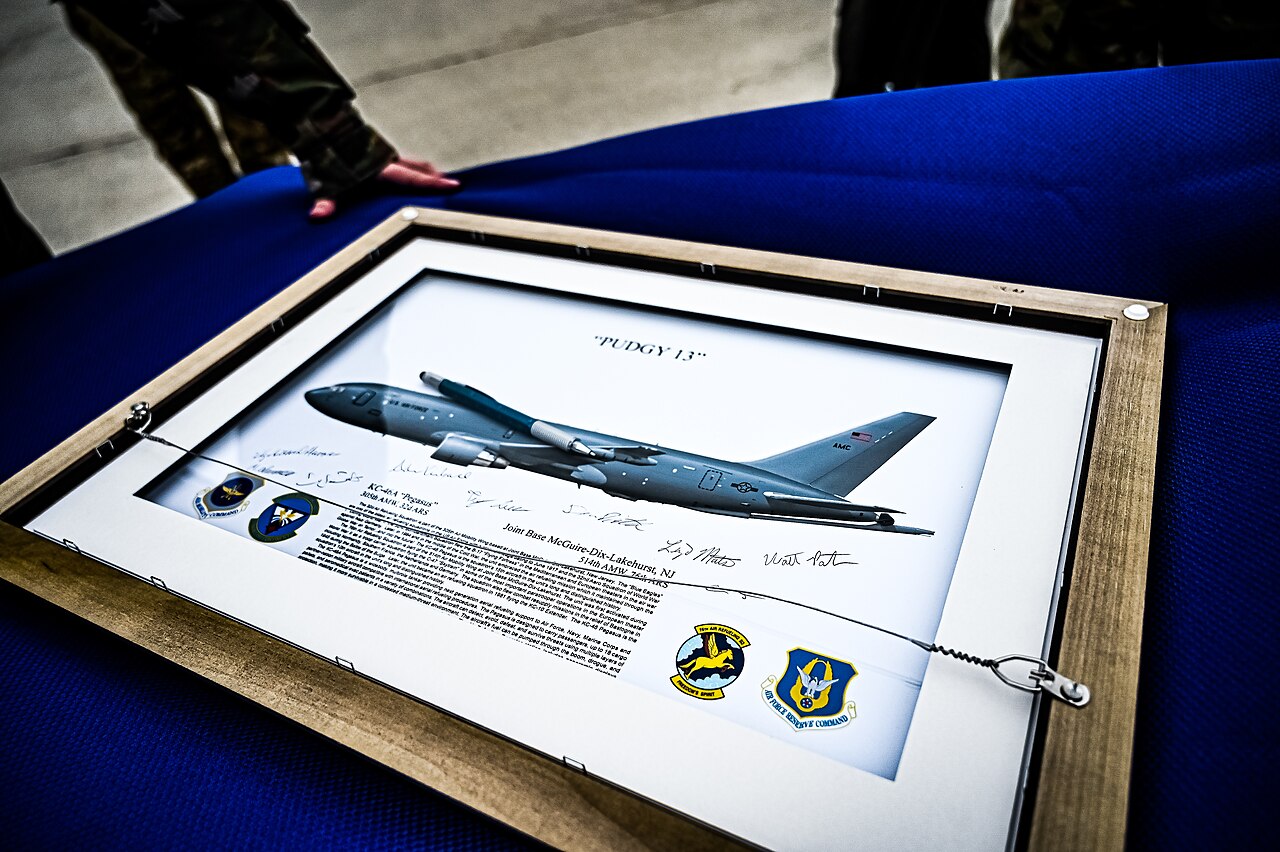
Israel has taken delivery of its initial KC-46 aerial refueling tanker, a significant modernization step for its air force. This acquisition marks a critical upgrade to an aging fleet, essential for supporting long-range operations and projecting power across the region. The move comes as the Israeli Air Force expands its advanced fighter squadrons, underscoring the strategic importance of enhanced air refueling capacity.

Canada is significantly expanding its defense industrial collaboration with Poland, which includes the acquisition of Polish-made drone systems. This strategic partnership is notably underpinned by Canada's distinctive access to a substantial European defense funding and procurement initiative, marking a new chapter in transatlantic defense cooperation.
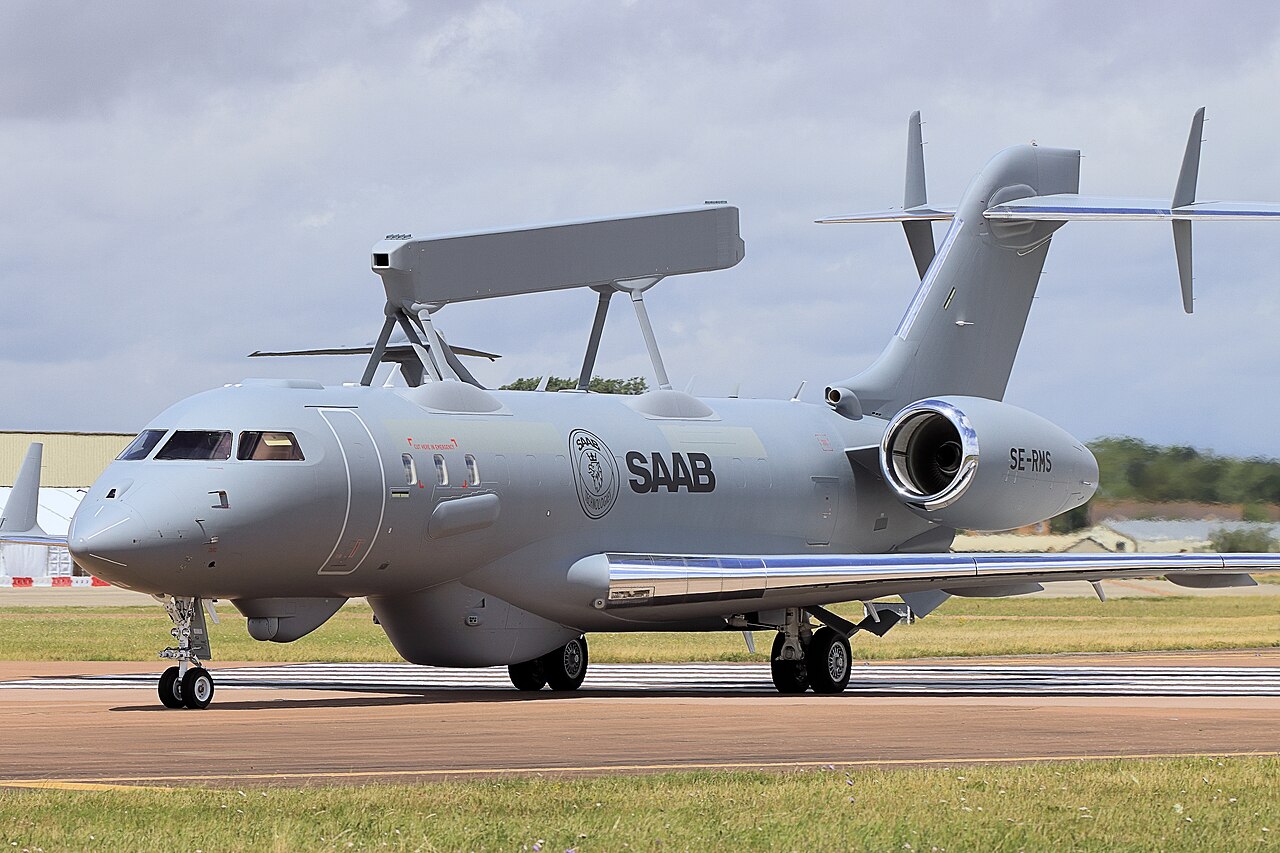
Canada has signaled a strong intent to procure Saab's GlobalEye platform, advancing negotiations to secure its next-generation airborne early warning and control aircraft. This strategic decision marks a pivotal moment for Ottawa's defense posture, particularly enhancing long-range surveillance and threat detection capabilities across its vast northern regions.
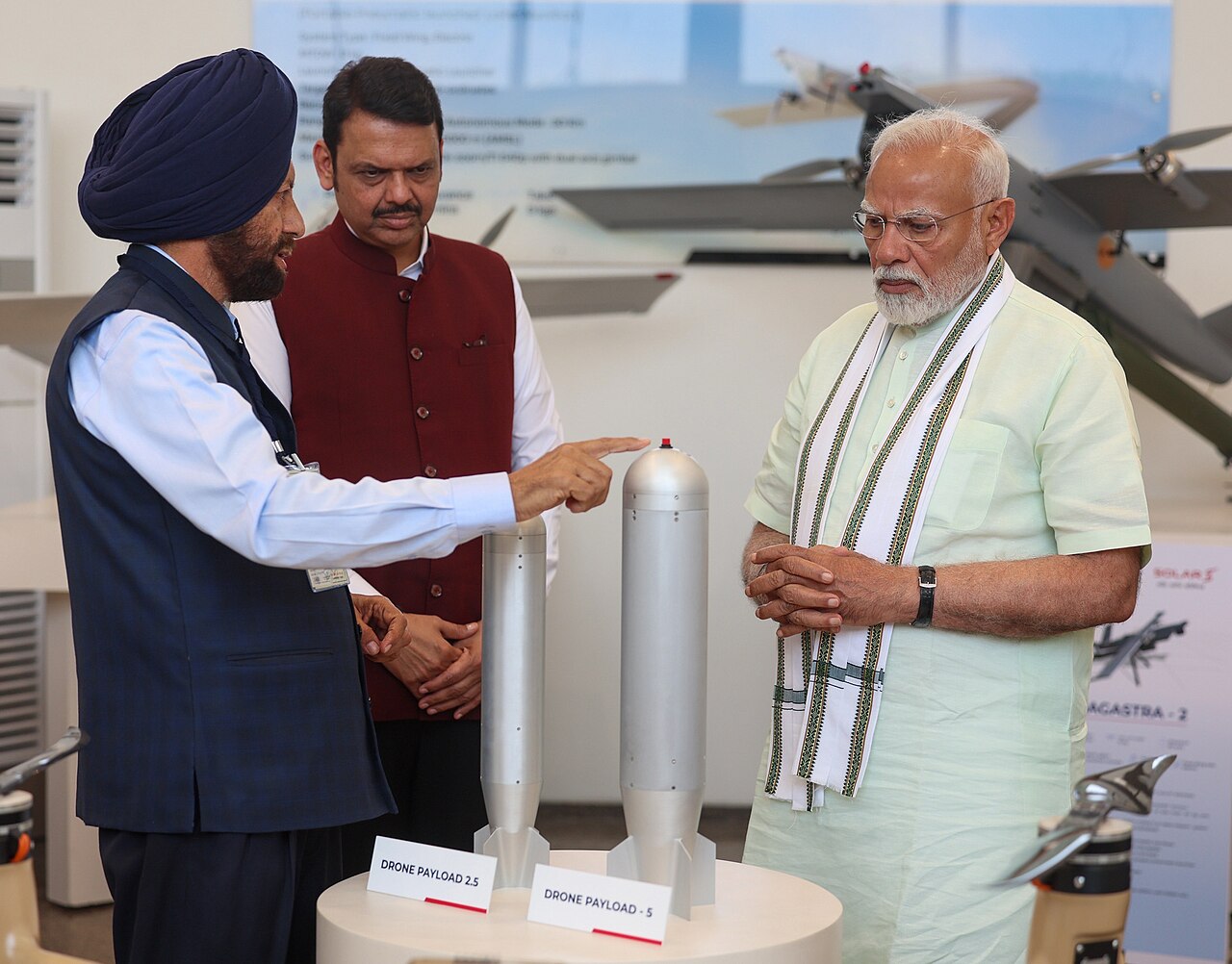
The Pentagon recently agreed to a significant increase in charges for Starlink satellite communications, impacting the operational costs of kamikaze drones deployed in the conflict with Iran. This development underscores the growing strategic leverage held by commercial providers over critical military capabilities. The price adjustment surfaced amidst a broader push by SpaceX to boost revenue ahead of a major financial event.

A prominent private fighter pilot academy in Canada has finalized an agreement to acquire advanced M-346 trainer jets from Italian aerospace manufacturer Leonardo. This strategic procurement aims to significantly modernize pilot instruction, specifically preparing future aircrew for the complex operational demands of fifth-generation combat aircraft.
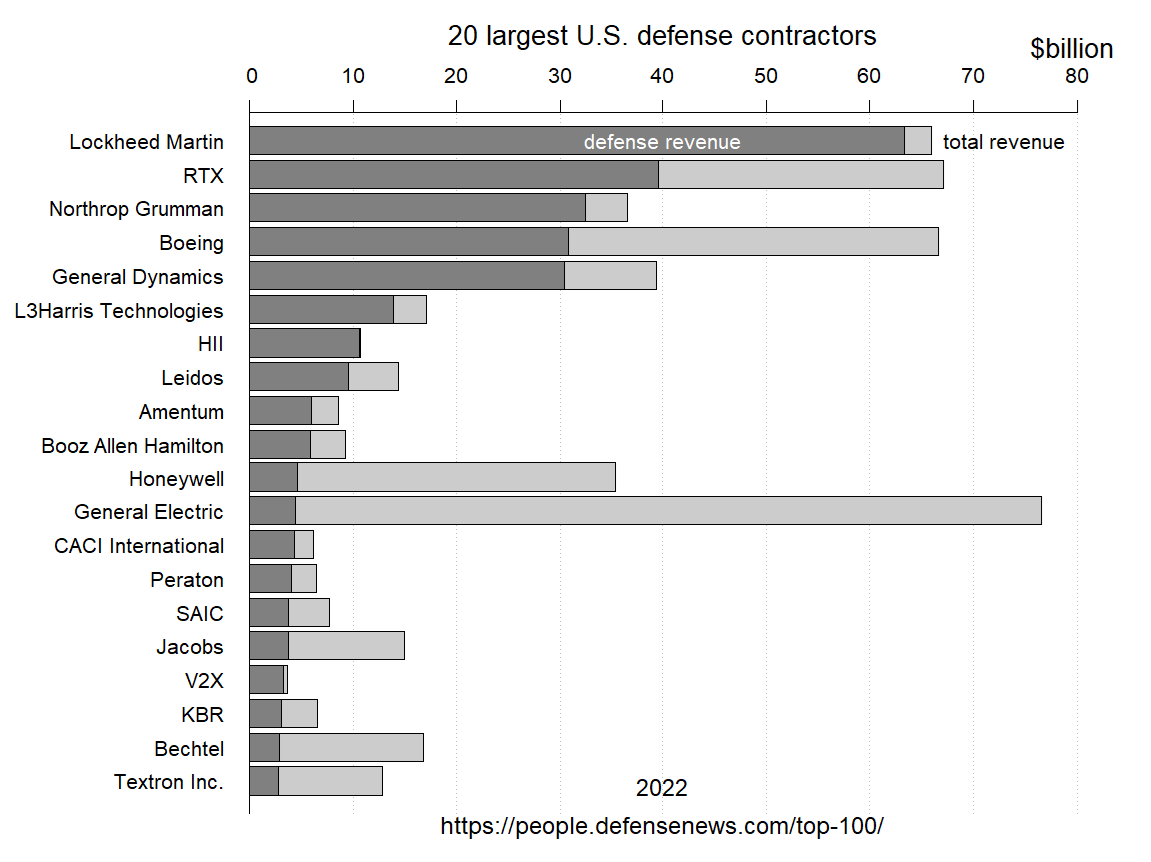
The House Armed Services Committee has unveiled its ambitious defense policy legislation for fiscal year 2027, earmarking over a trillion dollars with a pronounced focus on bolstering the nation's defense industrial base. This legislative push aims to address critical shortcomings in manufacturing capacity for key munitions, advanced aircraft, and naval vessels, ensuring future military readiness and global power projection.

The ongoing conflict involving Iran is creating significant budgetary pressures for the U.S. military, with lawmakers now scrutinizing potential shortfalls in the upcoming fiscal year 2027 defense authorization. Soaring aviation fuel expenses, a direct consequence of the war, threaten to disrupt projected operational costs across all service branches, particularly the Air Force. This financial strain complicates strategic planning and resource allocation for national security.

The modern battlefield is rapidly redefining how forces navigate, target, and survive, largely due to the pervasive threat to satellite-based positioning systems. With advanced electronic warfare and counterspace capabilities becoming routine, the era of uncontested GPS dominance is unequivocally over. Ensuring uninterrupted operational effectiveness now hinges on adopting robust, infrastructure-independent navigation technologies.
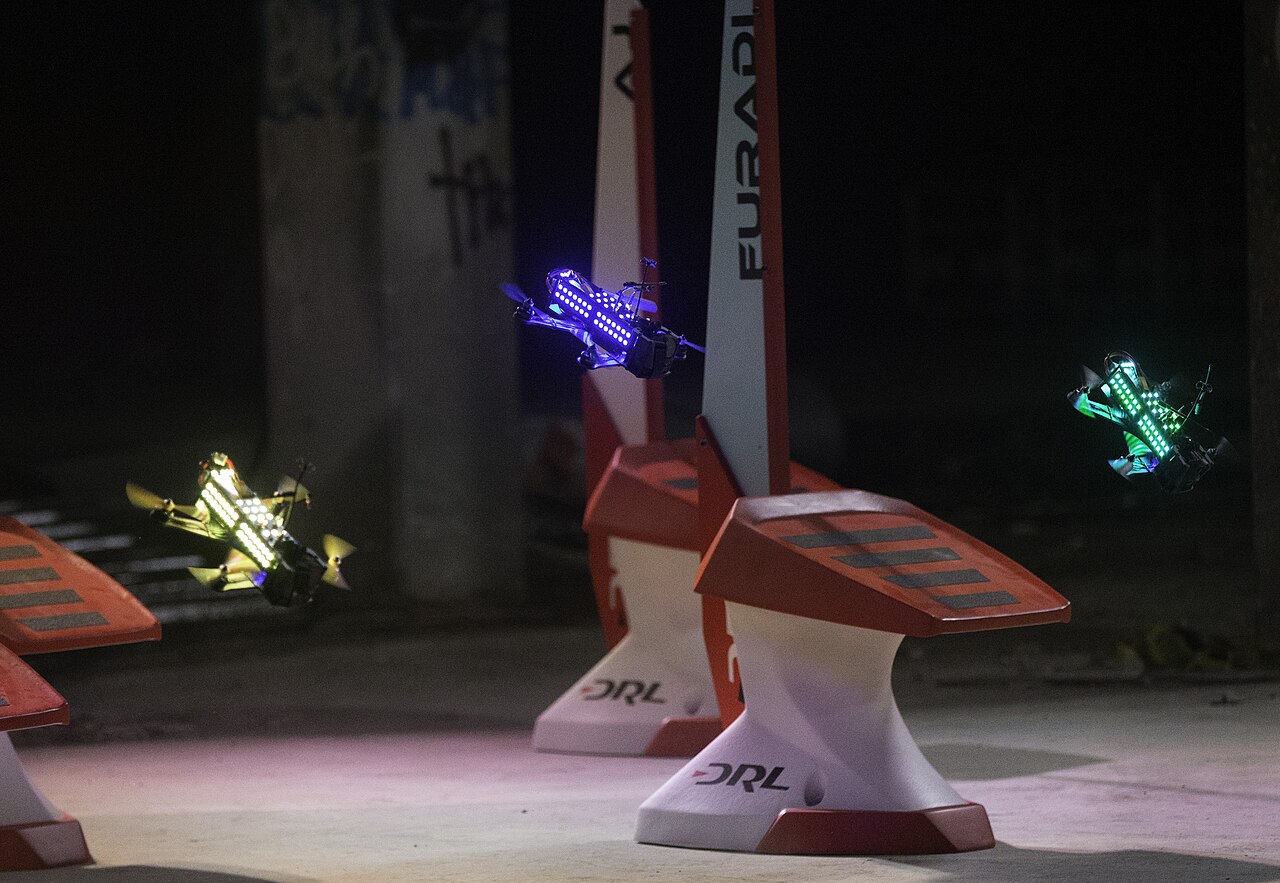
Ukrainian special operations forces are set to receive enhanced protection for their 4x4 vehicles from overhead drone attacks, thanks to a new ballistic protection kit developed by an Australian defense firm. This initiative directly addresses the escalating threat posed by small, first-person-view drones in modern conflict zones.
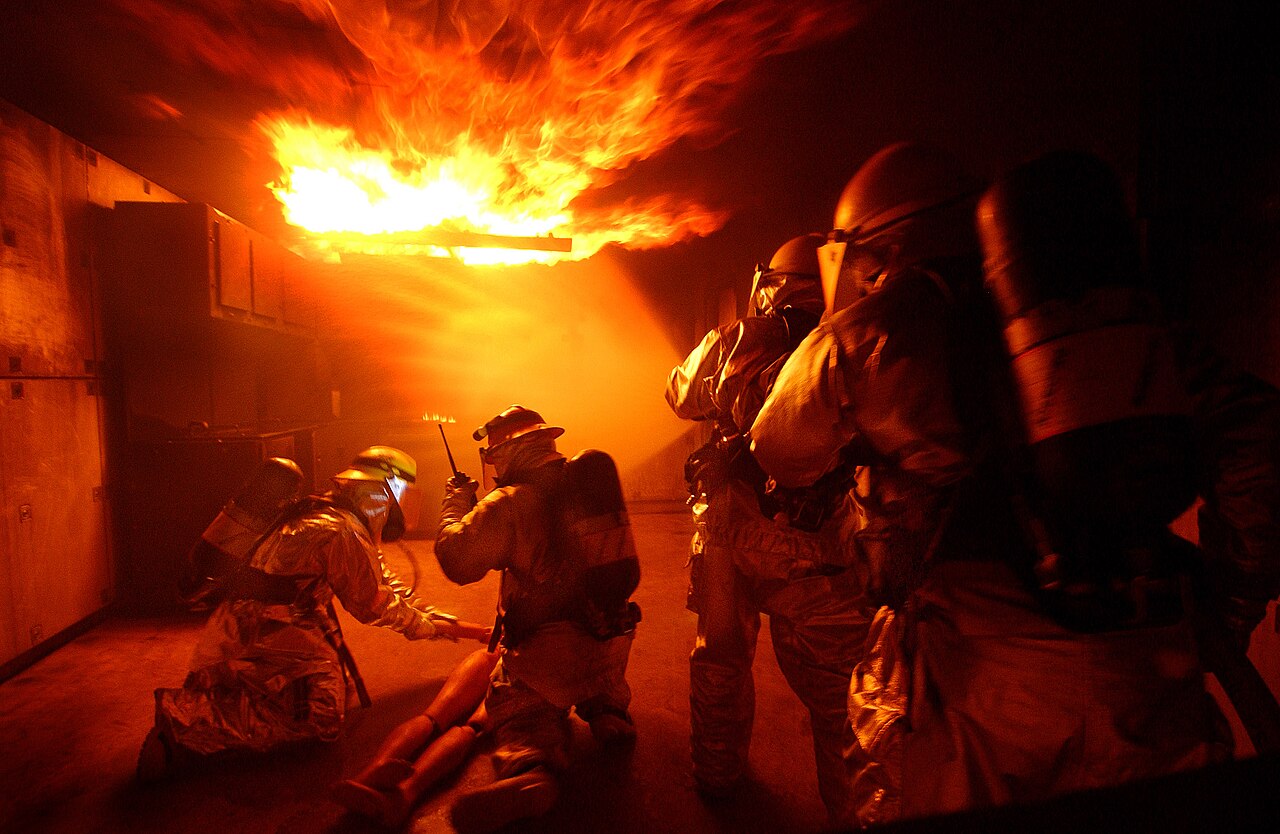
The Air Force's ambitious program to develop next-generation adaptive fighter jet engines has encountered another significant setback, with prototyping now projected to conclude in 2031. This latest extension builds on prior delays, pushing the timeline for this crucial propulsion technology further into the future.

The U.S. Navy has executed a major organizational overhaul of its information warfare leadership, dissolving a key command structure to better adapt to modern warfighting demands. This strategic realignment aims to integrate critical intelligence, cyber, and network functions more effectively across its operational framework.
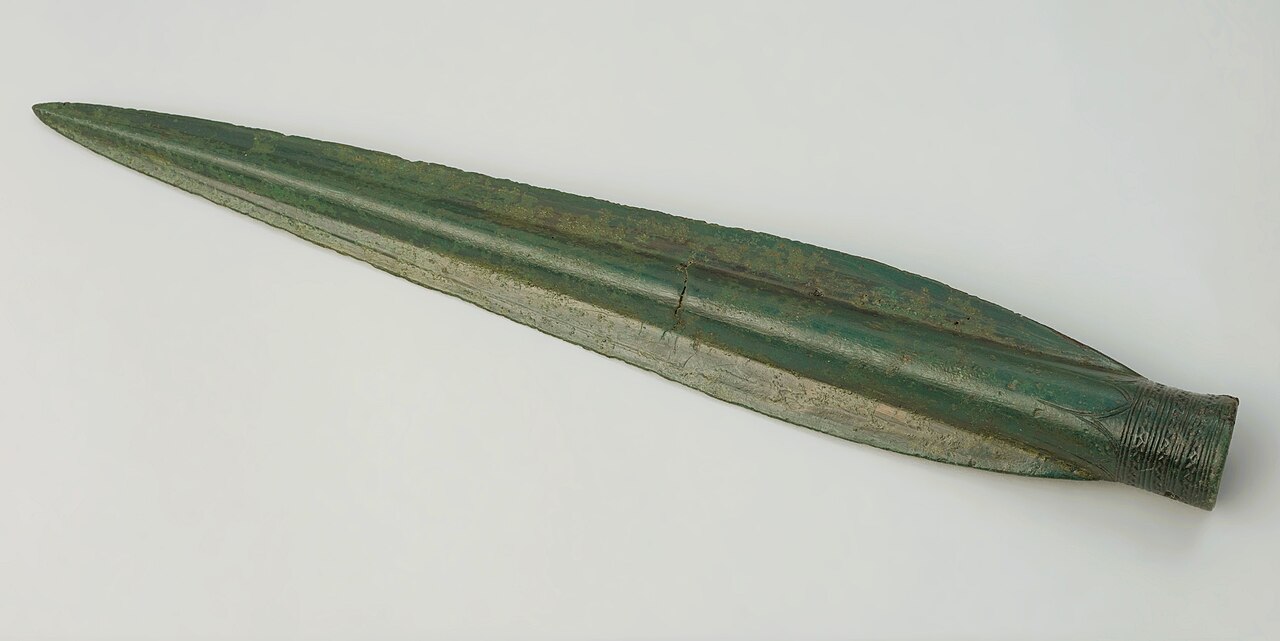
The U.S. Army has begun receiving the initial shipments of advanced next-generation Javelin weapon launchers from the Raytheon and Lockheed Martin joint venture. This significant upgrade introduces the Lightweight Command Launch Unit (LWCLU), designed to modernize anti-tank capabilities and enhance warfighter effectiveness on the battlefield.