Military & Defense
454 articles · Coverage updated continuously

Defense Secretary Pete Hegseth announced today that the long-awaited $152 billion in defense reconciliation funding, passed ten months ago, is finally poised to accelerate its disbursement. While only $26 billion has been contracted thus far, Hegseth assured the Senate Armed Services Committee that the 'floodgates' are about to open for critical initiatives like Golden Dome and new destroyers, despite initial delays blamed on the Office of Management and Budget.
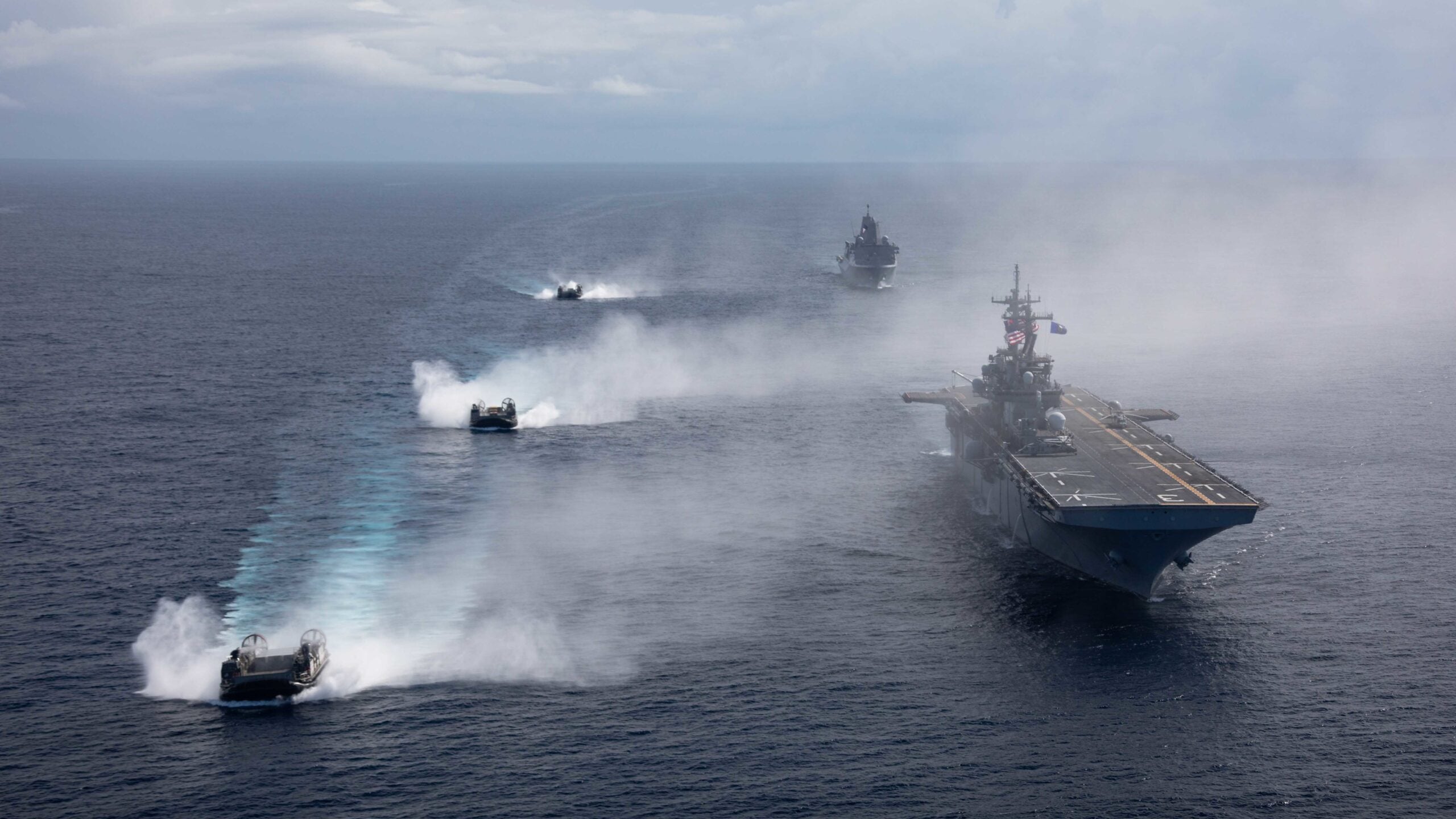
The U.S. Navy and Marine Corps are actively exploring a significant overhaul of their amphibious vessel force generation model, aiming to dramatically enhance ship readiness and global presence. This strategic shift could see ships deploy twice within a 50-52 month cycle, a substantial increase from the current single deployment every 36-40 months, as services struggle to meet escalating demand from combatant commanders worldwide.

Defense business intelligence reveals how a satellite manufacturer is leveraging AI-powered software as its 'secret sauce' for high-rate production of proliferated constellations, intentionally sidelining robotics for now. Concurrently, a startup secured $82 million to scale mobile 3D printing factories that can rapidly produce diverse defense components. These developments occur as a new coalition launches an ad campaign urging Congress to bolster American shipbuilding capacity.

The U.S. administration is approaching the 60-day legal limit for military operations against Iran without congressional authorization, sparking renewed debate over presidential war powers. Despite ongoing hostilities, including a recent blockade, the White House and Defense Secretary have remained silent on plans to seek an Authorization for Use of Military Force (AUMF) or an extension from Congress. This inaction raises significant constitutional and statutory concerns among lawmakers and legal experts.

The Marine Corps Commandant reveals global combatant commands are requesting more than double the currently available Amphibious Ready Groups (ARGs) with Marine Expeditionary Units (MEUs) onboard. This severe shortfall highlights a critical gap between operational demand and the U.S. Navy's deployable amphibious fleet. Despite having the personnel, the Corps faces a significant ship readiness crisis.
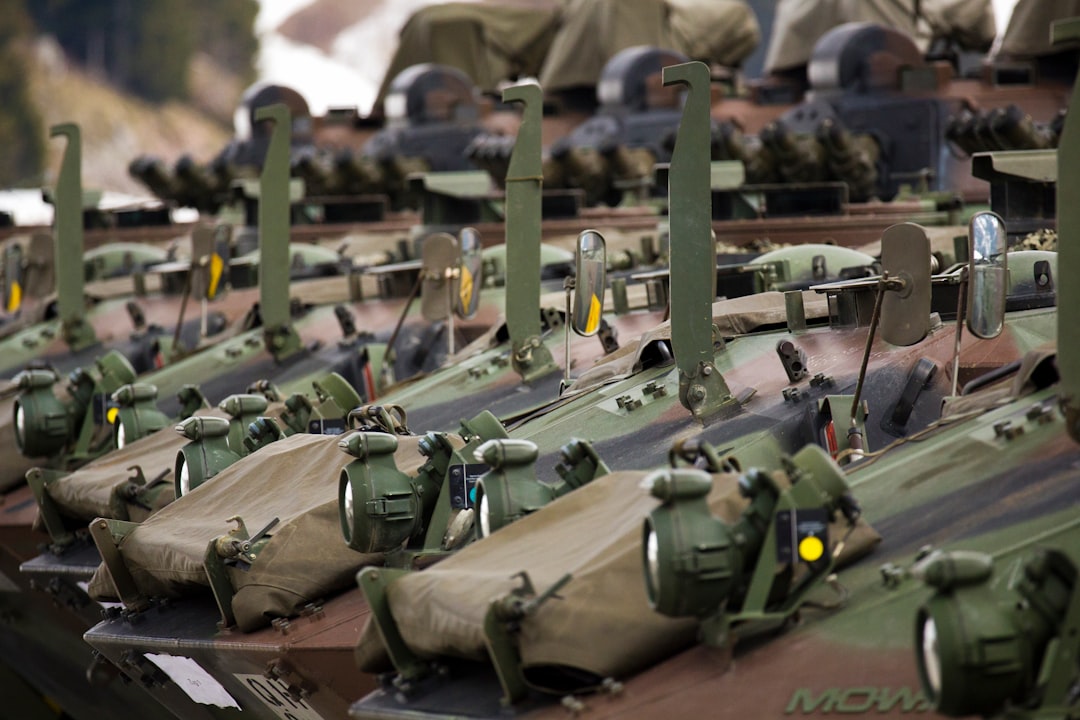
Romania has officially selected Rheinmetall's Lynx KF41 infantry fighting vehicle for a planned €3.4 billion ($4 billion) acquisition, marking a significant upgrade to its ground forces. This strategic decision will replace the military's antiquated Soviet-era MLI-84 vehicles, bolstering NATO's eastern flank capabilities and involving substantial local defense industry participation.

Amidst an unpopular and economically disruptive conflict, top U.S. military leaders are briefing President Donald Trump today on potential military options against Iran. The high-level discussions, involving commanders like CENTCOM chief Adm. Brad Cooper and Defense Secretary Pete Hegseth, aim to explore actions to compel Iran into negotiations to end the ongoing hostilities.

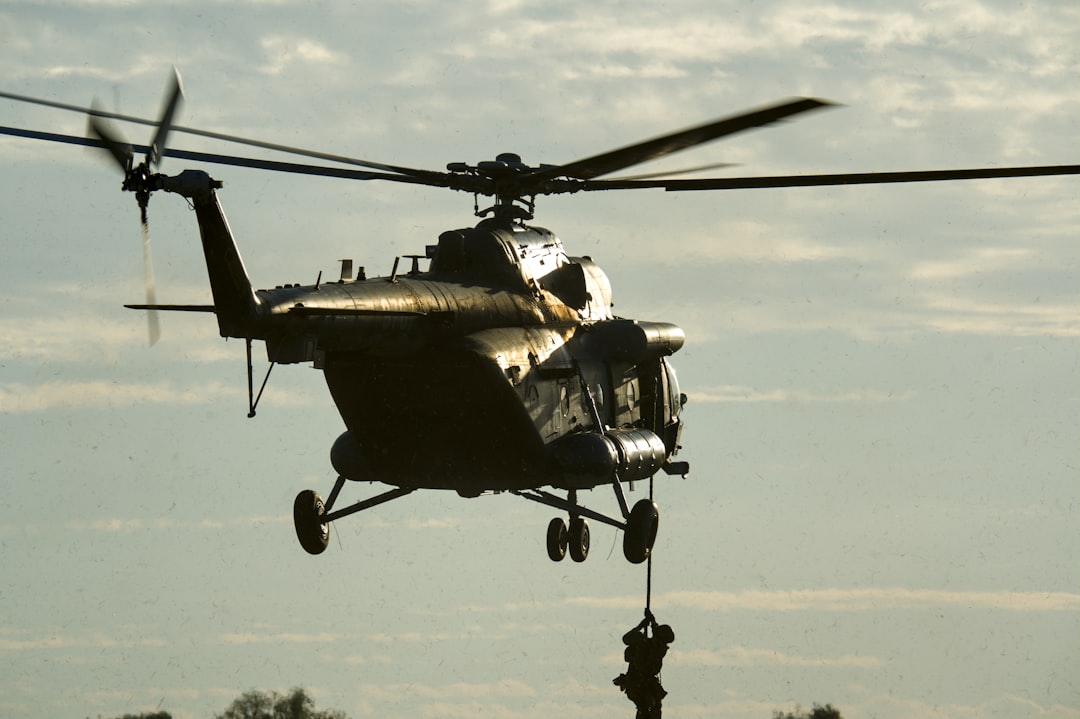
The Marine Corps' new CH-53K King Stallion heavy-lift helicopter is now slated for its inaugural operational deployment with the 26th Marine Expeditionary Unit (MEU) in fiscal 2027, following several production and supply chain delays. This highly anticipated milestone marks a significant step forward for the program, which aims to modernize the service's heavy-lift capabilities and support its distributed aviation operations strategy. The King Stallion has also recently surpassed 10,000 fleet flight hours.
The U.S. Marine Corps is integrating brain function evaluations into Marines' official health records, driven by congressional mandates to address the impacts of weapons blast exposure. This move aims to establish cognitive baselines and monitor neurological health, particularly for troops at high risk, as part of broader mitigation strategies to protect warfighters from overpressure injuries. The initiative follows immediate steps to limit blast exposure in training environments.
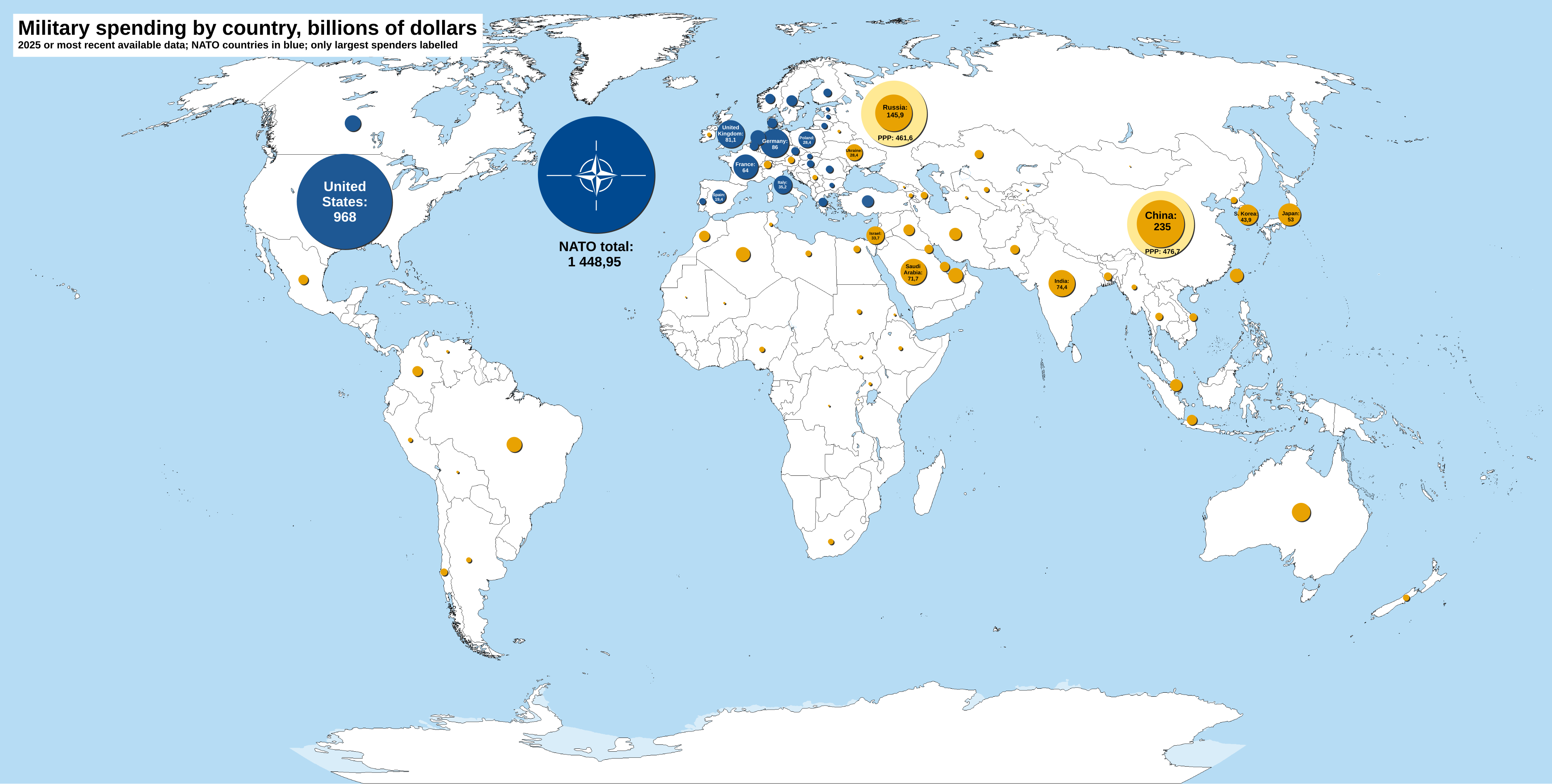
The Pentagon has disclosed for the first time that Operation Epic Fury in Iran has cost American taxpayers approximately $25 billion to date. Acting comptroller Jules Hurst III revealed the figure during House Armed Services Committee testimony, noting that the bulk of the expenditure has been on ordnance. This public disclosure marks a significant moment for the Trump administration regarding the financial transparency of the ongoing conflict.

BAE Systems Hägglunds is downplaying Estonia's recent withdrawal from a high-stakes joint European procurement of CV90 infantry fighting vehicles, stating the impact on the program will be "marginal." This comes as the company intensifies negotiations with the remaining five European nations for what is expected to be a substantial order of at least 500 new vehicles. Concurrently, BAE is undertaking significant investments to ramp up its production capacity in response to the robust demand for armored platforms across the continent.

Defense Secretary Pete Hegseth, Chairman of the Joint Chiefs Gen. Dan Caine, and acting comptroller Jules Hurst made their inaugural public appearance before the House Armed Services Committee. This critical hearing marks their first collective testimony since the onset of the Iran war, providing vital insights into current defense strategy and operations. Breaking Defense Pentagon reporter Ashley Roque offers a concise breakdown of the session's most significant points.