Military & Defense
458 articles · Coverage updated continuously

The United States has formally integrated offensive cyber operations into its national counterterrorism strategy, marking a significant evolution in its approach to global security threats. This new policy explicitly outlines the digital domain as a crucial battleground, enabling preemptive and punitive actions against adversaries alongside traditional military and diplomatic efforts. The strategy notably broadens the scope of entities targeted by such operations.

Outgoing Leonardo chief Roberto Cingolani has concluded his tenure, advocating for the continuity of his strategic direction that pivoted the company towards advanced cyber capabilities and integrated air defense solutions. His departure comes amidst a period of notable growth and a push to redefine the defense firm as a comprehensive global security provider.

The U.S. Air Force's ambitious program to re-engine its venerable B-52 Stratofortress bomber fleet has successfully navigated its Critical Design Review. This pivotal milestone paves the way for the first modifications to begin later this year, reinforcing the aircraft's critical role in national defense for decades to come. The initiative addresses vital obsolescence issues while enhancing the aircraft's operational capabilities.
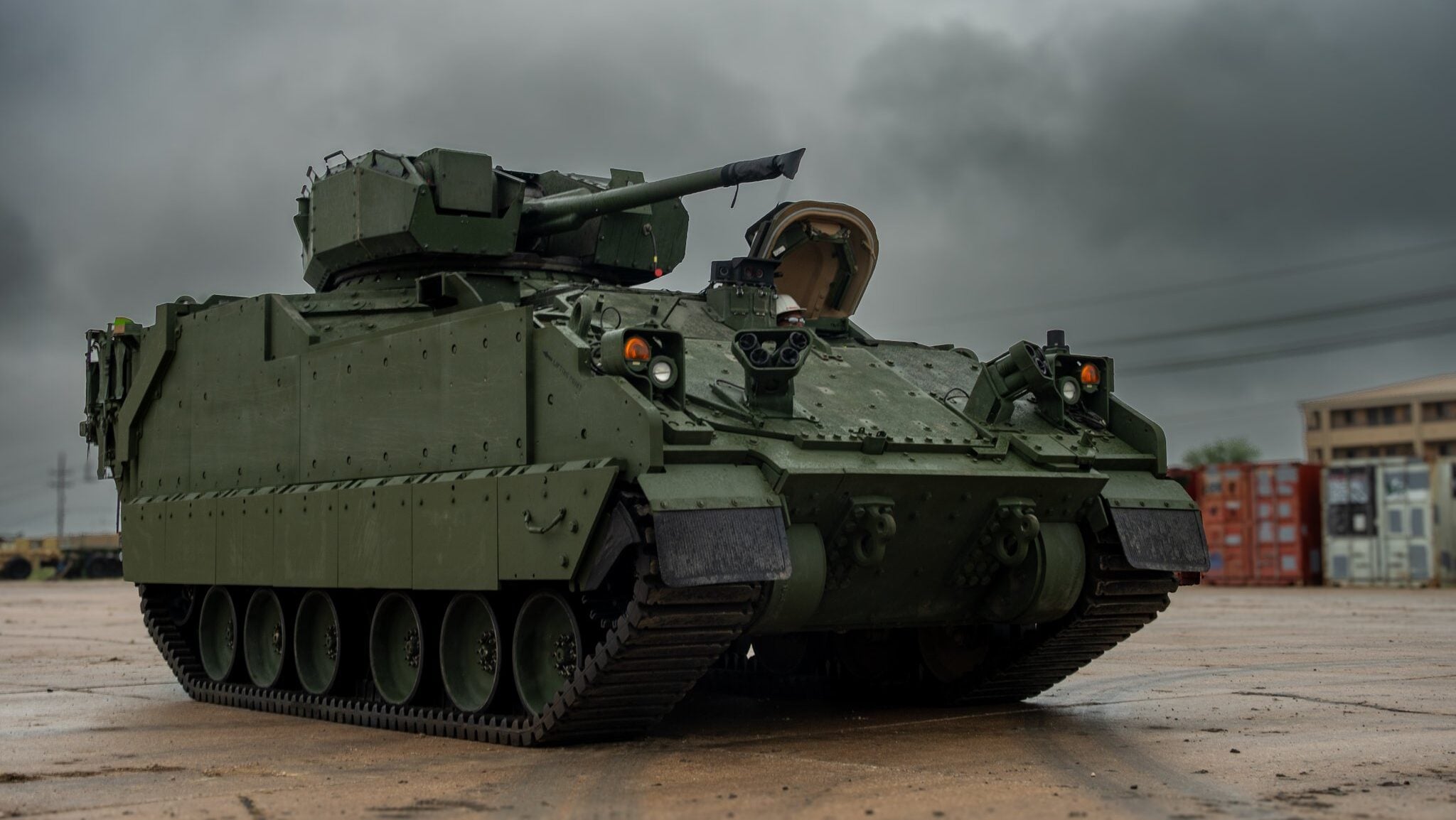
Advanced Armored Multi-Purpose Vehicle (AMPV) variants equipped with a 30mm turret are undergoing evaluation at the U.S. Army's Transformation in Contact (TiC) 2.0 exercise. This move by BAE Systems and Kongsberg aims to showcase alternative combat vehicle solutions, even as the Army maintains the AMPV 30 is not a direct contender for its primary Bradley Fighting Vehicle replacement program. The initiative suggests a proactive effort by industry to influence future acquisition strategies.

Germany's President recently indicated that American strategic military installations on German soil currently face no immediate peril, even as the United States prepares to draw down its troop presence. This assertion arrives amid Pentagon plans to reduce the number of US service members stationed in the country, a move that has sparked broader discussions about European defense autonomy.
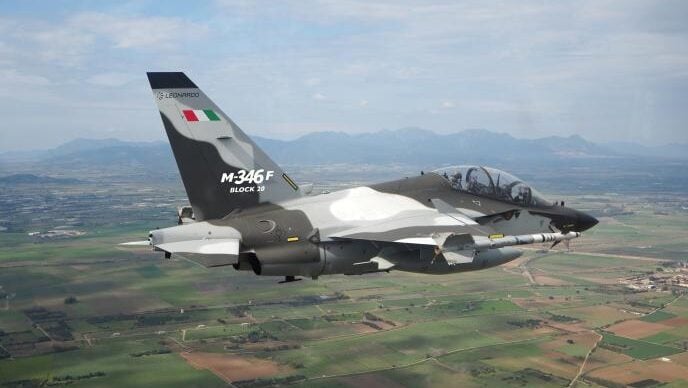
Italian defense giant Leonardo announced a significant uptick in new business for the first quarter of 2026, coinciding with the departure of its chief executive. This robust performance underscores the company's continued strength in a competitive global defense landscape, particularly in its core aeronautics segment.
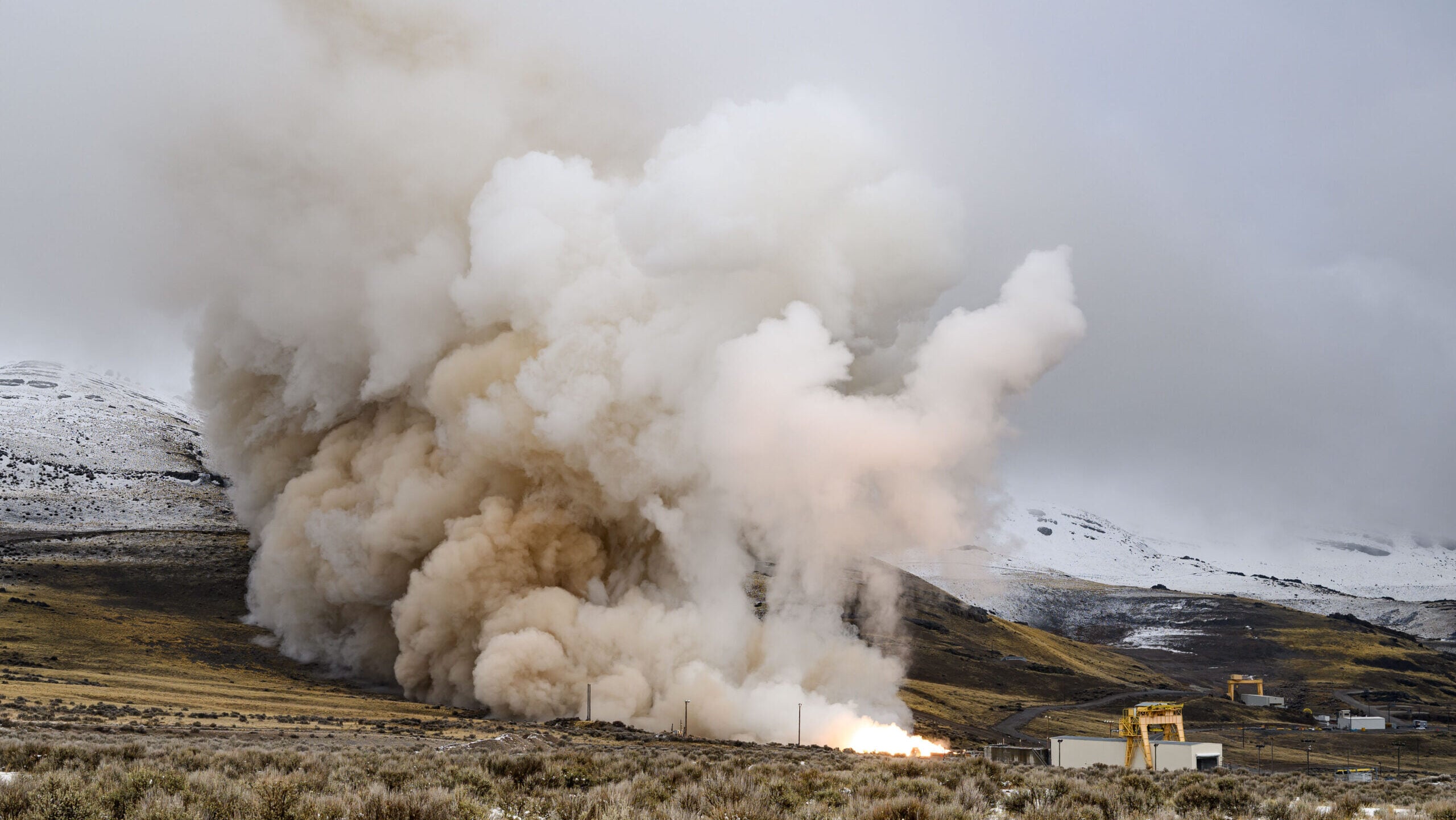
A significant regulatory dispute is unfolding between two major defense contractors, Northrop Grumman and Lockheed Martin, over critical solid rocket motor supplies. Northrop has petitioned the Federal Trade Commission to remove a 2018 consent order that mandates a firewall around its SRM operations and non-discriminatory supply to rivals. Lockheed Martin, a primary competitor in the missile market, is vehemently opposing this request, citing potential risks to the industrial base and national readiness.
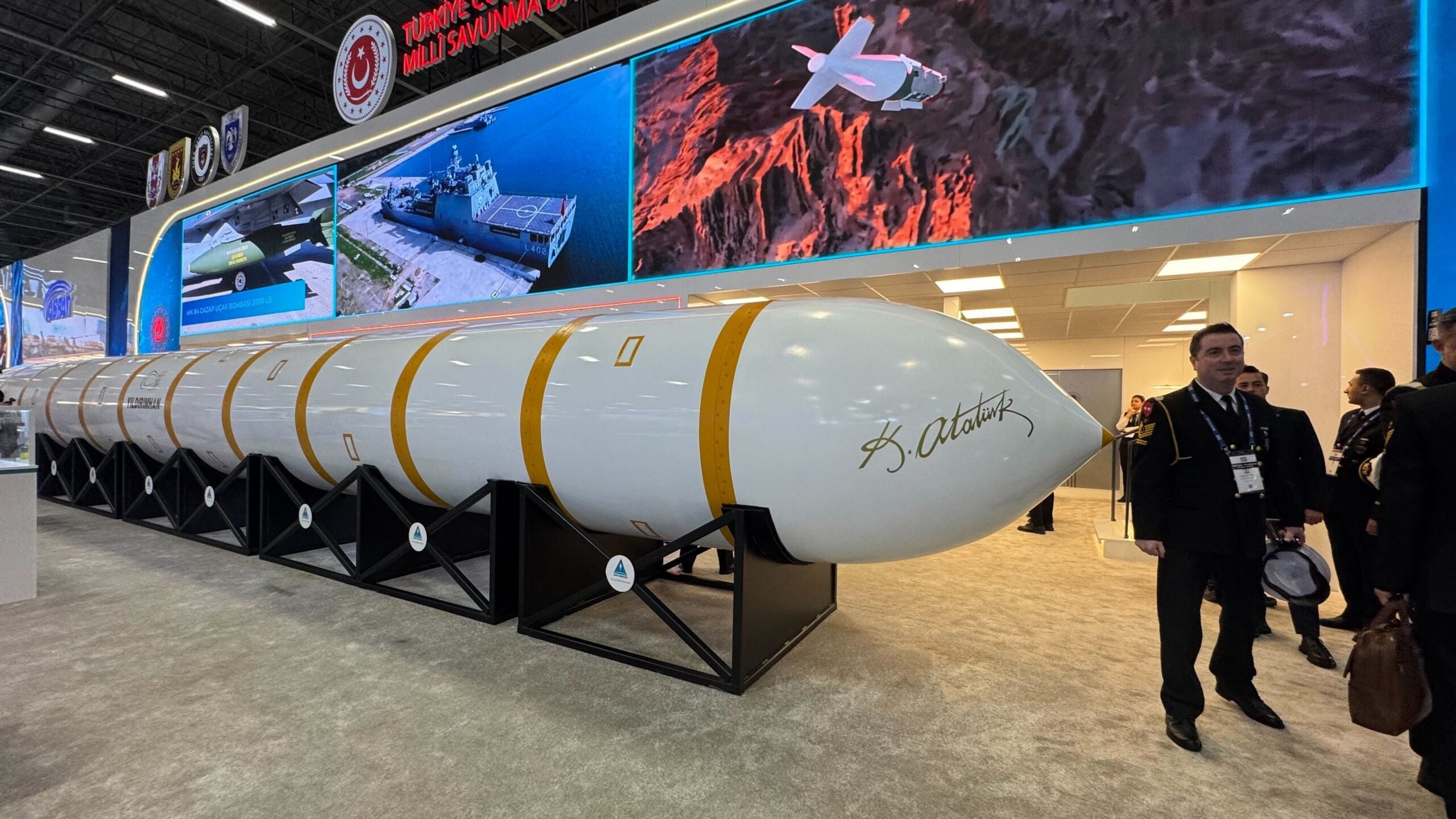
At a recent defense exposition, Turkey unveiled an intercontinental ballistic missile, projecting a significant expansion of its long-range strike capabilities. This development marks a pivotal moment in Ankara's ongoing drive to bolster its national defense posture and strategic autonomy.

The U.S. Coast Guard is establishing a new Special Missions Command, a significant organizational shift designed to unify its previously dispersed elite deployable forces. This strategic move aims to enhance operational efficiency and responsiveness amidst escalating global maritime security challenges and increased demands for specialized capabilities.

Lockheed Martin, a global defense industry leader, is ushering in new leadership for its critical Aeronautics division. This strategic move sees the head of the company's renowned Skunk Works advanced development program stepping into the top role, overseeing some of the world's most advanced military aircraft initiatives.
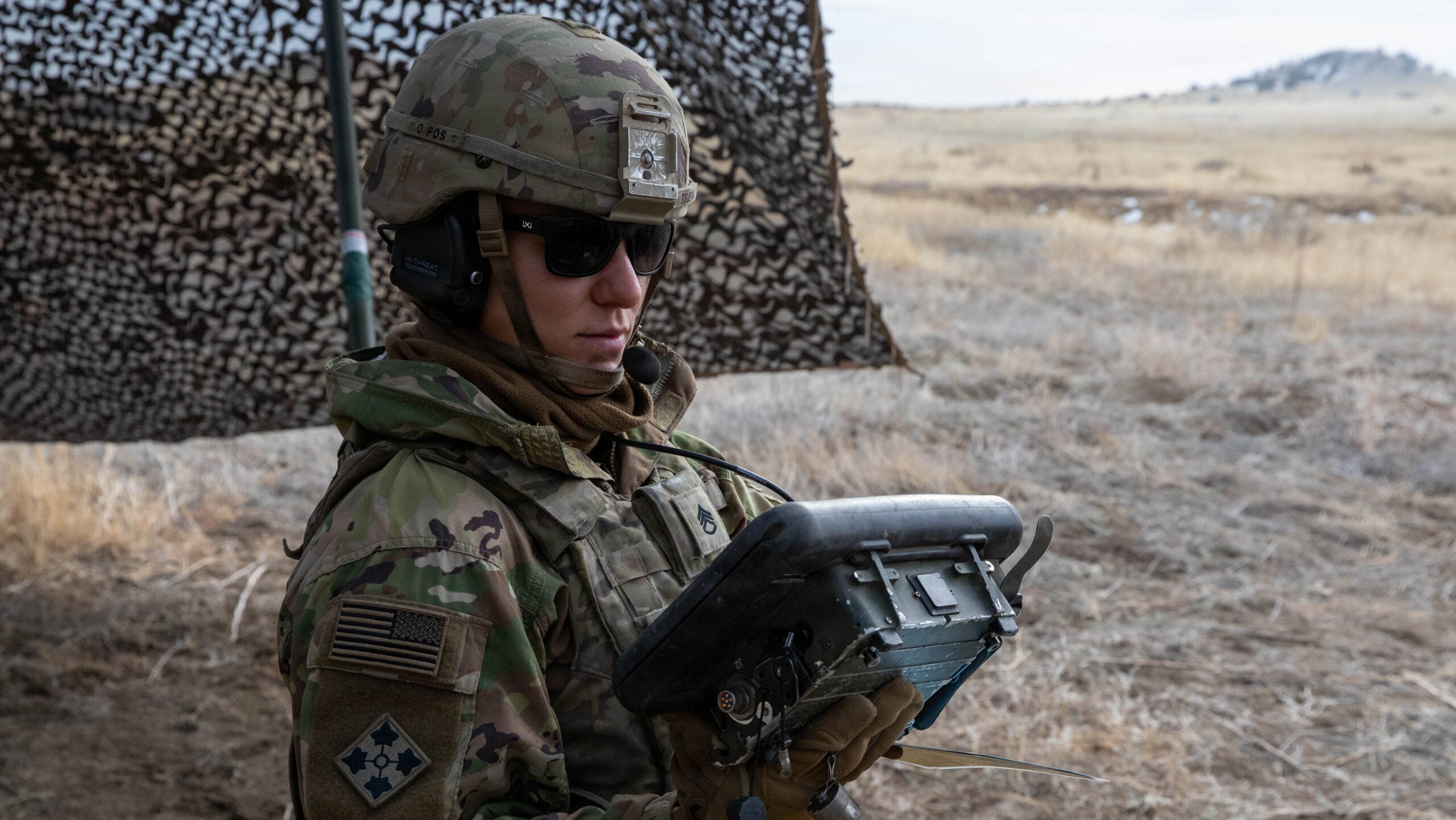
The U.S. Army is pushing to rapidly deploy its Next Generation Command and Control (NGC2) architecture across all eleven of its divisions within an ambitious five-year timeframe. This expedited schedule aims to modernize battlefield data sharing and communication capabilities at an unprecedented pace, far quicker than previous network modernization efforts.
The U.S. Army is launching an innovative initiative to tackle the pervasive challenge of disparate battlefield and business systems. This program, dubbed 'Right to Integrate,' will bring together major defense contractors in a series of collaborative sessions aimed at forcing better interoperability. The goal is to ensure seamless data sharing and communication across critical military platforms.