Military & Defense
448 articles · Coverage updated continuously
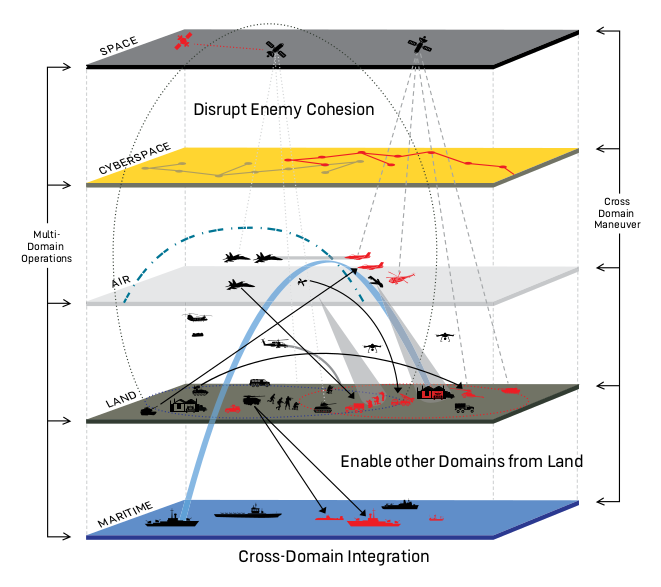
The U.S. Army's intelligence command, in conjunction with the Joint Staff's J-7, is initiating trials for a novel intelligence, surveillance, and reconnaissance (ISR) prototype known as Project Wallabee. This system integrates an autonomous target recognition sensor with a stratospheric high-altitude balloon, aiming to overcome the inherent challenges of operating sensor payloads in extreme upper atmospheric conditions. The immediate significance lies in advancing capabilities for resilient, multi-layered sensing. This development underscores a broader strategic imperative within the U.S. defense establishment to diversify and decentralize ISR assets across all operational domains. It addresses vulnerabilities associated with over-reliance on singular sensing platforms, particularly in an era of contested space and evolving peer threats.
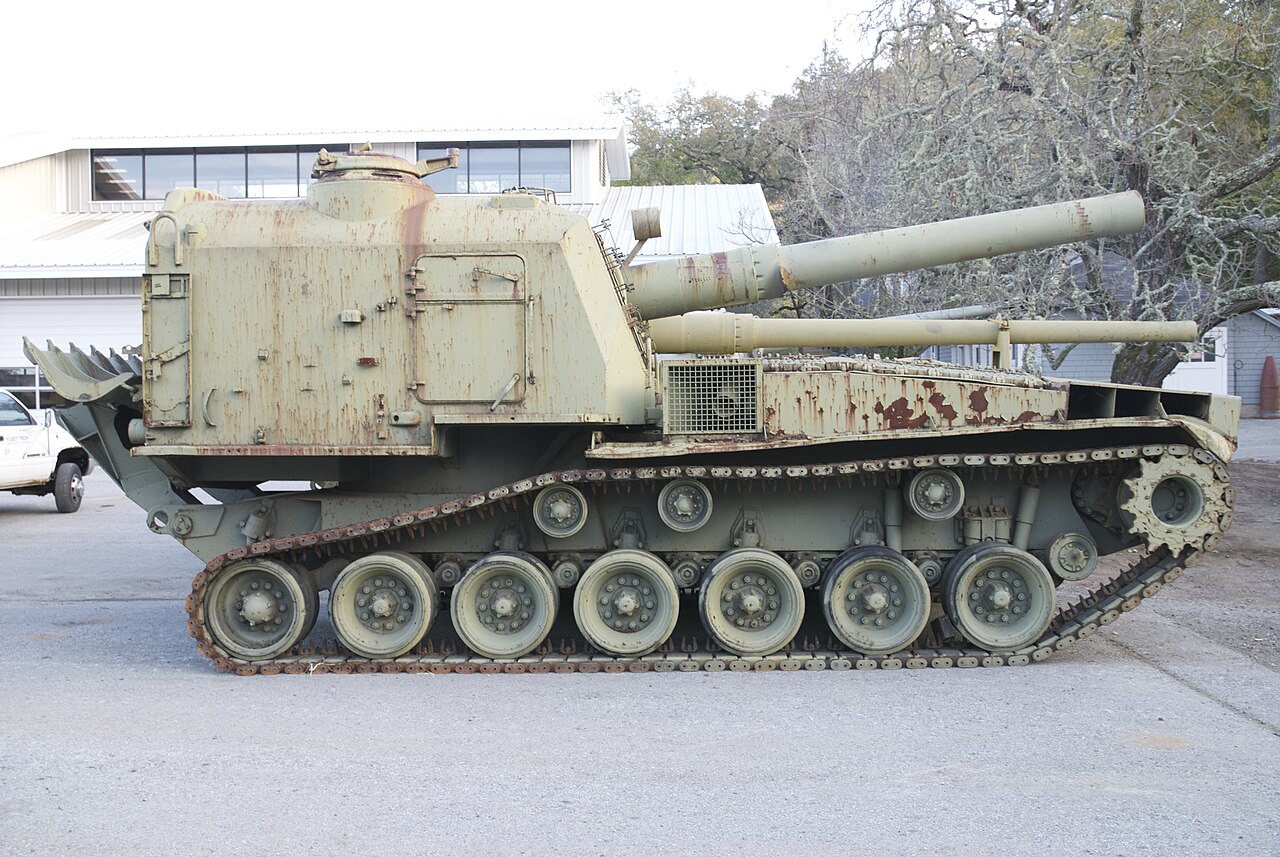
In a significant development for the Army’s modernization efforts, Anduril Industries has joined forces with Elbit America to offer the Sigma mobile tactical cannon for the highly contested self-propelled howitzer program. This partnership underscores a growing trend of integrating cutting-edge C5ISR and artificial intelligence capabilities directly into frontline combat systems, promising enhanced networked battlefield performance. The collaboration aims to deliver a domestically manufactured, combat-proven solution designed to meet the Army's immediate and future artillery requirements. This strategic alignment reflects a broader industry pivot towards software-defined defense platforms, where advanced data processing and autonomous functionalities are critical discriminators. The competition for the Army's next-generation artillery system highlights the urgent need for robust, resilient, and interconnected firepower in an increasingly complex and contested operational environment.

A bipartisan group of lawmakers has initiated an inquiry into a substantial $620 million Pentagon loan to a nascent rare-earth magnet company, following investigative reporting that revealed alleged direct White House intervention in the approval process. The congressional action highlights profound concerns regarding potential influence peddling and the integrity of critical defense industrial base investments. This scrutiny focuses on whether established Department of Defense (DoD) procurement protocols were circumvented to benefit a firm with ties to the president's family. This controversy unfolds against a backdrop of increasing strategic competition, where securing crucial mineral supply chains is paramount for national security and technological superiority. Any perceived compromise in the transparency and fairness of such strategic investments risks undermining public trust and the effectiveness of efforts to fortify America’s defense capabilities.
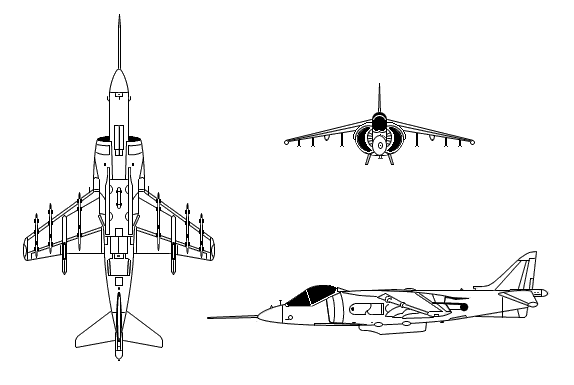
The United States Marine Corps has formally retired its venerable AV-8B Harrier II, concluding over four decades of service for the iconic ground attack jet with a final flight at Marine Corps Air Station Cherry Point. This sundown ceremony marks a pivotal moment in the service’s tactical aviation modernization, signaling a full commitment to integrating fifth-generation platforms across its operational fleet. The aircraft’s distinctive short takeoff and vertical landing (STOVL) capability shaped expeditionary air power for generations, recently contributing to naval operations in the U.S. Southern Command theater. This transition reflects broader strategic shifts within the Department of Defense, emphasizing advanced, networked capabilities for complex operational environments. The move underscores an ongoing commitment to maintaining a technological edge while adapting to evolving global threats and demands for agile, potent air power projection.
President Trump has moved to strip civil service protections from approximately 8,000 career federal employees, converting their positions to an "at-will" employment status. This directive immediately impacts senior policy-related roles across critical departments including Defense, State, and Homeland Security, significantly altering job security and the appeal processes for adverse personnel actions. The change aims to empower the administration with greater flexibility in managing its workforce, particularly in positions deemed crucial for executing policy priorities. This action represents a significant development in the ongoing tension between presidential executive authority and the established independence of the federal bureaucracy. It raises questions about the long-term stability of the administrative state and its implications for the continuity and non-partisan execution of national security and defense strategies.

Israel's defense exports surged to an unprecedented nearly $20 billion in 2025, marking a significant third consecutive year of growth and establishing a new financial benchmark. This substantial increase coincides with the nation's largest-ever defense budget approval and sustained multi-front military engagements, underscoring the deep connection between battlefield performance, advanced industrial capabilities, and global market demand for security systems. The figures highlight Israel's growing influence in the international defense landscape. This expansion reflects a globalized demand for proven military technologies, particularly those demonstrated in active combat zones and complex threat environments. It also signifies a strategic evolution within Israel's defense industrial base, balancing urgent domestic security requirements with aggressive international market penetration strategies to foster economic growth and strategic alliances.

A new commission report has put forward an estimated initial budget exceeding ten billion dollars for establishing an independent U.S. Cyber Force. This significant financial commitment aims to address persistent readiness gaps and the varied personnel management practices that currently exist across the military’s individual cyber components, which supply forces to US Cyber Command. The proposed overhaul seeks to unify a fragmented system, enhancing strategic coherence and operational effectiveness. This development reflects a growing recognition that cyberspace is a distinct and critical warfighting domain, necessitating a dedicated and specialized military structure. Against a backdrop of escalating state-sponsored cyber threats and complex digital battlefields, a unified Cyber Force could fundamentally reshape the nation's defense posture in the digital realm.

Key United States allies are experiencing unexpected delays in critical weapon deliveries, a direct consequence of Washington prioritizing its own depleted stockpiles after extensive recent military operations. This re-prioritization impacts the defensive readiness of nations like Taiwan and Japan, who rely on US systems for deterrence and security amidst rising regional tensions. This shift underscores a growing tension between global security commitments and domestic defense needs, potentially signaling a significant re-evaluation of defense procurement strategies and alliance dynamics across the Indo-Pacific and European theaters. The ramifications extend to long-term strategic planning for partners accustomed to more predictable supply chains.
Germany's Rheinmetall has finalized an extensive multi-billion dollar agreement with Romania, valued at approximately 6.6 billion US dollars, to supply a comprehensive suite of advanced military hardware. This landmark contract, the largest international package in the company's recent history, encompasses nearly 300 Lynx combat vehicles, Skyranger air defense systems, substantial ammunition stocks, and new naval assets, significantly bolstering Romania's defense capabilities. The procurement underlines Bucharest's commitment to modernizing its forces amidst evolving regional security challenges. This substantial investment, partially financed through the European Union's Security Action for Europe (SAFE) program, underscores a broader trend of enhanced defense spending and strategic rearmament across NATO's eastern flank. It reflects a concerted effort by European nations to strengthen collective deterrence and build resilient industrial capacity in response to the volatile geopolitical landscape.
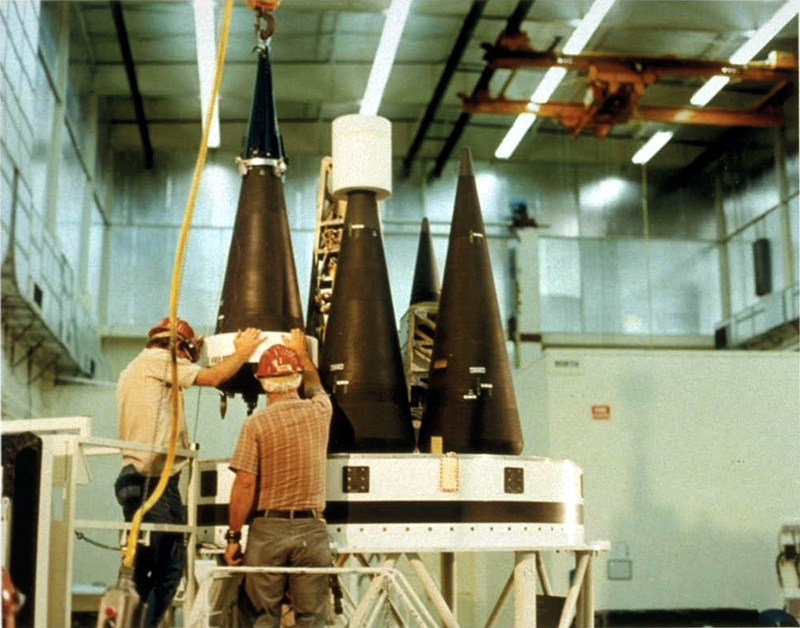
The United States is reportedly considering a significant shift in its Indo-Pacific security posture, contemplating the redeployment of theater nuclear forces to the Western Pacific. This potential move aims to directly address the escalating nuclear capabilities of China and persistent threats from North Korea, while reassuring key regional allies. The initiative comes amidst a proposed substantial increase in the US defense budget, signaling a broader commitment to enhancing America's military strength. This strategic re-evaluation underscores a growing concern within Washington regarding the credibility of its extended deterrence in East Asia, particularly in light of adversaries developing precision, low-yield nuclear options. The geopolitical landscape increasingly suggests a return to a more overt, region-specific nuclear presence to counter evolving threat dynamics.
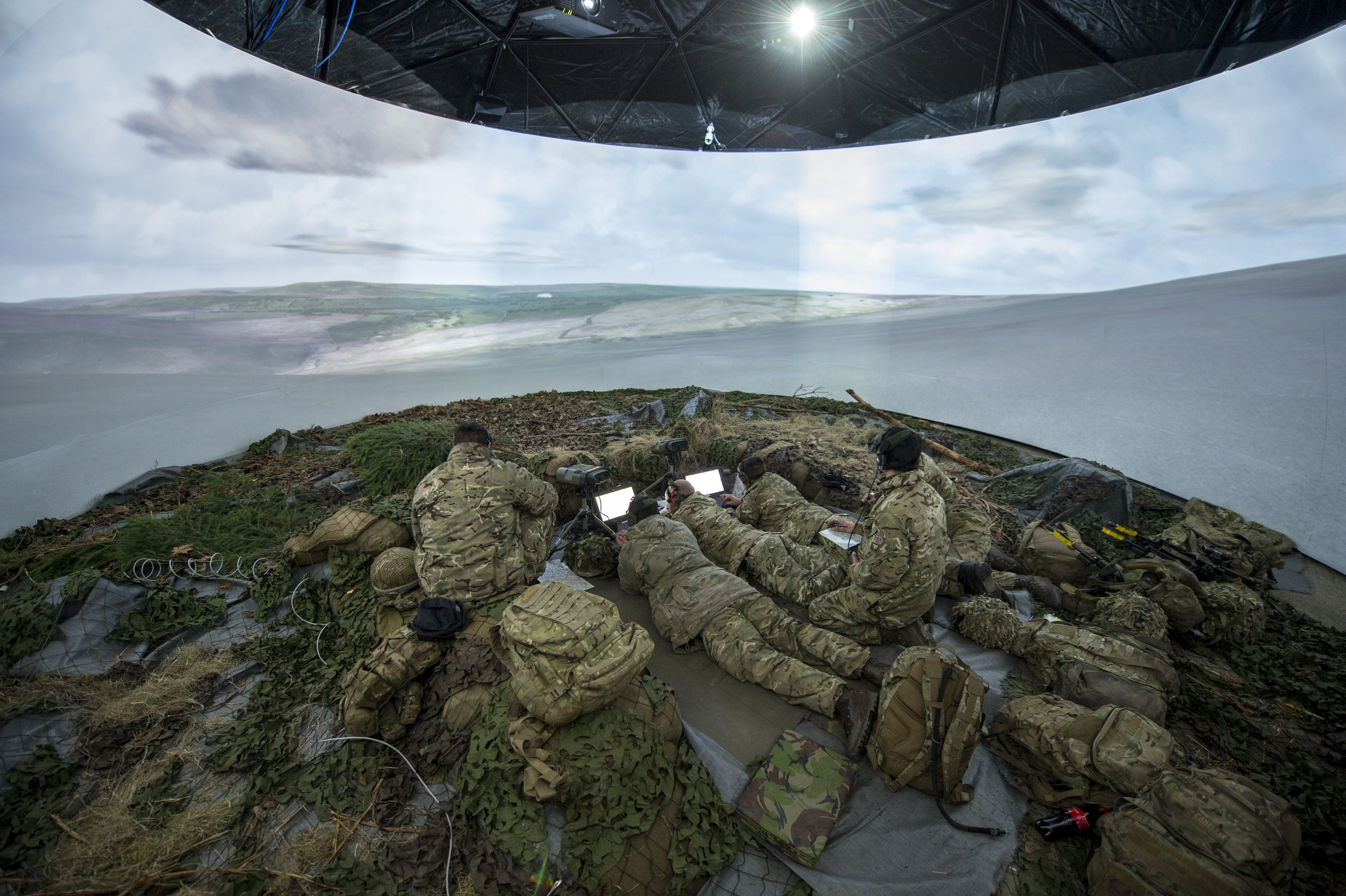
Europe's collective security hinges on the ability of its member states to achieve seamless operational coordination, a challenge amplified by legacy simulation systems and disparate data environments. A unified, integrated modeling and simulation (M&S) framework is emerging as a critical enabler, transforming how multinational forces prepare for complex threats. This approach is poised to significantly accelerate joint readiness and enhance decision-making across the NATO alliance. This strategic imperative unfolds against a backdrop of escalating geopolitical tensions, the proliferation of hybrid warfare tactics, and rapid advancements in military technology. Modern M&S capabilities offer a vital tool for understanding, rehearsing, and adapting to these dynamic challenges without committing physical assets.
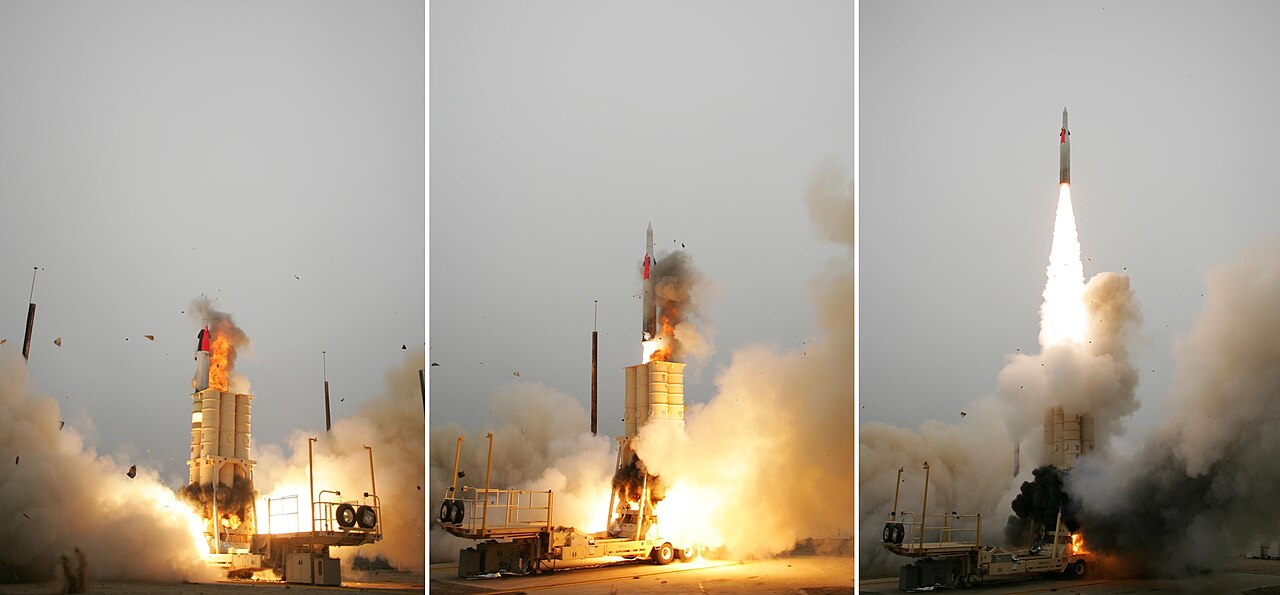
Malaysia's Defense Minister recently delivered a sharp public rebuke to Norway, condemning its unilateral decision to terminate a critical Naval Strike Missile (NSM) procurement agreement. This unexpected cancellation not only represents a significant setback for Malaysia's naval modernization efforts but also raises profound questions about the sanctity of international defense contracts and the reliability of strategic partnerships. The NSM system, a sophisticated anti-ship missile, is pivotal for enhancing maritime security capabilities in the contested waters of Southeast Asia. This incident unfolds against a geopolitical backdrop where great power competition and evolving export control regimes increasingly influence global arms transfers. Such unilateral actions risk eroding the foundational trust necessary for long-term defense cooperation, particularly impacting smaller nations seeking to bolster their sovereign defense postures.