Drones & Autonomous
94 articles · Coverage updated continuously
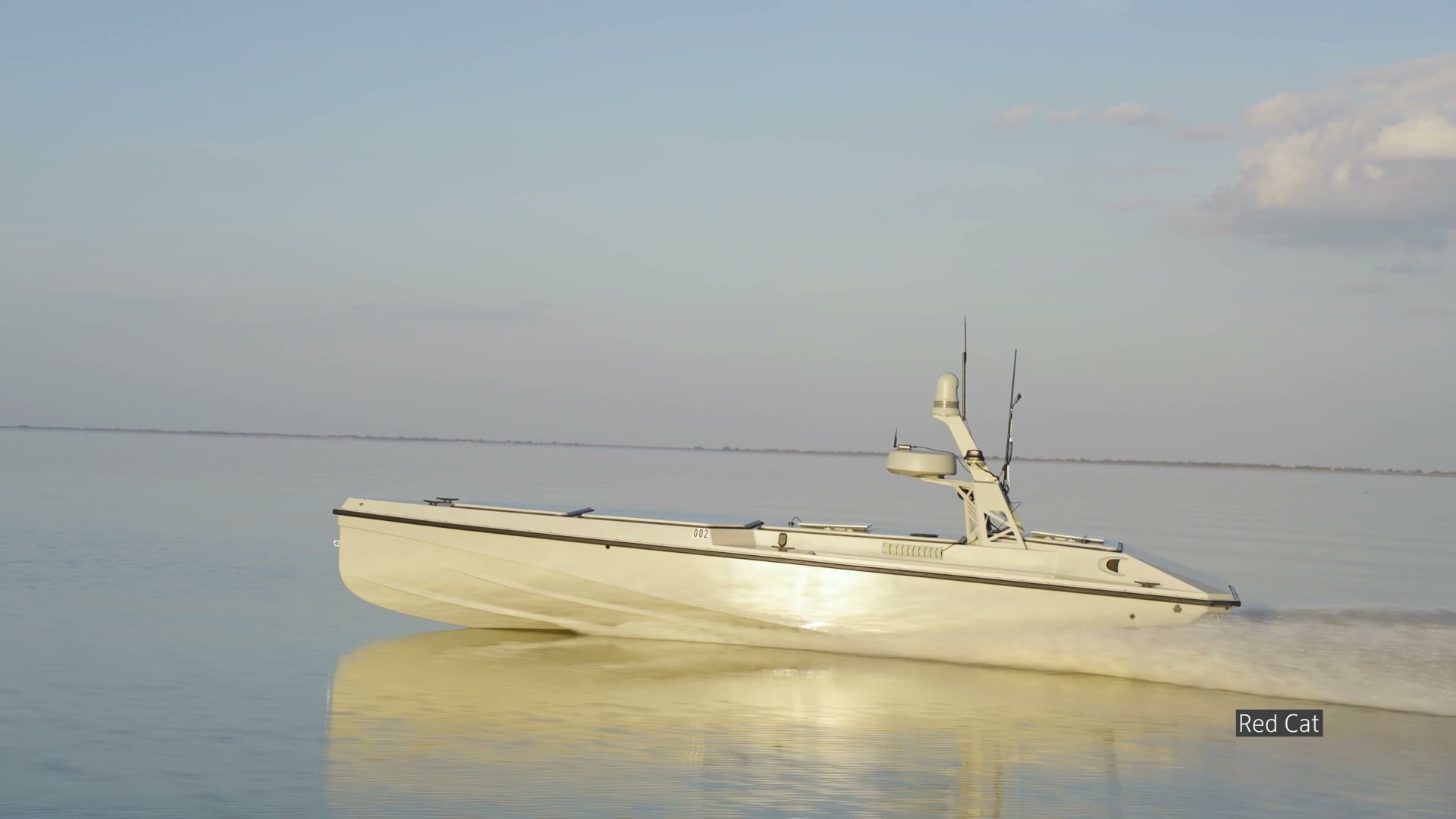
Red Cat, a prominent name in aerial drones, has unveiled Blue Ops, a new venture aimed at the mass production of Unmanned Surface Vessels (USVs). This strategic move signals a significant expansion of autonomous capabilities into the maritime domain, poised to redefine naval intelligence gathering and defense strategies.
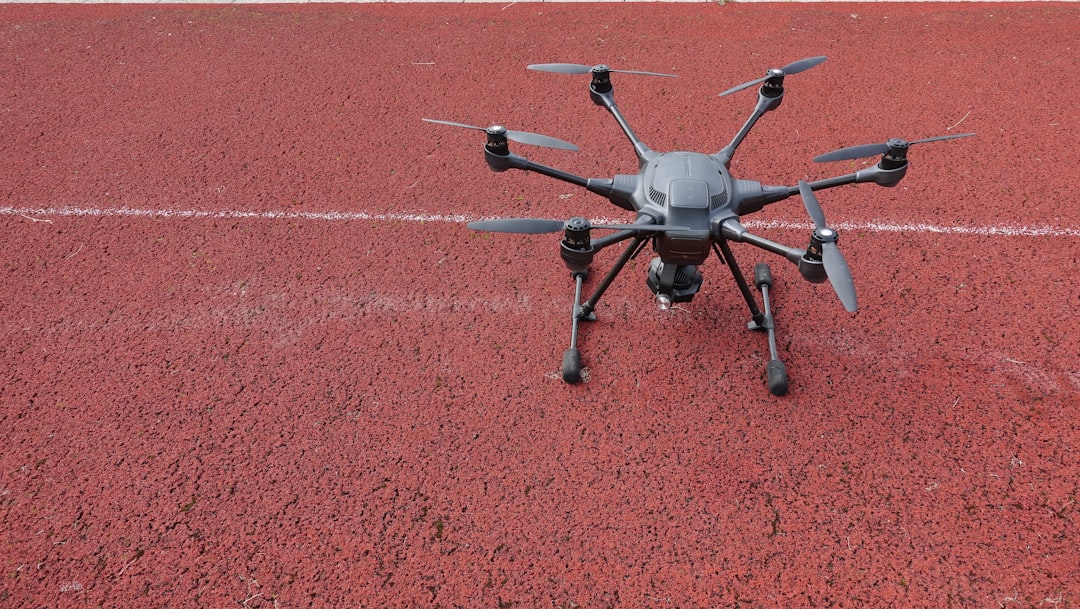
Romania has officially gained access to the U.S. counter-unmanned aerial system (C-UAS) marketplace, a strategic move announced by the Army. This integration into the U.S.-managed platform is part of a broader Pentagon initiative designed to accelerate the procurement of critical C-UAS technology for allied nations, addressing the rapidly evolving threat landscape posed by unmanned systems.
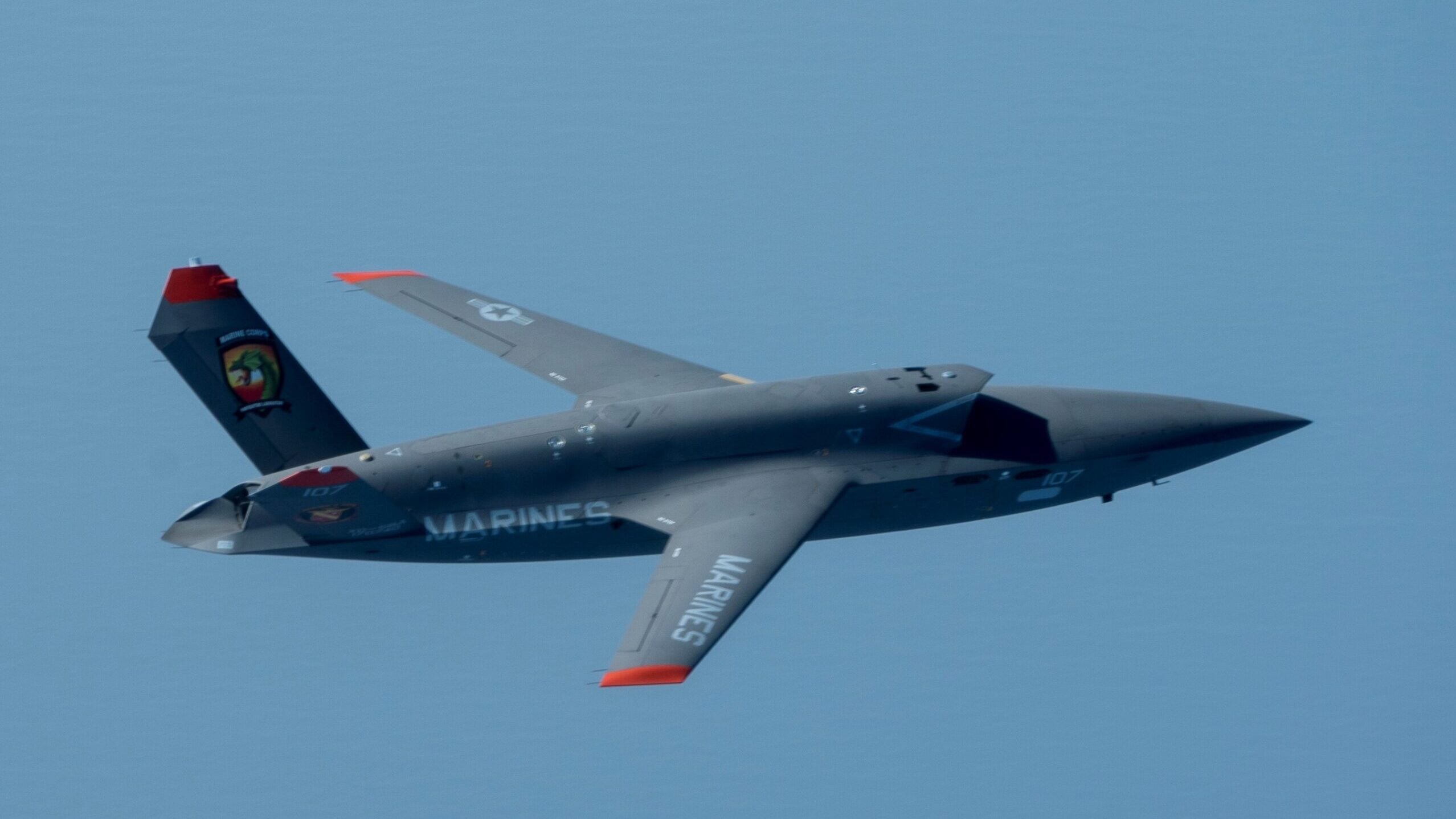
The U.S. Marine Corps is poised for a significant operational shift, accelerating the integration of unmanned systems to reshape its combat and intelligence, surveillance, and reconnaissance (ISR) capabilities. This evolution includes fielding drone wingmen for fighter jets by decade's end and transitioning to organic ISR operations, significantly reducing reliance on contractor-owned, contractor-operated (COCO) models.
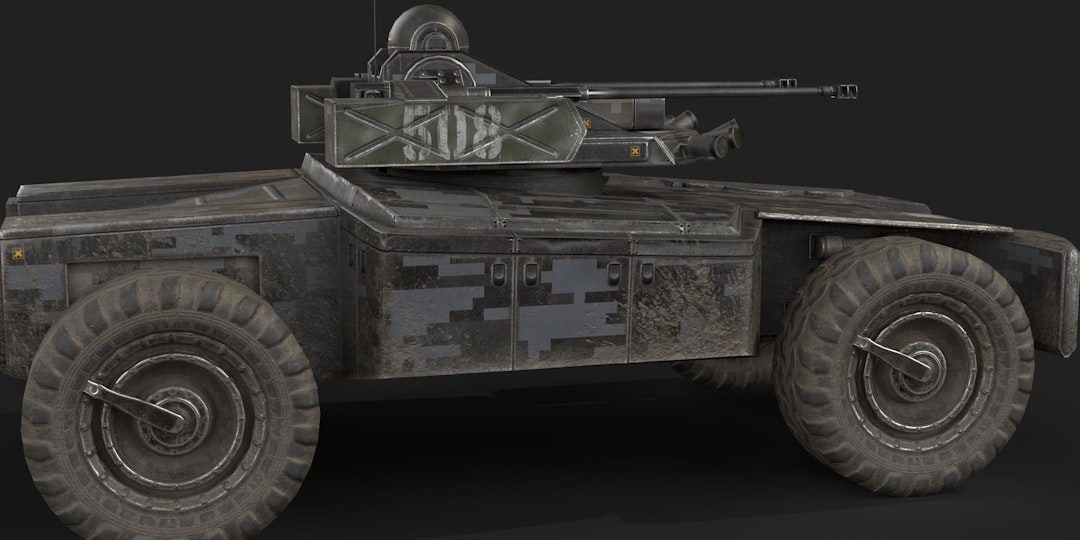
The U.S. Air Force has officially initiated the 'loyal wingman' era, requesting nearly $1 billion in its fiscal 2027 budget to begin production of Collaborative Combat Aircraft (CCA). This landmark funding request signals the program's critical transition from prototyping and testing into the operational fleet. These semi-autonomous drones are designed to exponentially increase combat mass and accept risks alongside manned fighters.
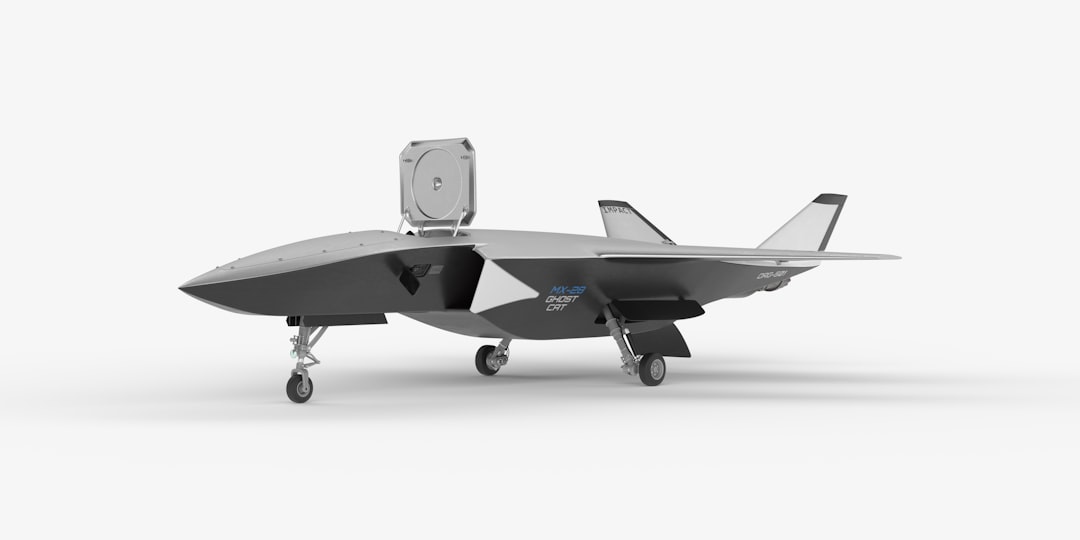
The U.S. Marine Corps is aggressively pursuing an operational demonstration in 2027 for its new Aerial Logistics Connector (ALC), a pilot-optional helicopter designed for autonomous supply missions. These critical prototypes will be deployed to a Marine Littoral Regiment in the Pacific, enabling rapid testing and refinement of requirements for distributed stand-in forces. The initiative underscores a strategic focus on agile acquisition and user-driven development within a contested operational environment.
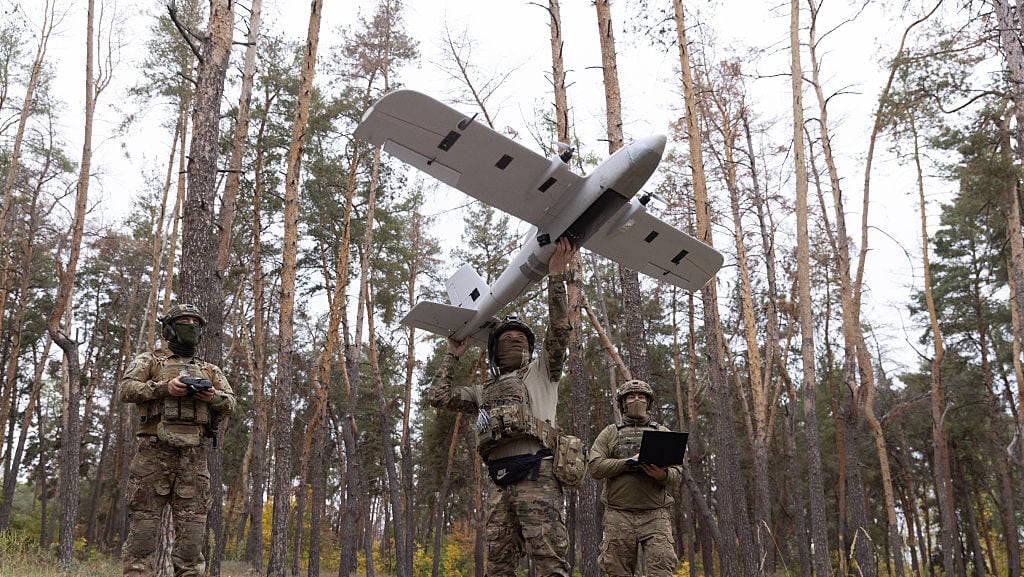
Ukrainian President Volodymyr Zelenskyy has announced a significant policy shift, partially lifting the ban on selling domestically-produced weapons abroad to generate crucial funding for its defense industry. This strategic move aims to balance urgent domestic military needs with the financial imperative of allowing local manufacturers to export excess systems, but only to nations explicitly not cooperating with Russia.
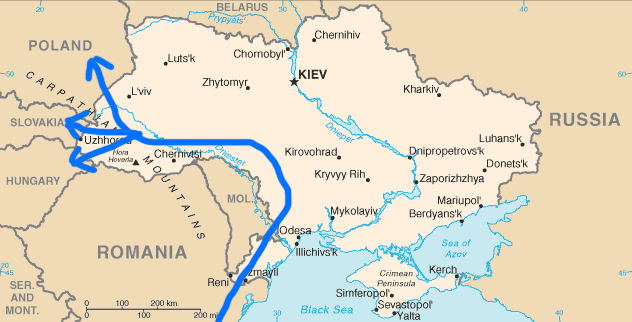
Ukraine is strategically leveraging its advanced drone warfare capabilities to forge new diplomatic alliances across the Middle East and Europe. This initiative, spearheaded by President Zelenskiy, aims to bolster Kyiv's global standing and restrict Russia's influence, particularly amid shifting international support. However, significant hurdles in export controls and intellectual property protection currently challenge Kyiv's ambition to become a major defense exporter.

Belgium has launched an urgent €1.1 billion ($1.3 billion) tender for advanced counter-drone systems, prompting its defense minister to meet with top US defense firms like BAE Systems and Shield AI. This significant investment follows recent unidentified drone incidents near Belgian military bases, underscoring a critical and immediate national security need. The tender is expected to cover a 10-year period, with Brussels aiming for rapid deployment of new capabilities.
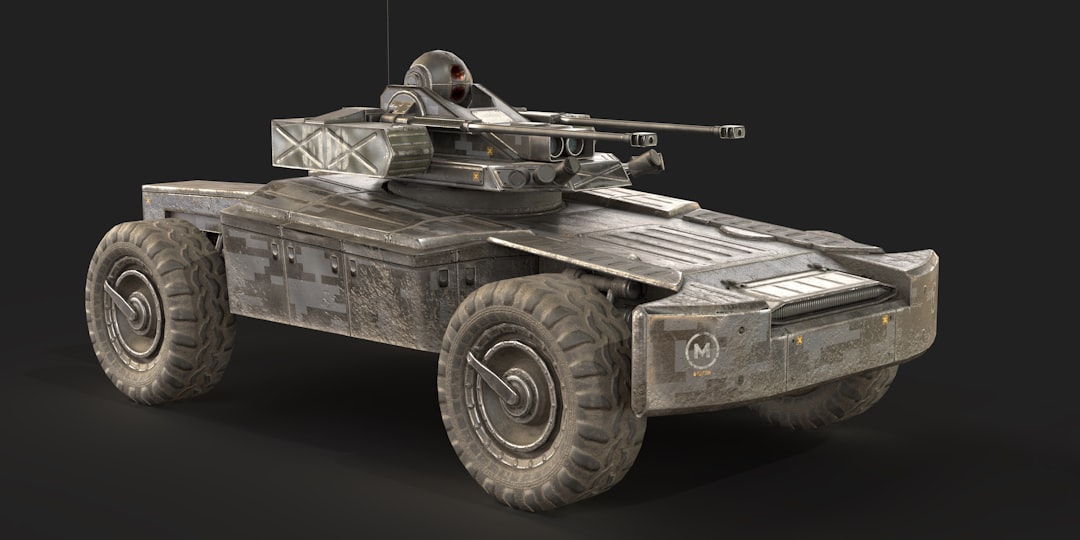
Despite the successful inaugural flight of the Navy's MQ-25A Stingray unmanned refueler, new budget documents reveal a significant five-year delay in its operational deployment. The carrier-based drone, critical for extending fleet reach, is now projected to achieve Initial Operating Capability (IOC) no earlier than February 2029, a setback for the long-troubled program.

The US Navy showcased a new era of maritime warfare at the recent Sea Air Space 2026 conference, prominently featuring live water demonstrations of its unmanned vessel capabilities. Held in National Harbor, Md., the annual gathering provided a critical platform for defense leaders to witness the rapid advancements and strategic integration of autonomous systems into naval operations, moving beyond concept to tangible demonstration. Breaking Defense's Editor-in-Chief Aaron Mehta offers in-depth analysis and exclusive video tours, giving an unparalleled look at these cutting-edge systems both on the exhibition floor and in action.
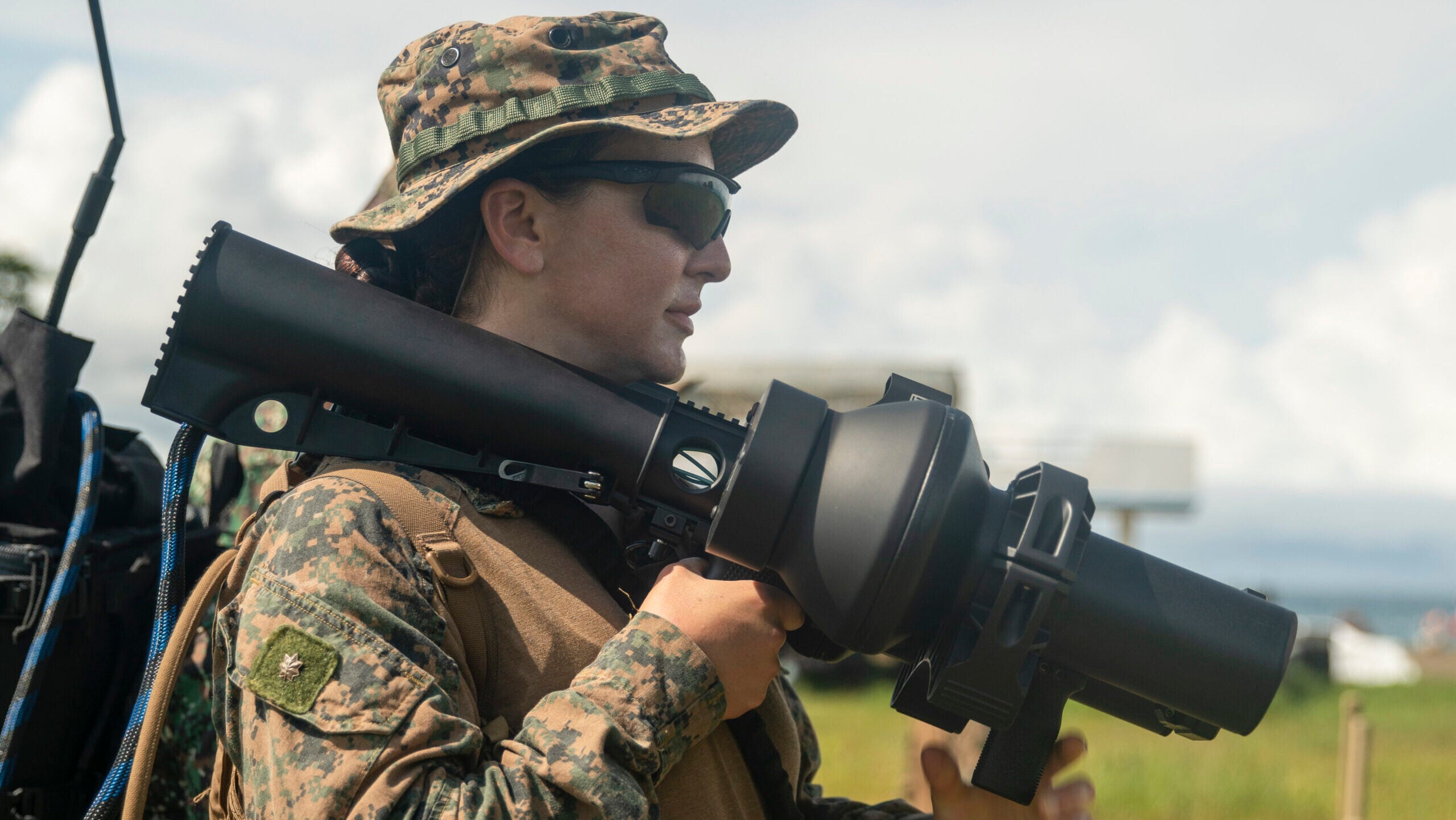
The U.S. Marine Corps is set to release a formal requirement within months for integrated, lightweight counter-drone technology, specifically targeting handheld cUAS for Group 1 and 2 threats. This upcoming mandate, emphasizing connectivity and IMD integration, arrives as the Marines are already urgently fielding disparate systems to address immediate operational gaps against small unmanned aerial systems. This strategic move aims to standardize and enhance individual warfighter capabilities against the pervasive threat of small drones.
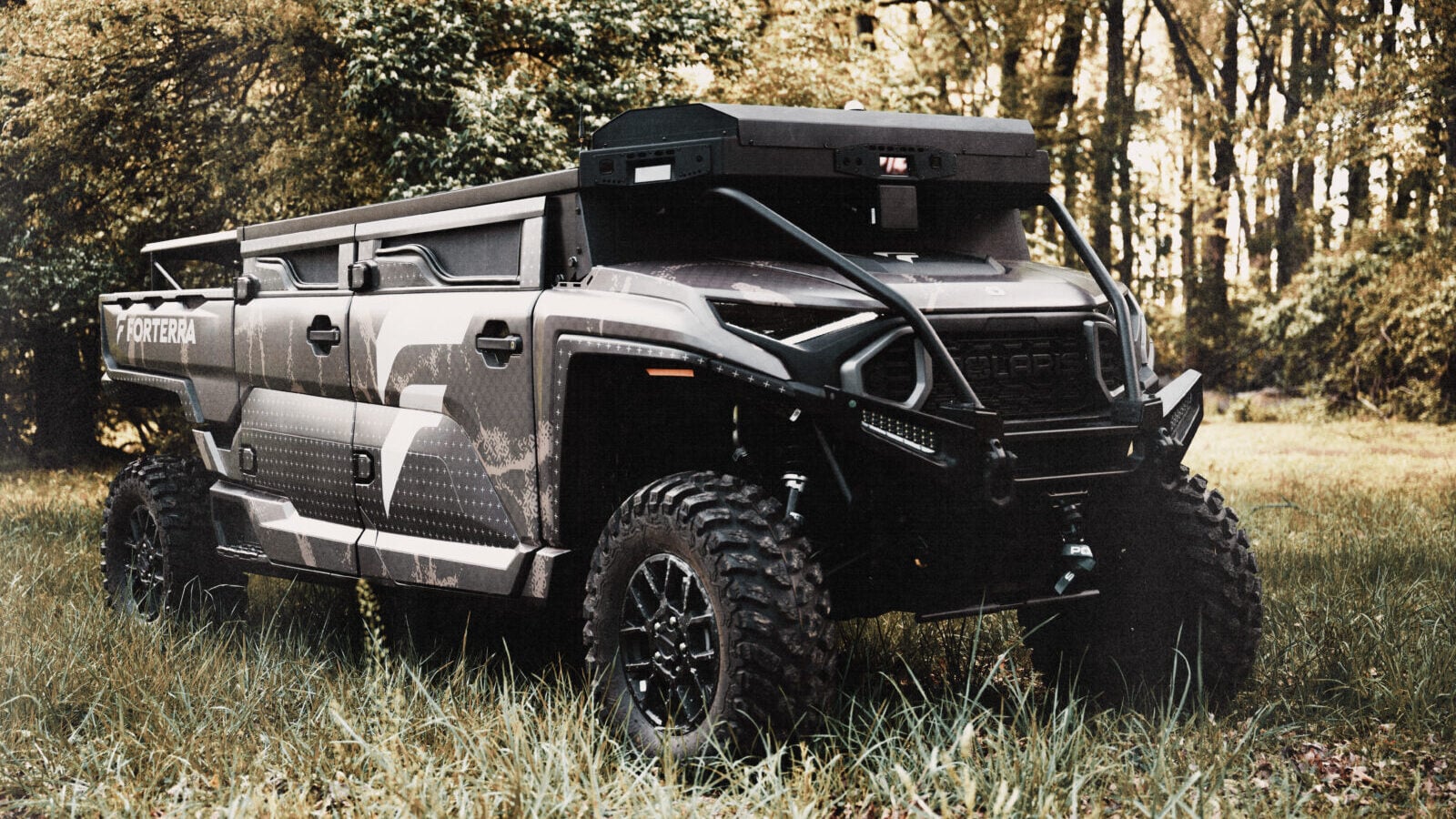
A new autonomous Unmanned Ground Vehicle (UGV), MESA, has been unveiled by autonomy developer Forterra and vehicle manufacturer Polaris, designed specifically for critical military CASEVAC and logistics missions. Based on a modified Polaris Ranger XD 1500, the platform aims to significantly enhance support capabilities on the battlefield while minimizing risk to warfighters. This collaboration leverages Polaris's established production lines with Forterra's advanced autonomy stack, AutoDrive, and Vektor communications for challenging environments.