Drones & Autonomous
94 articles · Coverage updated continuously
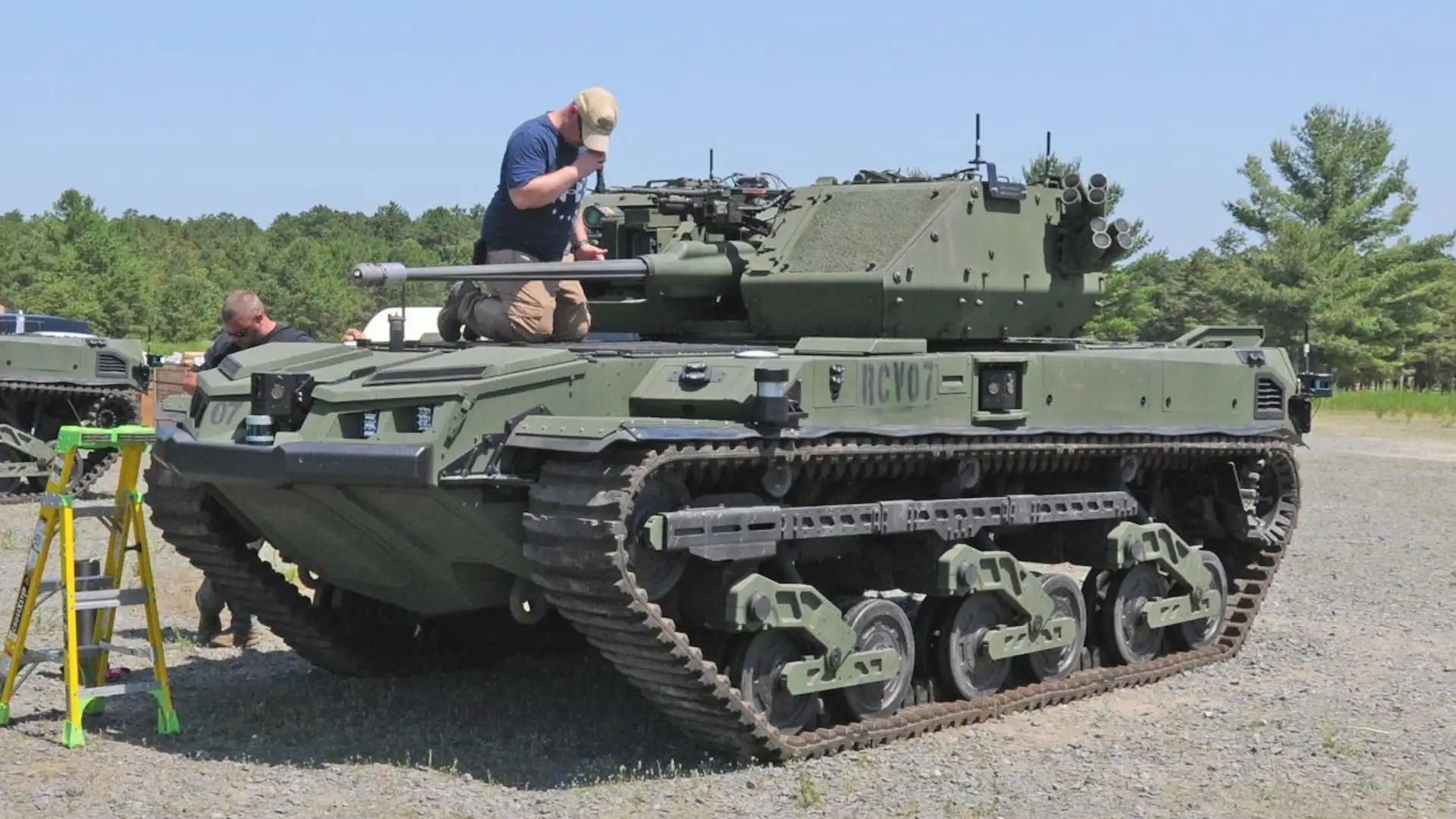
A newly operational production facility in the Netherlands for combat-zone robots is set to significantly enhance the supply pipeline of critical unmanned ground vehicles (UGVs) to Ukraine. This development signals a strategic pivot by European allies towards bolstering their defense industrial base, directly addressing Ukraine's urgent battlefield requirements. The plant's initial output includes THeMIS vehicles, with the first unit already delivered to the Dutch government as part of a substantial national commitment. This initiative underscores the escalating integration of autonomous systems into contemporary conflict zones and the imperative for Western nations to develop resilient, localized manufacturing capabilities. The move also reflects a broader geopolitical trend where European industrial capacity is being mobilized to sustain long-term support for Ukraine's defense and reinforce regional security.
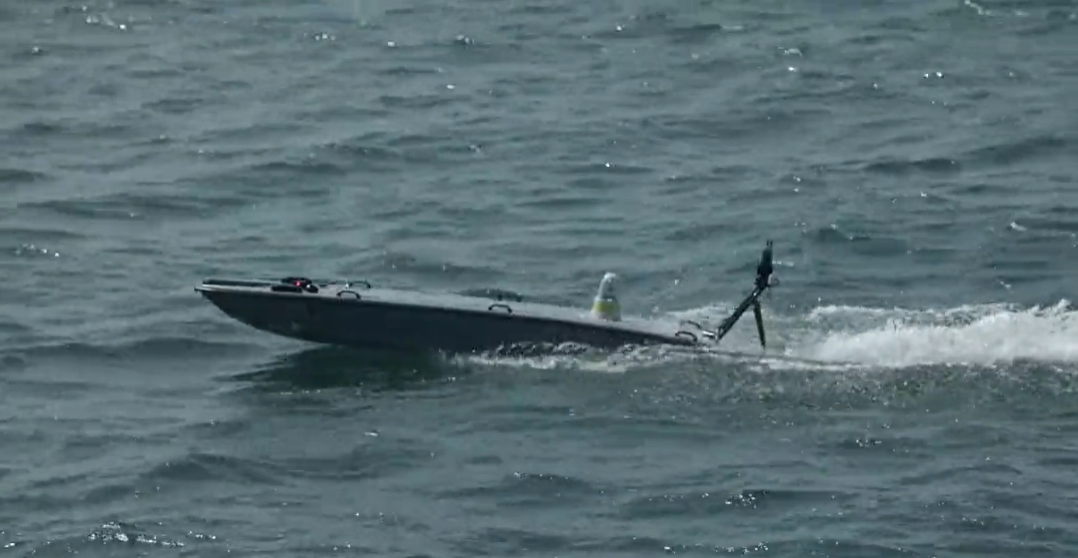
The ambitious vision of seamlessly integrating autonomous drone wingmen into frontline combat operations faces formidable industry and training challenges that demand immediate strategic attention. Realizing this capability is critical for enhancing future multi-domain effectiveness, as defense firms and military trainers worldwide navigate a complex evolution in their operational paradigms. Experts highlight the necessity for a complete overhaul of current methods to enable close human-drone partnerships in dynamic combat environments. This pivotal shift reflects a global strategic imperative to leverage advanced autonomous systems, driven by intensifying geopolitical competition and the urgent need for enhanced operational effectiveness, reduced human risk, and increased adaptability in contested battlespaces.
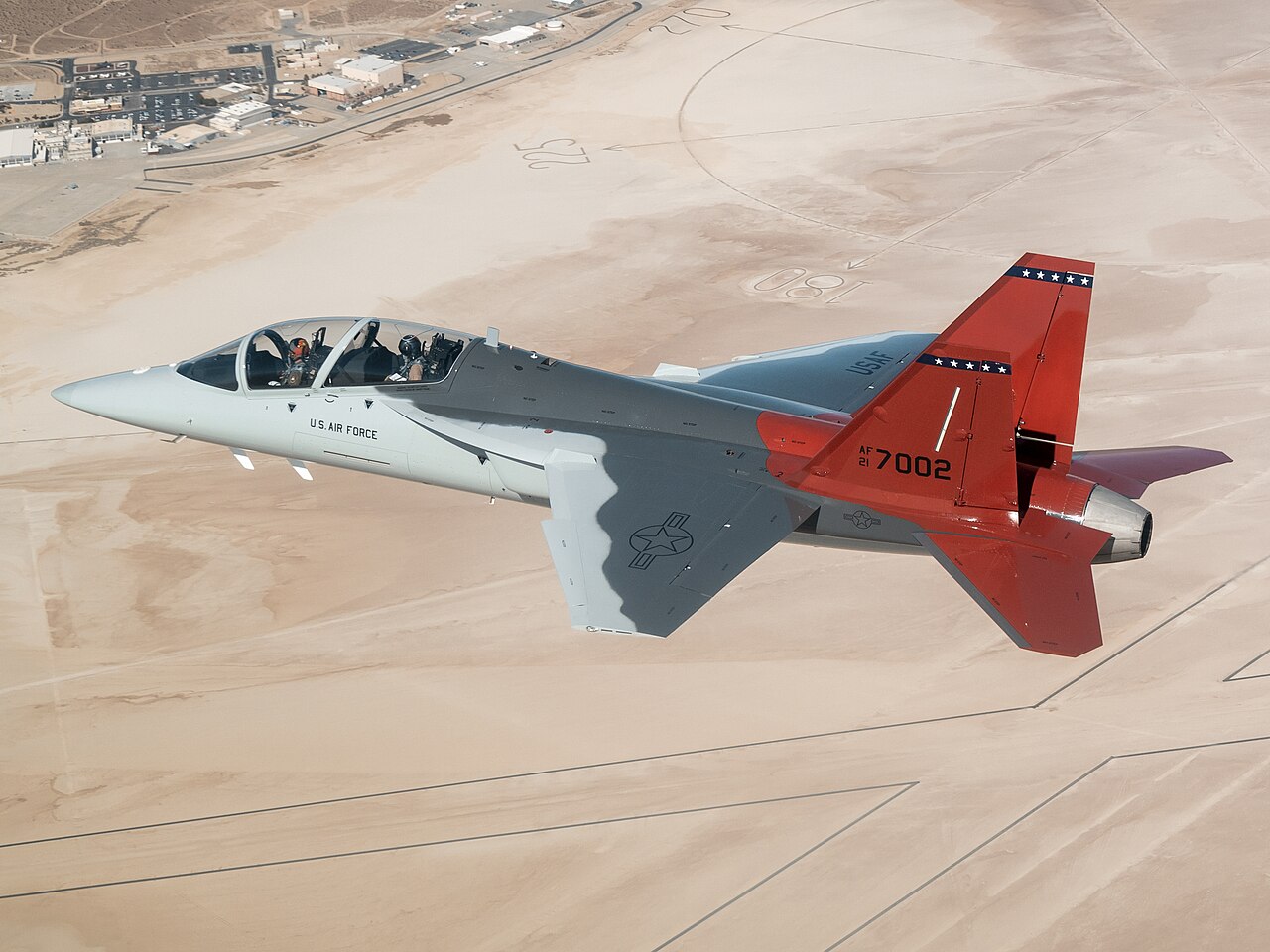
The U.S. Air Force has awarded contracts to industry giants GE Aerospace and Rolls-Royce to develop advanced engine designs crucial for its next generation of unmanned aerial platforms. These agreements represent a significant investment in propulsion technology for what the service terms "Medium Thrust Class Autonomous Collaborative Platforms," signaling a rapid evolution in military airpower. This initiative is fundamental to realizing the vision for future drone wingmen and other sophisticated unmanned systems. This strategic move underscores a broader global defense pivot towards distributed, autonomous combat capabilities, particularly critical for operations within contested environments. By fostering innovation in engine development, the Air Force aims to enhance operational flexibility and project combat power more effectively through a burgeoning fleet of unmanned assets.
European defense analysts are increasingly observing Ukraine transition from a defensive posture to articulating a pathway toward battlefield victory, driven significantly by its rapid advancements in autonomous warfare. This strategic pivot leverages sophisticated AI and robotics to reshape operational dynamics against Russian forces, moving beyond mere survival to proactive engagement and territorial gains. Key developments include AI-guided drones and robotic ground systems enhancing precision and resilience. This evolution highlights a critical inflection point in modern conflict, where agile technological adoption can dramatically alter power balances and challenge traditional military doctrines. Ukraine's experience offers a compelling real-world case study for future defense strategies globally.
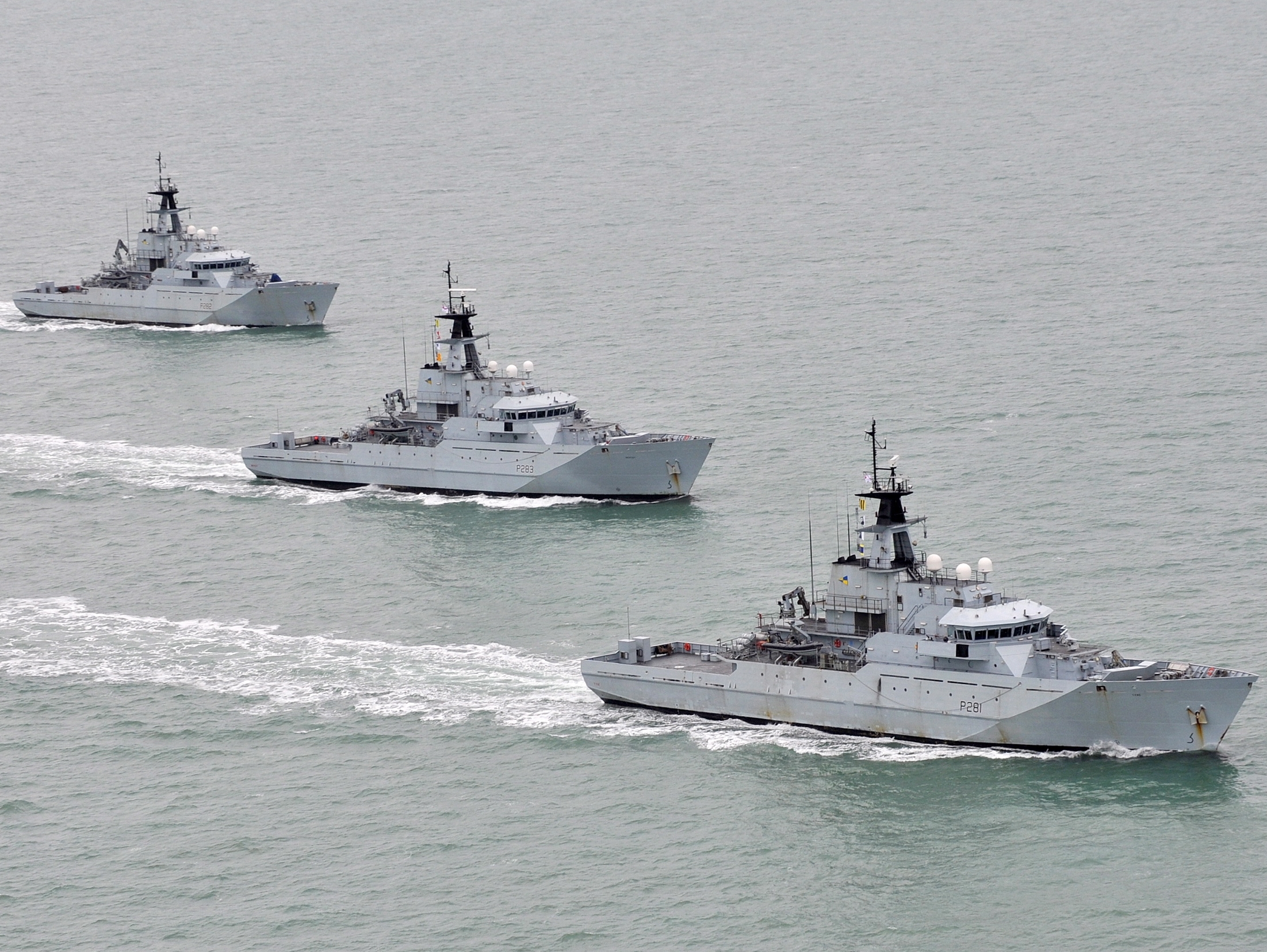
The U.S. Navy has identified seven defense firms whose Medium Unmanned Surface Vessel (MUSV) designs will proceed to critical at-sea prototype testing. This move represents a significant milestone in the service's accelerated push to integrate autonomous platforms into its fleet architecture, aiming to enhance operational reach and strategic flexibility. The selection underscores a concerted effort to rapidly vet and scale next-generation unmanned maritime capabilities through a novel acquisition model. This competitive prototyping phase is a direct response to evolving global naval strategies, where distributed lethality and persistent maritime presence are increasingly paramount. It signals a robust commitment to leveraging technological innovation to maintain a decisive edge in complex geopolitical environments.

General Frank Donovan, transitioning from leading the Pentagon's rapid autonomy development initiative to commanding U.S. Southern Command, highlights a significant structural disconnect within the Department of Defense regarding autonomous warfare. He points to an urgent need to bridge the gap between frontline joint force requirements and the military's traditional, service-centric acquisition processes for these critical capabilities. This systemic challenge jeopardizes the swift integration of cutting-edge robotics and AI into operational theaters, undermining efforts to achieve affordable mass and battlefield advantage. This revelation underscores the persistent tension between rapid technological innovation and entrenched bureaucratic frameworks that prioritize established platforms and departmental silos. In an era where adversaries are quickly adopting autonomous solutions, the ability to agilely develop, acquire, and deploy these systems is paramount to maintaining a competitive edge and ensuring national security readiness against evolving global threats.
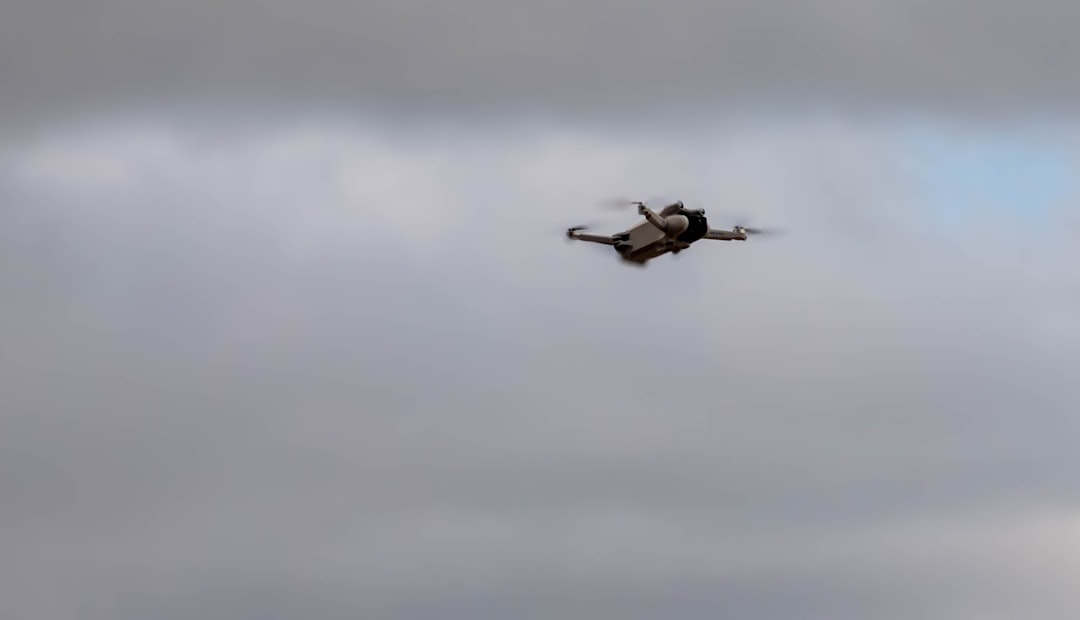
The French Army recently hosted an inaugural international competition focusing on First-Person View (FPV) drones, bringing together forces from across NATO. This event underscored the alliance's accelerating efforts to integrate these rapidly evolving unmanned aerial systems into modern combat operations, reflecting critical battlefield insights. Participants exchanged tactical approaches and technological innovations, highlighting a collective drive toward enhanced drone capabilities.
The Department of Defense is poised to inject a substantial $50 billion into the advancement and scaled production of unmanned systems. This significant financial commitment underscores a strategic pivot towards integrating autonomous platforms more deeply into future military operations, moving beyond previous fragmented acquisition methods. The investment aims to rapidly accelerate capabilities across various domains, from aerial to maritime unmanned technologies.

The U.S. Army is actively exploring multi-role capabilities for its unmanned aerial systems, recently demonstrating a logistics drone reconfigured to fire rockets. This experimental adaptation pushes beyond traditional resupply functions, indicating a broader strategic pivot towards more versatile autonomous platforms on the modern battlefield. The move reflects an increasing focus on rapidly deploying new offensive capabilities at lower echelons.
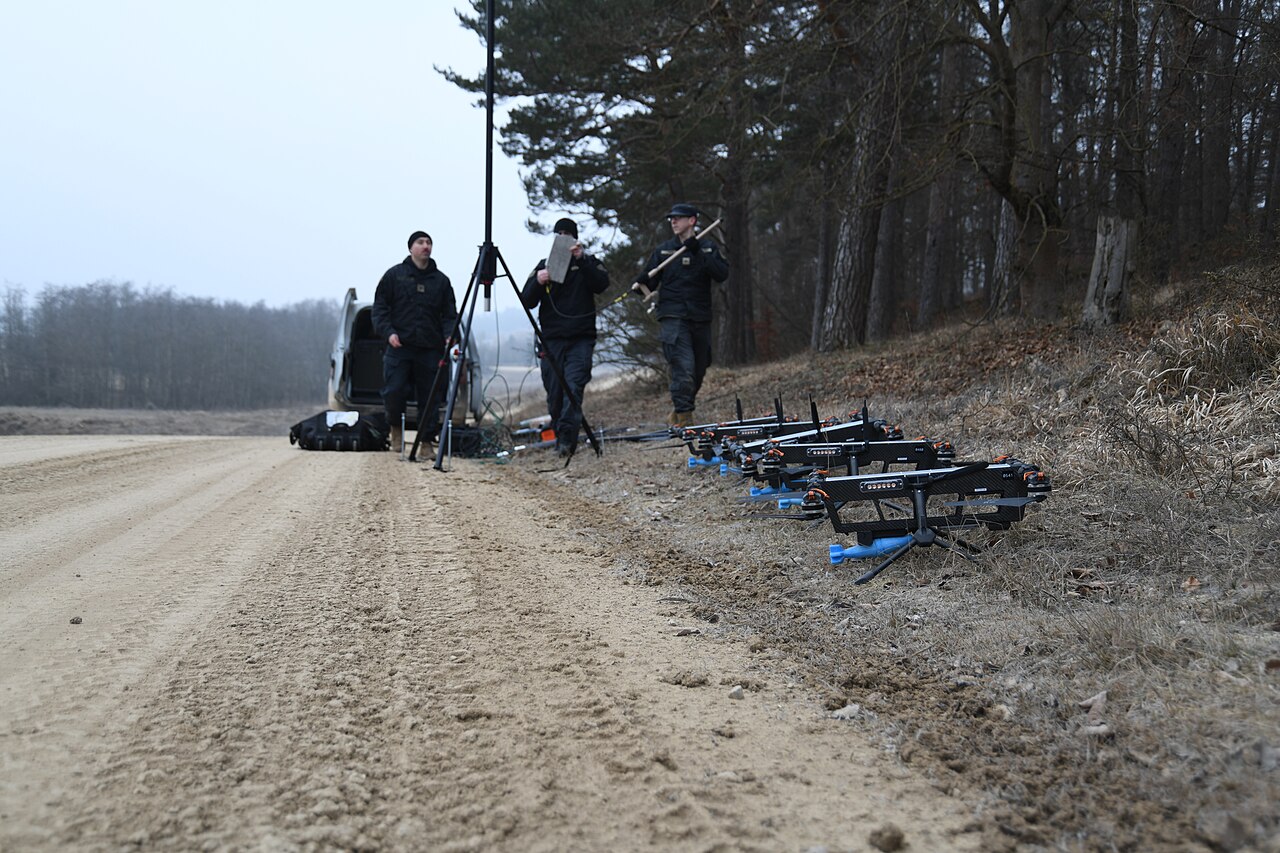
Turkey's defense sector is experiencing rapid expansion, propelled by increased regional demand for advanced autonomous systems. This surge in capabilities is particularly evident in its growing array of unmanned applications, making it an attractive partner for Gulf nations seeking to bolster their security postures amidst evolving geopolitical landscapes.
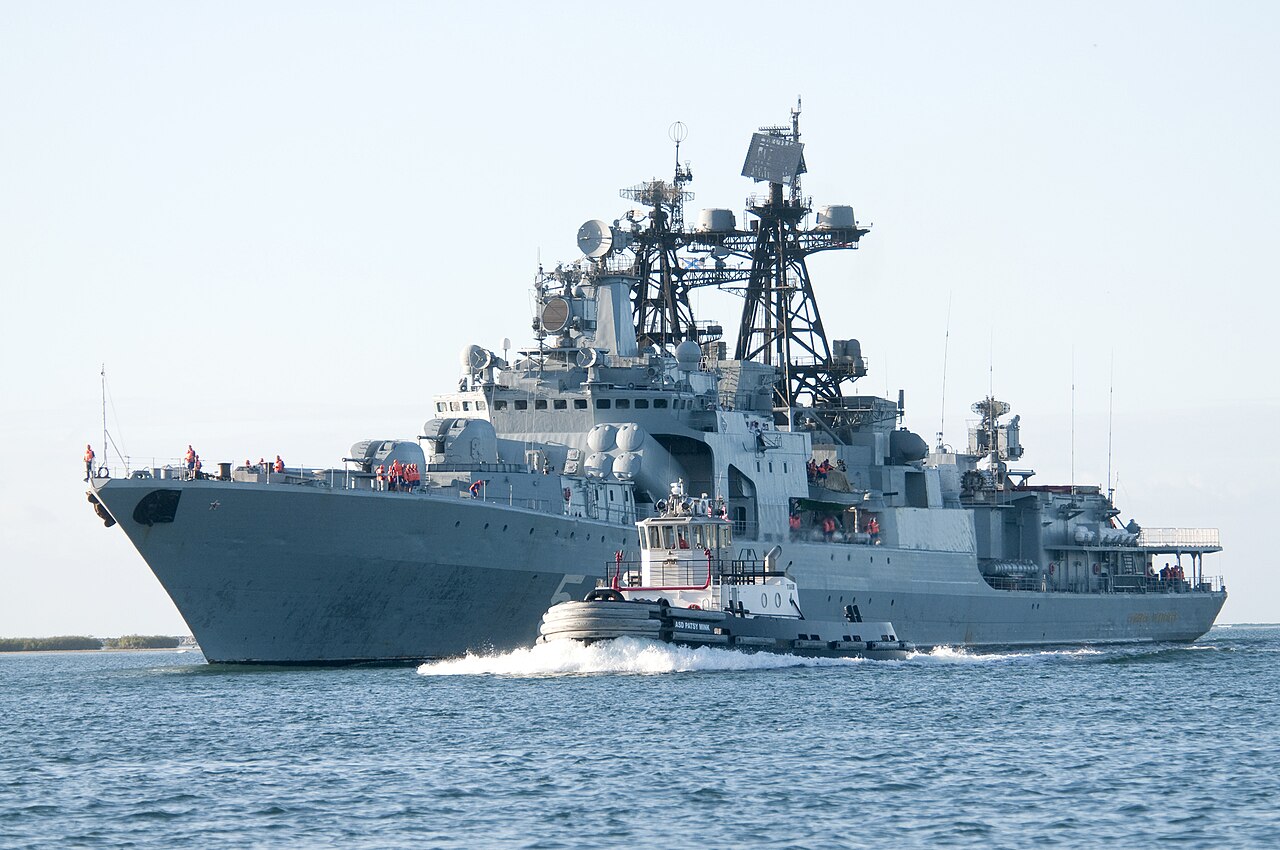
The U.S. Navy recently demonstrated a significant leap in autonomous warfare capabilities by employing a coordinated drone attack to successfully neutralize a retired guided-missile frigate. This exercise, conducted during a major multinational event, showcased advanced command-and-control strategies, with operations largely directed from a shore-based center rather than the launch vessel itself. It marks a critical step in integrating unmanned systems into future naval combat doctrine.
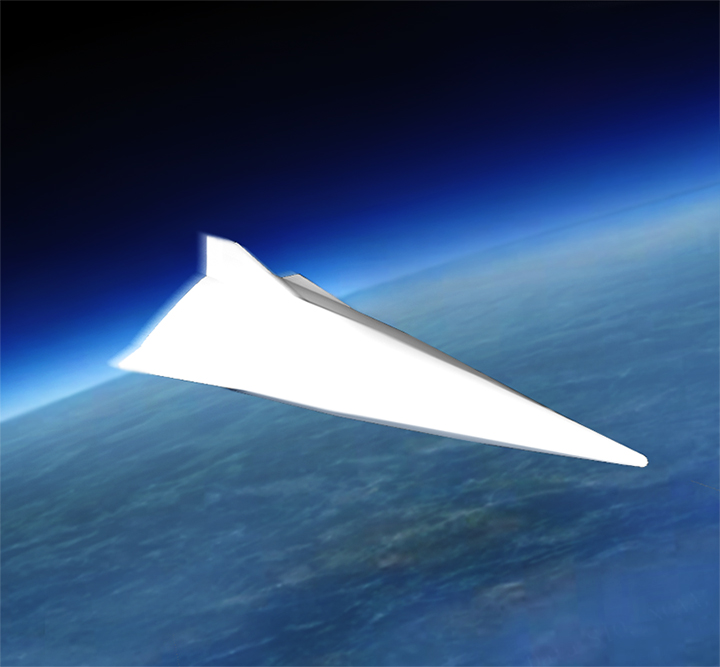
The Defense Innovation Unit has substantially increased its investment in aerospace innovator Hermeus, earmarking significant new capital for the Quarterhorse drone program. This enhanced funding is specifically directed at advancing the high-speed uncrewed aircraft's ability to deploy external payloads while operating at exceptional velocities. The move underscores a strategic imperative to integrate advanced, autonomous platforms into future military operations.