The Berlin Air Show 2026 concluded its industry-focused proceedings, offering a crucial window into the evolving landscape of aerospace and defense technology. Day three highlighted significant displays, including advanced aircraft and a comprehensive exhibition of munitions and integrated systems curated by the German armed forces. This intensive industry period underscored the accelerated pace of military innovation and strategic collaboration within the European defense sector.
Occurring amidst persistent geopolitical shifts and renewed emphasis on national and collective defense, such events provide a vital platform for showcasing solutions that address contemporary security challenges. The strategic backdrop emphasizes interoperability and the development of next-generation capabilities, reflecting a concerted effort to strengthen regional security architectures.
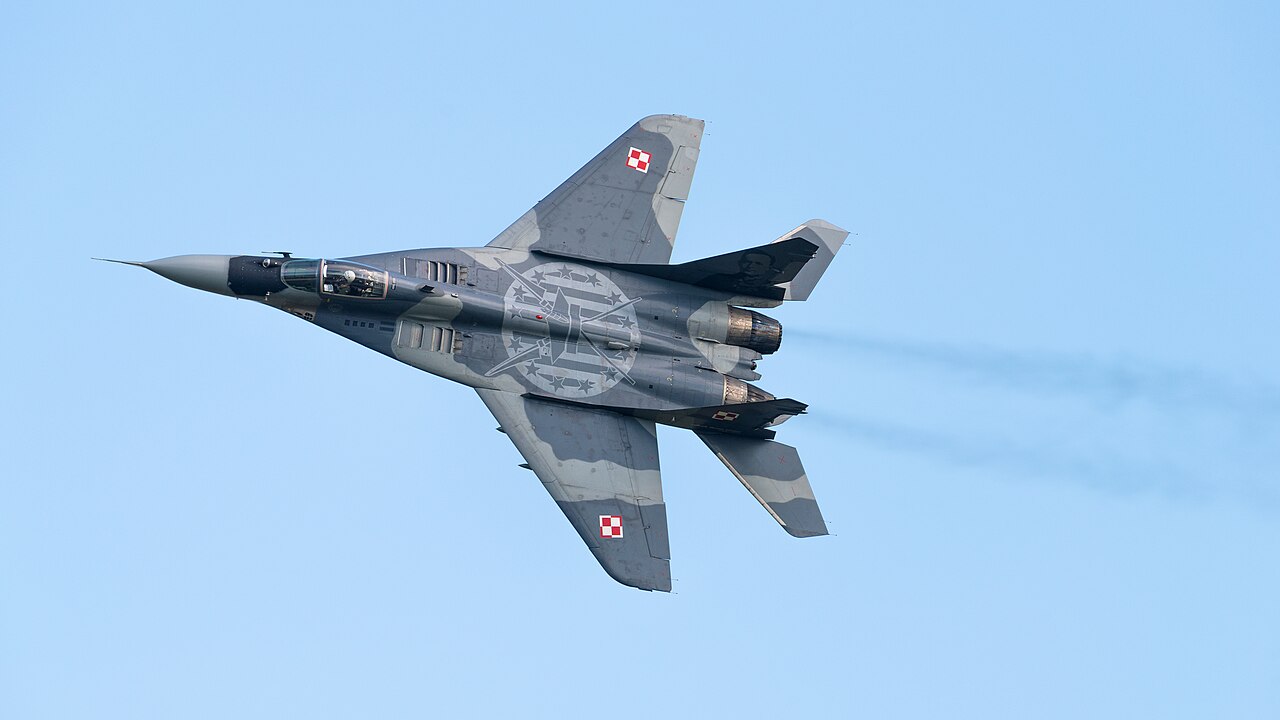
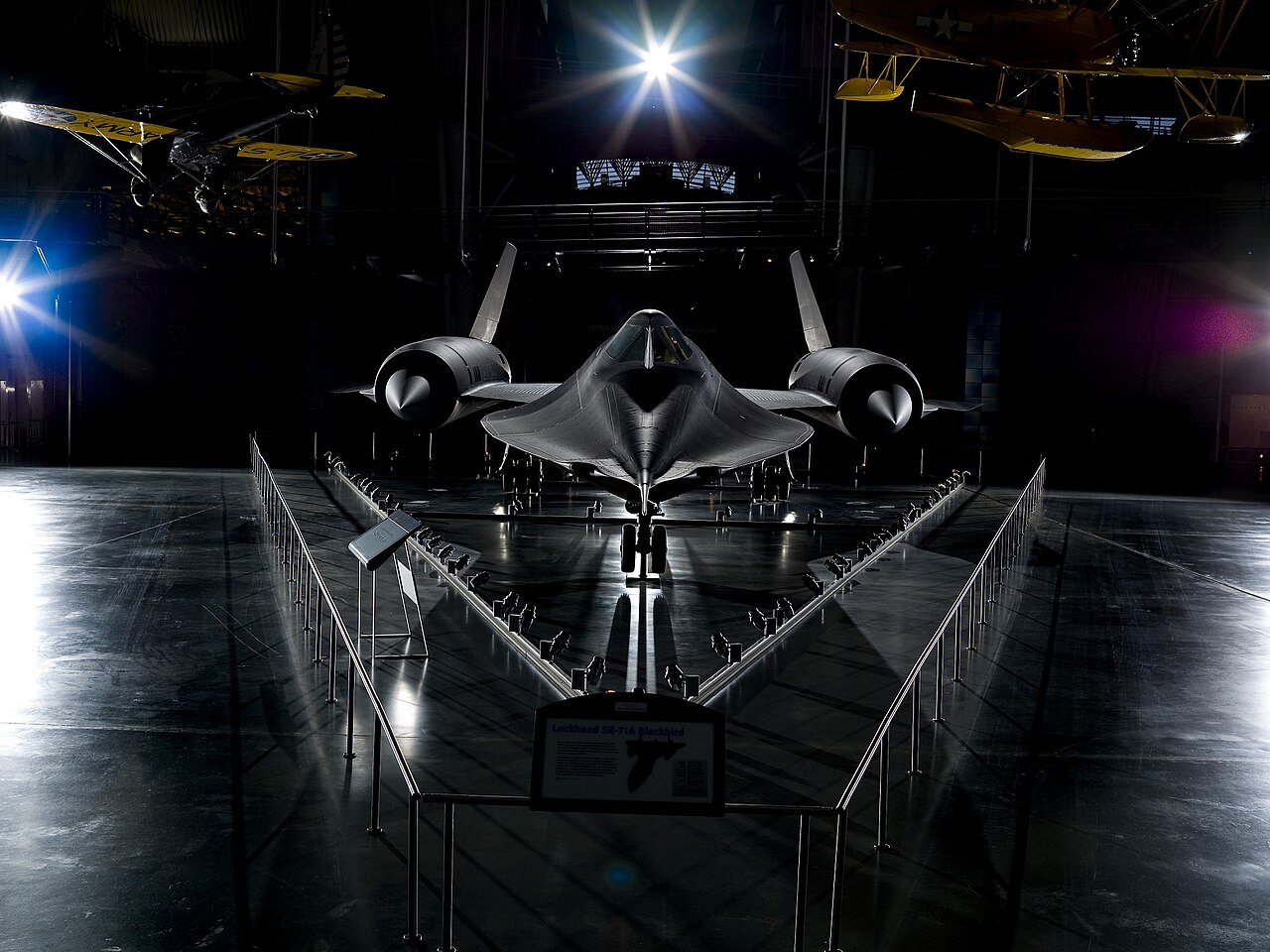
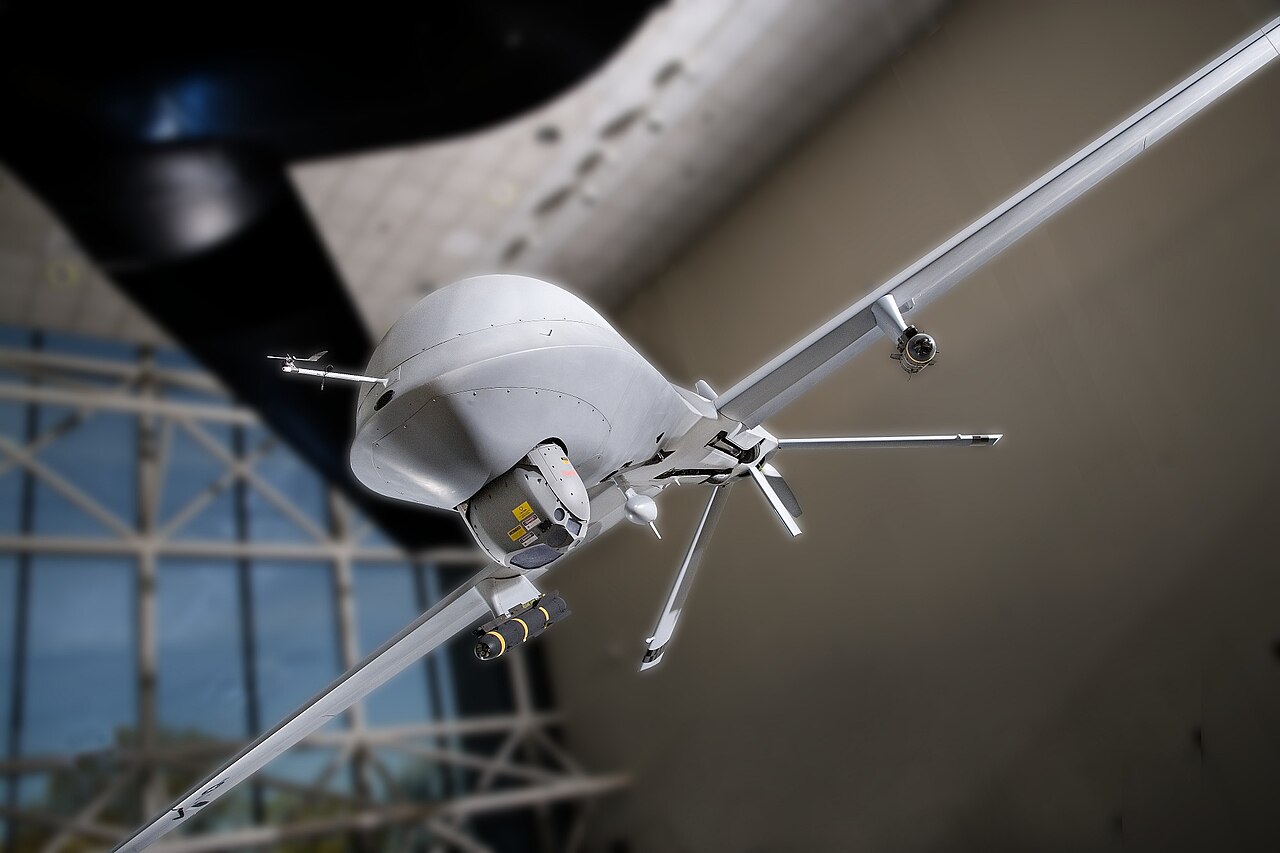
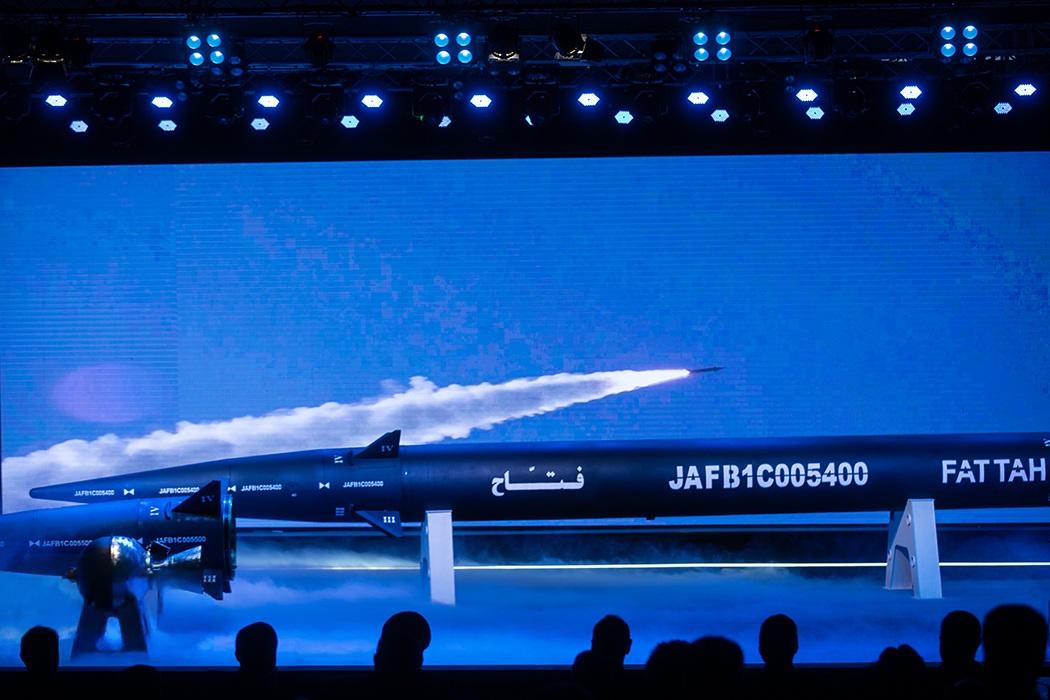
A selection of photos from the Breaking Defense team on the ground in Berlin.
BERLIN — It’s the last industry day of the Berlin Air Show before the sprawling complex is opened to the public on Saturday, which means the business side of things is wrapping up.
This morning the team walked the flight line to see many of the full-size aircraft on display, and ventured into a hanger organized by the German military showing a variety of munitions and systems.
Check out a selection of photos from the expo below, and click here to keep up with Breaking Defense’s full coverage.
PHOTOS: ILA Berlin 2026
PHOTOS: ILA Berlin 2026
1.
2.
3.
4.
5.
6.
7.
8.
9.
10.
11.
12.
13.
14.
15.
16.
17.
18.
Topics:
Editorial Analysis
The air show's industry-focused conclusion highlights the critical role of defense exhibitions in shaping future military capabilities and procurement cycles. Displays of cutting-edge aircraft and integrated systems, particularly those presented by the German armed forces, offer a tangible look at the technological directions European nations are pursuing. These capabilities are crucial for maintaining air superiority, enhancing precision strike options, and bolstering command-and-control networks against peer adversaries. This shift profoundly impacts strategic planners by providing new tools for comprehensive deterrence and defense postures.
Historically, such shows have served as bellwethers for defense innovation and the strengthening of geopolitical alliances. The current emphasis on modularity, networking, and precision munitions signals a sustained trend towards highly adaptable and technologically advanced warfare concepts. For the security community, this translates into a pressing need for continuous intelligence analysis on emerging platforms and a proactive approach to integrating these systems into existing frameworks, ensuring readiness for future operational environments.