BERLIN — Germany plans to make a foray into manned-unmanned teaming, using P-8A sub-hunters with MQ-9B drones, to keep an eye on Russian submarines in northern European waters, a senior military official said.
“The threat is there,” Capt. Broder Nielsen, head of the German Naval Aviation Command, told reporters at the Berlin Airshow on Thursday. “Nobody wants an unknown submarine lying at their door. … You better have a clue where Russian submarines are.”
Nielsen added that he expects the Russian underwater menace to rise, a trend European countries are closely monitoring. In April, Germany deployed for the first time a Boeing P-8A Poseidon maritime surveillance aircraft to Scotland to conduct joint patrols in the North Atlantic along with the UK’s Royal Air Force (RAF) to track Moscow’s submarine activity.
Nielsen said the deployment was carried out under the Trinity House Agreement, signed in 2024, to enable episodic German P-8A dispatches to RAF Lossiemouth, where it can operate jointly with the British Poseidon fleet. Germany has ordered eight P-8As and received its first one last year.
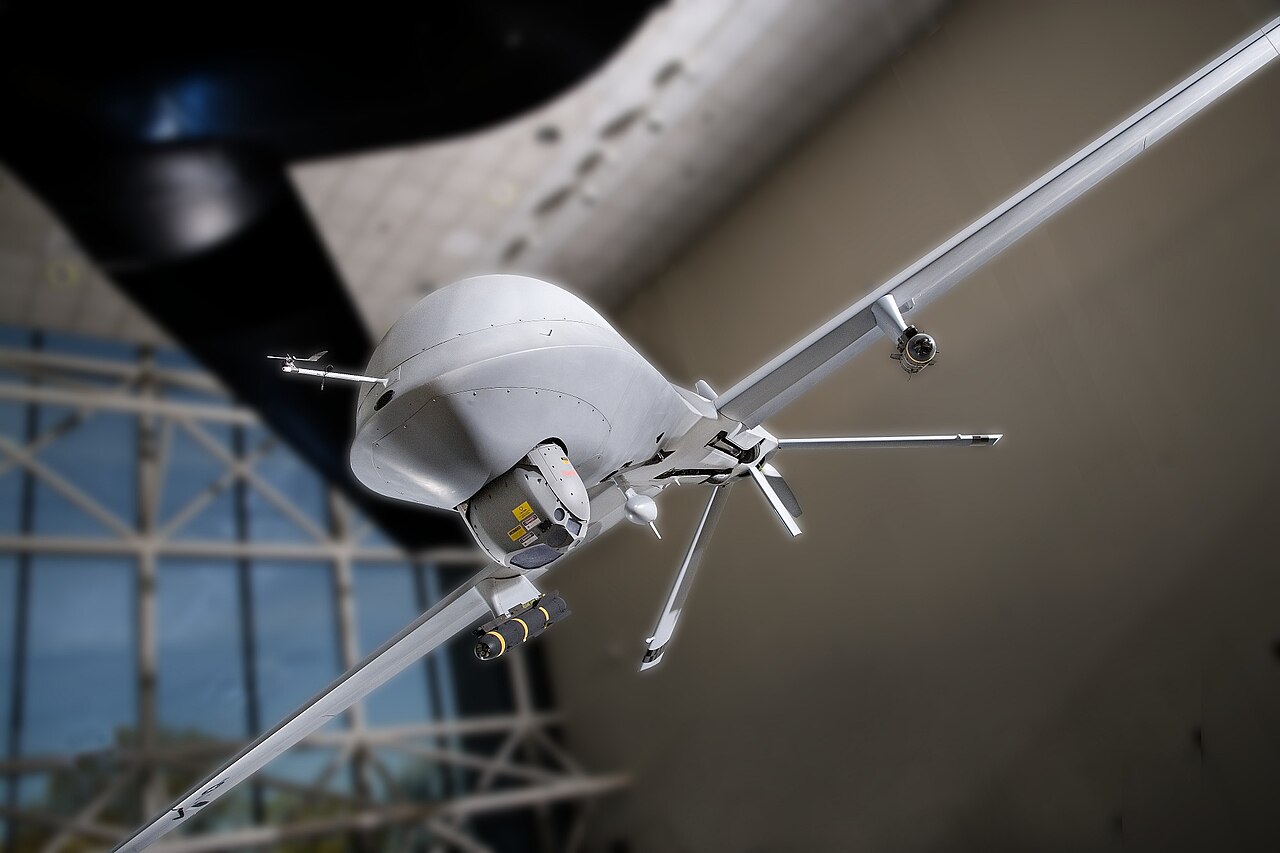
In addition, the country signed a contract with General Atomics Aeronautical Systems in January to procure eight MQ-9B Sea Guardians, with first deliveries slated for 2028.
“The MQ-9B will be the first [unmanned] system we operate with it — the idea is to have those working closely with the aircraft, but step by step,” Nielsen said, noting that operationalizing the pairing will take time, as the Navy has not yet tried using unmanned systems alongside the P-8.
General Atomics President Dave Alexander told Breaking Defense that Germany was the first country to officially contract the company for the MQ-9B with an anti-submarine warfare capability.
The industry executive expanded on potential manned-unmanned teaming use cases between the drones and the P-8A, which can carry and launch more than 100 sonobuoys, which aid in tracking sneaky subs.
“While the P-8 lays out a field of sonobuoys, we can go over with the MQ-9B and persist over the top — that could give time to the aircraft to go refuel, and we can fly for two days if needed, providing that ISR capability watching the field and delivering that line of sight and collecting tracks,” Alexander said.
If an enemy submarine were to figure out the location of the sonobuoy field, he added, additional buoys could be launched from the drone itself, and the P-8 could be called for backup.
Germany is expected to receive its full MQ-9B fleet by 2030.