
Pentagon’s DCDC Plans Critical Infrastructure Cyber Defense
- The DCDC, a sub-unified command under US Cyber Command, is crafting a joint task force structure for critical infrastructure defense.
- A primary objective is establishing unambiguous command and control protocols across various federal agencies during cyber incidents.
- Plans involve developing "digital green zones" to precisely identify and secure vital infrastructure components and data integrity.
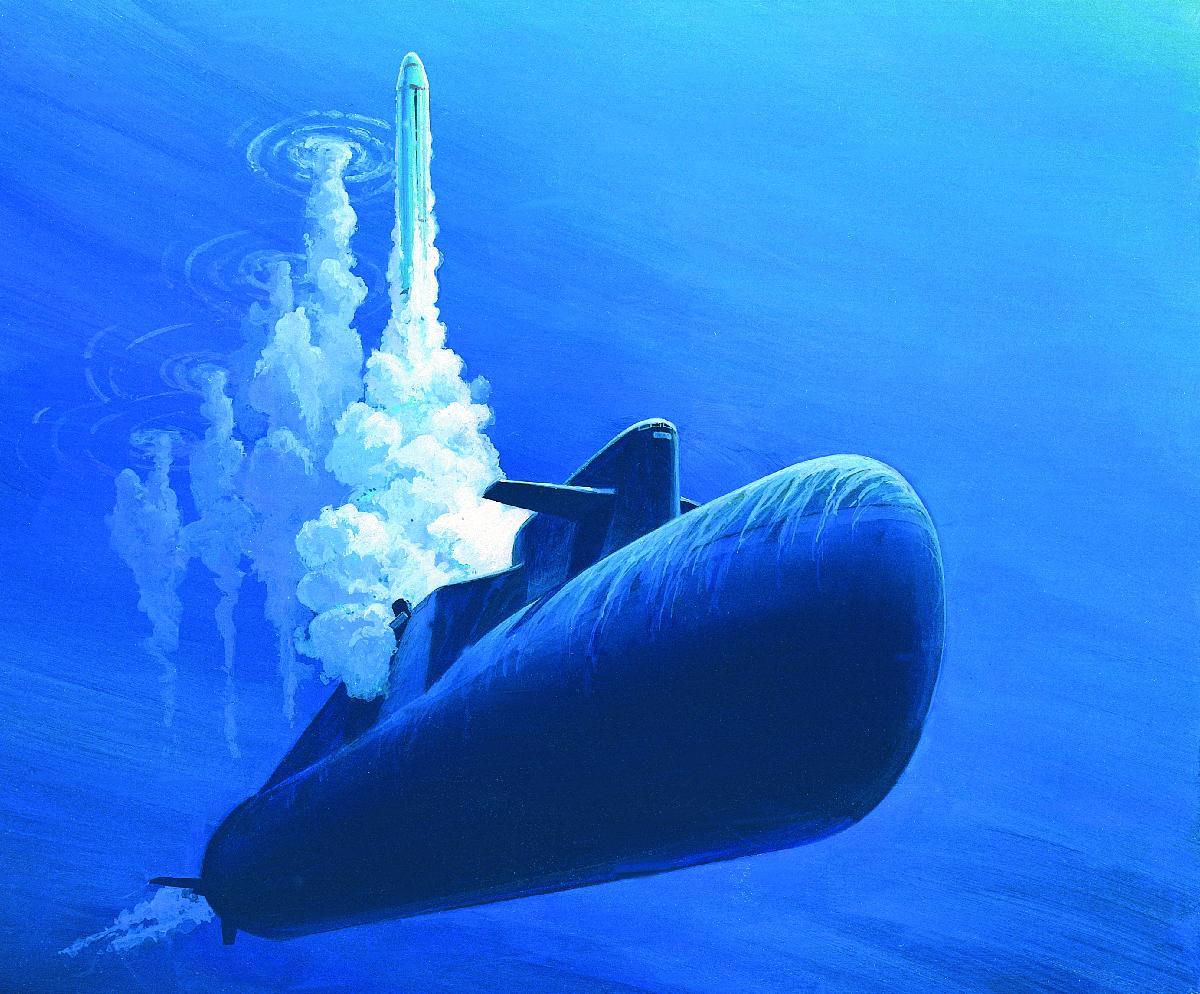
The second day of the Navy League's annual Sea Air Space conference brought to light significant revelations concerning the proposed Trump-class battleship program, with new details and cost discussions dominating the discourse. Alongside these revelations, critical delays impacting submarine production timelines emerged as a major point of concern for defense stakeholders and policymakers alike. Breaking Defense's Aaron Mehta and Diana Stancy covered the key insights from the event at National Harbor.

The Space Force is poised for an unprecedented budget increase, with its 2027 request more than doubling to $71.1 billion to fund new space technologies and weapons aligned with a "space superiority" executive order. This massive financial expansion, however, comes as the service grapples with significant civilian workforce cuts, including a 10% reduction in its acquisitions arm, creating a formidable challenge for timely fund obligation. The abrupt shift from staff reductions to a colossal budget surge raises critical questions about the Space Force's capacity to effectively manage and execute such a substantial financial undertaking amidst ongoing hiring difficulties.
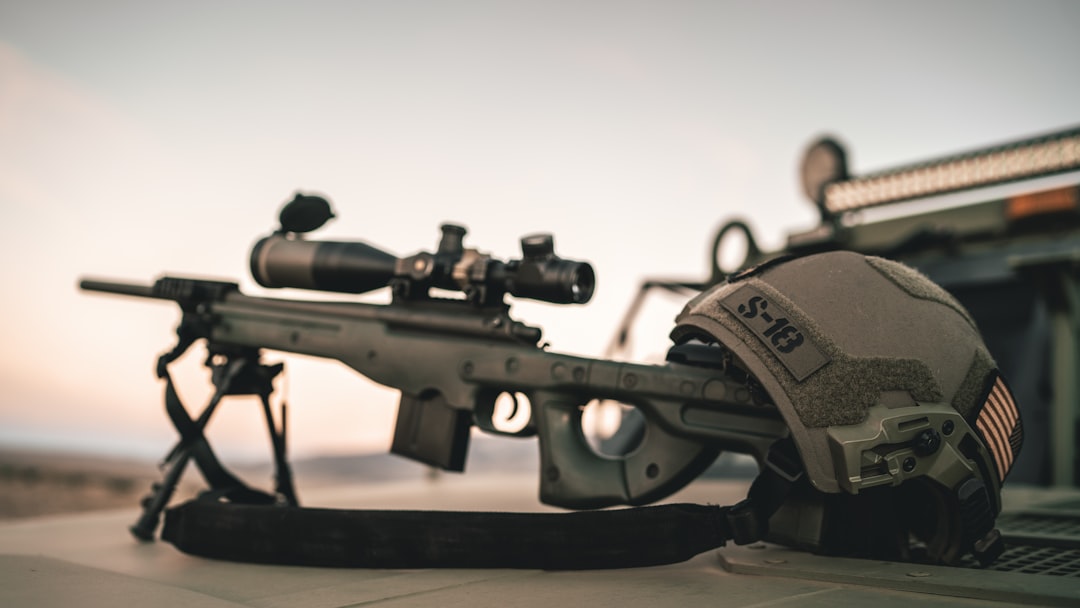
The commander of U.S. Forces Korea (USFK), General Xavier Brunson, confirmed Tuesday that the Terminal High Altitude Area Defense (THAAD) missile defense system remains fully deployed on the Korean Peninsula, directly addressing previous reports of its redeployment. This statement clarifies that while radars and munitions may have been prepared or moved, the core THAAD *systems* crucial for deterring North Korean ballistic missile threats have not been relocated to the Middle East.
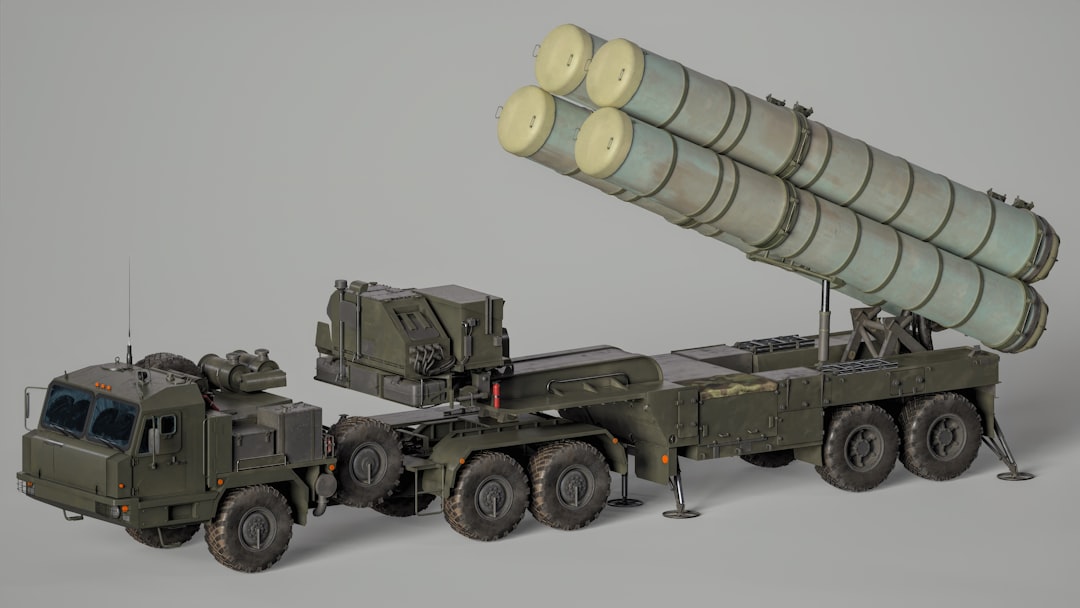
The head of U.S. Indo-Pacific Command, Admiral Samuel Paparo, issued a stark warning to Taiwan, emphasizing the critical need for the island to fund its own defense and cautioning against 'starving the chicken' through budgetary delays. This comes as Taiwan's parliament, currently controlled by the opposition Kuomintang (KMT) party, continues to debate President Lai Ching-te's proposed $40 billion defense spending package, amid U.S. concerns over funding delays despite assurances of a robust defense package.
The Department of Defense has unveiled a staggering $1.5 trillion budget proposal for fiscal 2027, marking an unprecedented 42% year-over-year increase and the largest military outlay in modern history. This monumental investment is driven by a perceived "complex and dangerous threat environment" and aims to address years of underinvestment in the nation's defense industrial base. Key priorities include the "Golden Dome" homeland defense system, expanded drone warfare capabilities, and significant advancements in artificial intelligence.
The U.S. Navy is set to significantly enhance its missile defense capabilities by integrating the Army's combat-proven PAC-3 MSE interceptor into its Aegis Combat System. This marks a pivotal cross-service collaboration, bringing the highly demanded missile to sea for the first time amidst a surge in global demand and expanding Pentagon production efforts. The move aims to bolster Aegis's multi-layer defense against increasingly sophisticated ballistic and cruise missile threats.
Maritime defense firm Saildrone has unveiled Spectre, a formidable new 54-meter, 250-ton unmanned surface vessel (USV) specifically engineered for advanced anti-submarine warfare (ASW). Designed for high-speed intercepts up to 30 knots, extreme endurance, and an ultra-quiet acoustic signature, Spectre aims to revolutionize naval stealth operations. These self-funded vessels, priced at $40 million each with Lockheed Martin integrating mission autonomy, are slated for sea trials by early 2027.
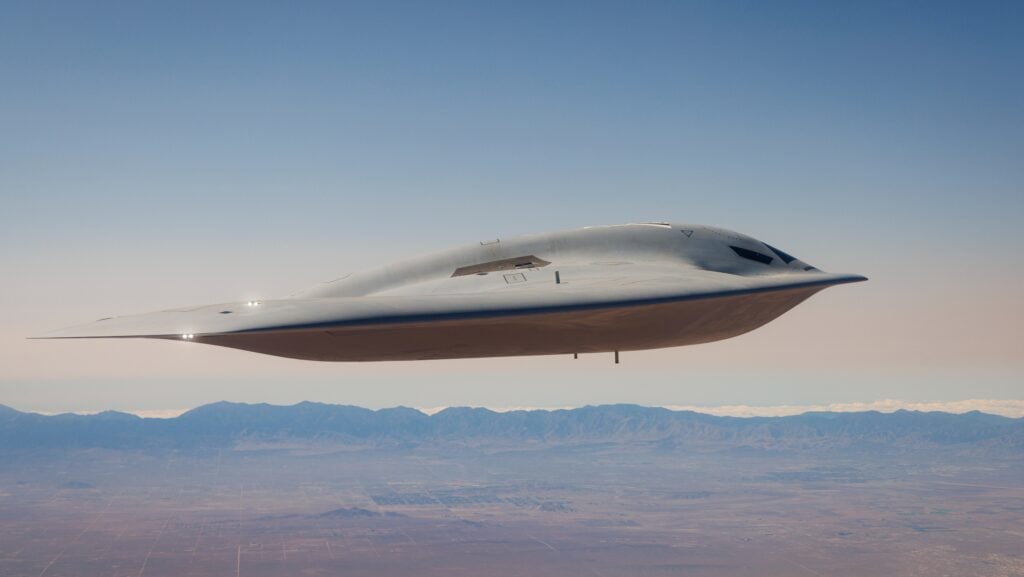
Northrop Grumman is committing an unprecedented $2.5 billion of its own capital to significantly accelerate the production of the B-21 stealth bomber, aiming to boost the manufacturing rate by 25 percent. This substantial private investment, a first for the program, underscores a critical push to rapidly field the next-generation bomber, with $200 million earmarked for immediate deployment this year. The move follows a finalized agreement with the Air Force, reflecting a shared urgency to bolster the U.S. strategic deterrent capability.
In a significant shift, Japan has moved to permit the export of lethal defense equipment to 17 allied nations, dramatically expanding its previous restrictions that only allowed for five categories of non-lethal gear. This long-anticipated policy change, spearheaded by Prime Minister Sanae Takaichi, aims to strengthen regional security in an increasingly volatile Indo-Pacific. The new framework will enable transfers to countries with existing defense agreements, though strict controls will prevent exports to active conflict zones, except under specific, approved conditions.
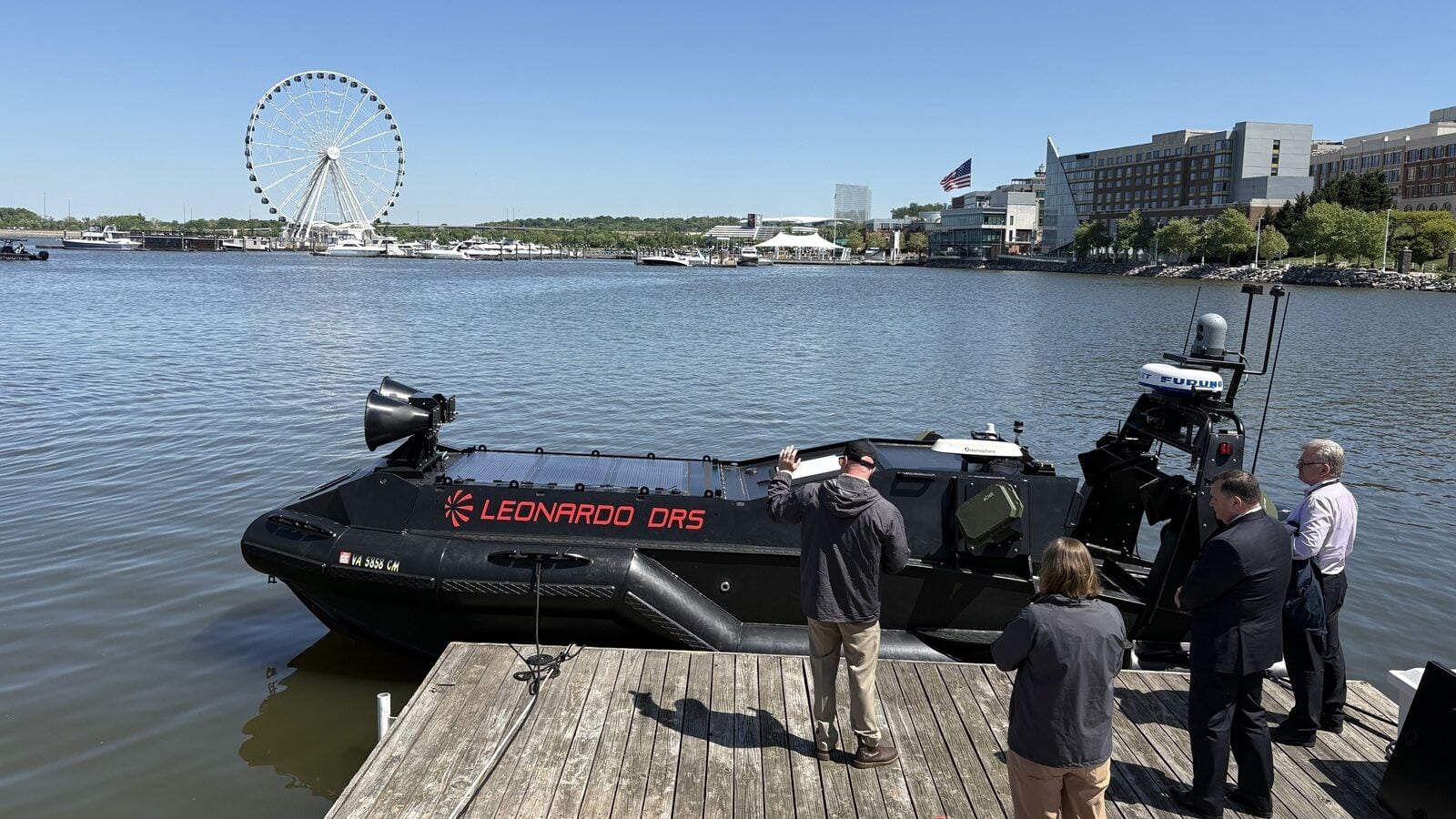
Senior military officials delivered key remarks on defense strategy and future priorities on Day 2 of Sea Air Space 2026, while industry leaders showcased an array of cutting-edge defense and security technologies. This pivotal day saw attendees navigate dozens of booths, highlighting the critical intersection of policy and innovation. Our exclusive photo gallery provides a visual tour of the most impactful moments and groundbreaking technologies unveiled from the show floor.
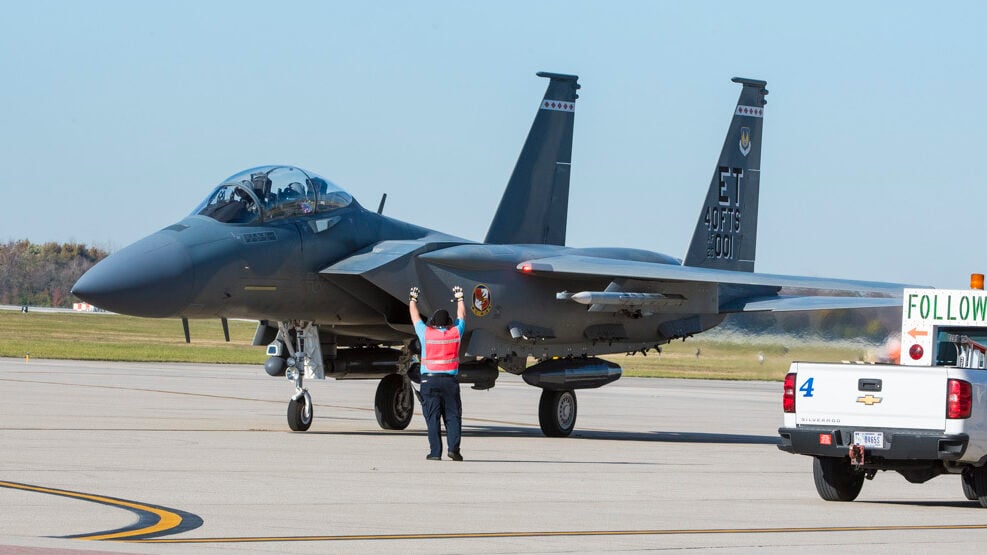
The U.S. Air Force has dramatically increased its acquisition plan for the F-15EX Eagle II, more than doubling its projected fleet to 267 jets amidst a substantial 25% surge in the FY27 Air Force budget to $267.7 billion. This significant expansion, revealed today at the Pentagon, aims to rapidly recapitalize the aging F-15E units and ensure the sustainment of critical production lines for the Boeing-made fighter.
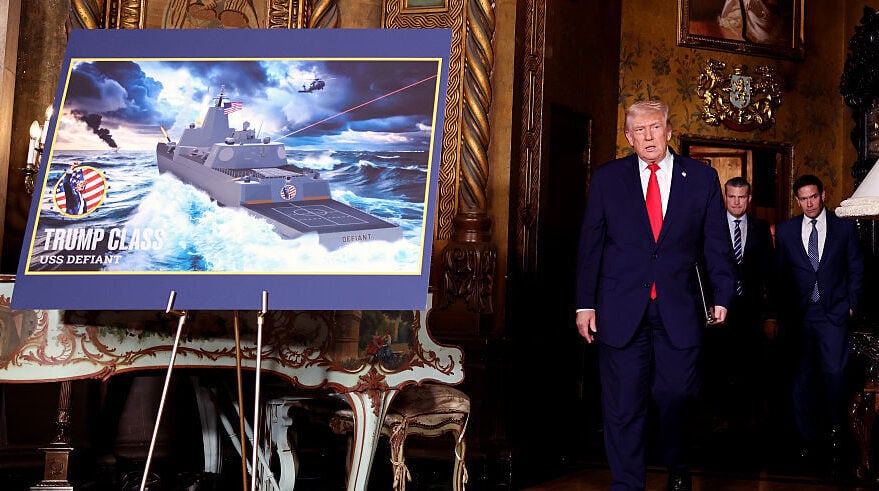
The U.S. Navy has set an ambitious target of Fiscal Year 2028 to commence construction on the first-in-class "Trump-class" battleship, a program projected to demand an substantial $46 billion over five years for its design and development. This next-generation vessel, personally announced by President Donald Trump, is slated to feature an advanced arsenal including hypersonic weapons, electronic rail guns, and high-powered lasers. The Navy is already seeking significant advance procurement and R&D funds in FY27 to accelerate this high-priority initiative.