
Pentagon’s DCDC Plans Critical Infrastructure Cyber Defense
- The DCDC, a sub-unified command under US Cyber Command, is crafting a joint task force structure for critical infrastructure defense.
- A primary objective is establishing unambiguous command and control protocols across various federal agencies during cyber incidents.
- Plans involve developing "digital green zones" to precisely identify and secure vital infrastructure components and data integrity.
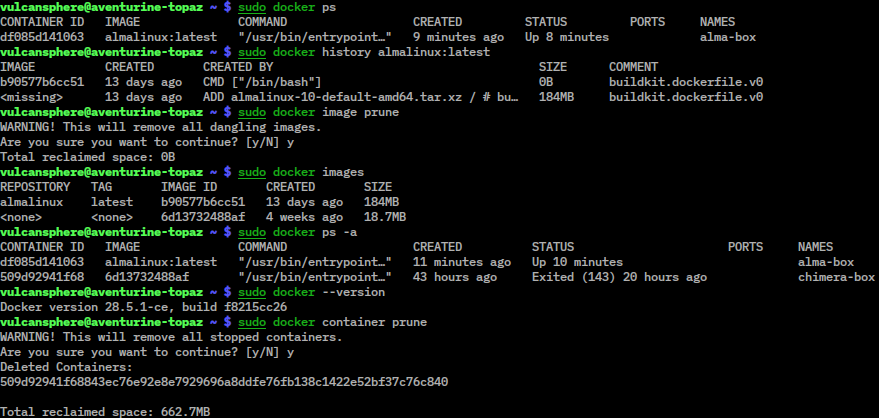
Checkmarx, a prominent application security vendor, has suffered a significant supply chain compromise, with malicious KICS Docker images and VS Code extensions discovered exfiltrating sensitive configuration data and enabling remote script execution. Cybersecurity researchers at Socket revealed that threat actors overwrote official Docker Hub tags and introduced new ones, posing a serious risk to users' infrastructure-as-code files and credentials. The compromised Docker repository has since been archived.
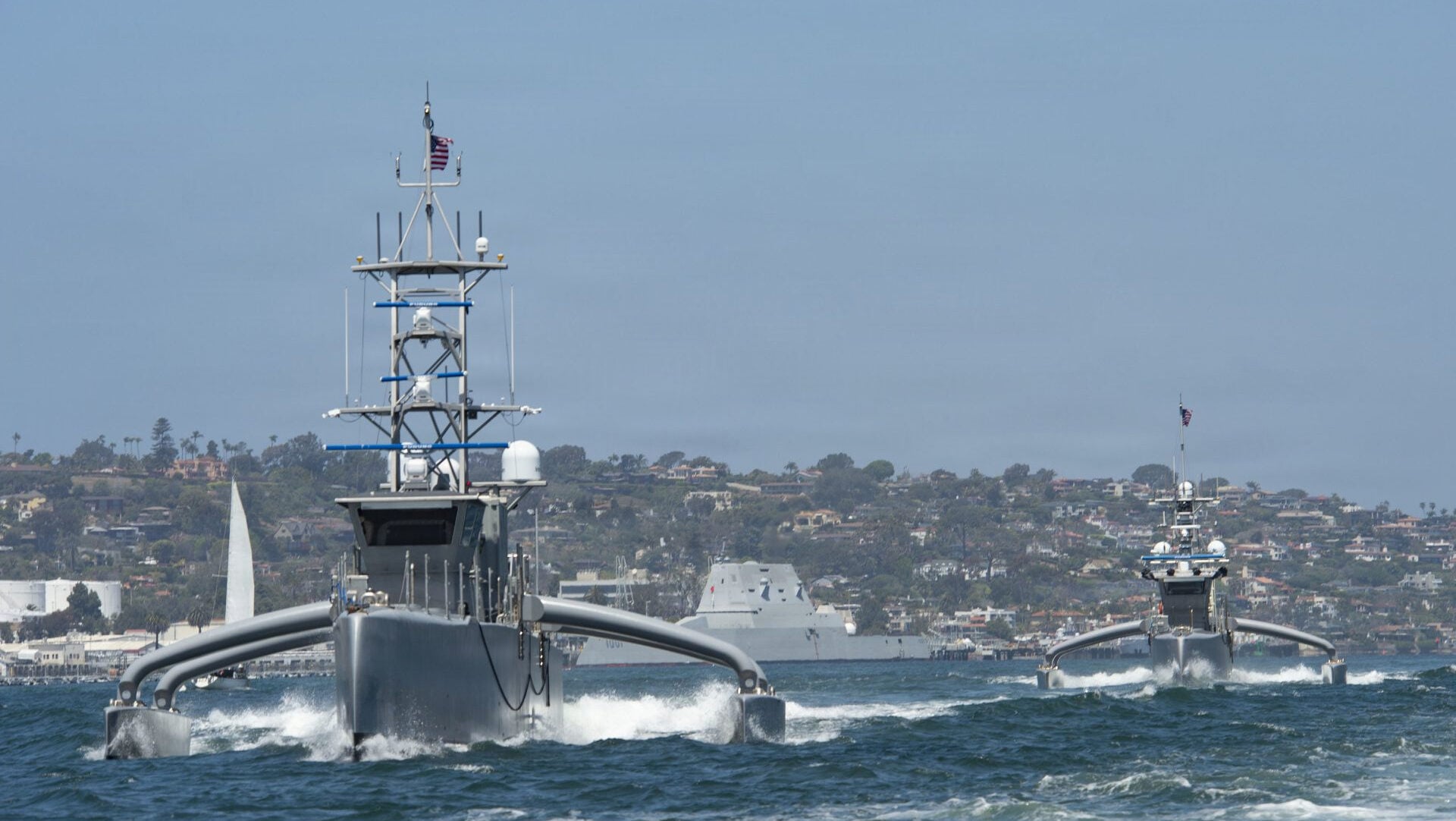
The U.S. Navy is pivoting towards a future fleet built on specialized unmanned systems, recognizing that diverse global theaters, from the Red Sea to the Pacific, demand unique technological solutions. This strategic shift, heavily influenced by lessons from current conflicts in Ukraine and against Iranian-backed forces, underscores a move away from the traditional, one-size-fits-all approach to naval warfare. Navy leaders are emphasizing the need for purpose-built drones, tailored to specific environmental, operational, and adversarial challenges across different regions.
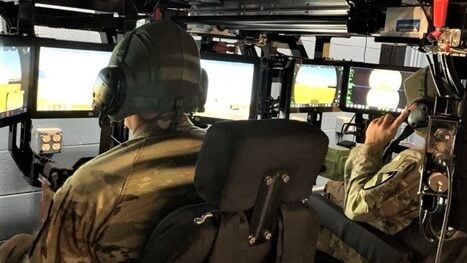
The U.S. Army is embarking on an ambitious ground vehicle and command and control modernization, committing nearly $4 billion to its top priority, Next Generation Command and Control (NGC2). This sweeping plan, outlined in newly released budget documents, also includes the procurement of 108 XM30 vehicles by FY31 as a long-awaited Bradley replacement, with significant funding allocated for initial units in FY27. These initiatives represent the Army's most substantial modernization effort in over four decades, aiming to reshape its capabilities for modern warfare.

The Trump administration, through OMB Director Russ Vought, has issued a severe ultimatum to U.S. shipbuilders: resolve persistent production delays and cost overruns or face the prospect of the government sourcing vessels from foreign shipyards. Speaking at the Sea Air Space conference, Vought underscored the administration's frustration with extensive backlogs, escalating 'cost-to-complete' bills, and declining productivity despite significant federal investment. This bold threat marks a significant pivot from traditional domestic procurement policies, signaling a potential shift in national security acquisition strategy.

Ukraine has rapidly ascended to become Italy's fourth-largest arms export customer, with authorized licenses totaling €349 million, underscoring a significant deepening of their defense relationship. This surge in exports follows Italy's provision of approximately €2.8 billion in direct military aid to Kyiv since 2022 and comes as both nations actively pursue a critical 'Drone Deal' for joint UAV production.
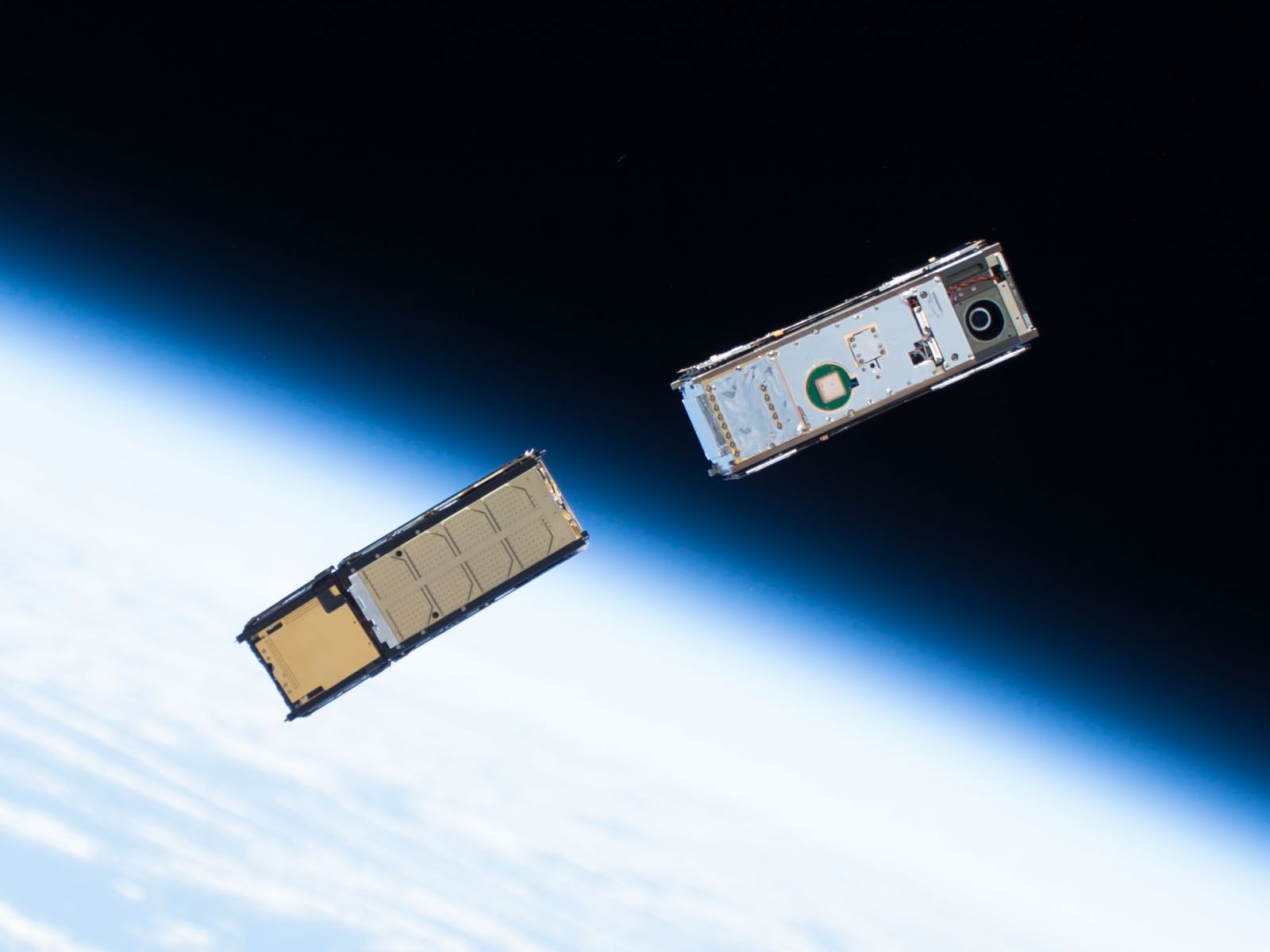
President Donald Trump has nominated two seasoned defense industry executives, Erich Hernandez-Baquero from Raytheon/RTX and Roger Mason from V2X, for pivotal leadership roles overseeing US government space programs. Hernandez-Baquero is slated to become Assistant Secretary of the Air Force for Space Acquisition and Integration, while Mason is tapped as the next Director of the National Reconnaissance Office (NRO). These nominations, announced via White House postings, signify a direct pipeline of private sector experience into critical national security infrastructure.
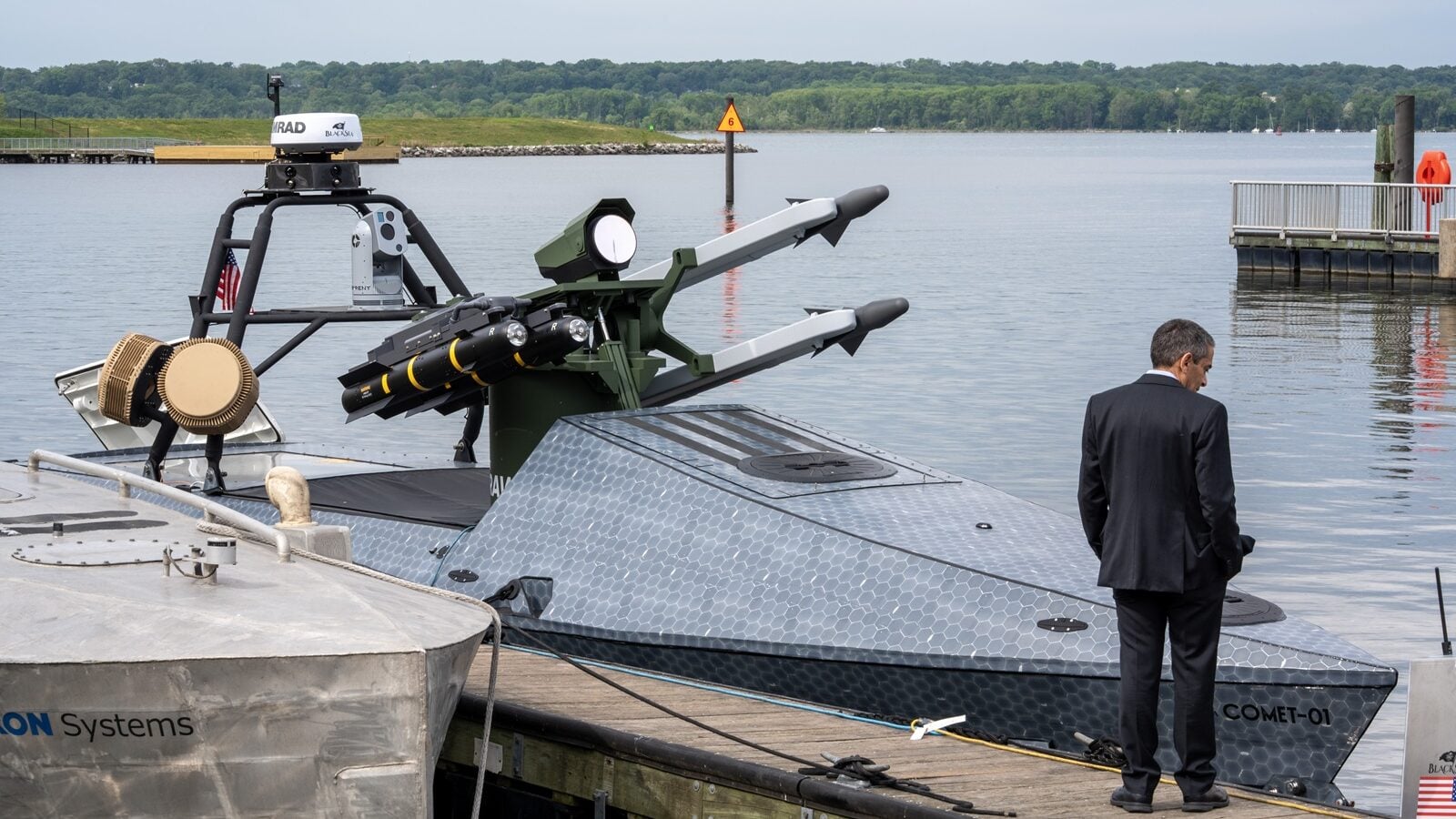
As the Navy League's annual Sea Air Space conference concluded its 2026 iteration at National Harbor, the final day brought a flurry of last-minute showcases and discussions on the future of naval power. This visual recap captures key moments and groundbreaking technologies from Day 3, offering a glimpse into the innovations poised to shape maritime defense and security strategies. From advanced sensor systems to unmanned surface vessels, the exhibition floor buzzed with developments critical to modern naval operations.

The Space Force is significantly redirecting its orbital data relay strategy, officially cutting funding for future iterations of the Space Development Agency's (SDA) Transport Layer. Instead, the service plans to invest $1.6 billion into a new proliferated Low Earth Orbit (LEO) mesh constellation, dubbed the 'backbone' of its burgeoning Space Data Network (SDN), aimed at providing resilient, low-latency data links. This move follows previous attempts by the Space Force to de-fund the SDA's Tranche 3 satellites, indicating a firm commitment to establishing its own dedicated LEO communication infrastructure.

Admiral Samuel Paparo, Commander of Indo-Pacific Command (INDOPACOM), has reported no unfunded requirements for fiscal year 2027, signaling a significant shift in Pentagon budgeting for the critical region. This unprecedented situation comes as the FY27 budget allocates a record $11.7 billion to the Pacific Deterrence Initiative (PDI), marking a substantial $1.7 billion increase. The move aims to fully fund INDOPACOM's needs amidst growing strategic competition.

Artificial intelligence is dramatically escalating the threat posed by long-standing software vulnerabilities, transforming what were once considered manageable risks into critical cybersecurity challenges. The danger isn't AI's ability to invent novel flaws, but its unprecedented capacity to weaponize the vast landscape of existing, unpatched bugs and legacy system weaknesses. This shift demands an urgent re-evaluation of defensive strategies across all sectors.

The sophisticated Tycoon phishing group is now employing an advanced technique known as device code phishing, a shift from traditional 2FA credential theft. This innovative method leverages legitimate new-device login flows from various services, effectively tricking users into granting direct account access and bypassing even robust multi-factor authentication (MFA). It represents a significant escalation in the ongoing cat-and-mouse game between attackers and security defenses.