Military & Defense
451 articles · Coverage updated continuously
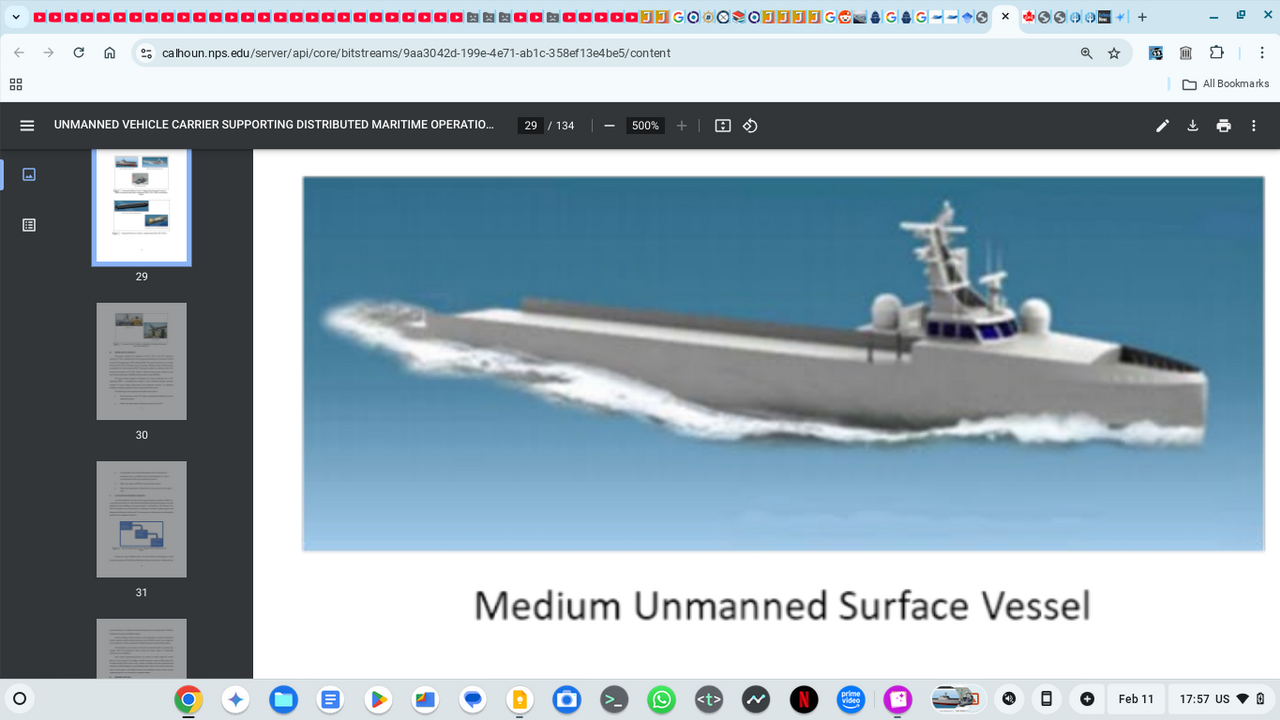
The Navy League's annual Sea Air Space conference kicked off with significant revelations, as new details emerged regarding the F/A-XX next-generation fighter timeline. Alongside this critical update for future naval aviation, the conference's first day also saw a surge of interest in Medium Unmanned Surface Vessels (MUSVs), signaling a clear direction for the Navy's autonomous warfare strategy. Breaking Defense provided comprehensive coverage, capturing key insights from National Harbor.
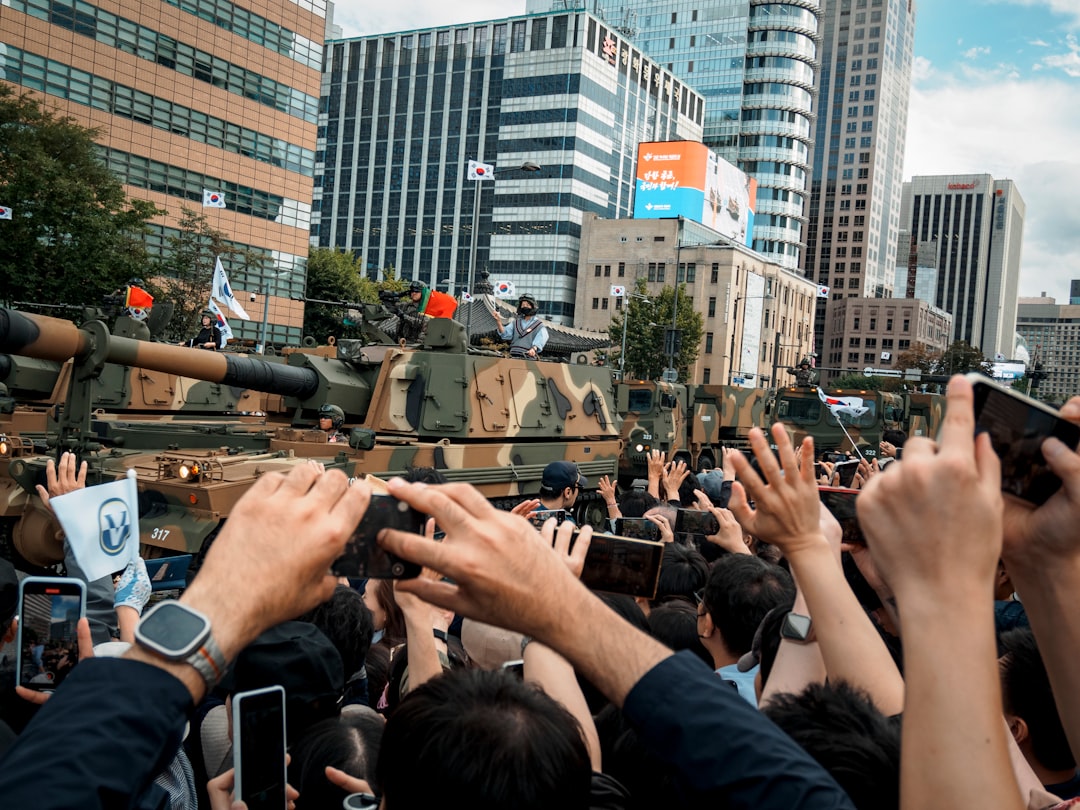
The venerable A-10 Thunderbolt II, affectionately known as the Warthog, has once again dodged retirement, with the Air Force extending its operational life through 2030. This latest reprieve is directly attributed to the aircraft's critical and continued deployment in close air support and high-threat rescue missions within the ongoing Iran war, a decision reportedly influenced by White House intervention. Air Force Secretary Troy Meink confirmed the extension via X, citing the need to maintain combat power until the defense industrial base can increase production of new combat aircraft.

The Navy League's premier Sea Air Space conference has officially opened its doors in Washington D.C., launching three days of critical discussions and groundbreaking reveals in naval innovation. Our team is on the ground, bringing you an exclusive first look at the cutting-edge defense technologies and strategic insights emerging directly from the show floor on Day 1. While the full scope of the conference unfolds at National Harbor, Breaking Defense offers a snapshot of the most compelling exhibits and industry trends.
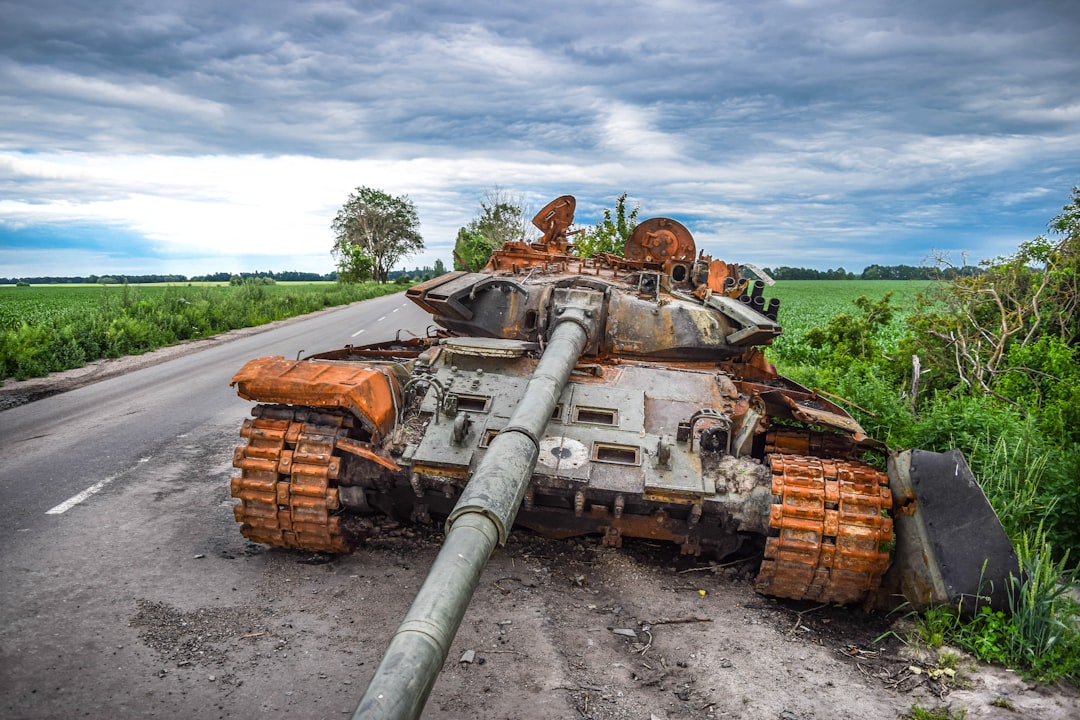
The U.S. Air Force's planned retirement of the A-10 Thunderbolt II by fiscal year 2029 is poised to create a critical void in combat search and rescue (CSAR) capabilities, threatening a specialized mission that dates back to the Vietnam War. This move eliminates not only an aircraft, but also the 'Sandy' pilots whose decades-old, unique training fosters operational trust and expertise essential for complex, high-stakes recovery operations. A recent CSAR mission over Iran, involving a damaged A-10, starkly illustrates the irreplaceable value of a dedicated platform and highly trained personnel for rescuing downed aircrews.

The U.S. Air Force has announced a reversal in its A-10 Warthog retirement timeline, extending the venerable ground-attack aircraft's service through 2030, a year beyond its previously scheduled 2029 exit. This strategic decision by Secretary of the Air Force Troy E. Meink aims to bolster combat power amidst escalating operational demands, particularly in ongoing missions in Iran. The extension comes as the Defense Industrial Base ramps up production of new combat aircraft, suggesting a tactical need to maintain immediate aerial capabilities.
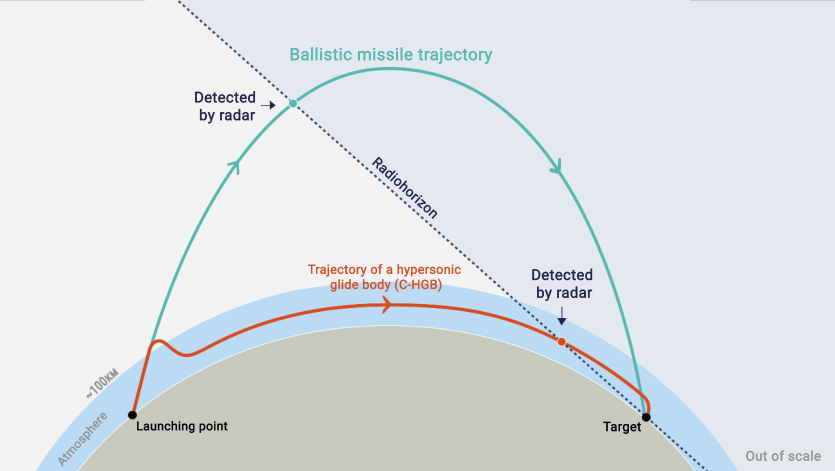
France is significantly accelerating its defense modernization efforts, fast-tracking decisions on a new rocket artillery system and a formidable land-based ballistic missile to prepare for potential 'wars of attrition' by 2030. These urgent procurements, including 26 new artillery units and a 2,500km hypersonic-capable missile, underscore Paris's commitment to bolstering its long-range strike capabilities and domestic defense industrial base amid evolving geopolitical landscapes. The push includes extensive testing of indigenous systems from firms like Safran, MBDA, Thales, and ArianeGroup, alongside consideration of foreign alternatives.

Australia is set to inject an unprecedented A$887 billion into its defense capabilities over the next decade, aiming to reach 3% of its GDP by 2033-34. This significant financial commitment accompanies an updated National Defence Strategy that explicitly warns of a 'dangerous, unpredictable era' and heightened geopolitical risks, marking a pivotal shift in the nation's security posture. The sweeping investment will prioritize critical areas including undersea warfare, long-range strike capabilities, autonomous systems, and integrated air and missile defense.
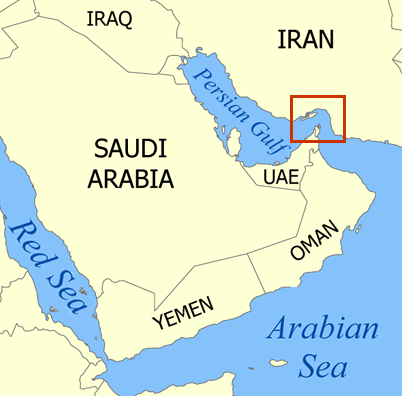
Iran's navy has declared the Strait of Hormuz "completely closed again," broadcasting the message via VHF as multiple merchant vessels reported being hit by gunfire from Iranian gunboats. This abrupt closure comes just a day after Iran issued a notice to mariners suggesting restricted passage would be allowed, indicating a rapid escalation of tensions in the critical waterway. Two vessels attempting to transit near Qeshm and Larak islands were forced to turn back after the engagements.
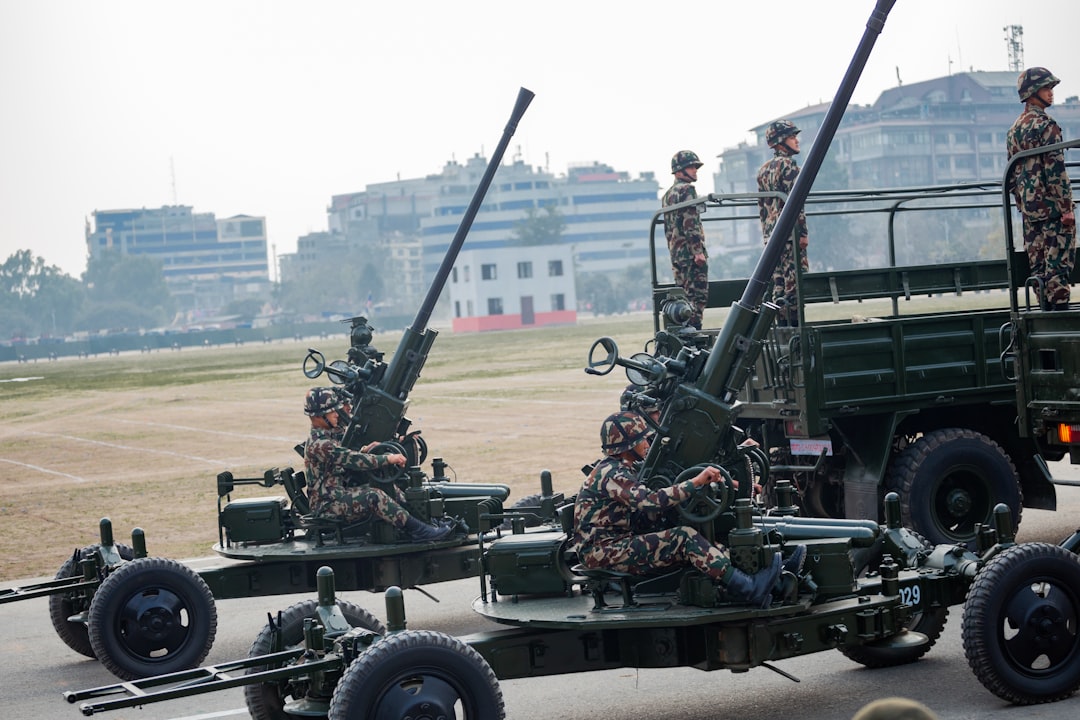
The U.S. Navy has disabled an Iranian-flagged cargo vessel in the Arabian Sea, dramatically enforcing its ongoing naval blockade of Iranian ports and escalating regional tensions. The USS Spruance fired upon the M/V Touska after it defied six hours of warnings while attempting to reach Bandar Abbas, an act Iran has vowed to retaliate against. This decisive action comes amid a fragile ceasefire and marks a significant operational enforcement of U.S. sanctions.

The U.S. Space Force has revealed its ambitious 'Objective Force' plan, charting a course for massive expansion and the development of advanced warfare capabilities by 2040. This comprehensive 100-page document outlines a vision that includes a significant increase in personnel, particularly a 30% boost for Space Domain Awareness, to meet the challenges of an increasingly contested space domain. The service anticipates a dramatic surge in satellite numbers, projecting a quintupling to 60,000 globally, necessitating extensive commercial integration and enhanced tracking capabilities.

Chief of Naval Operations Adm. Daryl Caudle has directly refuted recent media allegations of widespread food shortages and substandard meals aboard deployed Navy vessels, specifically the USS Abraham Lincoln and USS Tripoli. Addressing reporters at Sea-Air-Space 2026, Caudle insisted that both food quantity and quality fully meet Navy standards, pushing back against a USA Today article detailing unappetizing meals and small portions leaving sailors hungry in the Middle East. His denial includes claims that some photographic evidence presented by the media was misattributed, originating from shore galleys rather than the ships themselves.

Australia has unveiled an ambitious A$425 billion (US$307 billion) National Defence Strategy, aiming to elevate defense spending to 3% of GDP by 2033/34 amidst an evolving Indo-Pacific security landscape. While lauded for its strategic direction and substantial investment in key capabilities like AUKUS submarines and advanced air defenses, the core question emerging from experts is whether the pace of this multi-decade acquisition plan truly matches the accelerating timeline of potential regional conflicts, particularly concerning China.