Military & Defense
451 articles · Coverage updated continuously
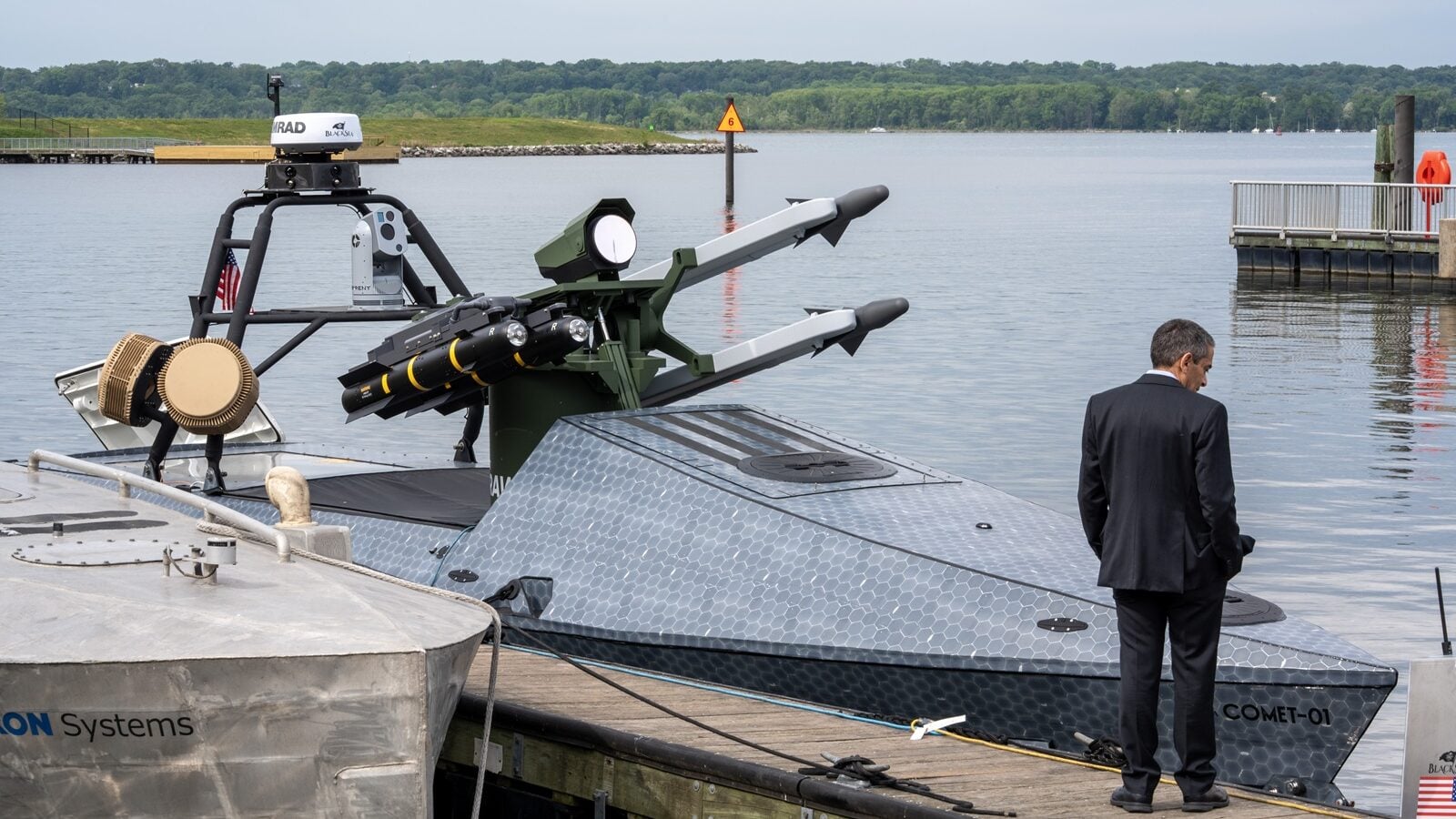
As the Navy League's annual Sea Air Space conference concluded its 2026 iteration at National Harbor, the final day brought a flurry of last-minute showcases and discussions on the future of naval power. This visual recap captures key moments and groundbreaking technologies from Day 3, offering a glimpse into the innovations poised to shape maritime defense and security strategies. From advanced sensor systems to unmanned surface vessels, the exhibition floor buzzed with developments critical to modern naval operations.
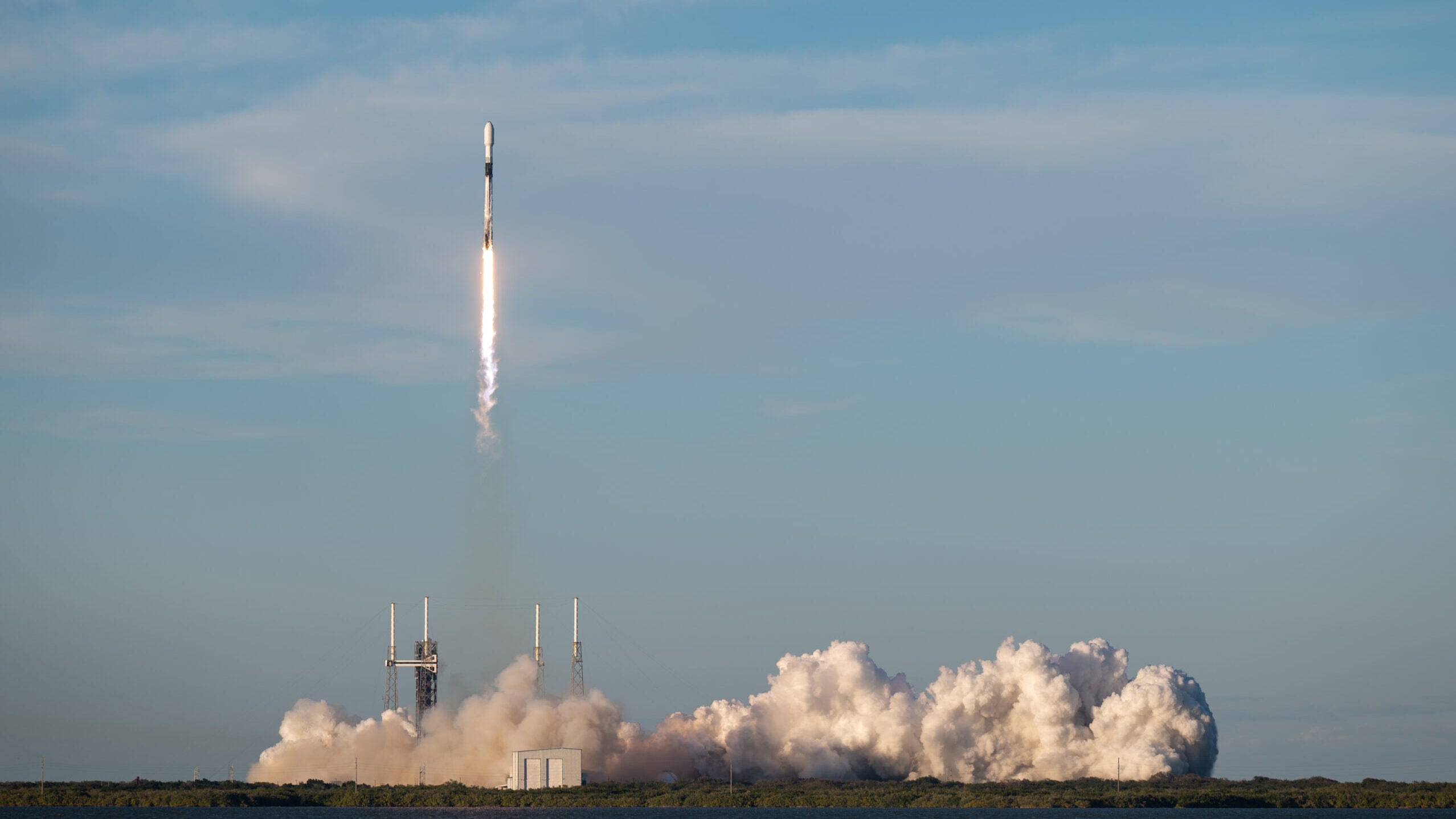
The Space Force is significantly redirecting its orbital data relay strategy, officially cutting funding for future iterations of the Space Development Agency's (SDA) Transport Layer. Instead, the service plans to invest $1.6 billion into a new proliferated Low Earth Orbit (LEO) mesh constellation, dubbed the 'backbone' of its burgeoning Space Data Network (SDN), aimed at providing resilient, low-latency data links. This move follows previous attempts by the Space Force to de-fund the SDA's Tranche 3 satellites, indicating a firm commitment to establishing its own dedicated LEO communication infrastructure.
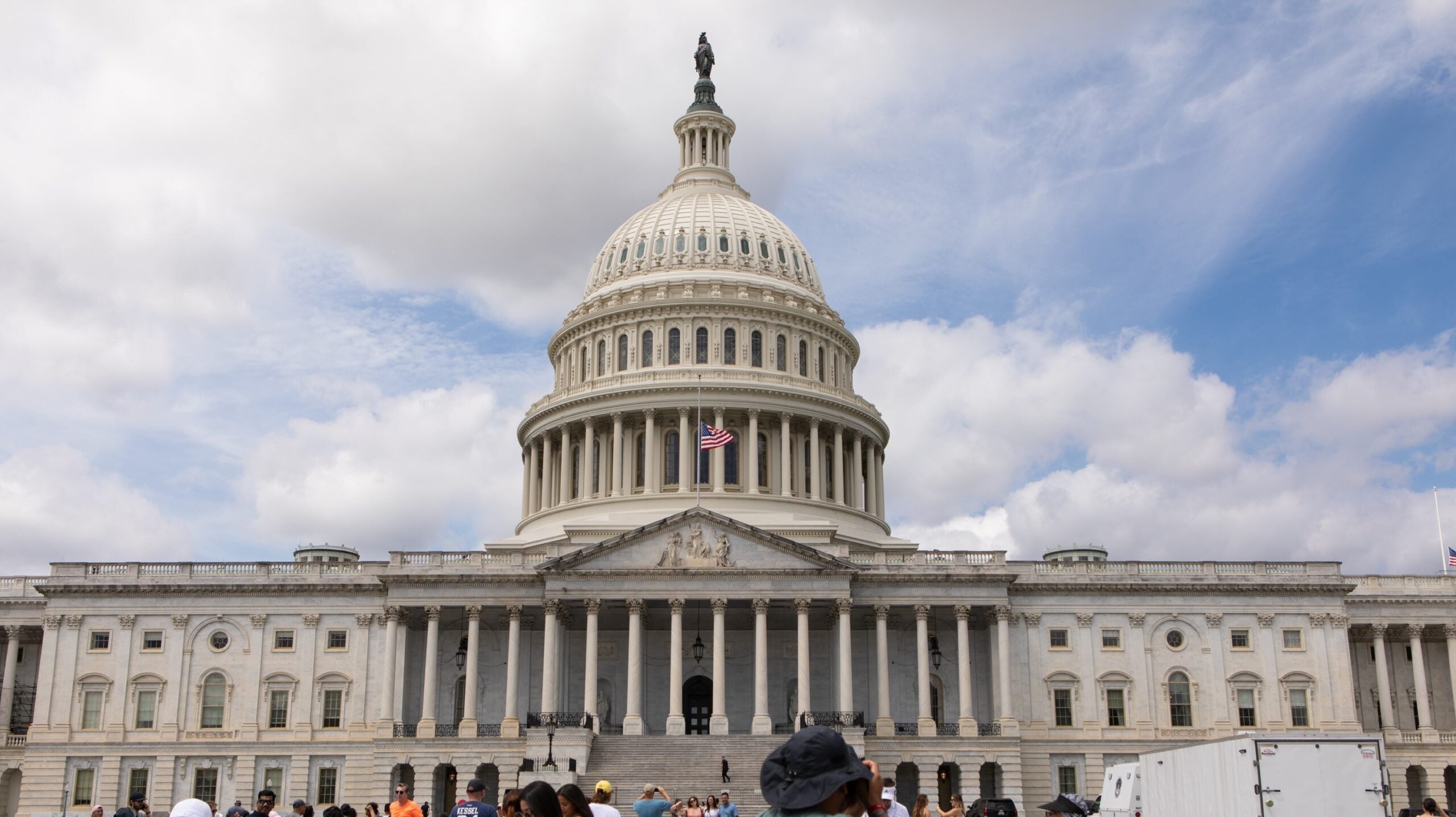
Admiral Samuel Paparo, Commander of Indo-Pacific Command (INDOPACOM), has reported no unfunded requirements for fiscal year 2027, signaling a significant shift in Pentagon budgeting for the critical region. This unprecedented situation comes as the FY27 budget allocates a record $11.7 billion to the Pacific Deterrence Initiative (PDI), marking a substantial $1.7 billion increase. The move aims to fully fund INDOPACOM's needs amidst growing strategic competition.

Germany has unveiled a sweeping overhaul of its armed forces, declaring an ambitious goal to become Europe's strongest conventional military by 2039. This comprehensive package of strategic documents, including its first standalone military strategy, marks a historic turning point for the Bundeswehr as it pivots to address a primary threat from Russia and fundamentally reshape its operational doctrine.

The U.S. Navy is preparing for its first clean-sheet trainer aircraft design since the 1950s, a move signaling a comprehensive overhaul of its pilot training methodologies. This initiative is central to the broader Undergraduate Jet Training System (UJTS) modernization, which aims to enhance pilot readiness and efficiency. A key innovation within UJTS includes shifting initial field carrier landing practice (FCLP) from actual carriers to airfields, a practical adjustment with significant implications for cost and resource allocation.
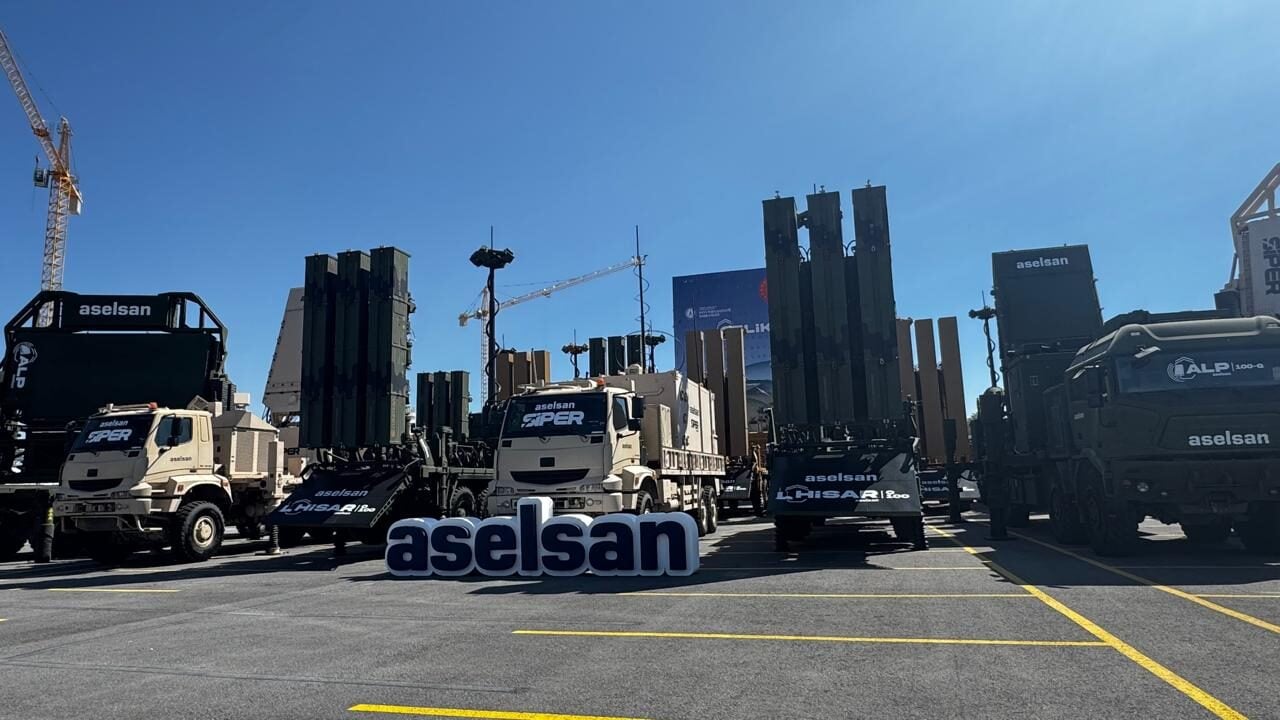
Turkish defense firms have solidified their presence in Southeast Asia, securing significant contracts with Malaysia at the DSA 2026 expo in Kuala Lumpur. These agreements span critical defense technologies, including surface-to-surface missiles, secure satellite communications, and localized artificial intelligence development. This expansion highlights a strategic partnership aimed at bolstering Malaysia's defense capabilities while leveraging Turkey's proven military industrial complex.

The U.S. Navy is exploring a radical shift in its shipbuilding strategy, considering overseas manufacturing partnerships to overcome domestic labor shortages and accelerate fleet expansion. Navy Secretary John Phelan announced a study into the concept, citing successful maintenance and repair collaborations with allies like South Korea and Japan as potential models. This initiative comes as the Navy faces mounting pressure to meet ambitious fleet growth targets amid strained domestic industrial capacity.

The second day of the Navy League's annual Sea Air Space conference brought to light significant revelations concerning the proposed Trump-class battleship program, with new details and cost discussions dominating the discourse. Alongside these revelations, critical delays impacting submarine production timelines emerged as a major point of concern for defense stakeholders and policymakers alike. Breaking Defense's Aaron Mehta and Diana Stancy covered the key insights from the event at National Harbor.

The Space Force is poised for an unprecedented budget increase, with its 2027 request more than doubling to $71.1 billion to fund new space technologies and weapons aligned with a "space superiority" executive order. This massive financial expansion, however, comes as the service grapples with significant civilian workforce cuts, including a 10% reduction in its acquisitions arm, creating a formidable challenge for timely fund obligation. The abrupt shift from staff reductions to a colossal budget surge raises critical questions about the Space Force's capacity to effectively manage and execute such a substantial financial undertaking amidst ongoing hiring difficulties.

The commander of U.S. Forces Korea (USFK), General Xavier Brunson, confirmed Tuesday that the Terminal High Altitude Area Defense (THAAD) missile defense system remains fully deployed on the Korean Peninsula, directly addressing previous reports of its redeployment. This statement clarifies that while radars and munitions may have been prepared or moved, the core THAAD *systems* crucial for deterring North Korean ballistic missile threats have not been relocated to the Middle East.
The head of U.S. Indo-Pacific Command, Admiral Samuel Paparo, issued a stark warning to Taiwan, emphasizing the critical need for the island to fund its own defense and cautioning against 'starving the chicken' through budgetary delays. This comes as Taiwan's parliament, currently controlled by the opposition Kuomintang (KMT) party, continues to debate President Lai Ching-te's proposed $40 billion defense spending package, amid U.S. concerns over funding delays despite assurances of a robust defense package.

The Department of Defense has unveiled a staggering $1.5 trillion budget proposal for fiscal 2027, marking an unprecedented 42% year-over-year increase and the largest military outlay in modern history. This monumental investment is driven by a perceived "complex and dangerous threat environment" and aims to address years of underinvestment in the nation's defense industrial base. Key priorities include the "Golden Dome" homeland defense system, expanded drone warfare capabilities, and significant advancements in artificial intelligence.