Military & Defense
454 articles · Coverage updated continuously
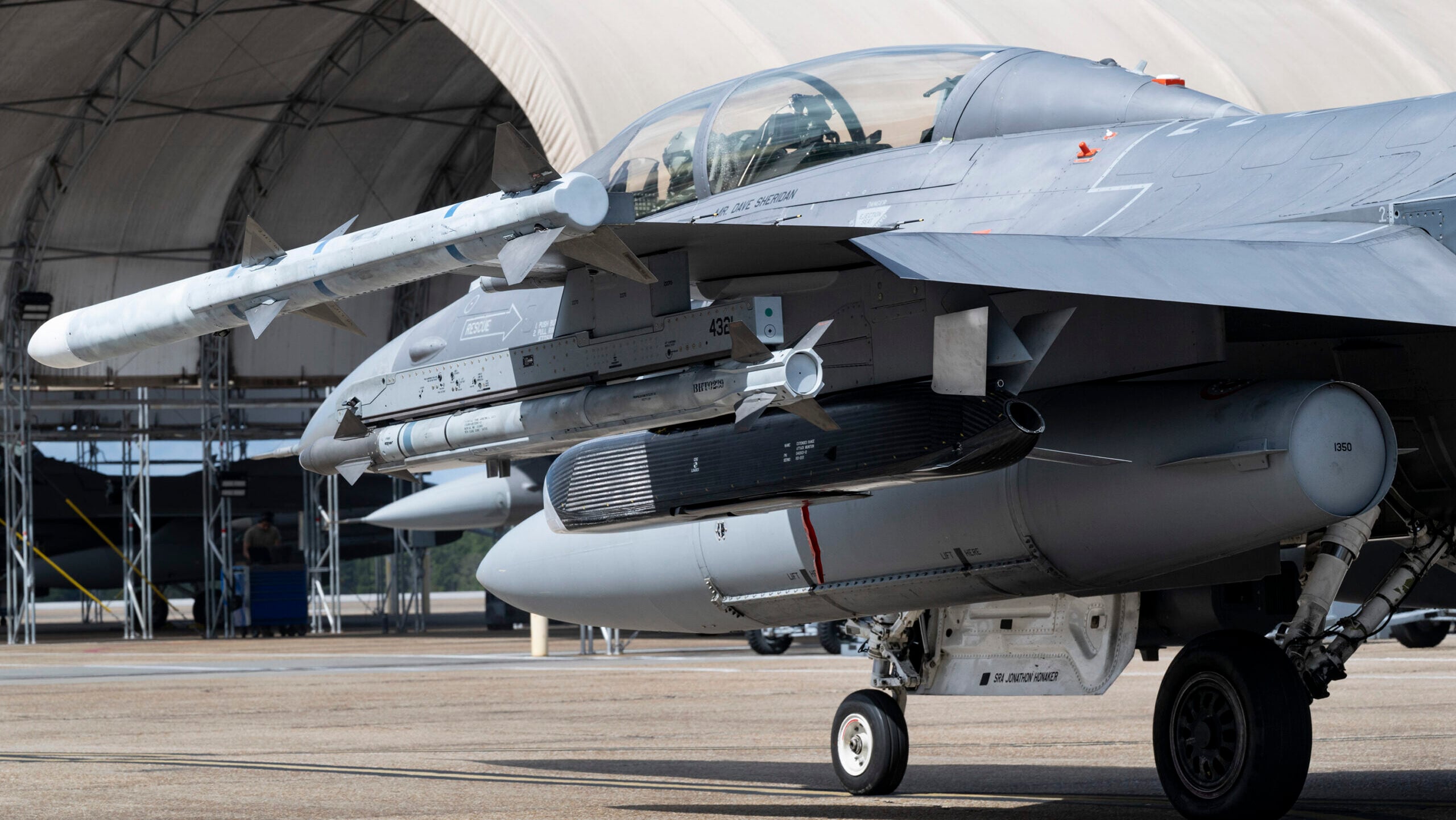
The U.S. Air Force is set to invest over $12 billion to acquire nearly 27,000 new low-cost cruise missiles, revealing the Family of Affordable Mass Missile (FAMM) as a critical new program of record. This massive procurement drive signals a significant strategic pivot towards equipping the military with high volumes of affordable munitions in the coming years.

Acting Navy Secretary Hung Cao has unveiled a comprehensive, albeit controversial, vision for the service, prioritizing a "Golden Fleet" of modernized vessels and reformed acquisition processes. Speaking at the Modern Day Marine exposition, Cao also detailed his desired military ethos, advocating for "alpha males and alpha females" while dismissing "cross-dressers" and "leaf eaters" as unsuitable for service.

Acting Secretary of the Navy Hung Cao has called for a significant overhaul of naval acquisition, emphasizing a push for new industry entrants and diversified supply chains. In his first speech since taking the post, Cao urged partners to help develop cutting-edge solutions, particularly for munitions and shipbuilding, signaling a departure from reliance on traditional major contractors.

Acting Navy Secretary Hung Cao, swiftly appointed following his predecessor's ouster, delivered his inaugural public remarks, emphasizing a commitment to modernizing the U.S. Navy and Marine Corps. He passionately declared his intent to prevent future generations, including his own son soon to be commissioned, from experiencing the under-equipped conflicts he endured. This vision underpins his focus on accelerating defense acquisitions and fostering innovation.

India has significantly bolstered its naval power with the quiet induction of its third nuclear-powered ballistic missile submarine (SSBN), the INS Aridhaman, enhancing its sea-based nuclear deterrence capabilities. This strategic move coincides with New Delhi nearing an $8 billion agreement with Germany for six advanced Air-Independent Propulsion (AIP) conventional submarines, signaling a concerted effort to fortify its underwater fleet amidst growing geopolitical considerations, particularly the increased presence of Chinese vessels in the Indian Ocean. The dual developments underscore India's commitment to ensuring continuous patrol for a credible second-strike capability and boosting underwater stealth.

The Pentagon's fiscal 2027 budget request outlines an ambitious plan to acquire 85 F-35 Lightning II fighters, a substantial increase from the 47 jets requested in FY26 and the largest single-year F-35 buy since FY22. However, this seemingly robust procurement hinges precariously on a separate, high-risk $350 billion reconciliation bill, leaving 53 of these critical aircraft in legislative limbo. Should this additional funding fail to materialize, the F-35 acquisition could plummet to a mere 32 jets, jeopardizing modernization efforts.
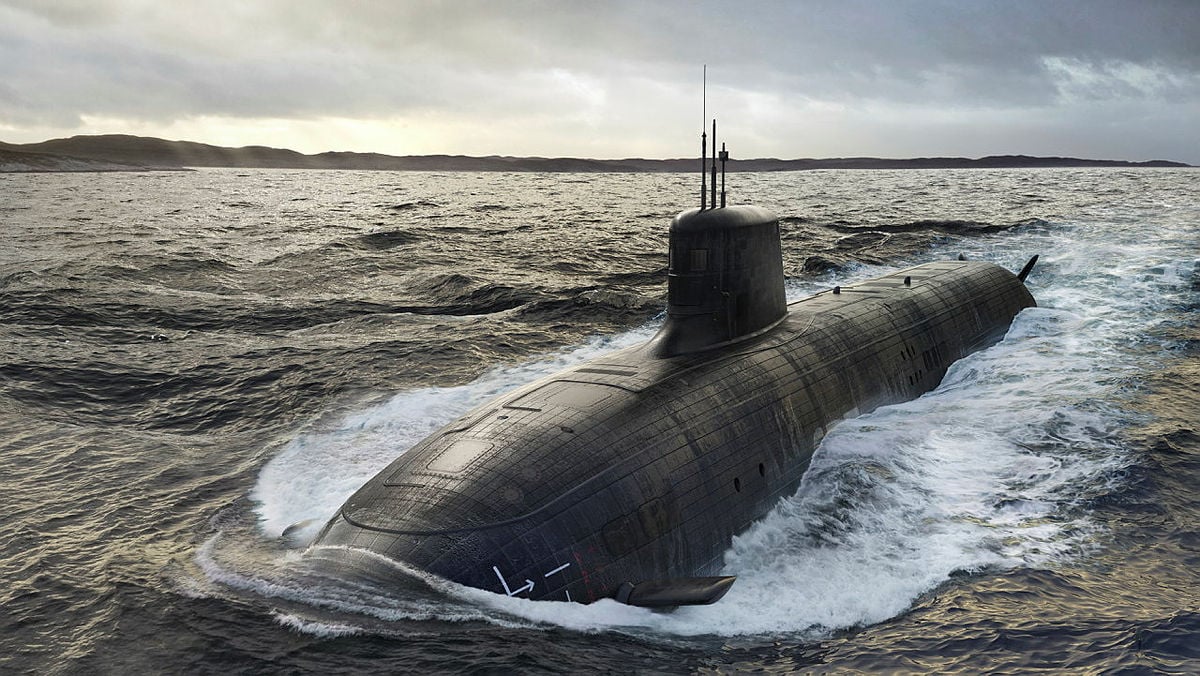
A new report from UK defense committee lawmakers has sounded the alarm over critical "shortcomings and failings" threatening the trilateral AUKUS nuclear submarine program. Specifically, delayed investment in the BAE Systems Barrow shipyard, where SSN-AUKUS vessels are slated for construction, is jeopardizing the timely delivery of these crucial assets, with grave implications for national security and alliance credibility. Lawmakers are now urging British Prime Minister Keir Starmer to step up and provide visible leadership to counter "political drift" hindering the program's progress.
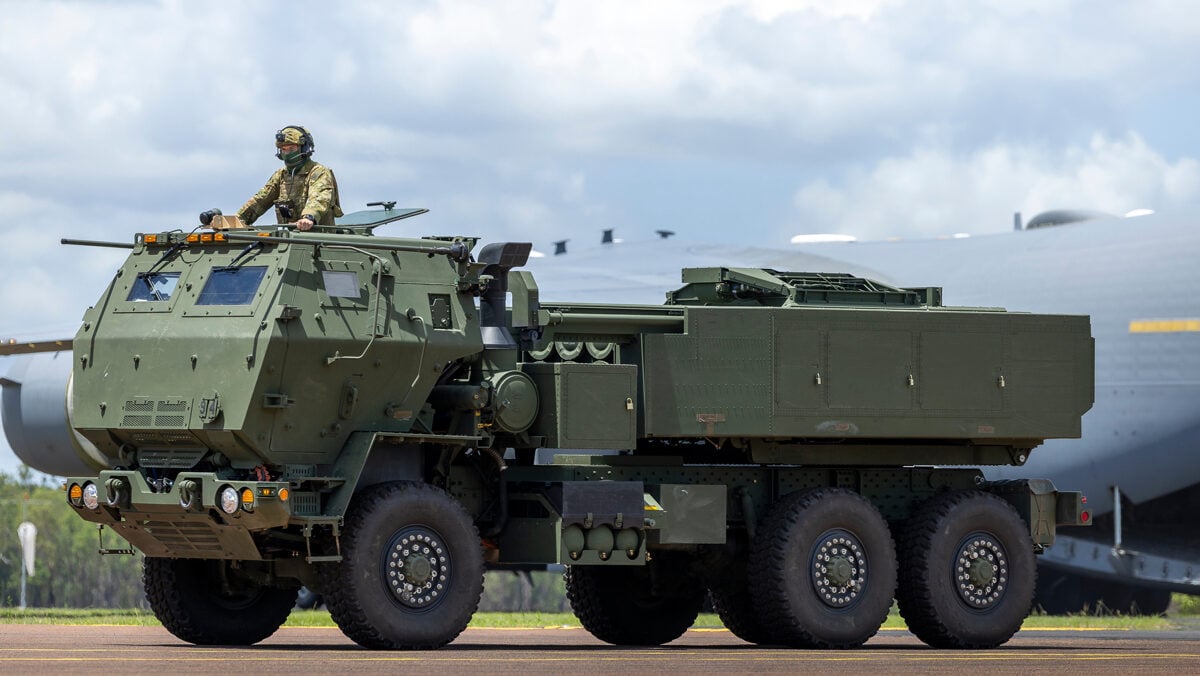
Australia is significantly bolstering its land-based long-range strike capabilities with a new $2.3 billion AUD ($1.65 billion) acquisition, including additional Lockheed Martin High Mobility Artillery Rocket Systems (HIMARS) and the introduction of Precision Strike Missiles (PrSM). This move will equip a second long-range fires regiment for the Australian Army, dramatically extending its strike potential to over 1000km with PrSM, alongside the procurement of 268 Thales Bushmaster protected mobility vehicles. This expands upon Australia's existing HIMARS orders, enhancing its ability to respond to regional contingencies and operate alongside allies.
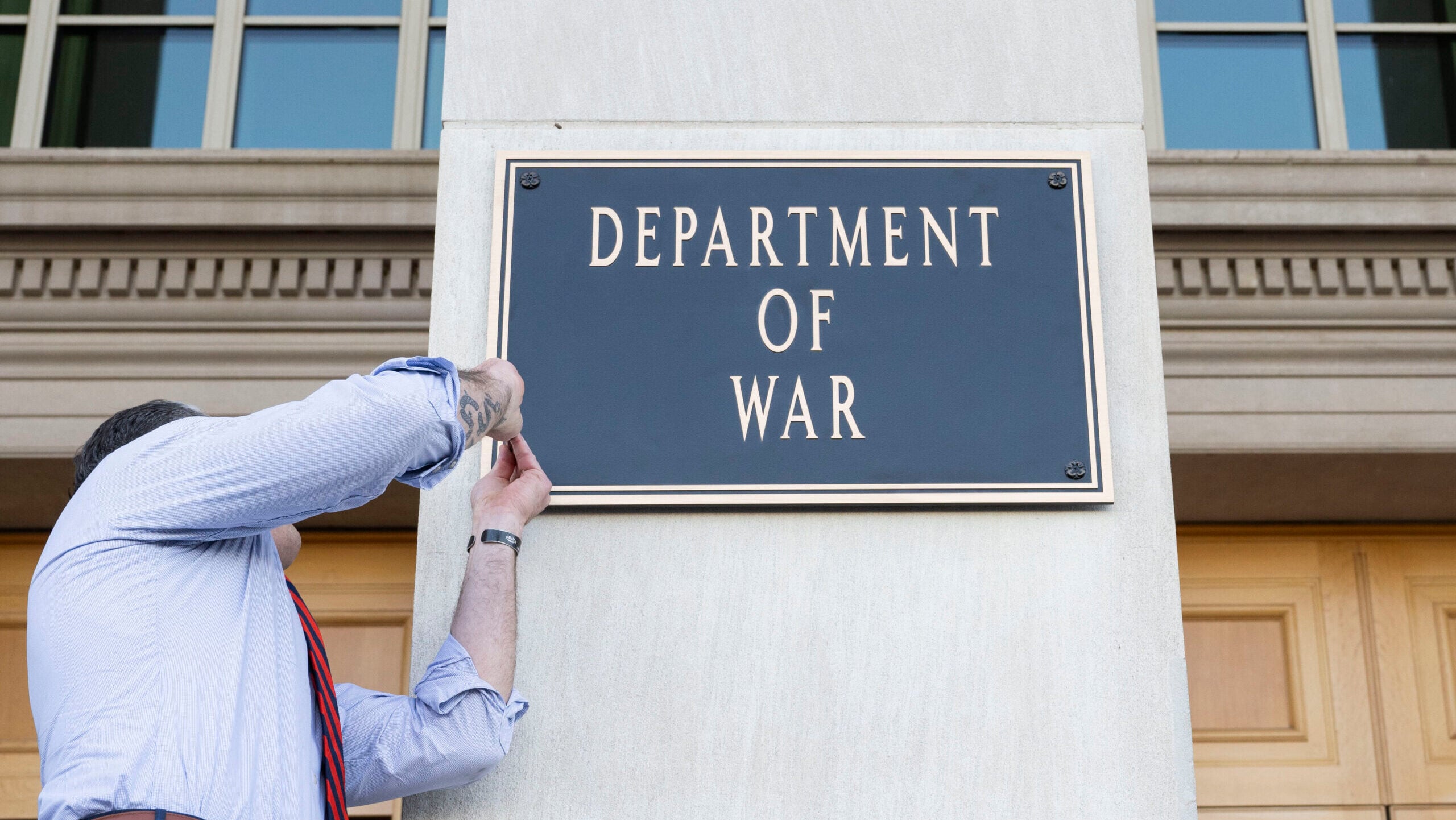
The Pentagon has formally requested Congress rename the Department of Defense to the Department of War, a legislative proposal poised to ignite significant political conflict on Capitol Hill. This bold move, framed by the department as a clear reaffirmation of its core mission to "fight and win wars," comes as lawmakers begin deliberations on the fiscal year 2027 defense policy bill. Despite the Pentagon's initial claims of minimal budgetary impact, estimated implementation costs could soar from $51.5 million to potentially hundreds of millions, raising immediate concerns among Democratic opposition.
The U.S. Marine Corps is set to unveil "Ground Combat Element 2040," a pivotal new land warfare doctrine designed to prepare its forces for high-end, near-peer conflicts where all domains are contested. This framework complements the service’s broader Force Design 2030 initiative by explicitly addressing the future of ground operations, including the rapid fielding of organic, dismounted counter-UAS kits and adapting acquisition processes based on real-world lessons from the war in Ukraine.

MetroStar Systems has officially lodged the first pre-award protest against the U.S. Army's massive 10-year, $50 billion Marketplace for the Acquisition of Professional Services (MAPS) contract. This challenge at the Government Accountability Office introduces significant uncertainty for a vehicle already plagued by widespread industry complaints regarding transparency, small business evaluation concerns, and slow responses from the Army. The filing further jeopardizes the May 8 proposal deadline for what some have described as a "hot mess."

The U.S. Army and Navy are formally collaborating on the Joint Laser Weapon System (JLWS), a powerful new high-energy laser weapon designed to counter incoming cruise missile threats as a key component of the 'Golden Dome for America' defense shield. This joint effort aims for an initial 150-kilowatt system, scalable to 300-500kw, leveraging advanced research from existing Navy and Army laser programs. The partnership signifies a concerted push to bring advanced directed energy weapons to the forefront of missile defense.