Military & Defense
458 articles · Coverage updated continuously

The intricate legislative tool known as budget reconciliation is once again a focal point for defense funding debates, offering a pathway to significant fiscal changes with potentially reduced political hurdles. This congressional maneuver can dramatically reshape resource allocations for the Pentagon, influencing everything from procurement to personnel without requiring a supermajority vote.

The United States Space Force is gearing up for an unprecedented surge in orbital operations, projecting a dramatic increase in launch frequency within the next decade. This rapid expansion demands a comprehensive overhaul of its current infrastructure, personnel, and technological capabilities to meet escalating national security and commercial demands.

The latest attempt at a temporary cessation of hostilities between Ukraine and Russia around the symbolically charged Victory Day period has quickly disintegrated. Both nations had proposed separate, conditional ceasefires, but these were almost immediately undermined by renewed combat operations, demonstrating the profound distrust that characterizes the ongoing conflict.
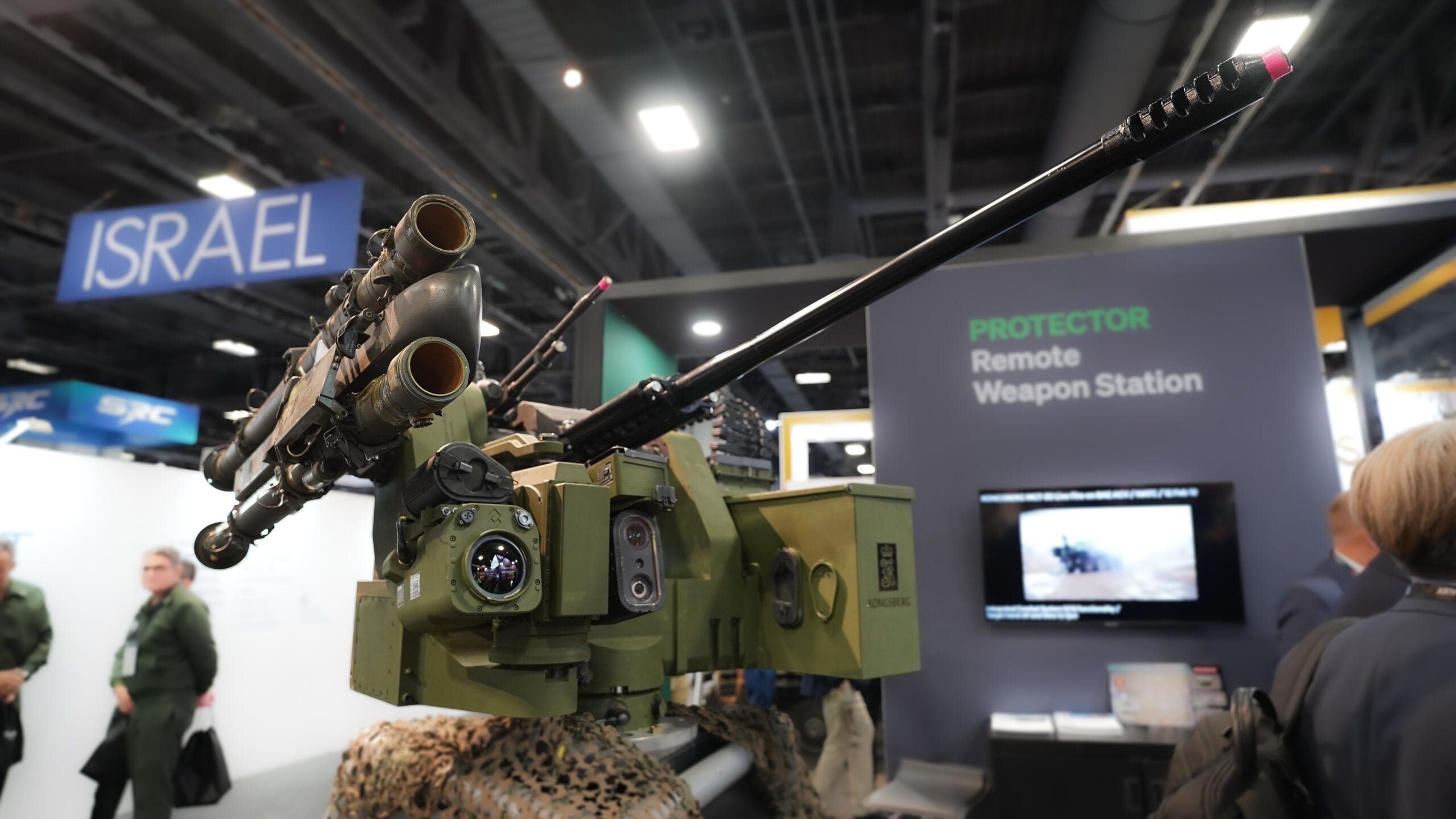
Norwegian defense innovator Kongsberg has reported a substantial surge in its first-quarter order intake, indicating robust demand across the global defense sector. This dramatic financial upswing is primarily driven by heightened international interest in advanced weapon systems and counter-drone technologies, propelling the company toward significant strategic expansion, particularly within the United States market.

The U.S. Army is poised to fundamentally alter its approach to air defense, planning a new initiative to develop significantly more cost-effective interceptor missiles. This strategic pivot, recently outlined by Army leadership, aims to drastically reduce the per-unit cost of defensive munitions while securing complete intellectual property ownership for the service.
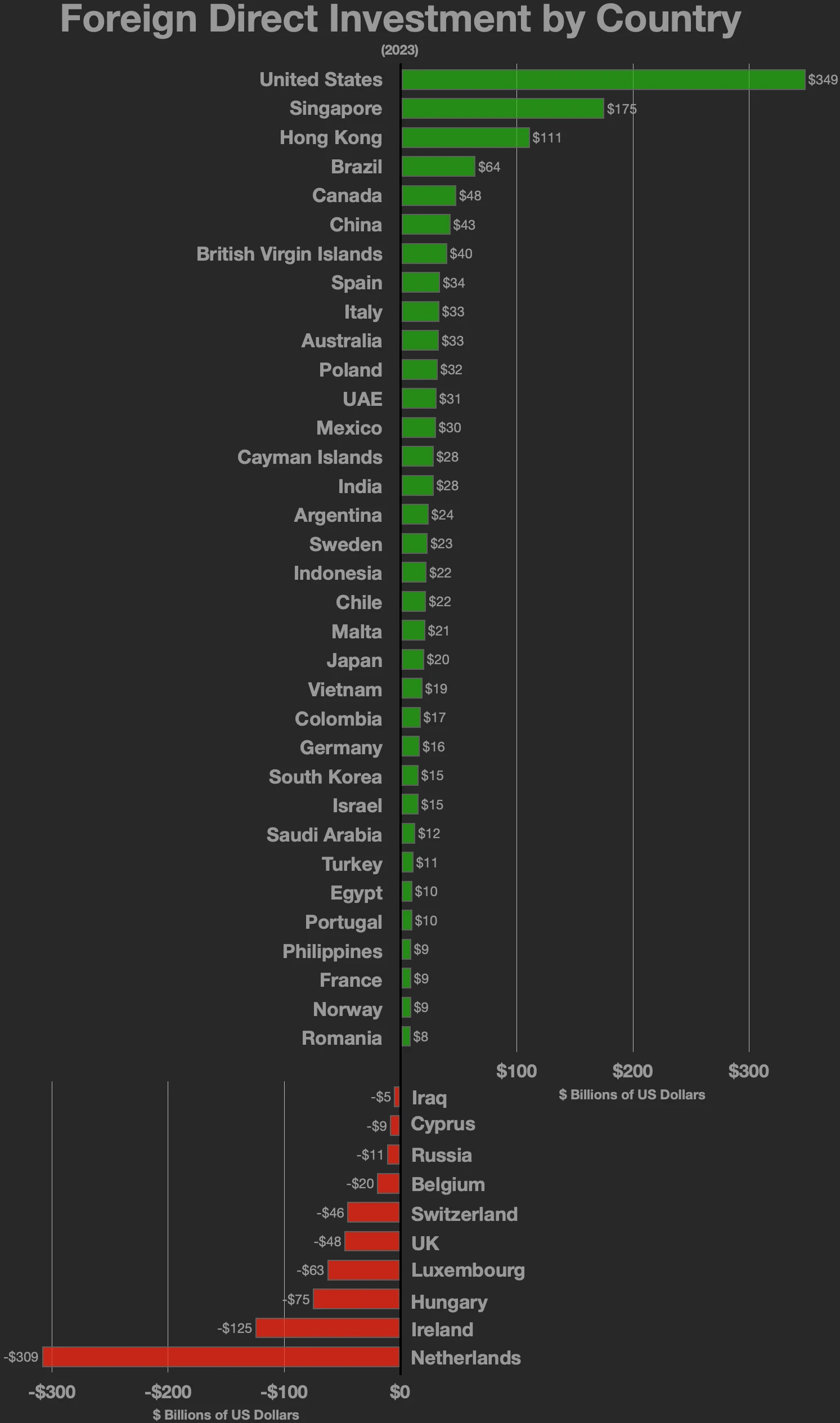
The United States Commerce Department is vigorously promoting foreign direct investment, signaling a commitment to assist international businesses with critical visa pathways if they establish manufacturing and development facilities on American soil. This strategic outreach occurs amidst a challenging global economic climate, marked by evolving trade policies and geopolitical tensions that have ripple effects on essential commodities.

In a significant development for regional stability, Libya's long-divided military factions have again participated in joint international exercises, signaling a potential shift towards national reunification. These recent engagements, facilitated by external powers, represent an accelerating effort to overcome internal strife and establish a unified national security apparatus.

France has deployed its carrier strike group to the Red Sea, signaling an escalating European focus on maritime security in the critical Middle East waterways. This move comes as Paris and London reportedly advance a diplomatic and security proposal to de-escalate tensions and ensure safe passage through the Strait of Hormuz, a vital global trade chokepoint. The initiative aims to mitigate the severe economic repercussions stemming from ongoing blockades and confrontational postures in the region.

Amidst heightened tensions in the Strait of Hormuz, U.S. military forces recently engaged and disabled an Iranian-flagged oil tanker. The vessel was intercepted while allegedly attempting to evade an established naval blockade aimed at restricting access to Iranian ports, marking a significant escalation in maritime enforcement.

The increasing sophistication and diversity of global aerial and missile threats necessitate a fundamental re-evaluation of national air and missile defense strategies. Recent military actions underscore the urgent need for adaptable, multi-layered systems capable of countering everything from low-cost drone swarms to advanced hypersonic weapons and intercontinental ballistic missiles. This evolving threat landscape poses unprecedented challenges for homeland defense.
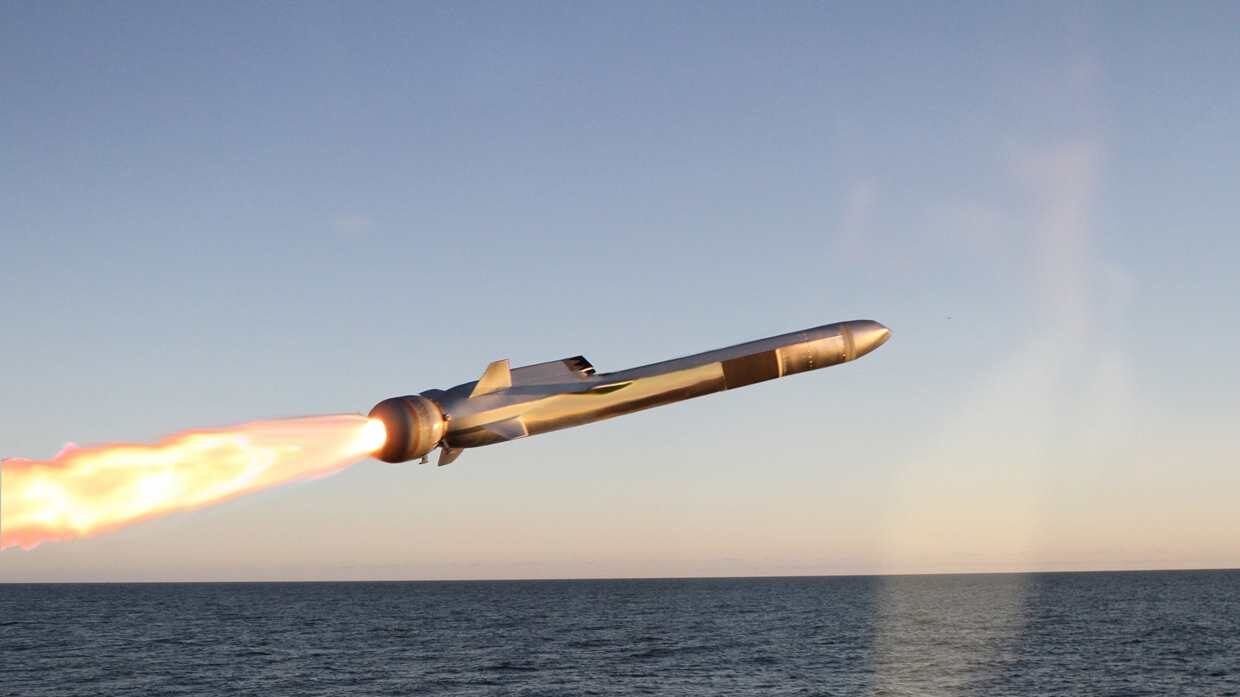
A significant anti-ship missile procurement for Malaysia's naval forces faces uncertainty, as Kuala Lumpur seeks urgent clarification from Norway. Reports indicate Oslo may be reversing its defense export approval for the Naval Strike Missiles (NSM), posing a considerable challenge to Malaysia's ongoing naval modernization efforts.

The United States Space Force has significantly increased the funding available for its Andromeda program, expanding the contract vehicle by several billions of dollars to bolster its next-generation space domain awareness capabilities. This substantial investment reflects a growing urgency to counter evolving threats in orbit and secure critical national assets against potential adversaries.