Military & Defense
454 articles · Coverage updated continuously

The United States Army is dramatically expanding its integration of drone warfare into ground combat tactics, with recent exercises in Lithuania showcasing advanced capabilities. Infantry units are actively refining their ability to both employ and counter unmanned aerial systems, transforming traditional battlefield strategies alongside international allies.

Senior US special operations commanders are voicing unified frustration over significant limitations in their ability to swiftly modify mission-critical military equipment. Industry proprietary agreements are frequently cited as a key impediment, hindering rapid technological adaptation, especially for evolving unmanned systems, and creating a potential operational gap against agile adversaries.

A recent major multinational military exercise saw allied forces successfully neutralize two maritime targets through a coordinated live-fire demonstration. This event, a highlight of the annual Balikatan drills, underscores a deepening strategic interoperability among key partners in the Indo-Pacific region.
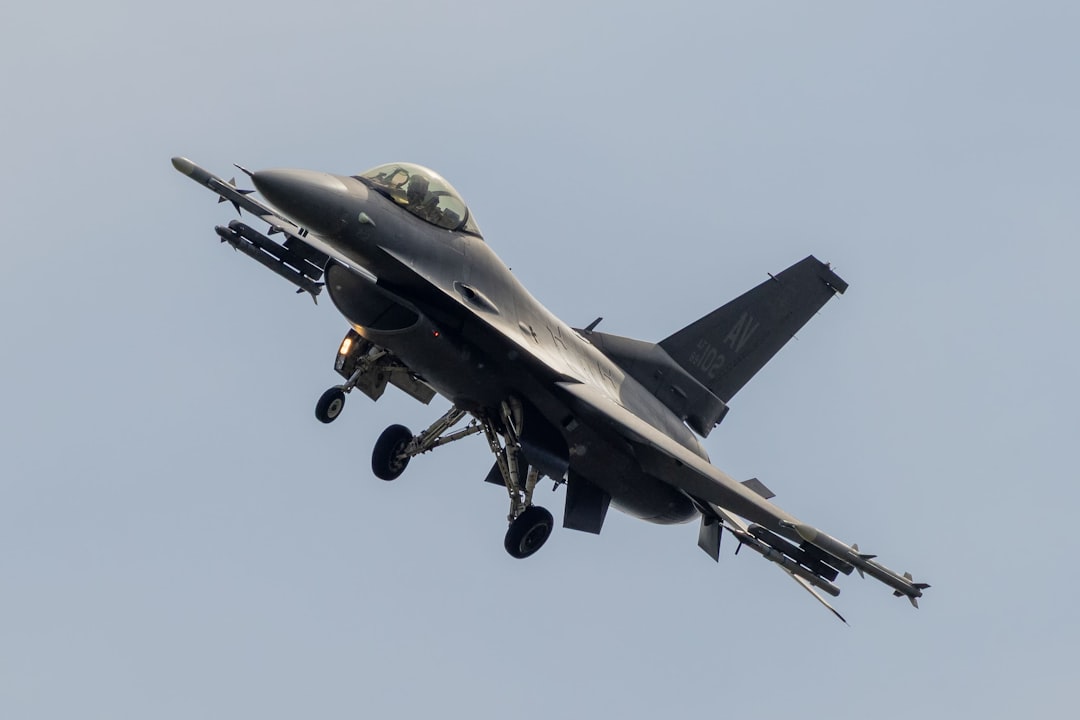
Japanese ground forces executed an unprecedented anti-ship missile live-fire exercise on Philippine territory, marking a significant escalation of military cooperation in the Indo-Pacific. This historic event, part of Exercise Balikatan 2026, signals a hardening stance among regional allies against increasing maritime challenges. It represents a critical new phase in bilateral defense alignments.
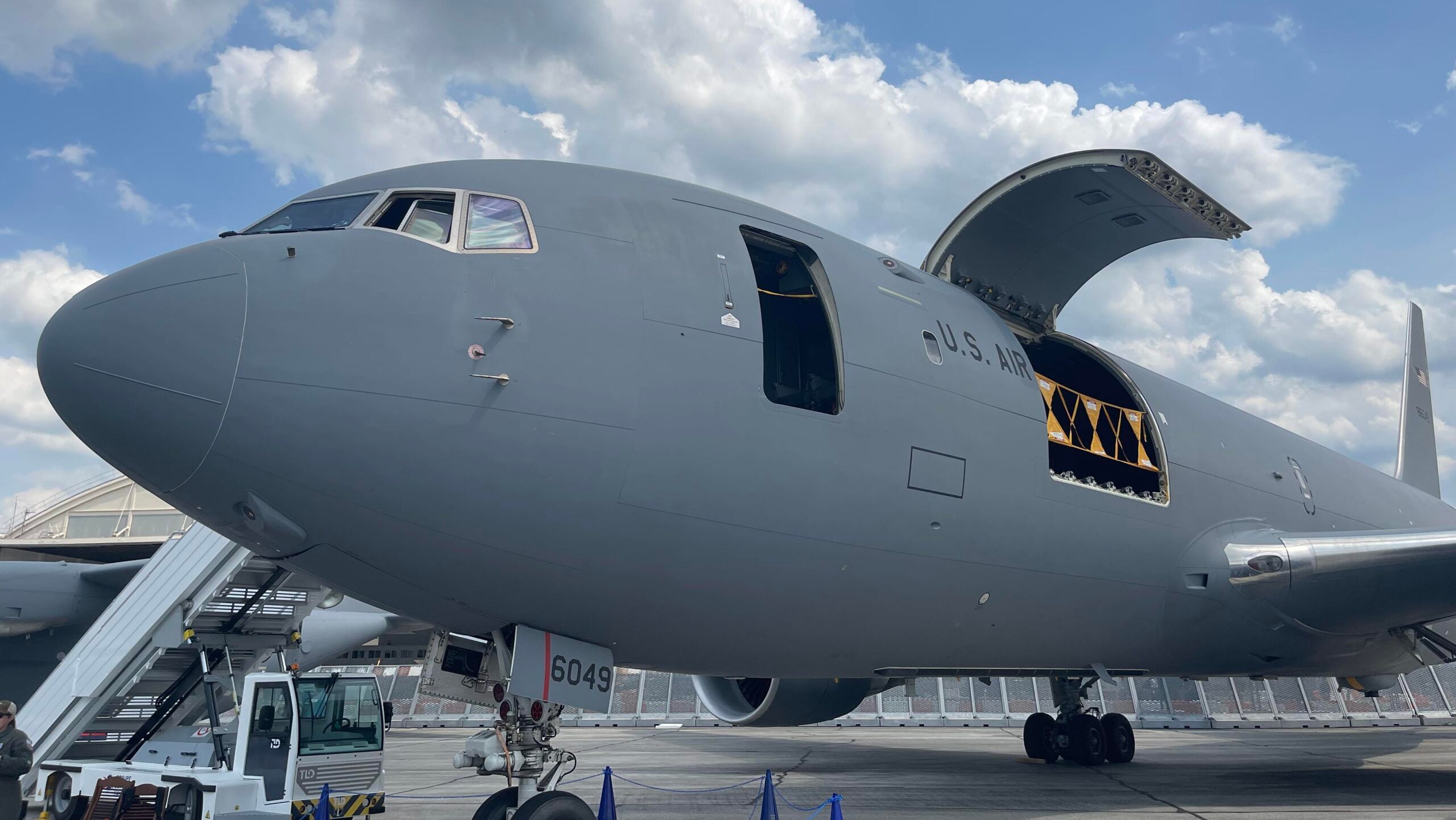
The United States Air Force is now forecasting that the much-anticipated upgraded vision system for its KC-46 Pegasus aerial refueler will not be operational until early 2028, marking another setback for the troubled platform. This updated timeline coincides with mounting congressional concerns over a significant price escalation for new tanker acquisitions, raising questions about the future cost-effectiveness of this crucial military asset.

Israeli forces are grappling with a rapidly escalating threat from first-person-view (FPV) drones, particularly those leveraging fiber-optic guidance that renders traditional electronic countermeasures ineffective. This critical challenge has spurred an urgent, high-level initiative within Israel's defense establishment to develop immediate and long-term solutions against these highly maneuverable and low-cost aerial threats.
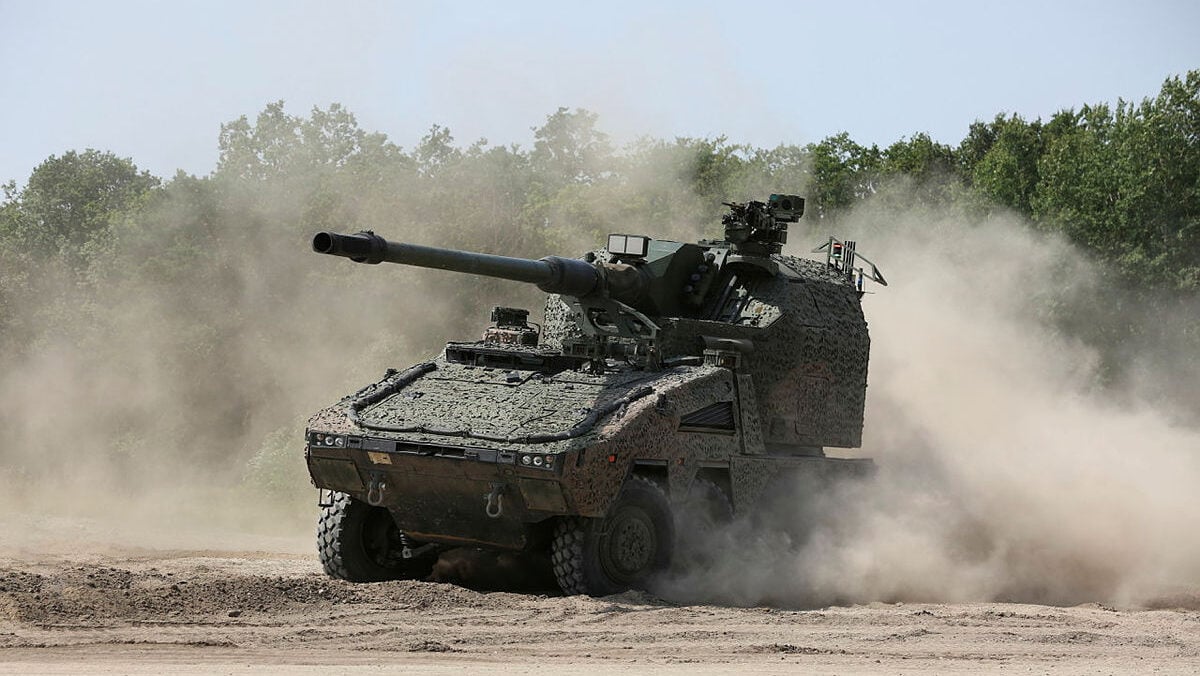
The United Kingdom has initiated a substantial procurement program for advanced artillery, committing significant funds to acquire the Remote Controlled Howitzer 155mm (RCH 155) system. This strategic investment aims to bolster the British Army's long-range fire support capabilities, addressing a critical need following recent transfers of existing equipment and advancing land force modernization efforts.

The US Navy is aggressively exploring the integration of unmanned surface vessels (USVs) as a strategic imperative to alleviate operational strain on its current manned fleet. Facing an increasingly complex global maritime environment and persistent demands on its aging ships, the service views autonomous platforms as a critical component in enhancing mission flexibility and reducing the resource burden.

The U.S. Army has successfully concluded its extensive search and recovery efforts in Southern Morocco, locating the remains of the second service member reported missing during a recent multinational exercise. This development brings closure to an incident that began early this month, occurring amidst a major annual joint training operation.

US Space Command, alongside its six closest international partners, is set to complete a collective strategy for orbital warfare by the end of the year. This marks a critical step towards integrating allied capabilities for the defense of vital space assets and deterring aggression in the orbital domain.
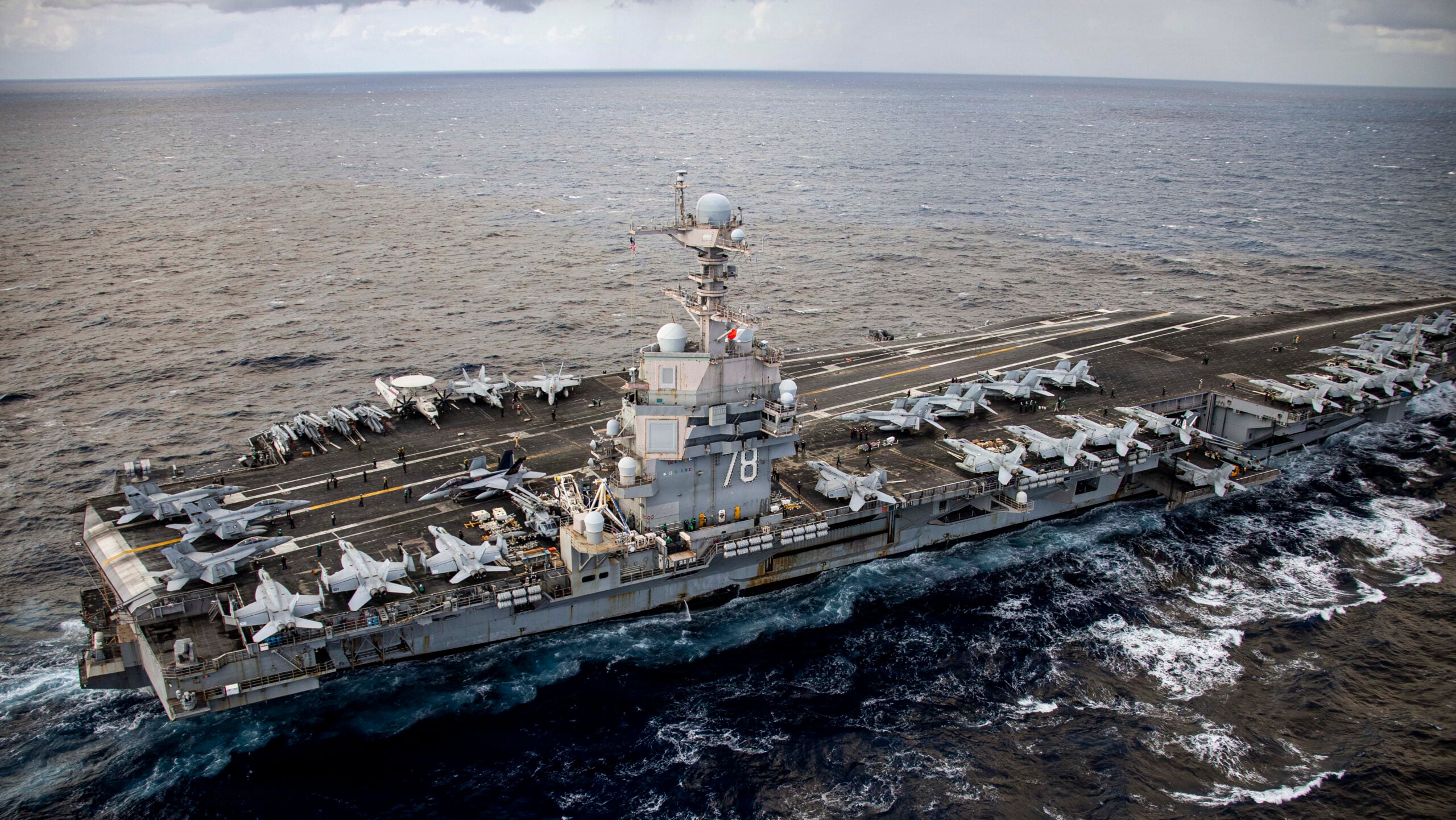
The U.S. Navy's forthcoming Trump-class battleship program will integrate the advanced nuclear propulsion system currently employed by the Gerald R. Ford-class aircraft carriers. This strategic choice aims to standardize critical components and enhance operational endurance for a new generation of capital ships.
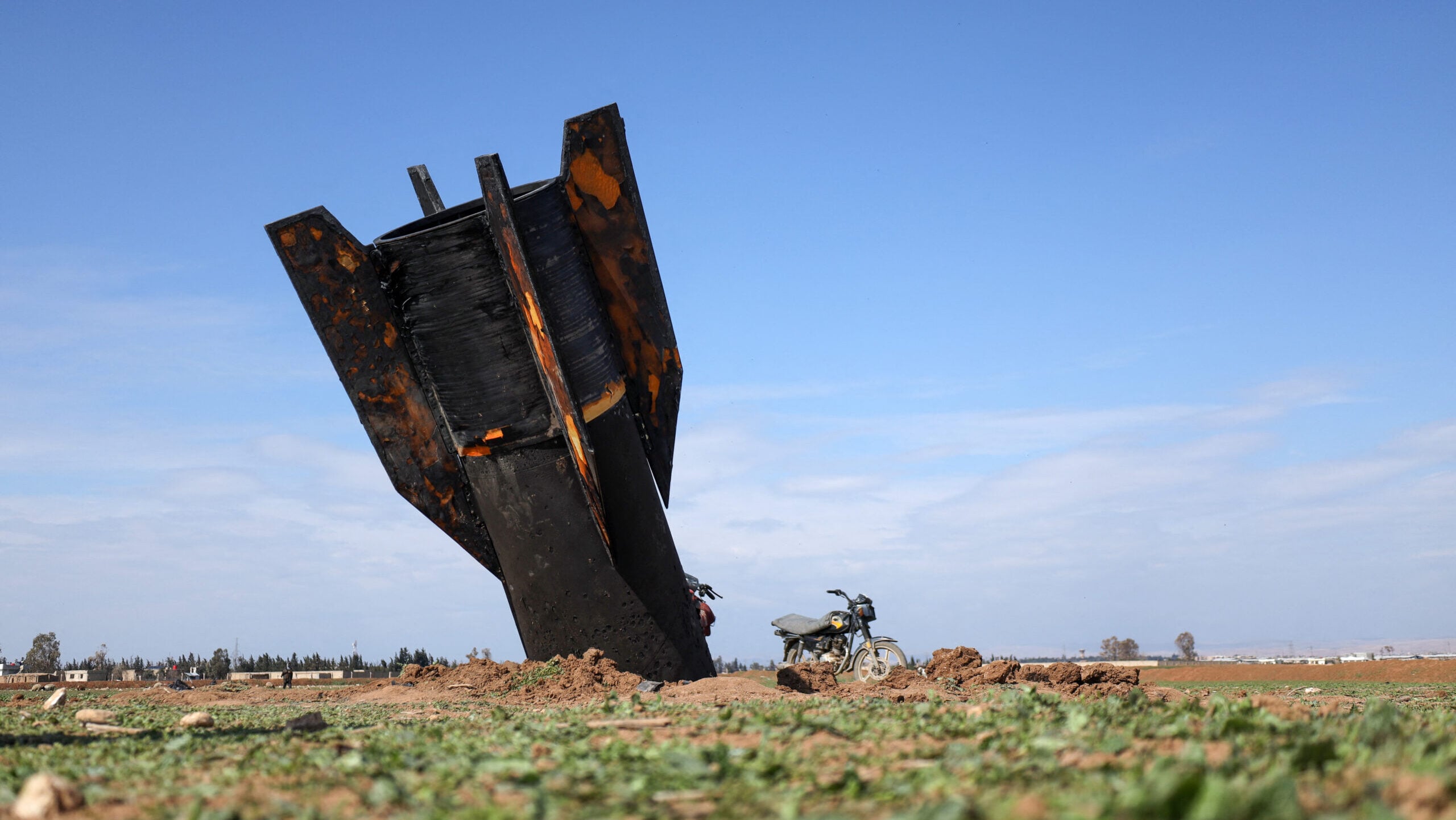
The recent protracted conflict in the Middle East offered unprecedented insights into Iran's missile and drone capabilities, providing a rare live-fire data set for defense analysts. While advanced missile defense systems largely mitigated casualties, the sustained exchanges highlighted evolving threats and potential vulnerabilities in regional security architectures.