Electronic Warfare
10 articles · Coverage updated continuously

Russia is intentionally manipulating Ukrainian drone navigation, redirecting them into NATO member states, leading to security alerts and property damage on allied soil. This aggressive electronic warfare tactic exploits vulnerabilities in GPS-reliant unmanned aerial systems, creating significant risks for civilian areas and military response protocols. These incidents include both redirected Ukrainian assets and, notably, a recent Russian drone strike on Romanian civilian infrastructure that caused injuries. This emerging operational reality in the Baltic region highlights Russia's escalating use of advanced electronic warfare capabilities as a hybrid warfare tool. It forces a critical re-evaluation of airspace security and NATO's response doctrines in an era of pervasive drone warfare.
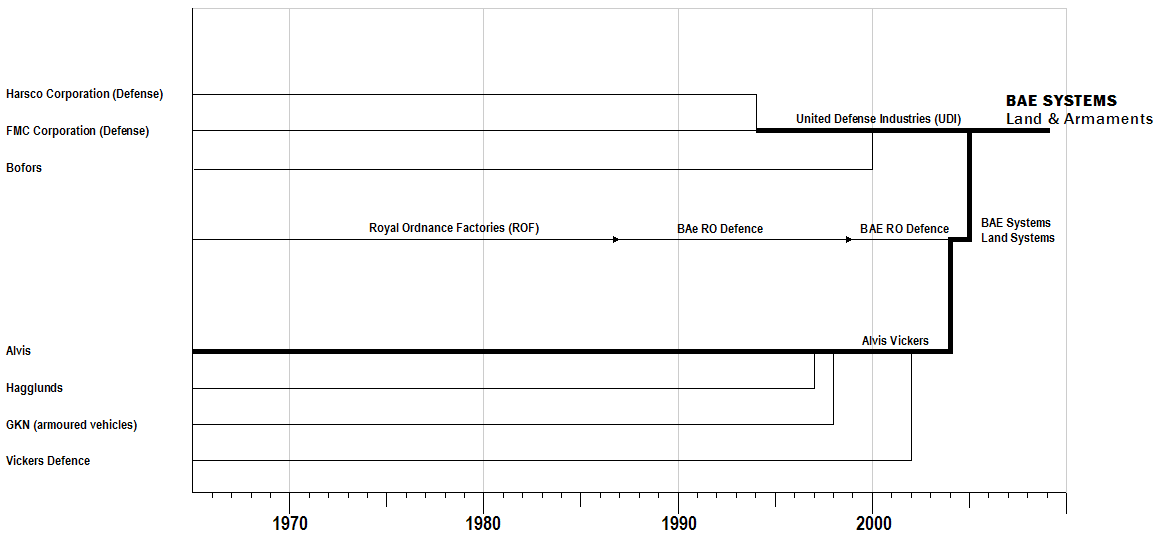
BAE Systems has been awarded a significant contract to advance the U.S. Army's soft-kill active protection capabilities. This initiative aims to integrate sophisticated electronic warfare systems onto ground vehicles, providing a non-kinetic defense against the evolving threats posed by missiles and uncrewed aerial systems. Such technologies are becoming increasingly vital in contemporary conflict zones.
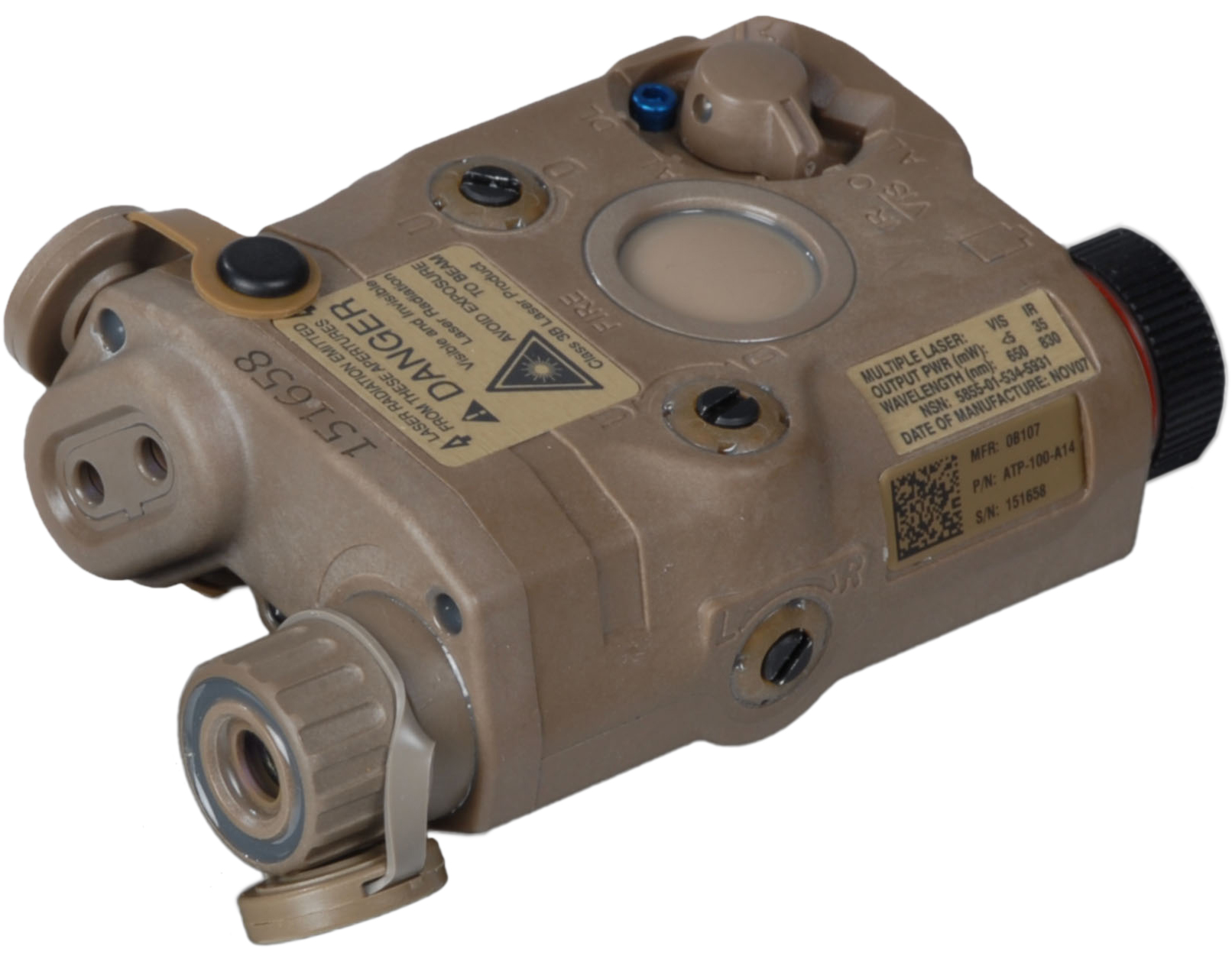
A significant advancement in battlefield defense is emerging as L3Harris leverages existing handheld communication devices to create personal counter-drone capabilities. This strategic software enhancement transforms widely deployed radios into versatile electronic warfare tools, directly addressing the pervasive threat of small unmanned aerial systems in contemporary conflict.
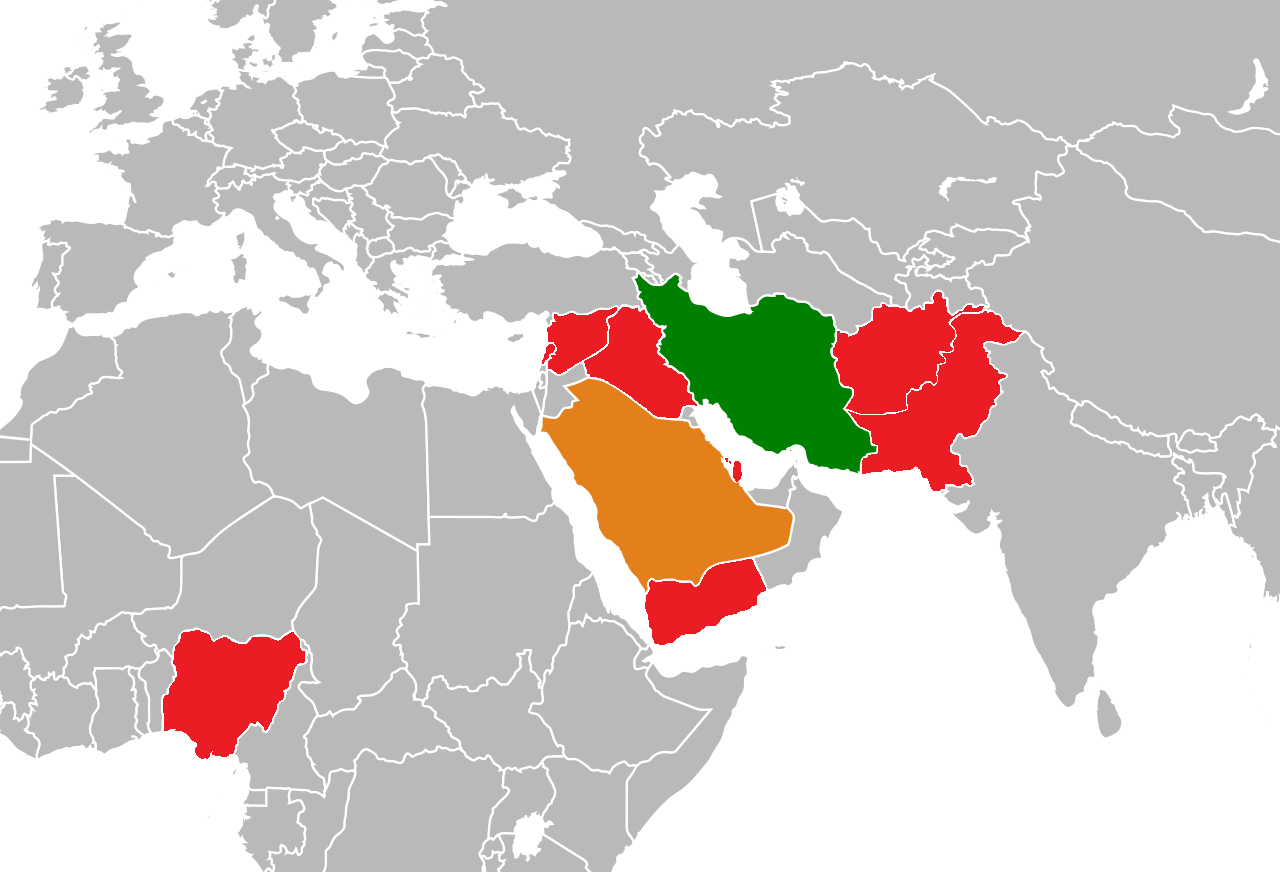
The United Arab Emirates recently deployed domestically developed soft-kill systems from EDGE Group to effectively counter Iranian unmanned aerial vehicles during regional tensions. This swift action demonstrated the nation's readiness and strategic emphasis on indigenous defense capabilities, particularly in electronic warfare against sophisticated airborne threats.
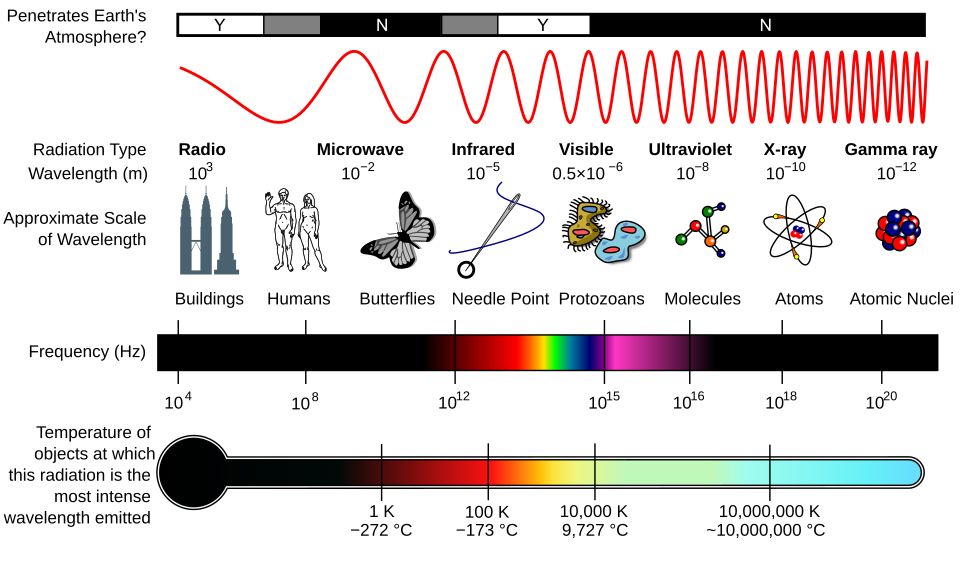
The Joint Electromagnetic Spectrum Operations Center recently conducted a groundbreaking tabletop exercise, gathering senior defense leaders to navigate the complexities of operating in a highly contested electromagnetic environment. This unprecedented event, dubbed Aurora Pulse, strategically focused on the challenging conditions of the Arctic, underscoring a critical shift in military planning toward an era where guaranteed spectrum access can no longer be assumed.

The U.S. Army is significantly ramping up its electromagnetic warfare (EW) and signals intelligence (SIGINT) capabilities, driven by an ambitious mandate from the Secretary of Defense to achieve spectrum dominance by 2027. Its fiscal 2027 budget request includes increased funding to accelerate development and production, aiming to field relevant capabilities faster to frontline formations. This push marks a pivot towards more rapid adoption of commercially available technology and refined operational learning.

The U.S. Army has launched a new initiative, the Rapid Electromagnetic Warfare & Signals Intelligence (REWSI) Commercial Solutions Offering, to aggressively source and integrate commercial EW and SIGINT technologies. This strategic shift aims to create a dynamic 'library' of rigorously vetted solutions, enabling commanders to rapidly deploy advanced capabilities directly from the market. The move underscores the Army's commitment to bypassing traditional lengthy development cycles in favor of swift, commercially-driven modernization to counter evolving threats.

Canadian authorities have achieved a significant breakthrough, arresting three individuals operating an "SMS blaster" device that mimicked legitimate cellular towers to deploy sophisticated phishing attacks, exposing an estimated 13 million mobile users. This marks the first documented instance of such rogue cellular base station technology being used by criminals in Canada, deceiving nearby phones into connecting to the fake towers to deliver fraudulent texts from seemingly trusted entities. The operation not only aimed to harvest sensitive personal information but also reportedly disconnected affected devices from crucial emergency services.

Northrop Grumman is slated to begin delivering its Surface Electronic Warfare Improvement Program (SEWIP) to U.S. aircraft carriers in 2028, marking a significant upgrade to the AN/SLQ-32 system. This carrier-specific configuration, part of a recent contract modification for nine additional ship sets, will equip the fleet with enhanced electronic attack and self-protection capabilities. The move comes as the U.S. Navy seeks to bolster its defenses against sophisticated anti-ship missile threats, particularly for its most critical assets.

The U.S. Air Force is urgently seeking to upgrade its HH-60W Jolly Green II combat search-and-rescue helicopters with advanced infrared countermeasures (AIRCM) following recent combat incidents, including a high-profile rescue mission over Iran where one helicopter sustained small-arms fire. This immediate push highlights a critical survivability gap, as the HH-60W currently lacks capable defenses against infrared-guided missiles. The Air Force Material Command has issued a Sources Sought notice to integrate either CIRCM or DAIRCM systems, emphasizing the dire need to protect crews and ensure mission success in contested environments.