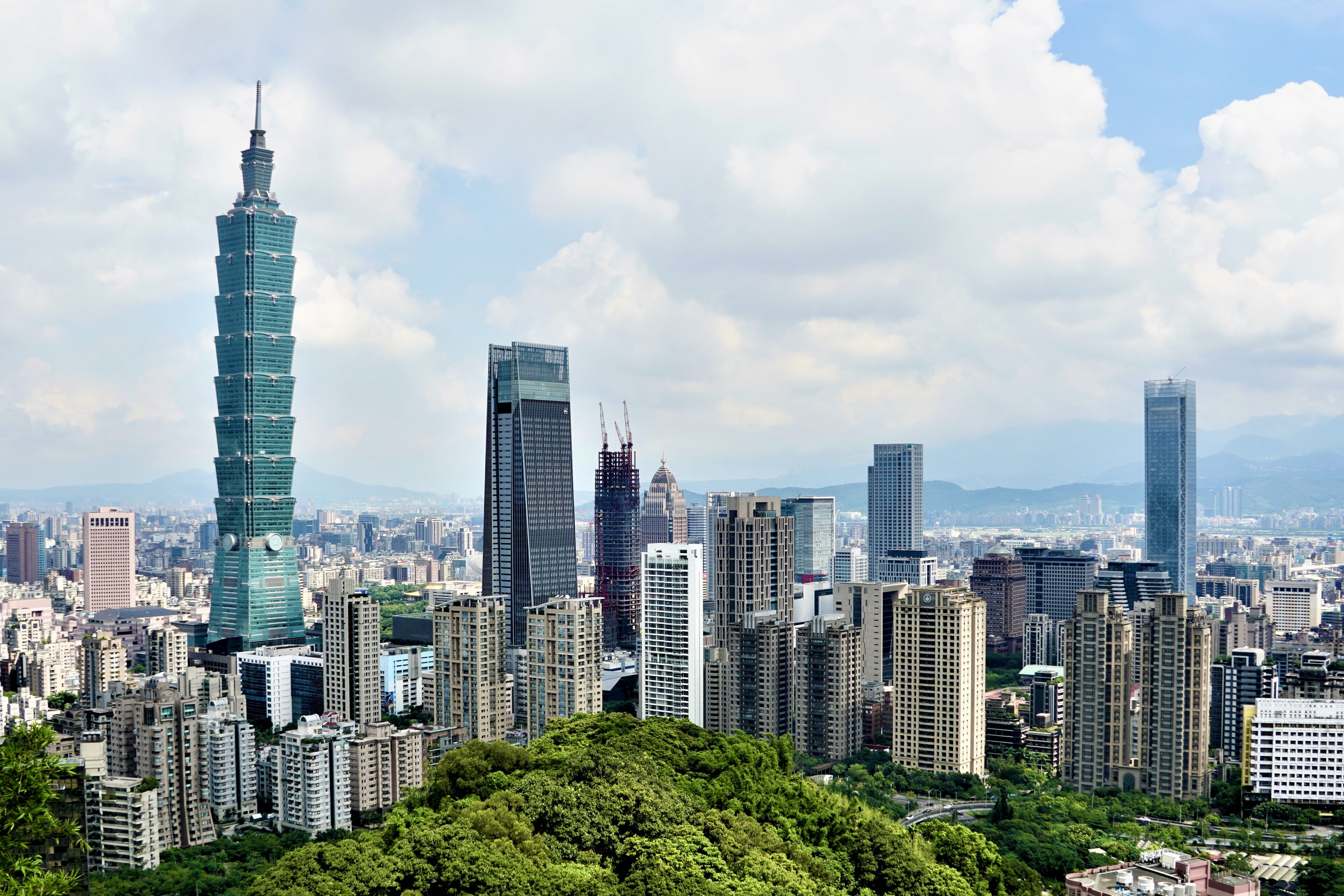
Taiwan's biggest appeal is the lack of China in the manufacturing supply chain, one analyst said.
Military & Defense
Original Briefing
US to Source Drones from Taiwan, Reversing Arms Flow
A significant shift is underway in the traditional US-Taiwan defense relationship, with expectations that the United States will begin acquiring drones directly from Taiwan. This marks a departure from the long-standing paradigm where the US primarily acts as a weapons supplier, signaling Taiwan's growing role in critical defense technology manufacturing. The move underscores an urgent need for diversified, resilient supply chains, especially for unmanned aerial systems (UAS).
This evolving dynamic is set against a backdrop of increasing geopolitical tensions in the Indo-Pacific and a global push for agile, cost-effective defense capabilities. It highlights a strategic pivot towards leveraging allied industrial bases to enhance security while mitigating dependencies on adversarial supply chains, particularly those linked to the People's Republic of China.
Key Intelligence Points
- The established model of US arms sales to Taiwan is undergoing a notable transformation with new procurement strategies.
- Uncrewed aerial systems (UAS) are at the forefront of this reorientation, driving a novel acquisition approach.
- Taiwan's industrial appeal is significantly boosted by its demonstrated ability to manufacture without Chinese supply chain involvement.
- This independence offers a crucial strategic advantage for developing and securing sensitive defense technologies.
- The US is now positioned to potentially acquire drones directly from Taiwan, flipping the conventional supplier-recipient dynamic.
Advertisement
Intelligence Briefing
This reversal in defense procurement profoundly impacts strategic supply chain resilience for critical technologies. For defenders and policymakers, it offers a tangible pathway to diversify sourcing for UAS, reducing reliance on potentially compromised or vulnerable components. Operationally, it could accelerate the fielding of advanced drone capabilities, bolstering deterrence in the Indo-Pacific by fostering more distributed and robust defense industrial capacities among allies.
Editorial Analysis
The strategic significance of Taiwan becoming a drone supplier to the US cannot be overstated. This development bolsters Taiwan's defense industrial base and positions it as a vital node in a broader, trusted defense technology ecosystem. For the US, it mitigates risks associated with over-reliance on a limited number of suppliers and offers an alternative for high-volume, rapidly evolving capabilities like drones, particularly attractive for their relative affordability and expendability. This shift enhances the US ability to access innovative solutions while simultaneously strengthening the security architecture of a key partner.
This trend fits into a larger strategy of "friend-shoring" and diversifying critical defense supply chains away from geopolitical adversaries. Historically, nations have sought to build self-sufficiency or rely on trusted partners for military hardware. The current environment, marked by globalized production and sophisticated espionage, elevates the value of genuinely secure manufacturing lines. This partnership with Taiwan leverages its advanced manufacturing prowess and democratic alignment, establishing a significant precedent for how allied nations can collectively address complex security challenges and maintain technological superiority.
📰