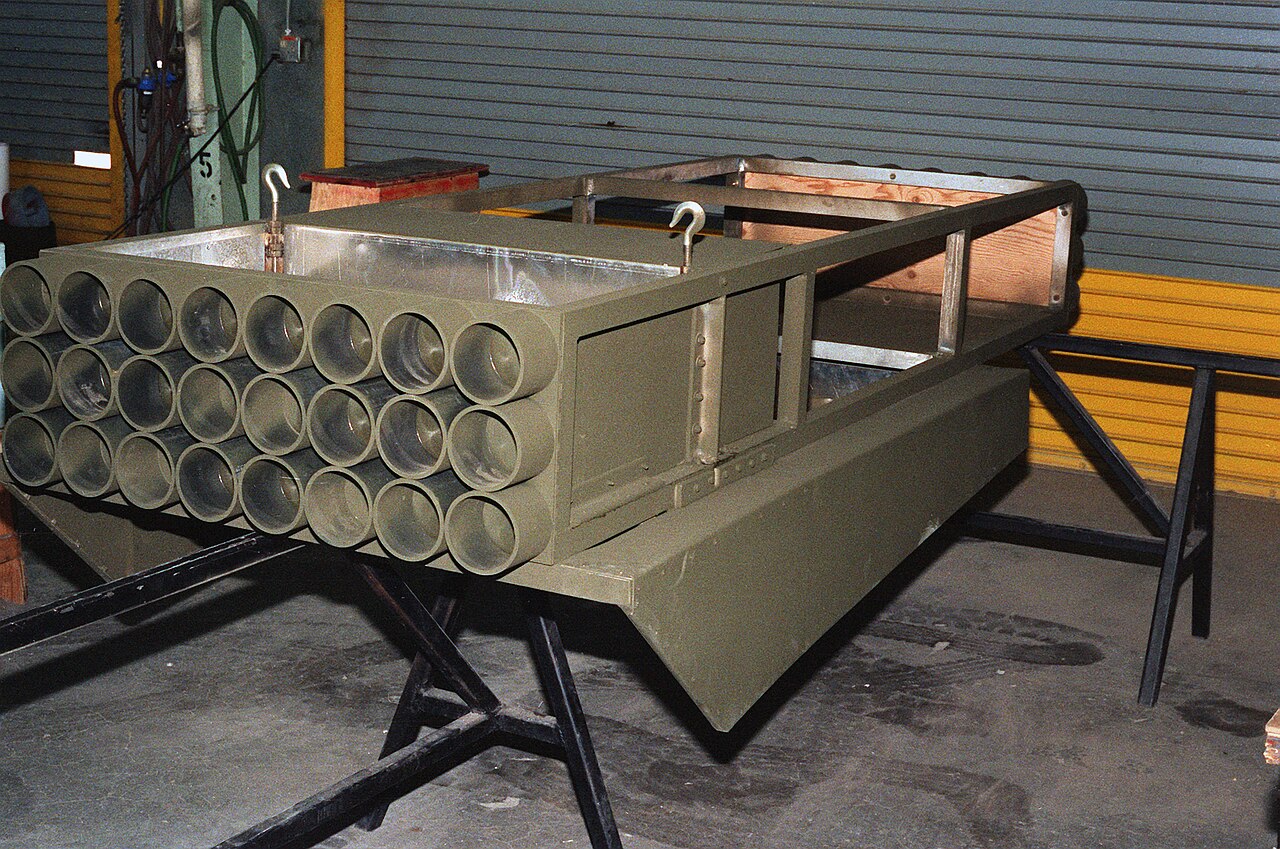
It’s not too late – if Washington is intent on reducing troop levels in Europe, it can still wield this bargaining chip with Russia.

Military & Defense
Original Briefing
US Europe Troop Cuts: Losing Strategic Leverage
The prospect of Washington unilaterally reducing its military presence in Europe presents a critical strategic dilemma, potentially surrendering a vital diplomatic bargaining chip with Moscow. Such a move risks ceding significant geopolitical leverage to Russia, impacting stability across the continent and fundamentally altering the calculus of deterrence. This strategic consideration involves profound implications for the security architecture of the Euro-Atlantic region, demanding careful evaluation by policymakers.
This potential reorientation emerges within a volatile geopolitical landscape marked by persistent Russian assertiveness and a renewed focus on great power competition. The enduring presence of U.S. forces has long underscored NATO's collective defense capabilities and served as a tangible commitment to allies, shaping the broader strategic environment.
Key Intelligence Points
- US leadership is contemplating significant reductions in its military footprint across the European theater.
- Such potential reductions inherently diminish a critical point of leverage in future diplomatic engagements with Russia.
- This strategic decision risks undermining Washington's negotiation posture concerning European security issues.
- Retaining existing troop levels offers a valuable instrument for securing reciprocal concessions from adversaries.
- Unilateral withdrawals could be perceived as a strategic concession, eroding influence without tangible benefits.
Advertisement
Intelligence Briefing
Why this matters: Policymakers must critically weigh immediate resource reallocations against the long-term erosion of strategic influence and deterrence credibility. For defense planners, reduced forward presence necessitates recalibrating response times and reinforces reliance on more distant, less agile expeditionary forces, potentially increasing operational risk. This shift could signal a diminished commitment to collective security, potentially emboldening revisionist powers and straining alliance cohesion at a critical juncture.
Editorial Analysis
The strategic significance of U.S. forward-deployed forces in Europe extends beyond pure combat capability; it represents a tangible commitment to collective defense and a robust deterrent against Russian aggression. Their presence ensures rapid response, facilitates interoperability with allies, and acts as a political tripwire, shaping Moscow's risk assessment. A substantial withdrawal without reciprocal concessions fundamentally alters this dynamic, potentially creating a security vacuum or signaling a diminished U.S. resolve, which could be exploited by opportunistic adversaries. This shift could compel European allies to shoulder a greater defense burden more abruptly, or conversely, could be interpreted as an invitation for Moscow to increase its sphere of influence, directly impacting the security of NATO’s eastern flank.
Historically, periods of perceived U.S. disengagement from Europe have often coincided with increased regional instability, demonstrating the enduring importance of a visible and committed presence. In the current strategic environment, characterized by persistent cyber warfare, disinformation campaigns, and conventional threats emanating from Russia, maintaining strategic leverage is paramount for managing escalation and preserving peace. Expert analysis consistently emphasizes that unilateral concessions, particularly in the realm of tangible military assets, are rarely matched by genuine de-escalation from competitors, often resulting in a net loss of influence and increased future security challenges.
📰