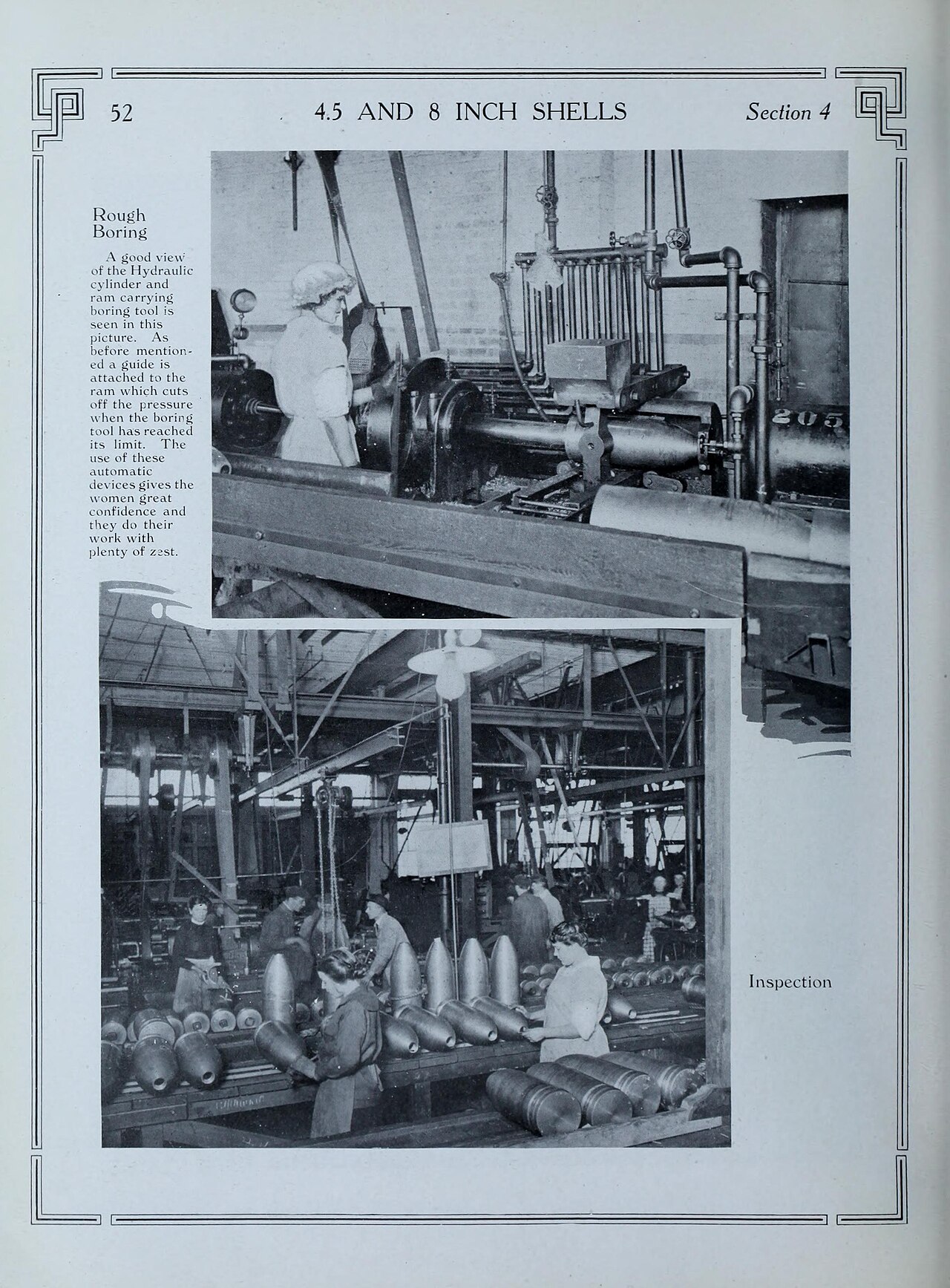
Pentagon negotiators are pressing contractors to move much faster to boost output.
Military & Defense
Original Briefing
Trump Urges Munitions Ramp-Up Amid Stockpile Concerns
Former President Trump recently engaged directly with leading defense industrial figures, highlighting a critical national security imperative: the urgent need to replenish depleted military weapons inventories. This high-level discussion underscores a significant push to accelerate the production of essential munitions for global strategic readiness. The attention signals growing concern over the United States' capacity to maintain adequate supplies for both domestic defense and international commitments.
These discussions unfold against a complex geopolitical backdrop of heightened international security challenges, where sustained military aid and robust domestic defense posture demand a resilient industrial base. This scenario exposes underlying vulnerabilities in the defense industrial sector's ability to meet prolonged, high-intensity demand.
Key Intelligence Points
- Former President Trump convened with prominent defense industry executives to discuss production challenges.
- Discussions centered on expediting manufacturing processes for critical military munitions.
- The primary objective is to rapidly rebuild and reinforce national weapons stockpiles.
- Pentagon officials are independently pressing contractors to significantly enhance production speed.
- The current global security environment underscores urgent demand for a more resilient defense industrial base.
Advertisement
Intelligence Briefing
This direct engagement underscores a critical national recognition of defense industrial base fragility. For policymakers, it highlights the urgent need to prioritize long-term, sustained investment in production capacity over solely short-term procurement cycles. Operationally, it suggests a potential future where supply chain resilience becomes as crucial as technological superiority, directly influencing readiness and strategic deterrence capabilities globally. This shift impacts strategic planning and resource allocation significantly across the defense community.
Editorial Analysis
The convergence of high-level political attention and direct industrial pressure reveals a fundamental re-evaluation of defense readiness paradigms. This situation primarily affects military planners, allied nations relying on U.S. support, and the domestic defense contracting sector. The underlying "threat" isn't a direct adversary, but rather the inability to sustain prolonged conflict or support allies effectively due to production bottlenecks. This scenario forces a critical reconsideration of just-in-time logistics versus strategic stockpiling, pushing towards significant investment in surge capacity and potentially new manufacturing methodologies. It fundamentally shifts the focus from purely technological acquisition to industrial sustainment as a strategic priority.
This current emphasis mirrors historical challenges encountered during extended conflicts, where initial production shortfalls were eventually overcome but often at significant cost in time and resources. The prevailing trend reflects a global shift where great power competition increasingly demands a rapid and scalable defense industrial response, moving beyond conventional peacetime production models. Experts suggest this signifies a structural realignment in national security planning, where industrial policy becomes intrinsically linked with geopolitical strategy, demanding sustained attention to supply chain security and skilled labor development within the defense sector.
📰