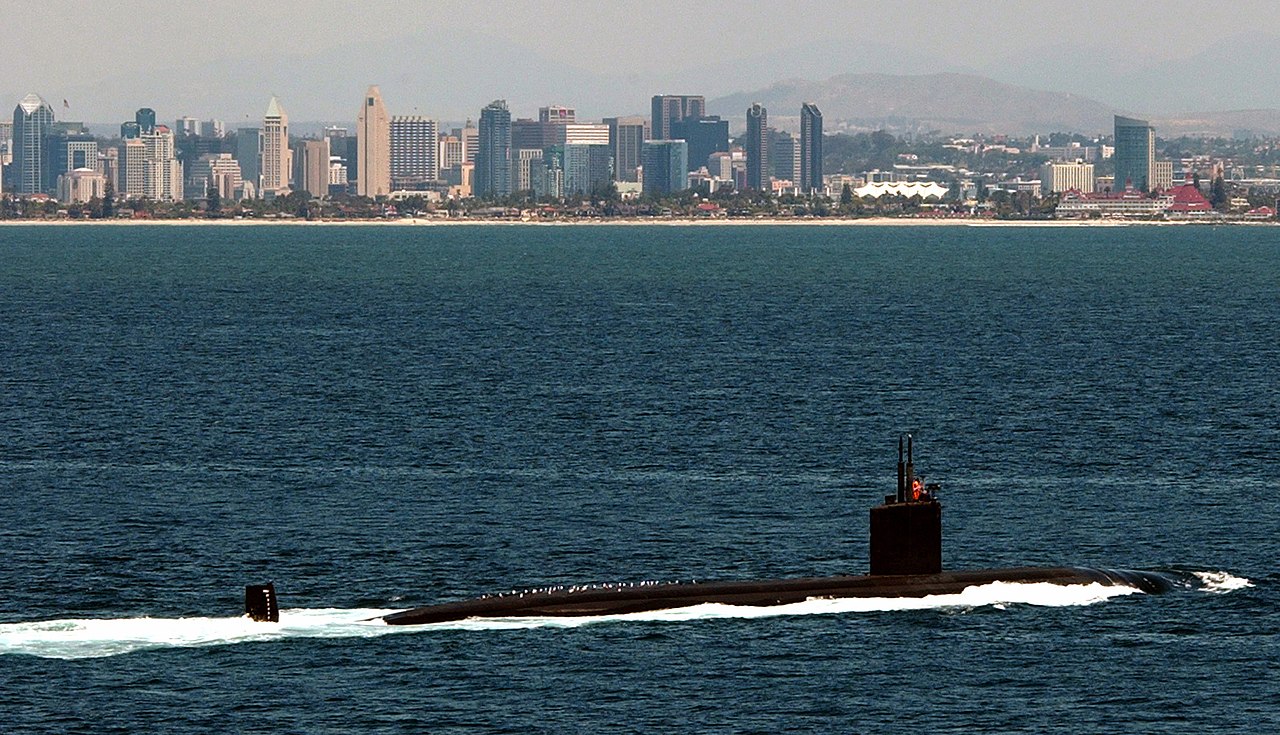
Under a separate deal, Warsaw aims to urgently acquire a “gap filler” boat for its Baltic Sea operations that will be used to train its sailors.
Military & Defense
Original Briefing
Poland's Submarine Revamp: Saab's A26 Secures Baltic Future
Poland has made a decisive move to bolster its maritime defense capabilities, committing to a substantial multi-billion dollar procurement of advanced submarines from Sweden's Saab. This significant acquisition underscores Warsaw's urgent drive to modernize its naval forces, particularly in the strategic Baltic Sea, signaling a new chapter for regional security dynamics. The deal involves the integration of sophisticated A26 class vessels into the Polish fleet, a crucial upgrade after years of reliance on aging platforms.
This strategic investment unfolds against a backdrop of escalating geopolitical tensions in Eastern Europe, where maritime control and undersea domain awareness are increasingly vital. Such a high-profile defense expenditure not only reinforces NATO’s eastern flank but also reflects a broader technological imperative to maintain deterrence and operational superiority against evolving conventional and hybrid threats in contested waters.
Key Intelligence Points
- Poland committed a substantial multi-billion dollar investment to Saab for an advanced new submarine fleet.
- The procurement specifically designates Saab's state-of-the-art A26 class submarines for the Polish Navy.
- This initiative aims to significantly enhance Poland's undersea warfare and maritime reconnaissance capabilities in the Baltic region.
- An interim submarine will be acquired separately to immediately address crew training and operational readiness requirements.
- The agreement marks a critical modernization effort to replace Poland's aging naval assets with cutting-edge technology.
Advertisement
Intelligence Briefing
Why this matters: This strategic procurement transcends a mere fleet upgrade, fundamentally enhancing NATO's persistent undersea presence and anti-access/area denial capabilities within the critical Baltic theater. It signals a proactive commitment to sophisticated maritime defense, compelling potential adversaries to re-evaluate their naval strategies and operational envelopes in an increasingly contested domain. The introduction of advanced submarines significantly elevates regional deterrence.
Editorial Analysis
Poland’s decision to acquire Saab's A26 submarines represents a pivotal transformation of its naval posture, moving from a legacy fleet to a modern, capable undersea force. These advanced stealth vessels, likely featuring air-independent propulsion and sophisticated sensor arrays, will grant the Polish Navy unparalleled intelligence, surveillance, and reconnaissance (ISR) capabilities, alongside potent anti-submarine and anti-surface warfare capacities. This profoundly impacts the operational calculus in the Baltic Sea, enhancing NATO's collective situational awareness and denial capabilities against potential aggressors, particularly in chokepoints and contested coastal zones.
This substantial investment in undersea capabilities aligns with a discernible trend among frontline NATO states to bolster high-end defense assets following recent geopolitical shifts. Experts view such procurements not merely as hardware acquisitions but as foundational steps towards developing integrated operational doctrines and fostering deeper interoperability within alliance structures. This commitment to maritime domain superiority underscores a long-term strategic vision for deterrence and defense, acknowledging the indispensable role of naval power in securing national and collective security interests.
📰