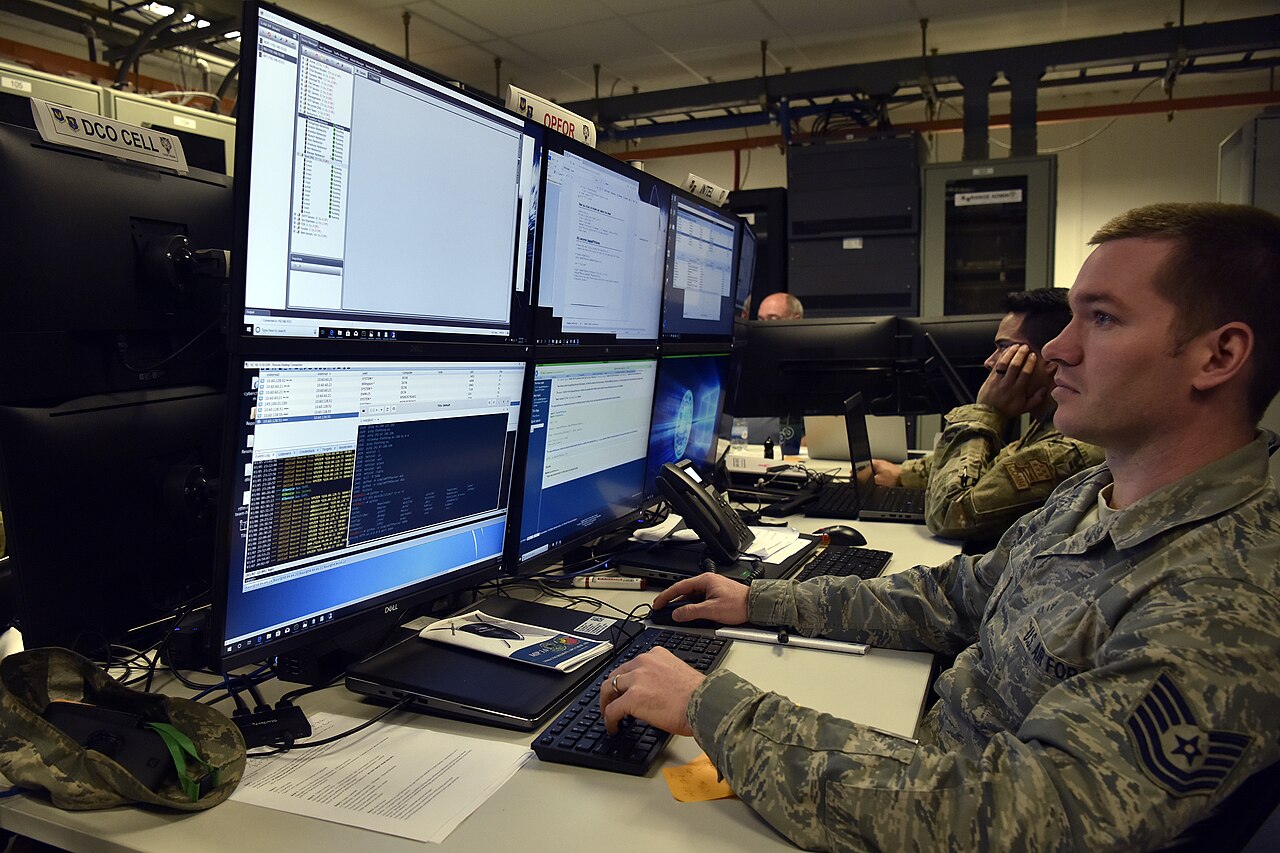
The Department of Defense is rapidly evolving its cyber approach, with a significant modernization effort centrally integrating artificial intelligence into its strategic framework. This transformation views AI as both a critical operational advantage for future military endeavors and a significant emerging security vulnerability across defense networks and critical systems. The immediate significance lies in the impending shift towards a more automated and intelligent cyber battlespace.
This strategic imperative reflects a global trend where nations increasingly leverage advanced technologies to gain a decisive edge in digital warfare. It highlights the intensifying competition in the cyber domain, compelling major powers to proactively adapt their defense postures against sophisticated, AI-enhanced threats.
As the Pentagon accelerates efforts to modernize its cyber enterprise, artificial intelligence is emerging as both a powerful advantage and a growing security challenge. Drawing on reporting from AFCEA TechNet Cyber 2026, this eBook explores how Defense Department leaders are approaching AI-enabled cyber operations, strengthening foundational cybersecurity, defending critical infrastructure, and advancing the CYBERCOM 2.0 initiative.
Featuring reporting from Breaking Defense’s Mark Pomerleau this compilation of stories provides key insights into the policies, technologies, and operational priorities shaping the future of military cyber defense.
Editorial Analysis
The Department of Defense's aggressive integration of AI into its cyber strategy reflects a profound understanding of its dual nature as both a force multiplier and an escalating threat vector. From a technical standpoint, AI-enabled capabilities can dramatically automate sophisticated attack methodologies, accelerate reconnaissance, and dynamically adapt exploitation techniques, posing unprecedented challenges to conventional defenses. Conversely, AI empowers defenders with enhanced anomaly detection, predictive threat intelligence, and automated response mechanisms, creating an emergent "AI vs. AI" operational battlespace. This paradigm shift fundamentally redefines the speed and complexity of cyber warfare, impacting all levels of national security infrastructure and operations, from unit-level networks to strategic national systems.
This strategic pivot extends beyond mere technological modernization; it signifies a fundamental re-evaluation of national security in the digital age, echoing past transformative military advancements like the advent of precision weaponry. It reinforces the broader trend of hyper-automation and cognitive warfare, where algorithms increasingly shape strategic outcomes. Expert analysis consistently highlights that early mastery and responsible deployment of AI in the cyber domain will be critical in establishing and maintaining a decisive deterrent edge against increasingly sophisticated state-sponsored and non-state actors.