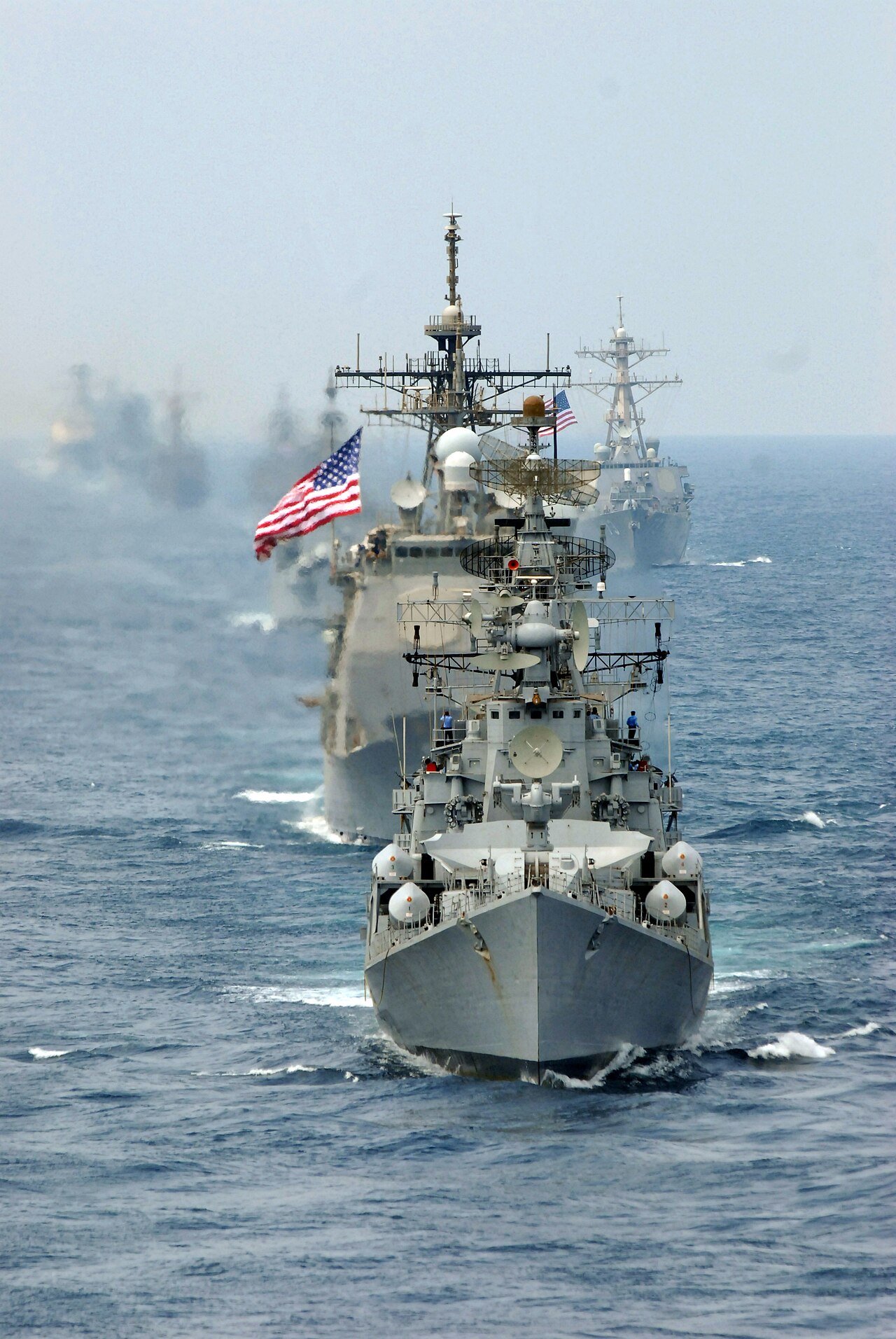
U.S. Pacific Command was the formation's official name until 2018, when it was changed to U.S. Indo-Pacific Command.

Military & Defense
Original Briefing
Pentagon Reinstates US Pacific Command Name
The U.S. Department of Defense is officially reverting the name of its premier Asia-Pacific combatant command back to U.S. Pacific Command, reversing a change made in 2018. This nomenclature adjustment holds immediate symbolic and operational significance, prompting a re-examination of geographic focus and strategic priorities across the vast theater. It signals a potential recalibration of how military and intelligence efforts are articulated and executed.
This shift in naming convention occurs amidst persistent geopolitical competition, where even semantic changes can convey profound strategic messages to allies and adversaries. Such decisions are often scrutinized for deeper policy intentions or shifts in perceived threat landscapes within critical security domains.
Key Intelligence Points
- The Department of Defense has officially restored the U.S. Pacific Command designation, overturning the 2018 change to Indo-Pacific Command.
- This reversion reinstates the original naming convention for the command, emphasizing historical continuity and regional identity.
- The decision suggests a potential refinement in the perceived geographical scope and primary operational focus for the command’s mission.
- It implies a deliberate recalibration of strategic communication concerning the command’s area of responsibility and partnerships.
- The renaming is likely to be closely analyzed by international partners and strategic competitors for subtle policy adjustments.
Advertisement
Intelligence Briefing
Why this matters: This symbolic reversion could indicate a sharpened strategic focus on the traditional Western Pacific and East Asian maritime domains, potentially signaling a nuanced de-emphasis of the broader Indian Ocean region. For cybersecurity professionals and military planners, this necessitates reviewing how defense strategies and intelligence collection efforts align with evolving command directives and refined geographic priorities, potentially impacting resource allocation and threat modeling.
Editorial Analysis
The decision, while appearing to be a mere name change, carries significant strategic weight in how the United States communicates its regional defense posture to both allies and adversaries. It could subtly influence perceptions of U.S. commitment and engagement across the expansive Indo-Pacific theater, potentially altering diplomatic and military calculus. For IT security professionals supporting these operations, a refined geographic emphasis could subtly impact intelligence priorities, data residency requirements, and the targeting of cybersecurity defenses within the command's operational network architecture.
Historically, the naming of military commands reflects prevailing strategic doctrines and geopolitical imperatives. The 2018 adoption of "Indo-Pacific" was a clear signal of an expanded strategic calculus, integrating both the Indian and Pacific Oceans. Reverting to "Pacific Command" now may indicate a desire to streamline messaging, adapt to specific regional dynamics, or refine the primary area of strategic emphasis, requiring careful analysis by national security researchers for deeper policy implications.
📰