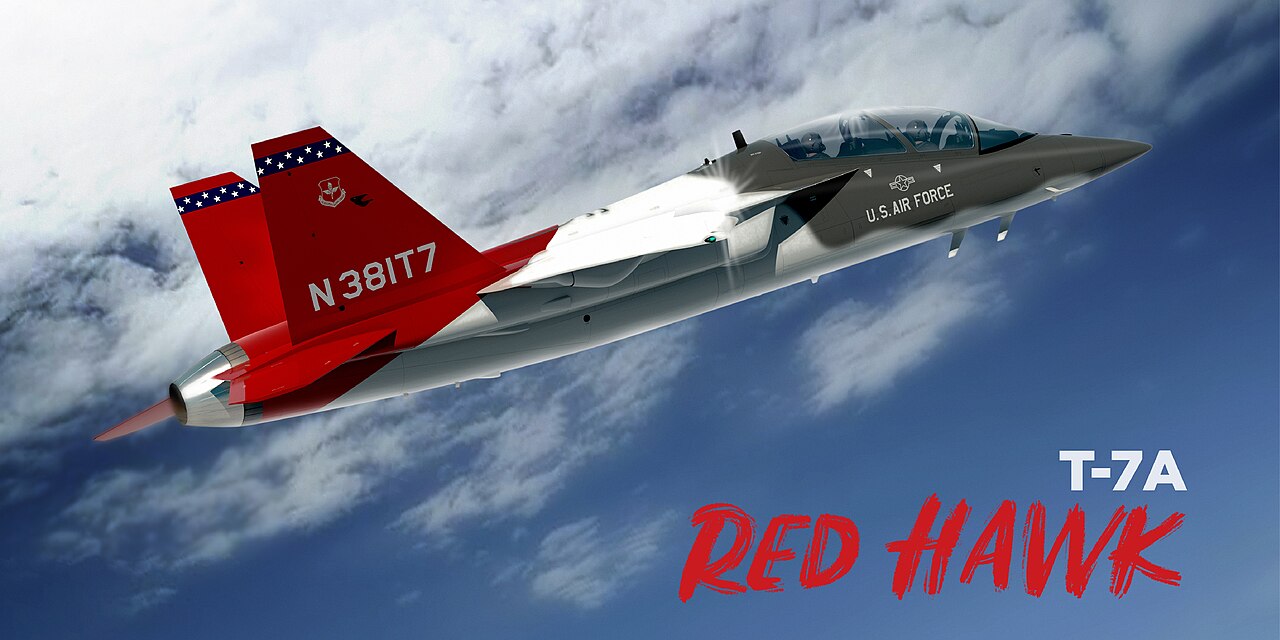
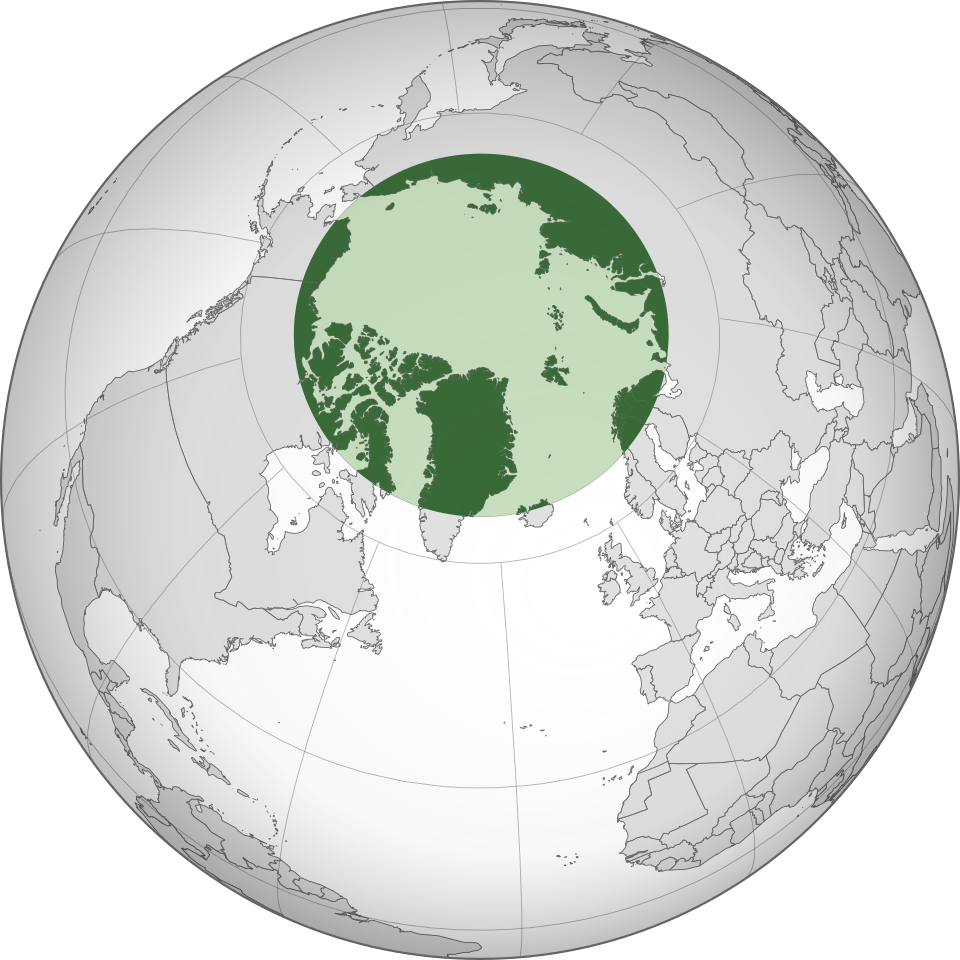
Through most of NATO’s eight-decade history, the inhospitable High North was low priority. That calculus is now changing.
Military & Defense
Original Briefing
NATO's Arctic Security Gaps Persist Despite Past Pledges
NATO member states previously committed to strengthening their collective security posture across the Arctic region, a strategic imperative underscored during the Trump administration. Despite these pledges, a significant gap remains between expressed intent and operational reality, leaving critical northern flanks potentially vulnerable in an increasingly complex geopolitical landscape. This unfinished work directly impacts the defense of vital maritime routes, resource extraction capabilities, and foundational early warning systems in the High North.
This evolving challenge is set against a backdrop of accelerating climate change, which opens new shipping lanes and access to resources, intensifying competition among global powers. Russia's established military presence and China's growing economic and strategic interests are rapidly transforming the Arctic from a remote frontier into a contested domain, demanding a robust and coordinated allied response.
Key Intelligence Points
- Decades of NATO's strategic planning largely overlooked the High North, treating it as a low-priority operational theater.
- Former President Trump reportedly pressured allies to elevate their focus and investment in Arctic defense capabilities.
- Allies subsequently made explicit commitments to bolster their collective security efforts within the challenging polar environment.
- Current assessments reveal that the promised enhancements to NATO's Arctic security infrastructure and readiness are incomplete.
- The strategic importance of the Arctic is profoundly changing, necessitating an urgent re-evaluation of allied defense postures.
Advertisement
Intelligence Briefing
Why this matters: The failure to fully materialize Arctic security commitments leaves NATO's northernmost territories and critical infrastructure exposed to potential adversaries. This strategic vulnerability could undermine collective defense, disrupt vital supply chains through emerging polar routes, and complicate rapid response operations, inviting aggression where deterrence should be strongest.
Editorial Analysis
The strategic significance of the Arctic has fundamentally shifted, moving from a peripheral concern to a primary arena for great power competition. This evolution directly affects NATO's northern flank nations, impacting everything from maritime domain awareness to the resilience of remote cyber-physical systems. Adversaries like Russia continue to reinforce their extensive Arctic military infrastructure, including advanced air defenses and naval capabilities, while China leverages economic influence to establish a presence through its "Polar Silk Road" initiative. These actions challenge NATO's ability to maintain freedom of navigation and protect vital economic interests, potentially enabling hybrid warfare tactics in extreme environments.
Historically, the Arctic was a Cold War flashpoint, but today's challenges are compounded by climate change and advanced technologies. The opening of new sea lanes and resource accessibility has ignited renewed interest and competition, creating a complex operational environment. Experts emphasize that sustained, multi-domain investment in capabilities such as ice-hardened vessels, enhanced satellite communications, and resilient sensing networks is critical. Furthermore, integrated intelligence sharing and joint exercises are paramount for NATO to effectively deter aggression and safeguard its interests in this rapidly transforming and strategically vital region.
📰