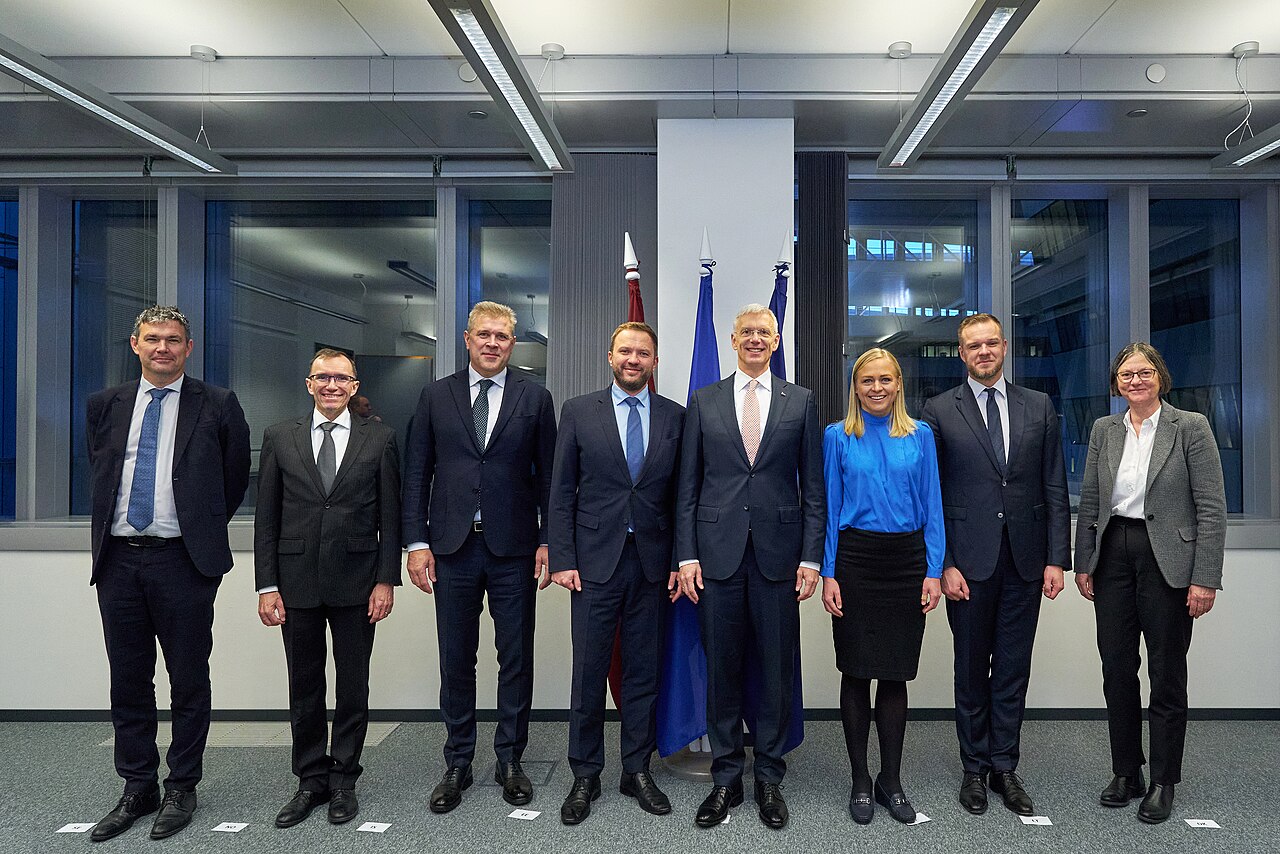
Lithuania’s parliamentary parties have agreed on a plan to lift a constitutional ban on nuclear weapons and foreign military bases in the Baltic nation.
Military & Defense
Original Briefing
Lithuania Eyes Nuclear Ban Lift: Baltic Security Reimagined
Lithuania's political factions have collectively endorsed a proposal to revoke constitutional restrictions on nuclear weapon deployment and the establishment of foreign military installations within the nation. This significant policy shift signals a profound re-evaluation of the Baltic state's defense posture, marking a direct response to a rapidly deteriorating regional security landscape. For NATO, it introduces a new strategic calculus regarding forward deterrence capabilities on its eastern flank.
This pivotal development is unfolding against a backdrop of heightened geopolitical tensions in Eastern Europe, particularly stemming from persistent Russian aggression. It underscores a growing trend among frontline alliance members to enhance their defense and deterrence capabilities, fundamentally reshaping the strategic environment of the Baltic Sea region.
Key Intelligence Points
- Lithuanian parliamentary parties achieved consensus on amending constitutional prohibitions.
- The proposed changes specifically target the ban on deploying nuclear armaments on national soil.
- The initiative also aims to remove the restriction against establishing foreign military bases within the country.
- This strategic re-evaluation is directly influenced by a worsening security situation in the immediate region.
- Represents a significant policy pivot for a key NATO member situated on the alliance's eastern border.
Advertisement
Intelligence Briefing
This move signals a profound re-assessment of deterrence strategy within NATO's eastern flank. For policymakers, it introduces complex questions around weapon system deployments and alliance burden-sharing, potentially requiring updated security protocols. Security professionals must consider the enhanced conventional and potentially nuclear threat environment, necessitating robust C2, integrated defense planning, and advanced counter-proliferation measures to mitigate escalation risks.
Editorial Analysis
Lithuania’s proactive consideration of hosting advanced deterrence capabilities carries substantial strategic weight, directly impacting Russia's geopolitical calculus in the Baltic Sea region. As a frontline NATO state, this signals a willingness to deepen its integration into high-tier alliance defense architecture, potentially altering the regional balance of power. For military strategists, this creates immediate operational considerations regarding the logistics, command and control structures, and host-nation support required for complex weapon systems and potentially expanded foreign military footprints.
This initiative is indicative of a broader trend among Eastern European NATO members to fortify their national and collective defense in response to an assertive Russia. It represents a significant post-Cold War re-evaluation of extended deterrence and nuclear sharing, driven by renewed great power competition. Experts will meticulously weigh the benefits of enhanced deterrence capabilities against the potential for increased regional instability, heightened pre-emptive targeting risks, and the intricate challenges of public and political acceptance.
📰