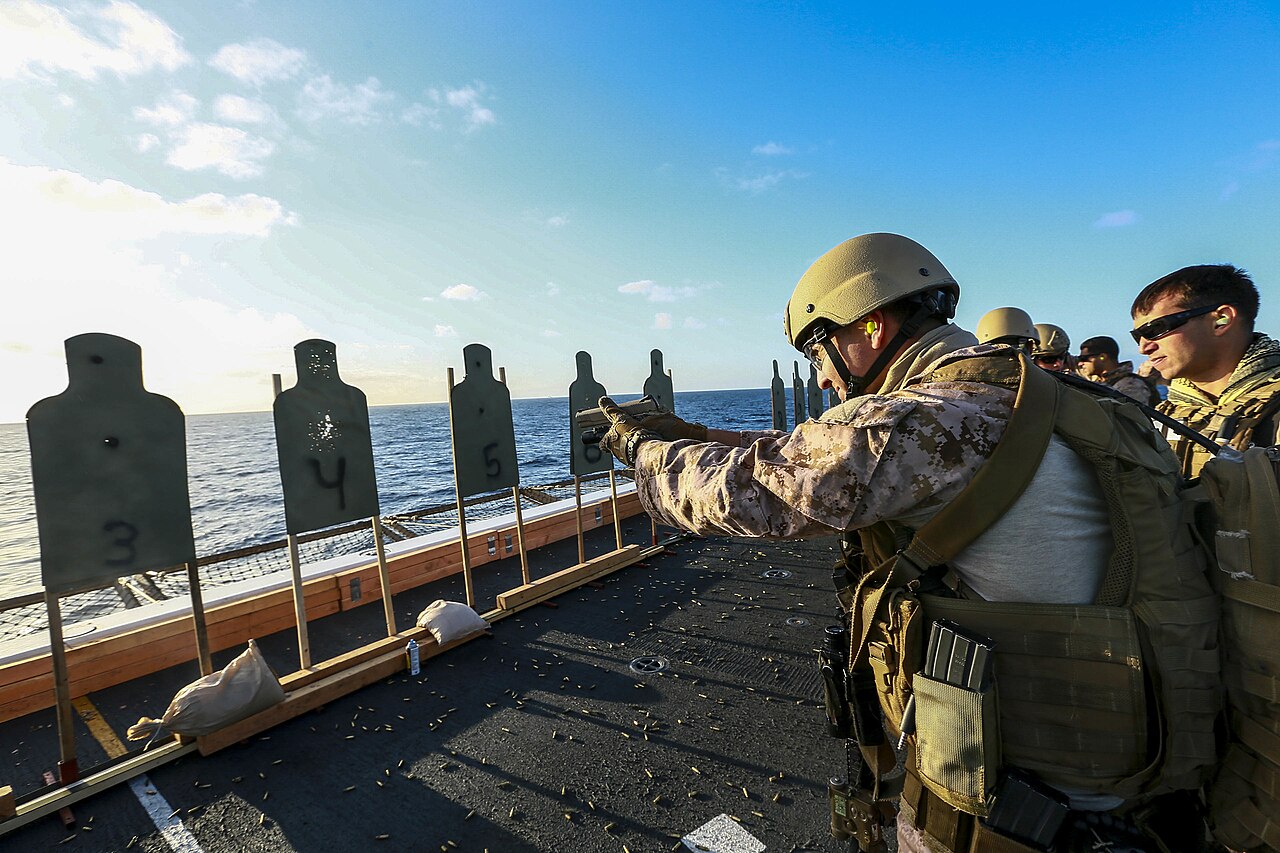
Marine forces from multiple nations recently conducted intensive joint tactical training in Hawaii, honing critical combat skills alongside U.S. counterparts. These live-fire and urban combat exercises, part of the extensive Rim of the Pacific (RIMPAC) exercise, directly addressed the operational necessities of future high-intensity conflicts. The drills featured participating units from countries such as Mexico and South Korea, underscoring a shared commitment to collective security.
This focused integration reflects a strategic imperative to build deep interoperability among allied ground forces, recognizing the complex and interconnected nature of modern geopolitical challenges. Such sustained, hands-on collaboration is crucial for developing the synchronized capabilities required to effectively respond to emerging threats in a dynamic global security environment.
MARINE CORPS BASE HAWAII—On rifle ranges inside a volcanic crater, and in an urban training facility built to train for deployments to Iraq, Marines from several different countries spent the weekend alongside their U.S. counterparts, shooting rifles, clearing rooms, and practicing other tactical skills they’ll need if called to war.
The live-fire drills were part of the ongoing Exercise Rim of the Pacific, a massive naval exercise that this year brought together 30 countries with the theme “partners: integrated and prepared.”
Working together in this way “sets the foundation for how we actually operate in the world today, and how we might fight—we don’t fight alone,” U.S. Marine Maj. Gen. Valerie Jackson told Defense One amid the staccato rifle shots of Mexican and South Korean marines training nearby. “This is all about alliances and partnerships, and when a crisis comes, you don’t want the first time working with someone to be when you’re facing a very determined adversary…. When a crisis hits, you have to know that the person to your left and your right has the same level of competency and understanding of the operational environment.”
The U.S. Marines here and at the urban training facility at Marine Corps Training Area Bellows are from 2nd Battalion, 7th Marine Regiment, the ground combat element of the 15th Marine Expeditionary Unit.
Lt. Col. Colin Elsasser, commander of 2/7, said the training included different skill sets from jungle survival to how to approach “complex urban environments.” Over the course of a week, they will train on the “entire inventory of infantry weapons,” he said.
Col. Robb McDonald, commander of the 15th MEU, said things had gone smoothly so far and that the U.S. Marines were learning from the other marines, and vice versa.
“We see this as an opportunity to integrate and learn from each other,” he said. RIMPAC is “a showcase to that interoperability that we’re able to achieve.”
Editorial Analysis
The strategic significance of these multinational Marine exercises lies in their deliberate focus on operational integration, moving beyond theoretical defense agreements to practical, on-the-ground cohesion. These drills directly address the critical need for seamless command, control, and communication, ensuring that diverse national units can function as a unified force across varied and challenging terrains, from dense urban zones to complex jungle environments. This level of granular interoperability fundamentally enhances coalition deterrence by signaling a robust collective capacity for rapid and effective military response.
This trend reflects a broader strategic shift towards decentralized, expeditionary coalition operations, acknowledging that major global conflicts or complex humanitarian responses will rarely be undertaken by a single nation. Historically, successful coalition warfare has always hinged on pre-existing relationships and a shared tactical understanding. Such rigorous, pre-conflict training mitigates the inherent "fog of war" when disparate forces converge, fostering a common operational picture and accelerating decision cycles—factors paramount in modern, high-intensity engagements.