A U.S. Air Force B-52 Stratofortress bomber experienced a catastrophic failure shortly after departure from Edwards Air Force Base, California, with military authorities indicating eight individuals onboard likely did not survive. This incident during what was described as a routine test mission brings immediate focus to the inherent risks of aerospace development and the safety protocols governing such operations. The highly experienced crew, including personnel from prime contractor Boeing, underscores the collaborative yet high-stakes nature of modern defense system evaluation.
This tragic event further highlights the significant challenges associated with extending the operational lifespan of legacy platforms through extensive modernization programs. It places a spotlight on the critical balance between advancing capabilities and ensuring the utmost safety in the rigorous testing environment necessary to integrate next-generation technologies onto decades-old airframes.
WASHINGTON — A US Air Force B-52 Stratofortress bomber crashed today after taking off from Edwards Air Force Base in California, and “initial indications” show the mishap was “not survivable” for eight people on board the aircraft, according to military authorities.
“Emergency personnel are on scene, and officials are working to account for all personnel,” Edwards Air Force Base said in a statement.
Boeing, the prime contractor for the Stratofortress, said in a statement this evening that two company employees were on board the B-52 that crashed.
“We extend our deepest condolences to the loved ones of the eight crew members who lost their lives” in the incident, the company said.
The incident occurred around 11:20 am local time during a “routine test mission,” the Edwards Air Force Base statement said. The installation is located in the desert north of Los Angeles.
The B-52 is a long-range, swept-wing bomber that entered service in the 1950s. The Air Force is upgrading the bomber’s engines, radar and other subsystems to extend its service life into the 2050s.
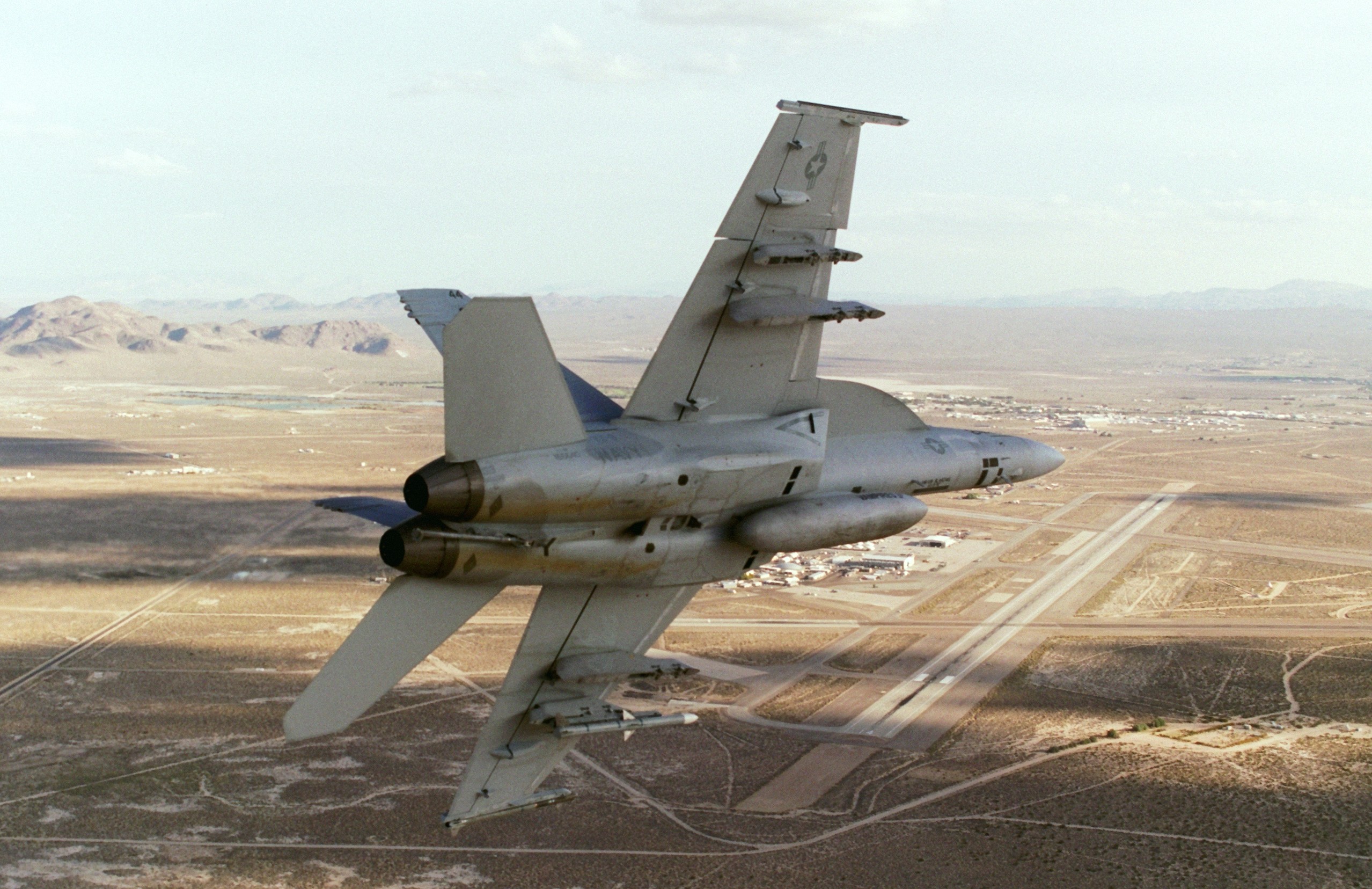
Edwards Air Force Base is a testing hub, where officials can evaluate upgrades and the integration of new weapons.
Editorial Analysis
This unfortunate incident compels a closer examination of the strategic and technical intricacies inherent in modernizing aging defense platforms. The B-52 Stratofortress, a key component of U.S. strategic deterrence, is undergoing a substantial overhaul involving new engines and advanced radar systems designed to extend its operational life well into the 2050s. A mishap during a test flight affects not only the direct personnel and asset but also introduces potential delays and increased scrutiny on the entire modernization pipeline, impacting future capability deployment for the U.S. Air Force and its global commitments. The involvement of contractor personnel from Boeing further highlights the deep integration of industry partners in high-risk military aerospace research and development programs, underscoring shared responsibilities and potential liabilities.
From a broader perspective, this crash serves as a stark reminder of the continuous, often unseen, sacrifices made in the pursuit of military technological superiority and strategic readiness. Military test centers like Edwards Air Force Base are pivotal sites where the boundaries of aerospace engineering are constantly pushed, often requiring crews to operate new or heavily modified systems in demanding conditions. This event could instigate a comprehensive re-evaluation of joint military-contractor test procedures and risk mitigation strategies, influencing how future large-scale defense modernization projects, particularly those involving multi-decade-old airframes, are planned, executed, and staffed. It underscores the profound human element at the core of national security infrastructure and the inherent dangers in pushing the envelope of flight.